
Film
Changing Lanes
Two strangers collide on New York's FDR Drive and descend into escalating mutual destruction. It's a taut, propulsive thriller about how rage and desperation corrode character, powered by electric chemistry between Affleck and Jackson. A sleek morality play dressed as a revenge movie, best watched when you're primed for tension.
Should you watch it?
Watch it if you like morally compromised men trading small cruelties in a long, escalating standoff, where the tension comes from two flawed people refusing to back down and a city that never stops moving.
Skip it if you want a clean moral line or a crime-thriller pulse; this is talky, uneasy in its sympathies, and it lingers on guilt more than on set pieces.
What it asks of you: Ninety-eight brisk minutes, but it asks you to stay with two unlikeable men's grievances, patient while the mood stays grey and anger stays near the surface.
Not sure? Find tonight's pick in a minute.
If you liked this
Uncut Gems2019
A similarly pressurized descent into chaos, where a man's lies and poor choices close in from every direction. Sandler plays it with real anguish; you feel the suffocation. Relentless momentum, zero release valve.
But Genuinely exhausting to watch. The protagonist is so fundamentally unlikeable that rooting for anyone becomes hard. Some find it punishing rather than gripping.

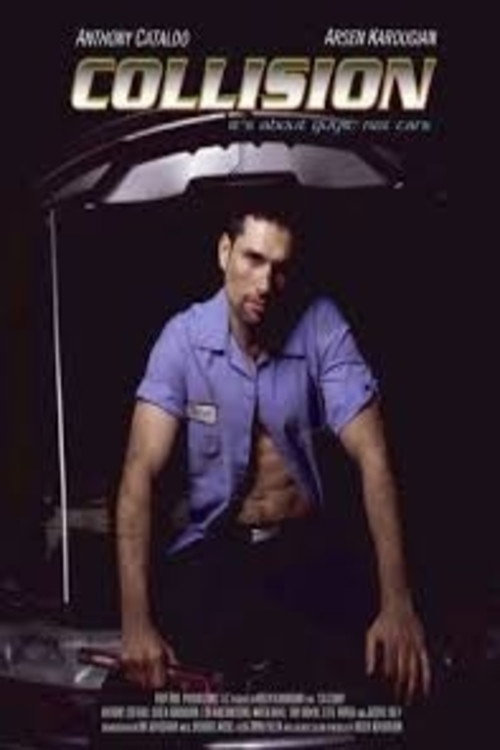
Collision2004
Paul Haggis crafts intersecting LA stories where strangers wound each other across racial and class lines. It has the same architecture—small incident, cascading consequences—and asks whether people can change when hurt.
But Earnestness that can feel heavy-handed. The moralizing occasionally overwhelms the drama, and some storylines don't carry their weight.
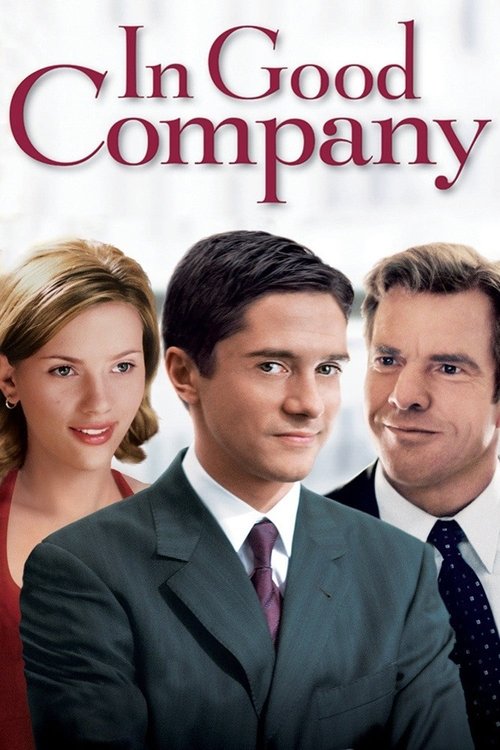
In Good Company2004
Two men locked in corporate combat, watching their professional identities erode in real time. Slower burn than Changing Lanes but equally focused on how ambition and circumstance pit decent people against each other.
But The stakes feel smaller because they're economic rather than personal. Some will find it too restrained, almost quiet in comparison.
Not sure tonight? Get a pick in a minute, starting from Changing Lanes
The wildcard
Something you would not have found on your own.
A Prophet2009
Both track how decent people weaponize each other through strategy and leverage; both ask whether civilization is just a thin coating over predatory instinct.
A young man enters prison and learns to dismantle his enemies through strategy and manipulation. It's Changing Lanes' moral rot relocated to a cell block—two strangers in escalating combat, but with real violence and no escape hatch. Jacques Audiard makes it hypnotic.
But French and subtitled. Prison brutality is explicit. The pacing is deliberate; it won't give you the quick adrenaline rush you might expect.

More like this (8)
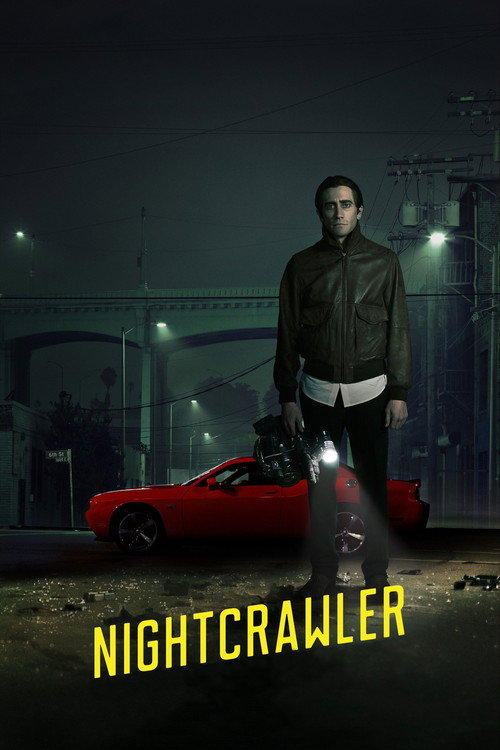
Nightcrawler2014
Jake Gyllenhaal's sociopath claws his way up LA's news hierarchy, leaving wreckage behind. The same gleaming surface over rotting desperation, the same question about whether ambition corrupts or just reveals what's already there.
But Gyllenhaal's character is monstrously self-interested without redemptive qualities. The film doesn't soften his edges; some viewers find that exhausting or pointless.
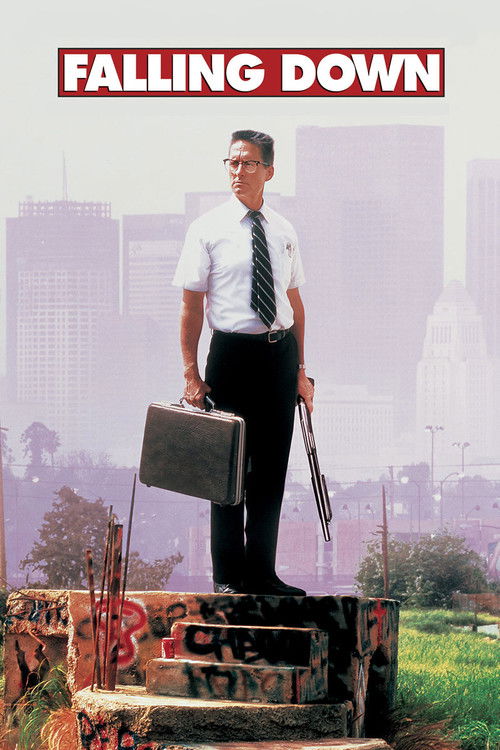
Falling Down1993
Michael Douglas as a man systematically dismantling his own life through escalating rage. It's the DNA of Changing Lanes—urban setting, two strangers colliding, destruction as consequence—but angrier and more unhinged.
But Teeters toward sympathizing with its protagonist's violence in ways that haven't aged well. Some scenes feel dated; the satire can land too broadly.
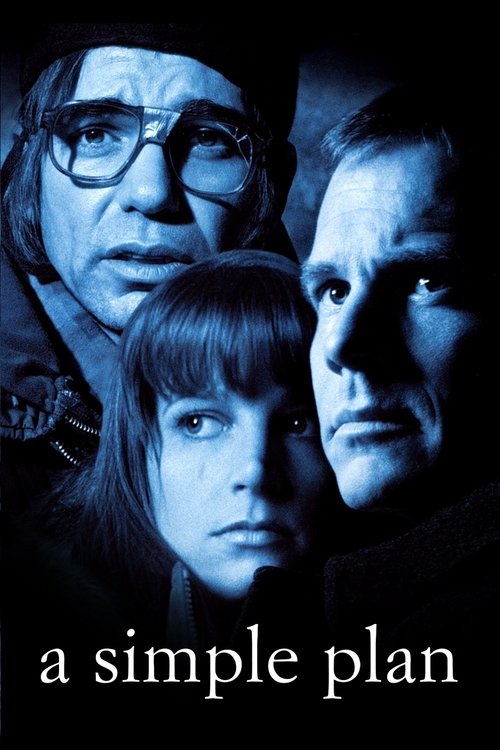
A Simple Plan1998
Three men find money and destroy each other trying to keep it. Raimi builds moral rot with surgical precision; watch how small lies compound into murder and madness. Affleck's here too, and he's excellent.
But Bleak without much relief. The ending doesn't offer catharsis, just wreckage. If you want hope, look elsewhere.
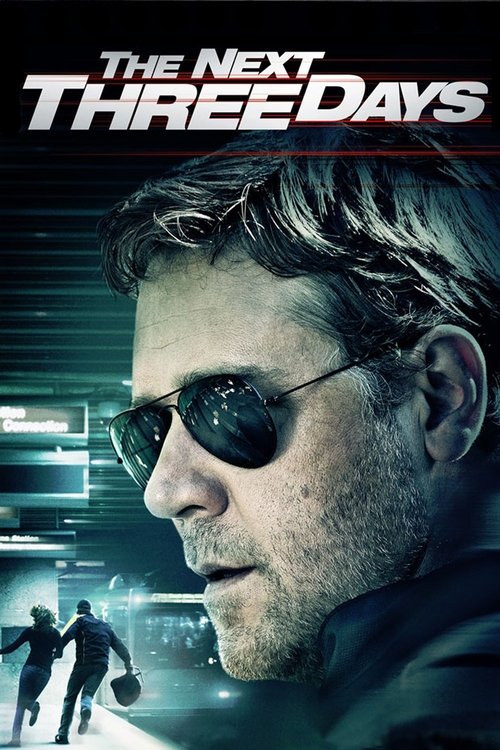
The Next Three Days2010
Russell Crowe's husband decides to systematically tear through the legal system to free his wife. It has Changing Lanes' architecture—decent person pushed to extremes—but focuses on one man's moral unraveling.
But The plot stretches credibility in the third act. Once it pivots to heist logistics, some of the character weight drops away.
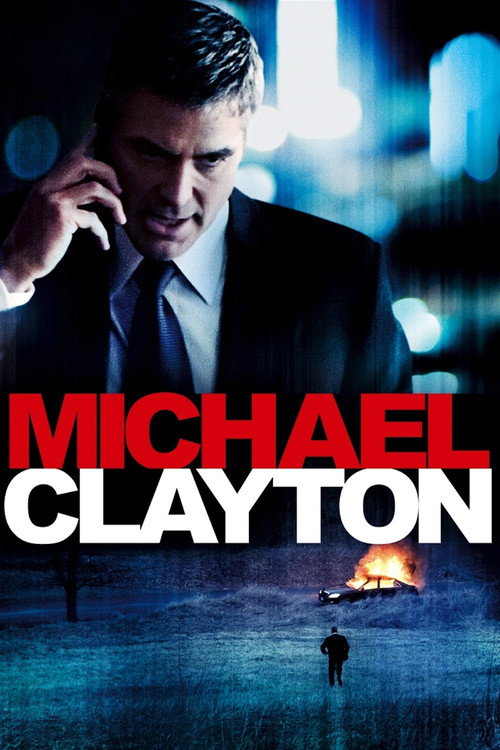
Michael Clayton2007
A fixer navigates corporate corruption and moral compromise in New York. Gilroy's script moves like Changing Lanes—quick, smart, with people strategically dismantling each other—but operates at a higher level of sophistication.
But Slower in places. The tone is measured rather than propulsive; some find it cerebral where they wanted momentum.
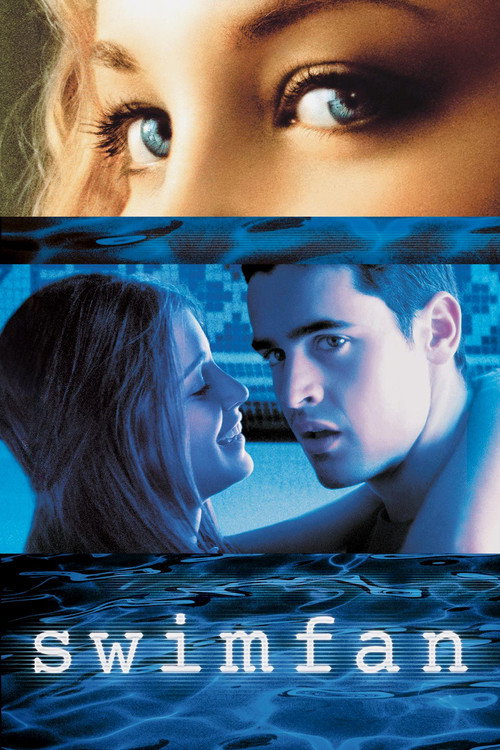
Swimfan2002
A swimmer obsesses over a rival, and their competition metastasizes into life-destroying vendetta. Same year, same fever-dream logic of escalation. Guilty pleasure energy but committed to its premise.
But The script occasionally trips into soap-opera territory. The twist strains credibility. It's a lot less intelligent than Changing Lanes, which some will see as a relief or a disappointment.
The Chaser2008
Both understand that vengeance and justice are not the same thing, and that pursuing one destroys both men involved. The rage is identical; only the setting changes.
A Korean gangster hunts a serial killer through Seoul with the same obsessive vengeance logic as Changing Lanes, but the violence is real and irreversible. Nope Hyung-chul builds momentum like a fist closing. Absolutely gripping.
But Graphic violence. The worldview is bleaker than most American thrillers; justice doesn't arrive, just more damage. Subtitled, and the pacing is Shakespearean—long scenes, then eruption.

The Last Duel2021
Both understand escalation as tragedy rather than entertainment. Both ask how two fundamentally decent men can become each other's apocalypse. The mechanism is different; the ruin is the same.
Ridley Scott charts three perspectives on a medieval trial, watching how truth fractures across testimony. Two men destroy each other over honor and sexuality; the architecture mirrors Changing Lanes—small incident, total war—but the register is Renaissance and operatic. Damon and Driver are magnificent.
But Three-hour runtime, and the repetition of scenes is deliberate rather than thrilling. Some find the pacing glacial. Medieval politics might feel remote compared to highway rage.

People
Cast
 Ben AffleckGavin Banek
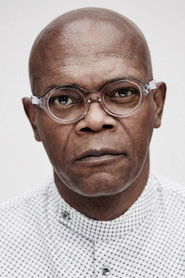 Samuel L. JacksonDoyle Gipson
 Toni ColletteMichelle
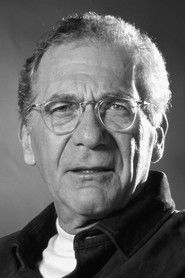 Sydney PollackStephen Delano
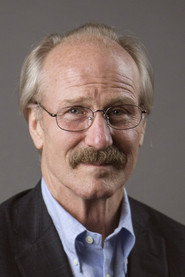 William HurtDoyle's Sponsor
 Amanda PeetCynthia Delano Banek
 Richard JenkinsWalter Arnell
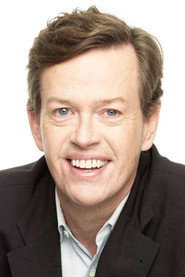 Dylan BakerFinch
 Kim StauntonValerie Gipson
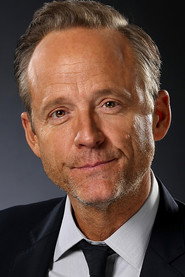 John Benjamin HickeyCarlyle
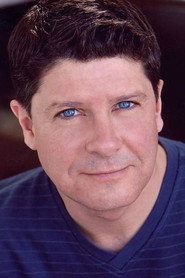 Michael McGrathSeavers
 Bruce AltmanTerry Kaufman
Directing
- Roger MichellDirector
- Michael E. SteeleFirst Assistant Director
- Mary A. KellyScript Supervisor
- Anthony HemingwaySecond Assistant Director
Writing
- Chap TaylorScreenplay
- Michael TolkinScreenplay
- Chap TaylorStory
Production
- Ellen LewisCasting
- Marcia DeBonisCasting
- Scott AversanoCo-Producer
- Lars KnudsenExecutive Assistant
- Adam SchroederExecutive Producer
- Ron BozmanExecutive Producer
- Scott RudinProducer
- Kristi ZeaProduction Designer
- Harvey WaldmanUnit Production Manager