
Film
Beat Street
Beat Street captures the Bronx hip-hop scene in 1984 with infectious energy and genuine cultural specificity. It's a drama-musical hybrid that treats breakdancing, DJing, and graffiti art as serious creative pursuits, not trends. Anchored by real musicians and dancers, it's for anyone who wants to see where modern music came from—and who loves a film that moves.
Should you watch it?
Watch it if you want a loose, sun-warmed snapshot of early hip-hop's street-level energy, where the breakdancing, graffiti and battle sequences matter as much as the plot.
Skip it if you need a tight, carefully plotted story; this one wanders between its romance, its rivalries and its musical set pieces, and the dialogue can feel rough around the edges.
What it asks of you: Settle in for just under two hours of episodic scenes that drift from one dance floor or street corner to the next, with the music doing much of the talking.
Not sure? Find tonight's pick in a minute.
If you liked this
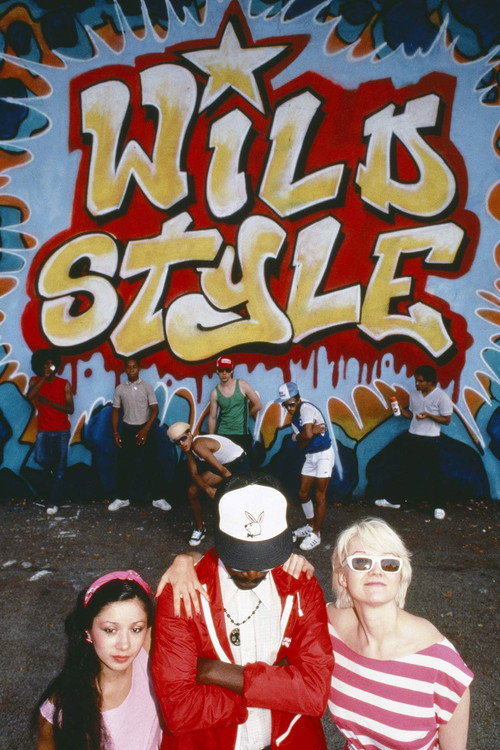
Wild Style1982
The definitive New York graffiti and hip-hop film that predates Beat Street by a year. Shot on location with actual graf writers, DJs, and breakers, it's raw, unvarnished, and crackling with the real scene's voice and energy.
But It's loose in narrative structure—almost a documentary-drama hybrid—and some performances feel unpolished. The sound recording is occasionally muddy, which reflects its guerrilla filmmaking but tests patience.
Flashdance1983
Another 1983 dance-drama that understands the power of performance sequences to carry emotional weight. It has that same MTV-era energy and genuine respect for its characters' creative ambitions, though in a different genre.
But The plot is straightforward to the point of predictability, and it's far glossier than Beat Street. If you want grit and specificity, this is the sanitized cousin.
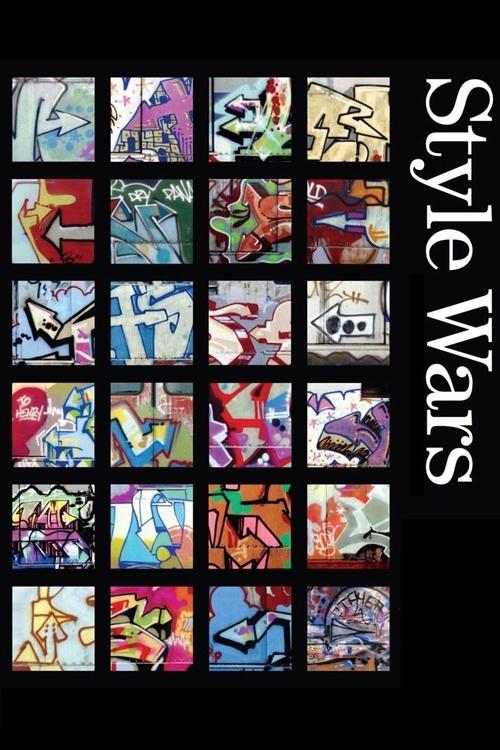
Style Wars1984
A documentary about New York graffiti culture that's simultaneously an art film and an essential record. It captures the same Bronx streets and the same artistic obsession with deeper insight and without narrative scaffolding.
But It's a documentary, so there's no dramatic arc to follow. For viewers expecting character-driven storytelling, the meditative approach can feel slow or unfocused.
Not sure tonight? Get a pick in a minute, starting from Beat Street
The wildcard
Something you would not have found on your own.
Alphabet City1984
Both are 1984 New York films obsessed with place and young people creating meaning in damaged neighborhoods, but where Beat Street believes in the possibility of escape through art, Alphabet City believes the streets always win.
Also made in 1984, this Lower East Side thriller uses street culture and music as atmosphere but tells a harder crime story. It's a wild tonal shift—grittier, more cynical, genuinely dangerous—yet captures the same New York micro-geography and DIY ethos.
But It's a drug-runner story with brutality that Beat Street never touches. If you want the aspirational, community-building side of the culture, this film's nihilism will feel wrong.
More like this (8)
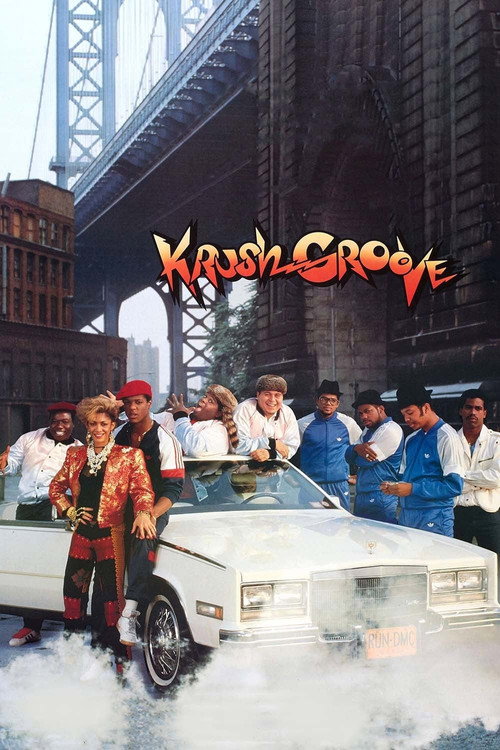
Krush Groove1985
Released a year after Beat Street, this film follows hip-hop's commercial explosion through music industry figures like Run-D.M.C. and LL Cool J. It's the natural next chapter in the story of the culture's rise.
But It's more interested in the record business than in the art itself, which shifts the focus away from the creative drive that gives Beat Street its heart. The dramatic stakes feel lower.
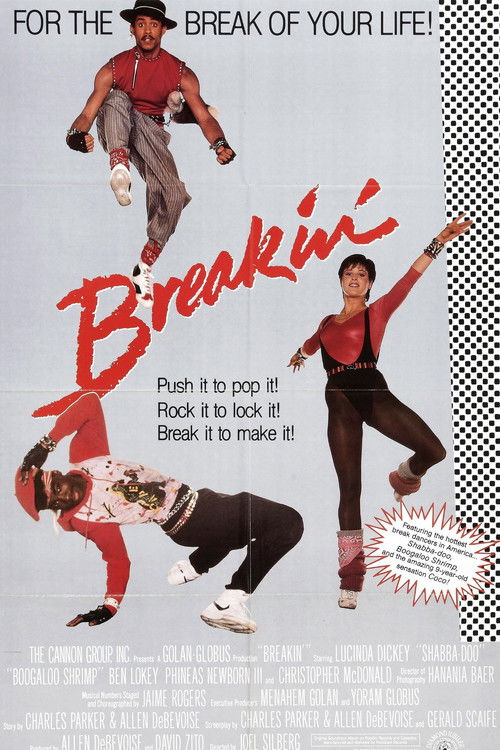
Breakin'1984
Released the same year as Beat Street, this film is pure breakdancing spectacle with a lighter touch. If you loved the dance sequences in Beat Street, this doubles down on movement and groove.
But The plot is paper-thin and the dialogue is often cringe-worthy. It prioritizes dance over character development, which works for movement fans but can feel shallow otherwise.
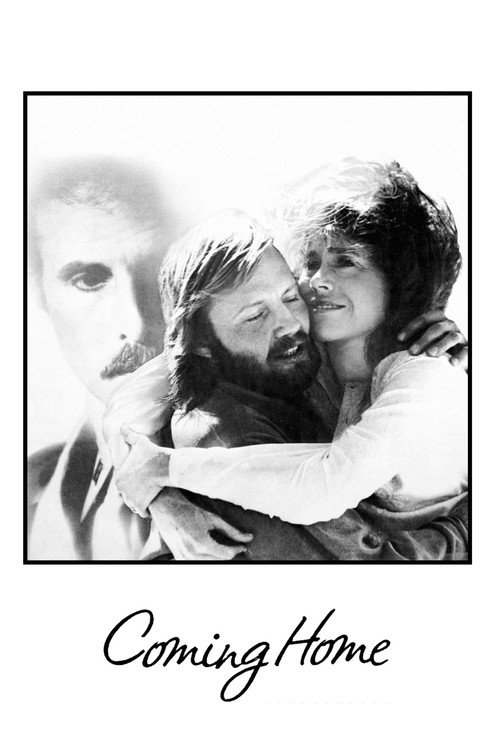
Coming Home1978
A character-driven drama about civilians navigating a changing culture and finding their voice. The emotional architecture—protagonists discovering what they're capable of—mirrors Beat Street's core.
But It's set in a very different world (post-Vietnam, not hip-hop) and its pace is measured rather than propulsive. If you want the specific energy of Beat Street, you won't find it here.
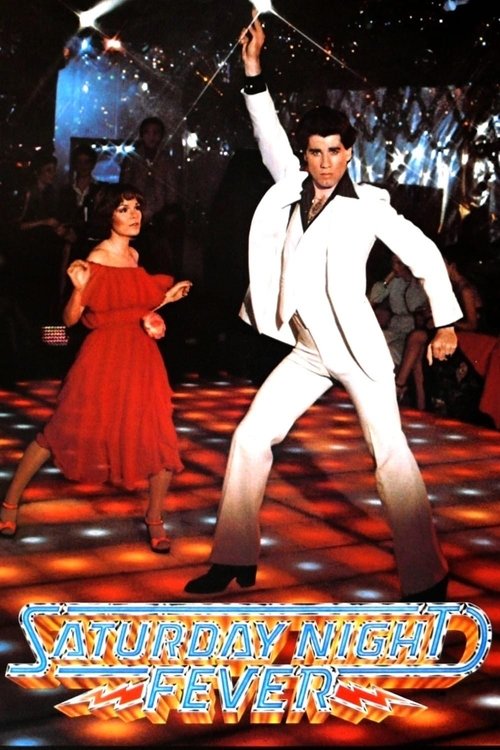
Saturday Night Fever1977
The spiritual predecessor to Beat Street: a film about working-class youth finding identity and expression through music and dance culture. Same DNA, different decade and sound.
But It's considerably darker and more adult, with sexual violence and exploitation as plot elements. The disco world it depicts is also very different tonally from hip-hop culture's collaborative idealism.
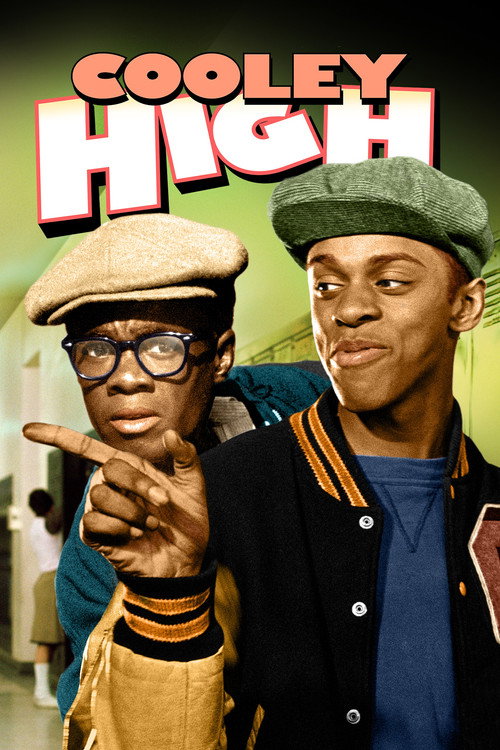
Cooley High1975
A coming-of-age comedy-drama set in seventies Chicago with genuine warmth and specificity about Black community life. It has Beat Street's affection for its world and characters without the music-industry framework.
But It's more comedy than drama, which changes the emotional register entirely. And it's set a decade earlier, so the cultural markers won't overlap with what you're looking for.
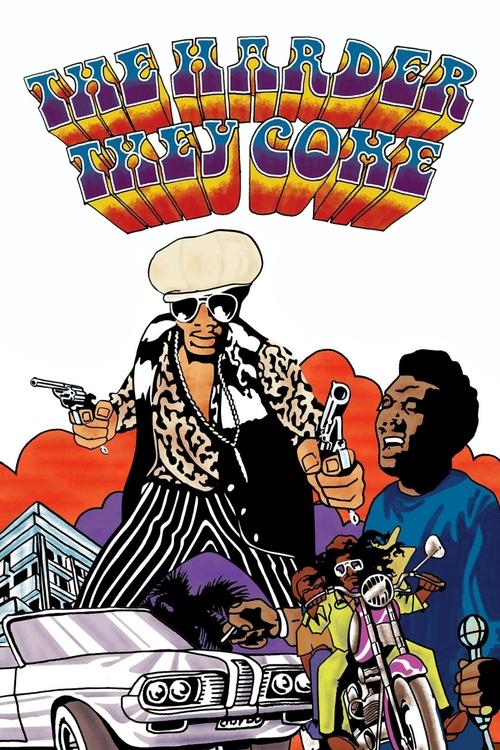
The Harder They Come1972
A reggae-soaked drama about a young musician fighting the system and industry gatekeeping in Jamaica. Same story of artistic ambition meeting economic reality, different island, different rhythm.
But It's slower and more meditative than Beat Street, and reggae's pace isn't hip-hop's urgency. The film's relationship to violence is darker and less hopeful.
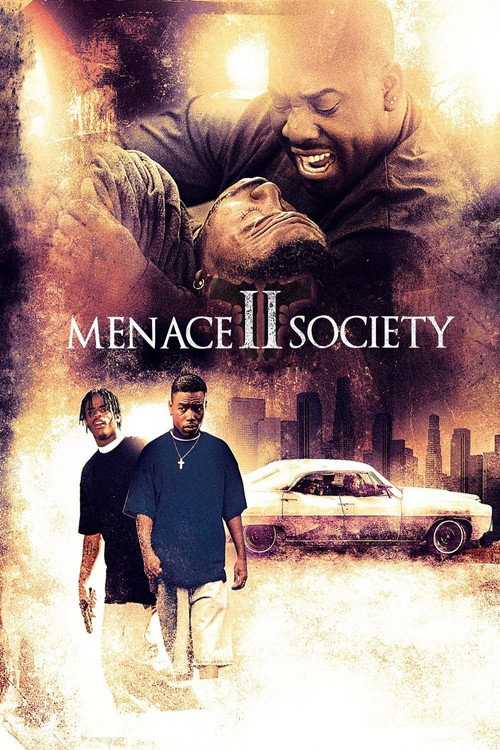
Menace II Society1993
Both films use hip-hop culture as the lens through which to examine Black urban life, but they're inverse films: Beat Street is about escape and possibility; Menace II Society is about why escape is nearly impossible. Together they're a conversation.
A Los Angeles hip-hop era film that understands why someone would choose the streets despite knowing the cost. It has Beat Street's specificity about Black youth culture but is unflinching about mortality, violence, and systemic constraint.
But It's a grim film about trapped lives, not aspirational ones. If you watched Beat Street for hope, this will feel like a betrayal of that world's promise—which is exactly the point it's making.
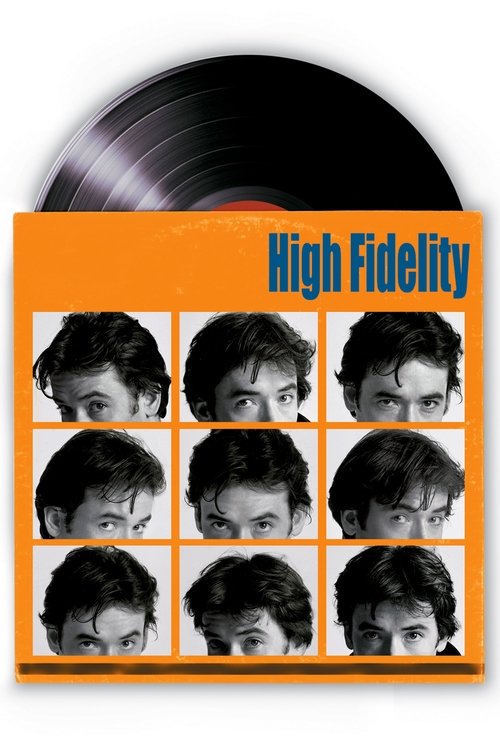
High Fidelity2000
Both films treat music culture as a form of self-creation and ask whether knowing everything about a scene is the same as being part of it. One answers yes; one answers no.
A film about obsession with a specific music and culture, and the difference between loving something and being able to make a life from it. The internal voiceover and the way it treats record-hunting as a form of identity will resonate with Beat Street's ethos.
But It's indie rock, not hip-hop, and it's set in a record shop, not in the streets. It's also more cynical and self-aware about fandom than Beat Street's earnest ambition. The tone is wry where Beat Street is hopeful.
People
Cast
- Guy DavisKenny Kirkland
 Rae Dawn ChongTracy Carlson
 Saundra SantiagoCarmen Cararro
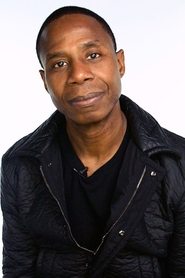 Doug E. FreshHimself
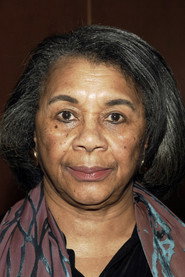 Mary AliceCora
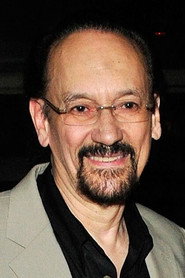 Shawn ElliottDomingo
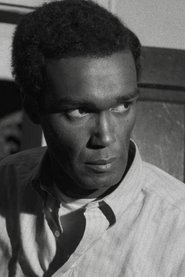 Duane JonesRobert
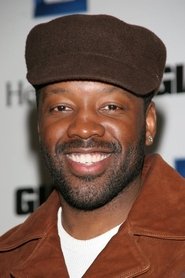 Kadeem HardisonHigh School Student (scenes deleted)
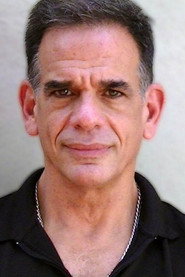 Jon ChardietRamon
 Leon W. GrantChollie
- Robert TaylorLee Kirkland
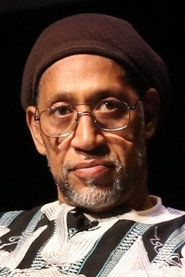 DJ Kool HercClive Campbell
Directing
- Stan LathanDirector
Writing
- Andrew DavisScreenplay
- David GilbertScreenplay
- Paul GoldingScreenplay
Production
- Mary ColquhounCasting
- Pat GoldenCasting
- David V. PickerProducer
- Michael HolmanProducer