
Film
Arrietty
A tiny girl and her family scavenge a human house for survival, rendered by Studio Ghibli with the studio's usual patience for texture — dew on grass, the roar of a kettle. It's quiet, tender, and almost eventless by design, trading plot momentum for scale and wonder. Best for viewers who love slow, tactile animation over spectacle.
If you liked this
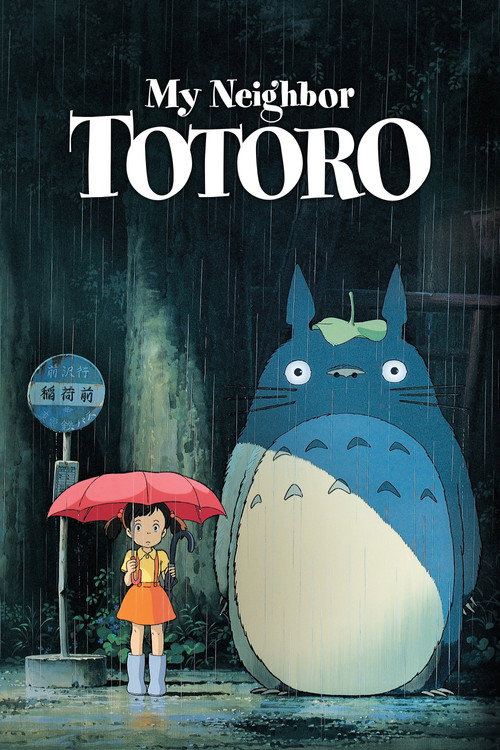
My Neighbor Totoro1988
The closest sibling in tone: unhurried, rural, and full of the same reverence for small domestic moments and giant, gentle mysteries hiding just out of sight.
But Almost no conflict at all — if you need stakes to stay engaged, this will feel even slower than Arrietty.
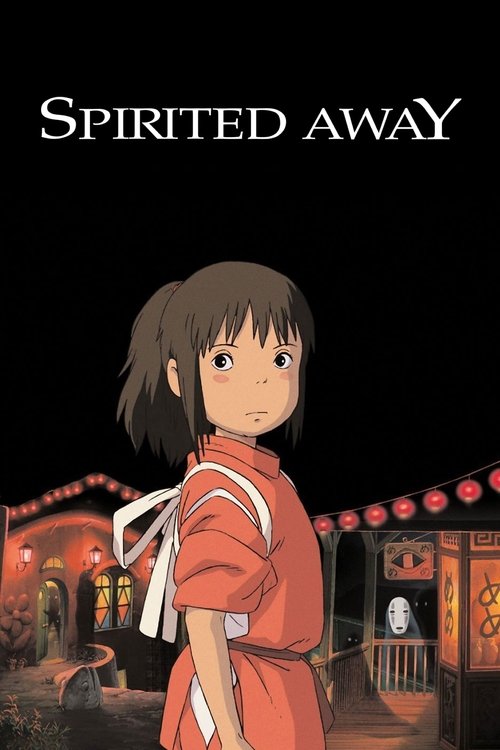
Spirited Away2001
Ghibli's imagination at full throttle — a bathhouse for spirits, shape-shifting parents, a girl who has to out-think a whole world of rules she doesn't understand.
But Noisier and more surreal than Arrietty; some of it edges into genuinely unsettling territory for younger kids.
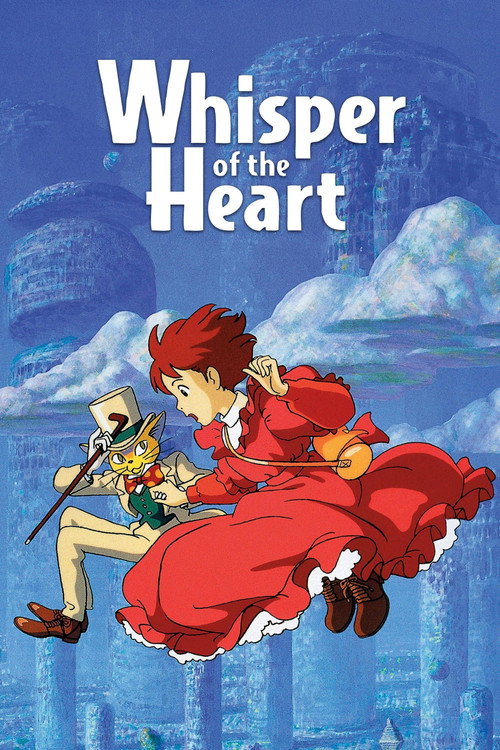
Whisper of the Heart1995
No magic here, just a bookish teenager falling into first ambition and first love — Ghibli's quietest, most grounded film, with the same delicate attention to ordinary life.
But There's zero fantasy element, so if the small-people conceit was the draw, this won't scratch that itch.
The wildcard
Something you would not have found on your own.
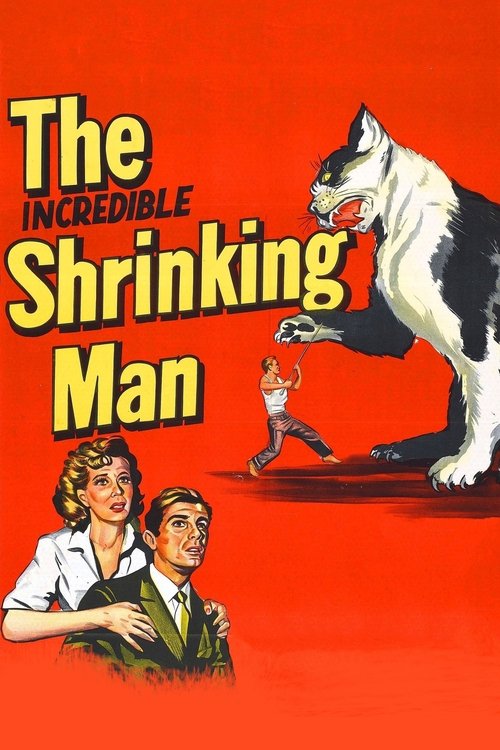
The Incredible Shrinking Man1957
Same core idea — a person forced to navigate a world sized for someone else — but told as existential horror instead of pastoral wonder, decades before Ghibli got there.
A B-movie classic that takes the exact fascination of Arrietty — a human-sized world turned into a landscape of terrifying scale — and runs it through Cold War paranoia and practical effects.
But Dated dialogue and gender politics that feel very much of 1957; the tone is grim where Arrietty is gentle.
More like this (8)
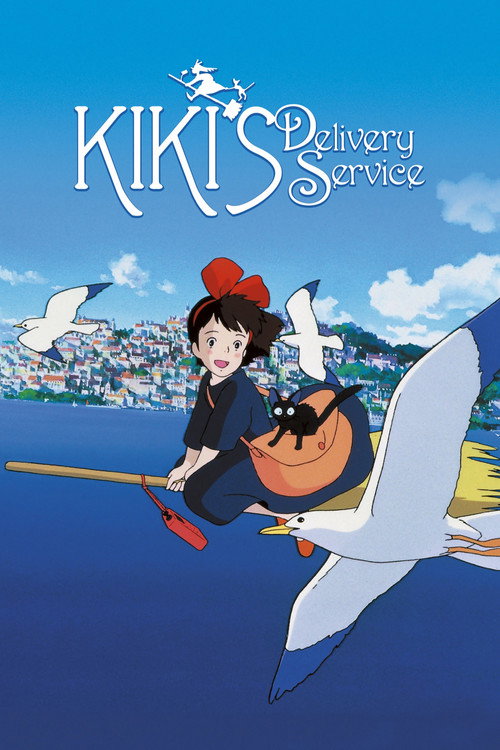
Kiki's Delivery Service1989
A young girl making her own way in an unfamiliar world, rendered with the same warmth and craft — broomstick deliveries instead of borrowed sugar cubes.
But More episodic than narrative-driven; some viewers find its low-key rhythms meandering rather than meditative.
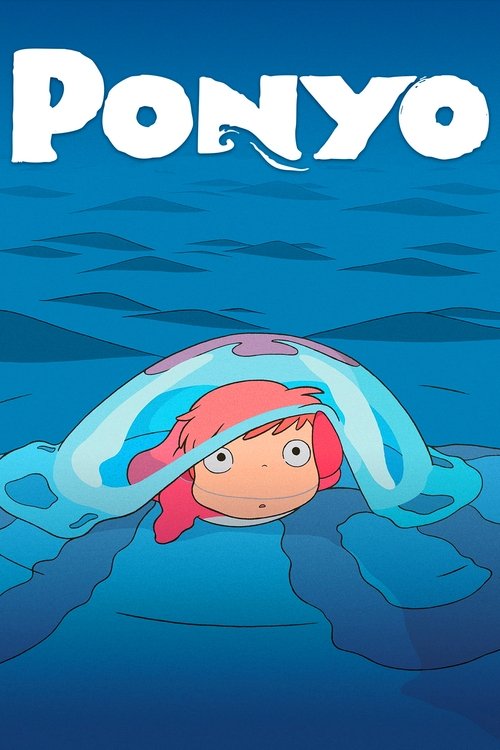
Ponyo2008
Ghibli's most childlike film — brighter, sillier, and stranger than Arrietty, with the same tenderness toward a friendship between a human and something not quite human.
But Aimed squarely at younger children; the logic is dreamlike rather than coherent, which can frustrate older viewers.
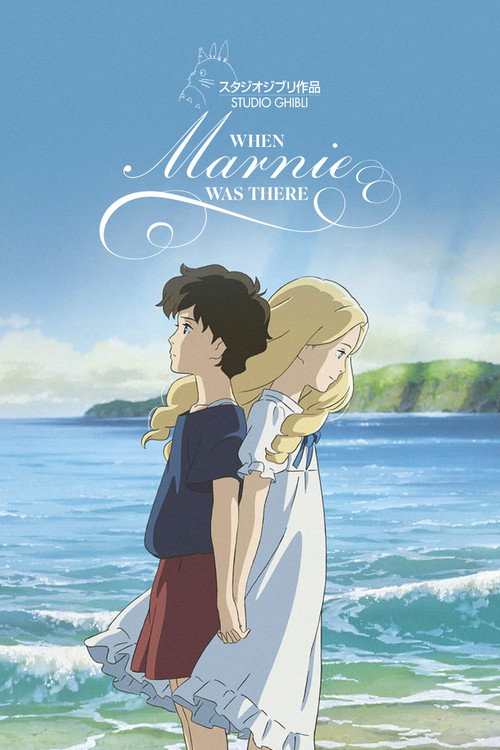
When Marnie Was There2014
A lonelier, more melancholy Ghibli film about a girl who forms a secret bond that reshapes how she sees her own life — similar hush, sadder undertow.
But Slower and sadder than Arrietty, with a mystery plot that some find drags in the middle third.
The Borrowers1997no page yet
The same source novel, played as live-action British comic adventure — John Goodman hamming it up as the villain, practical effects standing in for animation's magic.
But Broader and sillier by a wide margin; anyone hoping for Ghibli's stillness will find this loud and slapstick instead.
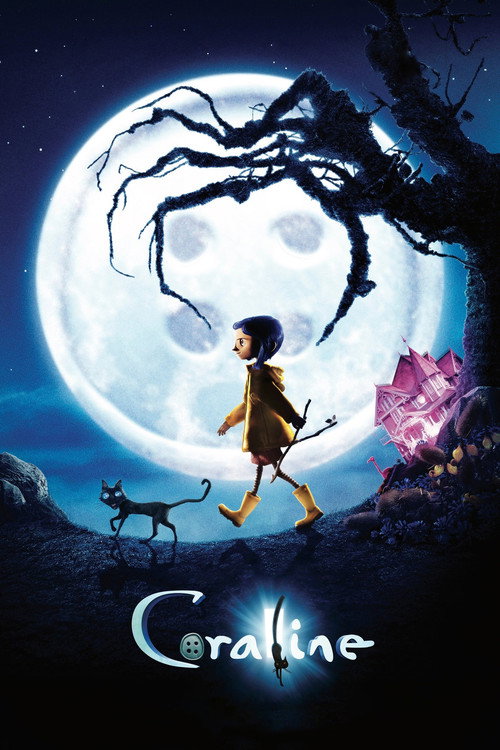
Coraline2009
Stop-motion craftsmanship rivaling Ghibli's hand-drawn care, with a small girl navigating a world built at a scale not meant for her — just far creepier.
But Genuinely frightening in places; not the gentle bedtime watch Arrietty is.
The Iron Giant1999
American animation with the same soft heart — a lonely kid, a secret too big to keep, a bond across an impossible size difference that ends in real feeling.
But Cold War subplot and giant-robot action push it further into adventure territory than Arrietty ever goes.

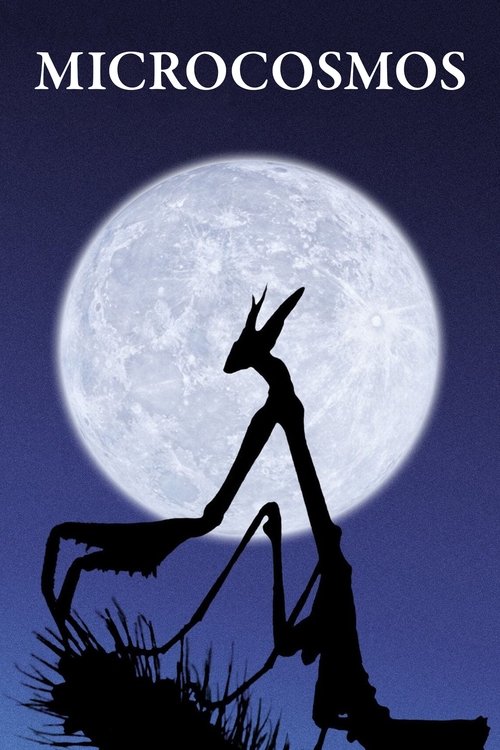
Microcosmos1996
It's the same obsession with scale and the hidden world underfoot, stripped of fantasy and rendered as pure, astonishing fact.
A wordless nature documentary shot at insect scale, turning dewdrops and blades of grass into vast, alien terrain — the literal version of what Arrietty only animates.
But No story, no characters, no dialogue at all; it demands patience Arrietty's narrative structure never asks for.
Downsizing2017
Takes Arrietty's central conceit — being small in a world built for someone else — and repurposes it as cynical adult commentary rather than tender fable.
An adult satire built on the same premise — what happens when the world is suddenly too big for you — but aimed at consumerism, class, and midlife disappointment instead of childhood wonder.
But Tonally scattered and much darker than its trailer suggests; some found its shift from comedy to bleak drama jarring.

People
Cast
 Mirai ShidaArrietty (voice)
 Ryunosuke KamikiSho (voice)
 Tomokazu MiuraPod (voice)
 Keiko TakeshitaSadako Maki (voice)
 Kirin KikiHaru (voice)
 Shinobu OtakeHomily (voice)
 Tatsuya FujiwaraSpiller (voice)
 Shin'ichi HatoriPostman (voice)
Directing
- Hiromasa YonebayashiDirector
- Kenji ImuraSecond Assistant Director
- Shintarou NakazawaSecond Assistant Director
Writing
- Mary NortonNovel
- Hayao MiyazakiScreenplay
- Keiko NiwaScreenplay
Production
- Koji HoshinoExecutive Producer
- Hayao MiyazakiOther
- Tamaki KojoOther
- Toshio SuzukiProducer
- Tayu SakamotoProduction Assistant
- Yumiko MiyoshiProduction Assistant
- Hiroyuki WatanabeProduction Manager
- Naoya FujimakiProduction Manager
- Ryoichi FukuyamaProduction Manager
- Seiji OkudaProduction Manager
Recommended by
Spirited Away, Kiki's Delivery Service, Howl's Moving Castle, My Neighbor Totoro, Whisper of the Heart, Ponyo, When Marnie Was There