
Film
Arjun Reddy
A brilliant young surgeon implodes after heartbreak, burning through his career, relationships, and self-respect in a fury of rage and substance abuse. Vijay Deverakonda gives a raw, physical performance as a man who mistakes destructiveness for passion. It's a portrait of toxic masculinity that doesn't flinch from the damage—to himself or anyone near him. Not cathartic; deliberately uncomfortable.
Should you watch it?
Watch it if you want a raw, unflinching portrait of a volatile man whose love turns ugly, and you don't mind staying with an unlikable lead long enough to understand him.
Skip it if you need a protagonist to root for, because this one is hard to like and the three-hour runtime leans hard into his worst moments.
What it asks of you: Settle in for just over three hours of slow, often jagged scenes, with long stretches that let anger and heartache sit on screen without rushing to relief.
Not sure? Find tonight's pick in a minute.
If you liked this
Kabali2016
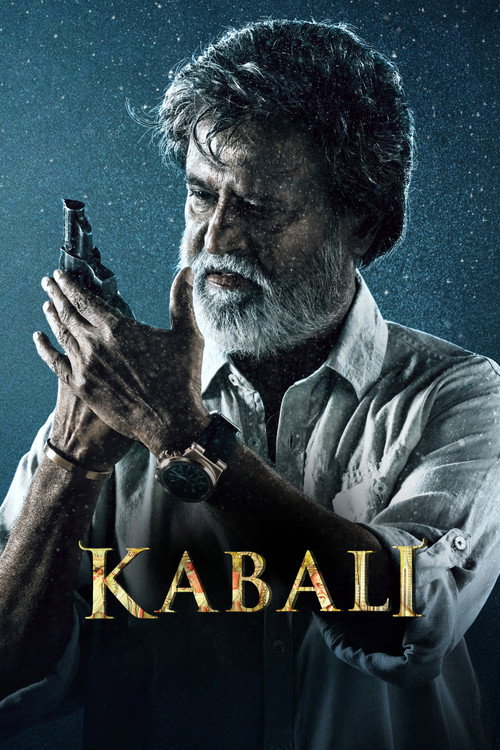
Rajinikanth playing a vengeful man who's been destroyed by loss, built on the same engine of rage and style. A different register but the same emotional physics—a charismatic person making wreckage of their own life.
But The Tamil original is the more rewarding watch; this Hindi remake softens the edges and loses some of the film's fury.
Dear Zindagi2016
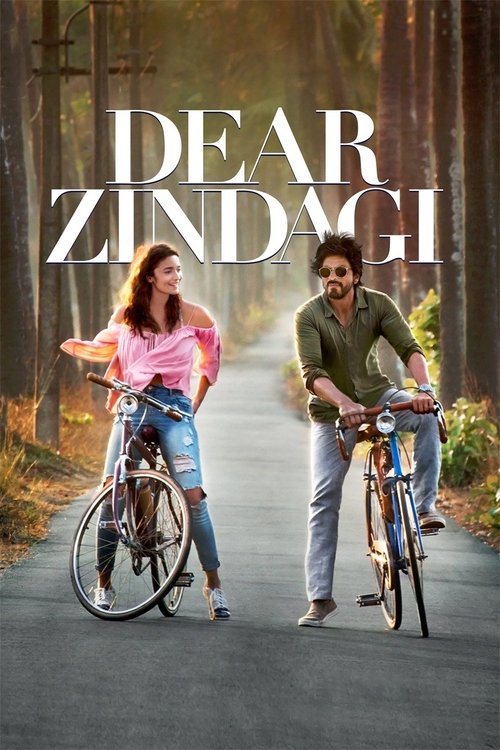
Deepika Padukone working through depression and self-sabotage with genuine vulnerability. Where Arjun Reddy is all rage, this is all introspection—the quieter half of the same conversation about what it costs to fall apart.
But Much gentler and more forgiving of its protagonist, which some find less honest than Arjun Reddy's refusal to make excuses.
A Prophet2009
A man remakes himself through force of will inside a prison, charismatic and dangerous and completely consumed by his own mythology. The same obsessive energy applied to survival instead of destruction.
But French prison drama with subtitles; slower paced and far less romantic about its protagonist's transformation.

Not sure tonight? Get a pick in a minute, starting from Arjun Reddy
The wildcard
Something you would not have found on your own.
Krisha2016
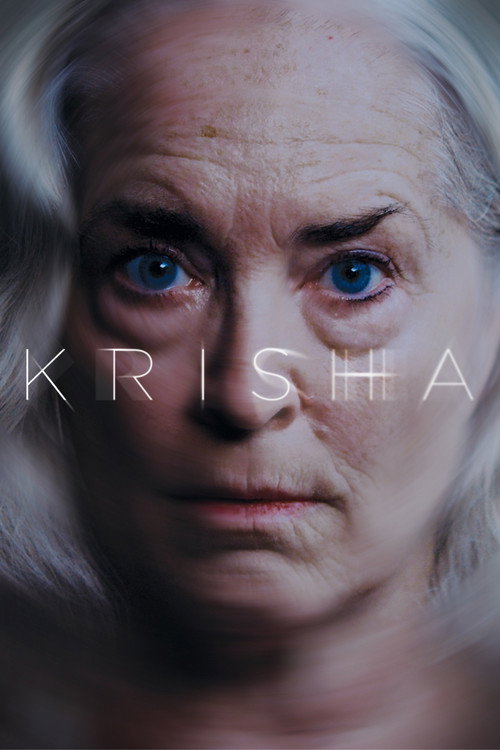
Both are unflinching about addiction and self-destruction, refusing to make their protagonists sympathetic or redeemable. Where Arjun Reddy is formally stylish, Krisha strips away all artifice to show the same psychological disease stripped to the bone.
A semi-autobiographical film about a man freshly out of prison trying to rebuild his life, undone by addiction and his own nature. Shot in a raw, verité style with non-professional actors—it feels like watching someone's actual breakdown in real time, no glamour, no style to hide behind.
But Shot on digital video with almost no conventional narrative structure; it's deliberately unglamorous and can feel slow and repetitive, which is exactly the point but not everyone's idea of cinema.
More like this (8)
Udaan2010
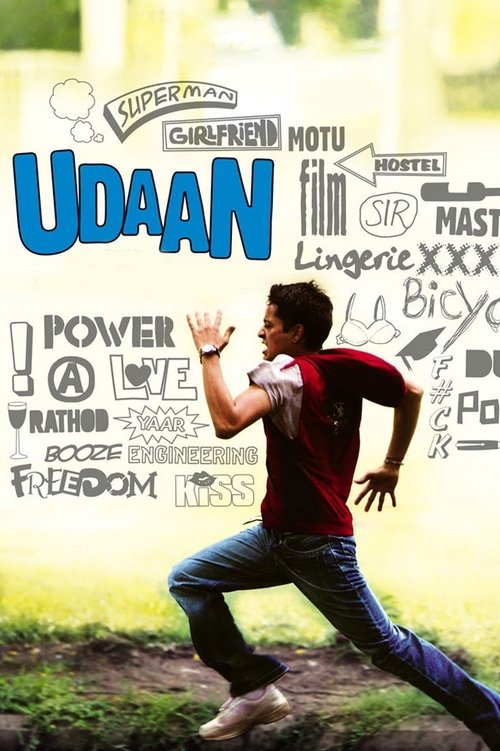
A young man in revolt against authority figures, brilliant and self-sabotaging, caught between what he wants and what his rage won't let him have. Indian cinema's other great portrait of youthful destruction.
But More introspective than visceral; the anger is quiet rather than explosive, which loses some of the raw power.
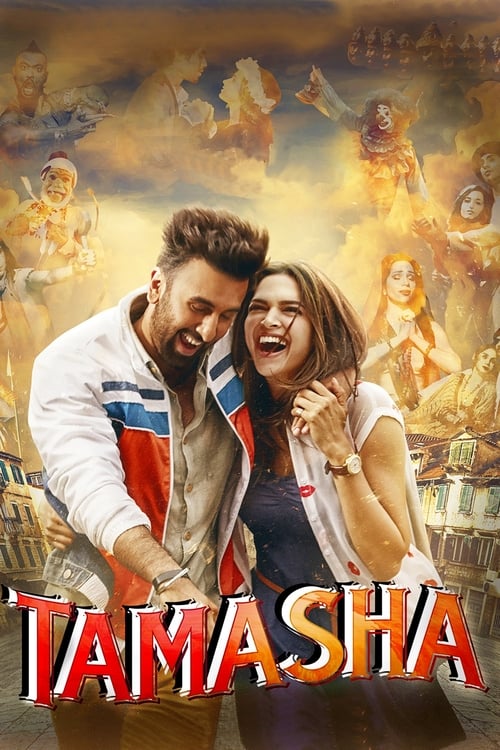
Tamasha2015
Ranbir Kapoor as a man performing himself into emptiness, charming and hollow, unable to stop even when it's destroying him. The seduction of your own mythology told with real melancholy.
But Imtiaz Ali's filmmaking can feel precious; the emotional core is there but sometimes buried under style.
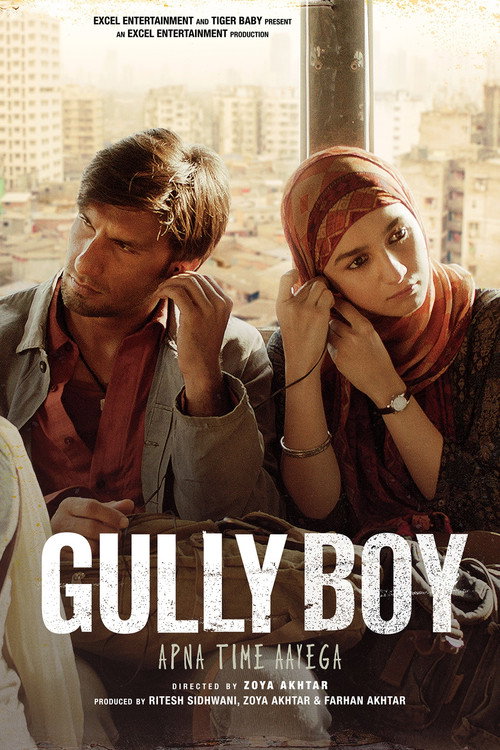
Gully Boy2019
Ranveer Singh as a young man channelling rage into art instead of destruction, with the same intensity and physicality but pointed toward creation. What Arjun Reddy might have become if he'd found an outlet.
But More inspirational than unsettling; it affirms rather than questions, which makes it feel safer than what you're looking for.
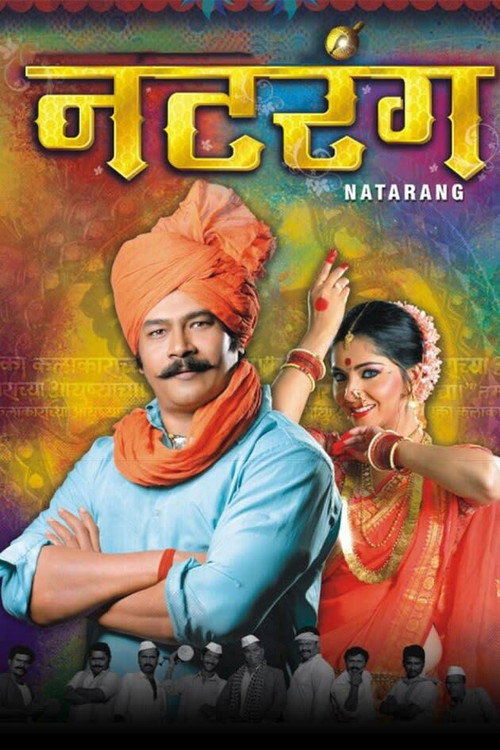
Natrang2010
A Marathi film about a man consumed by performance and ego, unable to separate himself from his role, watching his life collapse in real time. The same self-destruction, articulated through theatre.
But Regional cinema with subtitles; slower and more theatrical in its pacing than Arjun Reddy's kinetic rage.
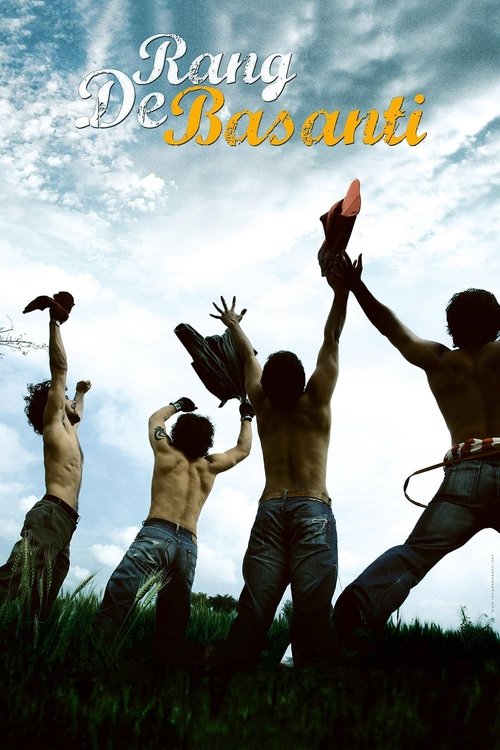
Rang De Basanti2006
Young men burning with righteousness and fury, charismatic and self-destructive, their passion for a cause overwhelming their judgment. The anger directed outward instead of inward, but the same wreckage.
But Ends in a very different register from where it starts; the tonal shift feels deliberate but jarring if you're after sustained intensity.
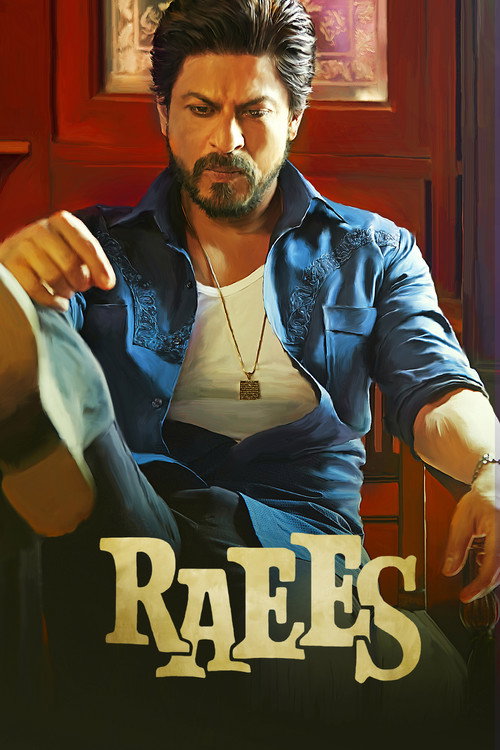
Raees2017
Shah Rukh Khan as a man who refuses to be contained by rules, charismatic and violent, his own worst enemy. Similar energy, similar self-mythology, but pointed toward crime instead of medicine.
But More conventional hero-and-cop thriller than character study; the psychology takes a back seat to plot.
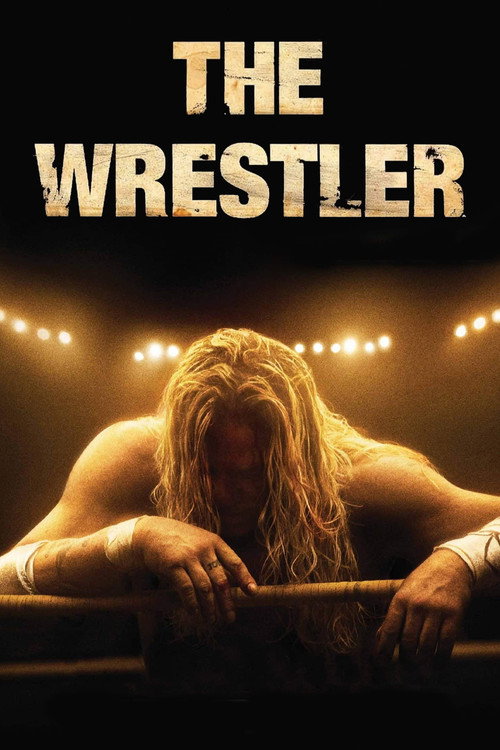
The Wrestler2008
Both films treat self-destruction as a form of love for oneself—a twisted romance with your own image that matters more than survival. Arjun Reddy is explosive; The Wrestler is the long, quiet implosion of the same disease.
Mickey Rourke as an aging man clinging to a past identity, destroying his body and every relationship to maintain the myth of himself. A quiet, devastating portrait of someone who can't stop even though he knows it's killing him—the same addiction to self-mythology, slower and more aching.
But American indie drama, no glamour, no music to carry you through the sadness. It asks you to watch a man damage himself over and over without looking away. Exhausting by design.
A Ghost Story2017
Both are about people trapped in a single emotional state, unable to move forward, replaying the same moment over and over. Arjun Reddy is rage; this is grief. Same architecture, different temperature.
A film about loss and obsession and the way grief can consume you until you're haunting your own life. Formally experimental and crushing—not about a man imploding but about what that implosion does to the space around him, the way it echoes.
But Formally strange, slow, and oblique. Deals in mood and suggestion rather than narrative clarity. Watching it requires patience and surrender, not engagement.

People
Cast
 Vijay DeverakondaArjun Reddy Deshmukh
 Shalini PandeyPreethi Shetty
 Rahul RamakrishnaShiva
 Kamal KamarajuGautham
 KanchanaArjun's Grandmother
 Sanjay SwaroopArjun's Father
- Gopinath BhatDevadas Shetty
 Aditi MyakalVidya
 Anisha AllaKeerthi
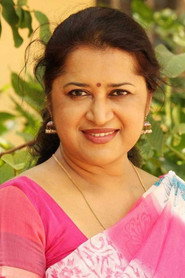 Sandhya JanakArjun's Mother
 Jia SharmaJia Sharma
Directing
- GireeshaayaCo-Director
- Sandeep Reddy VangaDirector
Writing
- Anantha SriramLyricist
- Sushma ShreshtaLyricist
- Sandeep Reddy VangaScreenplay
- Sandeep Reddy VangaStory
Production
- Pranay Reddy VangaProducer
Recommended by
Magadheera, Vikram, Columbus, Mirchi, Pelli SandaD, Jaguar, Aravinda Sametha... Veera Raghava, Pelli Choopulu, Pudhupettai, Ee Nagaraniki Emaindi?, Geetha Govindam, Taramani, Srimanthudu, Vaadivaasal, Manmadhan, Maryan, Sye, Oka Manasu, Majili, Khiladi, Love Mocktail, Janatha Garage, Loukyam, Thangamagan, Happy Days, Aarya, Sethu..., Godavari, Kadhal Konden, Bewafaa, Okkadu