
Television series
Tracey Takes On...
Tracey Ullman disappears into dozens of characters — a Long Island housewife, a Russian émigré, an elderly Jewish mother, a teenage boy — with prosthetics, accents and total commitment, each episode loosely themed around an idea like family or work. It's less joke-machine than character portraiture: funny, sometimes tender, always virtuosic. For anyone who loves transformation for its own sake.
If you liked this
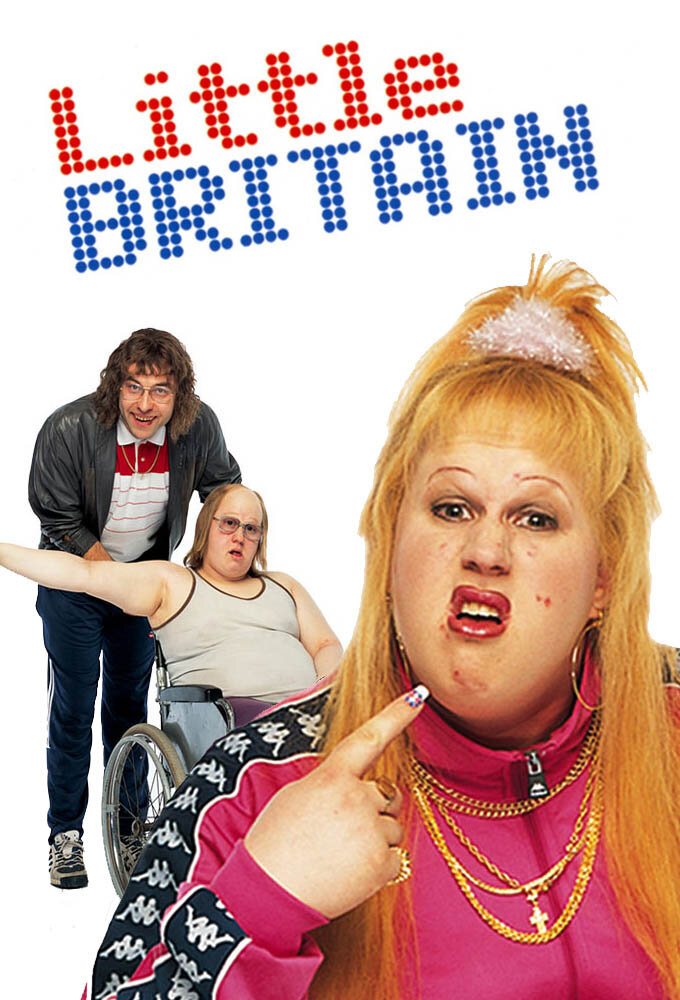
Little Britain2003
Lucas and Walliams do the same trick as Ullman — two performers, dozens of recurring characters, broad prosthetic-aided transformation used for both silliness and social observation.
But Meaner and cruder than Ullman ever gets, and some sketches have aged into genuine discomfort.
The Kids in the Hall1988
A Canadian sketch troupe building whole recurring worlds and characters rather than one-off jokes, with a similarly strange, specific, slightly melancholic comic sensibility.
But An ensemble rather than a solo showcase, so it lacks the single-performer wizardry that makes Ullman's show a novelty act.

Saturday Night Live1975
The mothership of American sketch comedy — recurring characters, impressions, a rotating cast of comic voices, the format Ullman's show borrows and personalizes.
But Live, topical, hit-and-miss by design — nothing like the polished, filmed, character-study feel of Tracey Takes On.

The wildcard
Something you would not have found on your own.
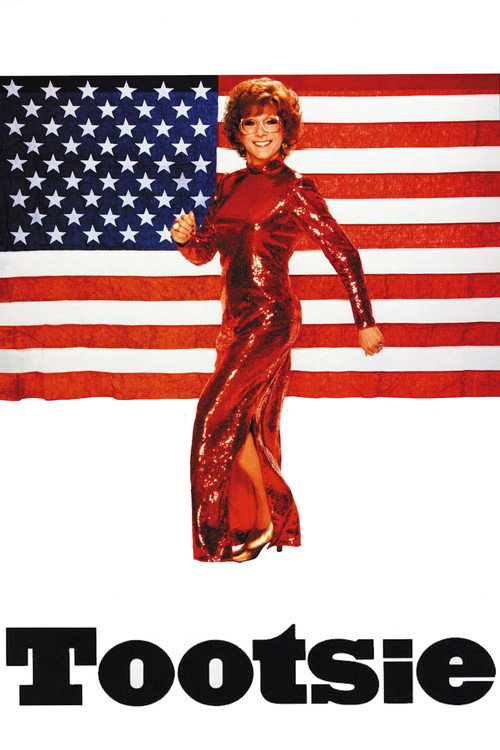
Tootsie1982
Same engine as Ullman's show — a performer using cross-gender, cross-identity transformation not just for laughs but to say something true about the person underneath — reshaped into a two-hour narrative film instead of a sketch anthology.
Dustin Hoffman's struggling actor becomes a woman to get work, and the film mines real comedy and real feeling from the gap between who he is and who he's playing.
But A conventional romantic-comedy plot wraps around the gimmick — less anthology, more single sustained joke stretched to feature length.
More like this (7)
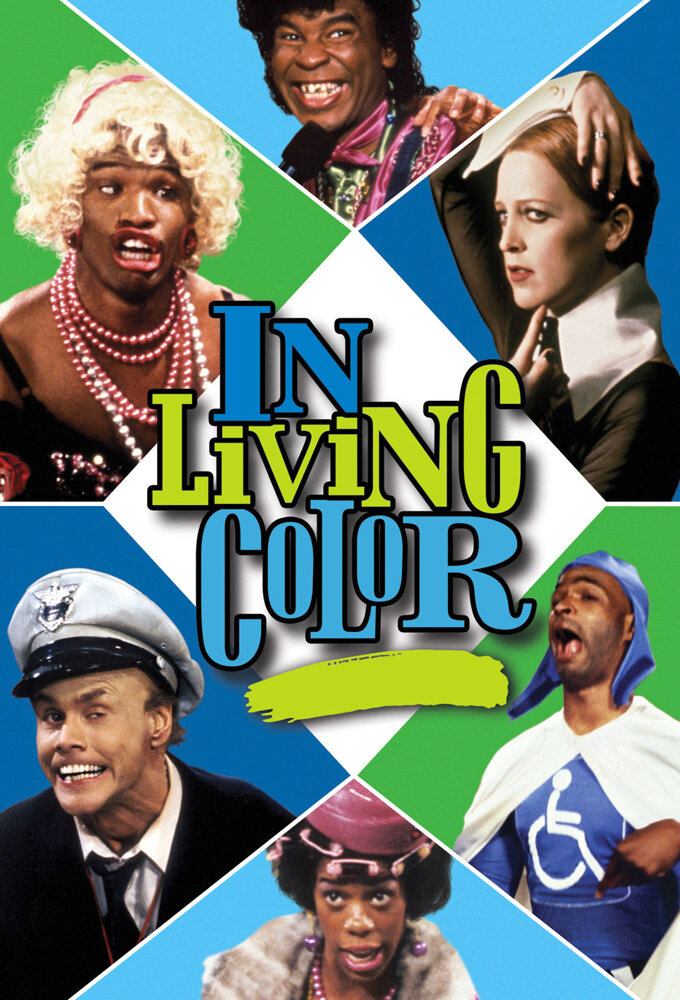
In Living Color1990
Sketch comedy built on sharp, sustained characters rather than throwaway bits, with an ensemble (Jim Carrey among them) doing exactly the kind of full-body transformation Ullman specializes in.
But More overtly political and racially pointed — a different comic target than Ullman's gentler character studies.
French and Saunders1987no page yet
Two British performers building entire comic universes through characters, parody and pure commitment to a bit — the closest British cousin to Ullman's shapeshifting.
But Duo chemistry, not solo virtuosity — you lose the eerie one-woman-army effect of watching Ullman become everyone.
The Catherine Tate Show2004no page yet
Another British performer building a stable of instantly recognizable recurring characters, sketch by sketch, with real craft in the accents and physicality.
But Narrower catalogue of characters repeated often — less range than Ullman's constantly expanding cast.
Portlandia2011
Fred Armisen and Carrie Brownstein play dozens of characters across a loosely themed sketch format, satirizing a subculture the way Ullman satirizes American types.
But Very specifically about one city's brand of hipster absurdity — a narrower target than Ullman's broader American panorama.

Documentary Now!2015
Full transformation-based comic performances (Fred Armisen and Bill Hader vanishing into characters) in service of parody, with the same delight in commitment over punchlines.
But Mockumentary format rather than character-sketch variety show — a cousin, not a sibling, in structure.

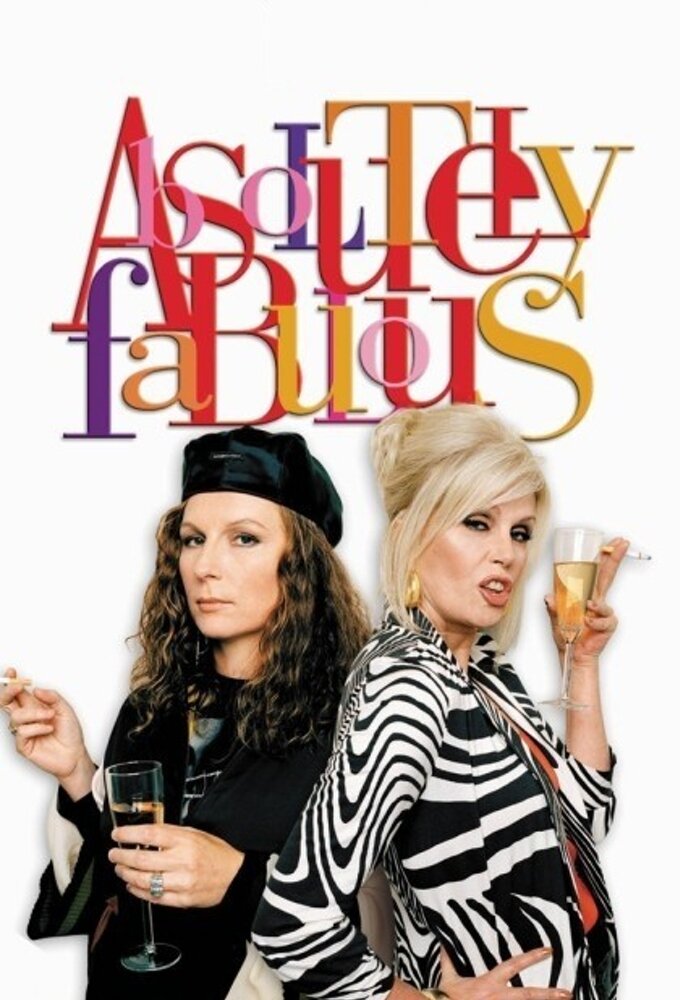
Absolutely Fabulous1992
Jennifer Saunders and Joanna Lumley build two enormous, grotesque comic characters and just live in them — the same appetite for excess and specificity that fuels Ullman's best sketches.
But A sitcom with two fixed leads, not a rotating showcase — you don't get Ullman's dizzying range of personas.
Da Ali G Show2000
Both use total immersion in invented personas to reveal something about class, prejudice and identity — but Ullman does it safely inside a studio, while this version sends the character out to ambush reality itself.
Sacha Baron Cohen fully inhabits invented characters and sends them into the real world to interview unsuspecting real people, exposing prejudice and absurdity through pure commitment to the bit.
But Confrontational and often cruel to its unwitting subjects — a much rougher, riskier register than Ullman's affectionate character work.

People
Cast
 Tracey UllmanVarious Characters