
Television series
Timmy Time
- Comedy
- Light-hearted
- Dip in and out
Timmy Time is a gentle stop-motion animated series following a lamb navigating nursery school with his friends. Each ten-minute episode captures the small dramas of early childhood—sharing toys, making friends, managing feelings—with warmth and humour. It's designed for preschoolers but structured thoughtfully enough that parents won't mind watching repeatedly. Pure comfort viewing.
If you liked this
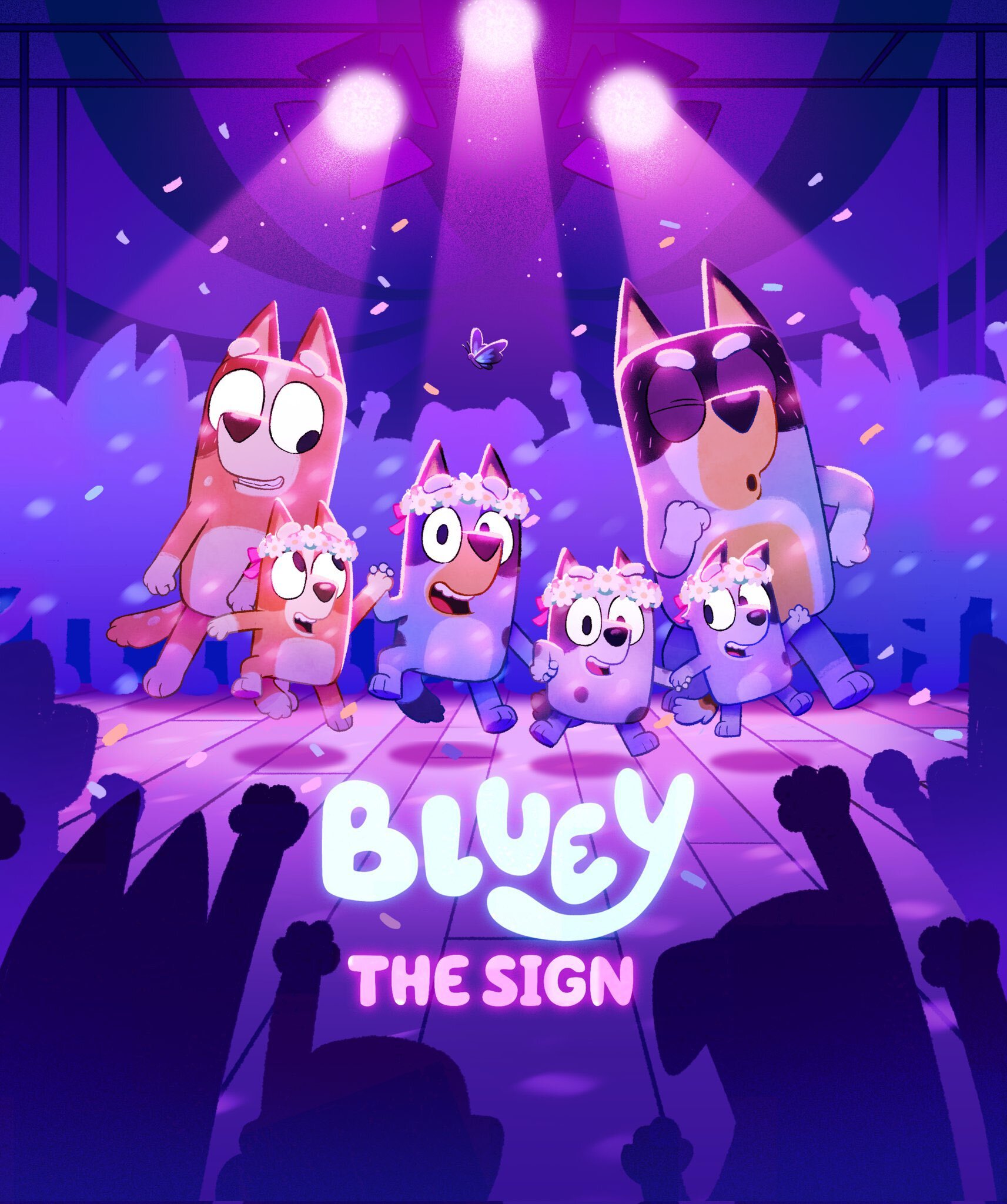
Bluey2018
A masterclass in preschool storytelling that treats children's inner lives with genuine respect. Each episode mines real emotional truth from ordinary moments—sibling rivalry, disappointment, imagination—while remaining joyful and funny.
But If you're not watching with a young child, it may feel slight. The humour skews deliberately gentle rather than clever.
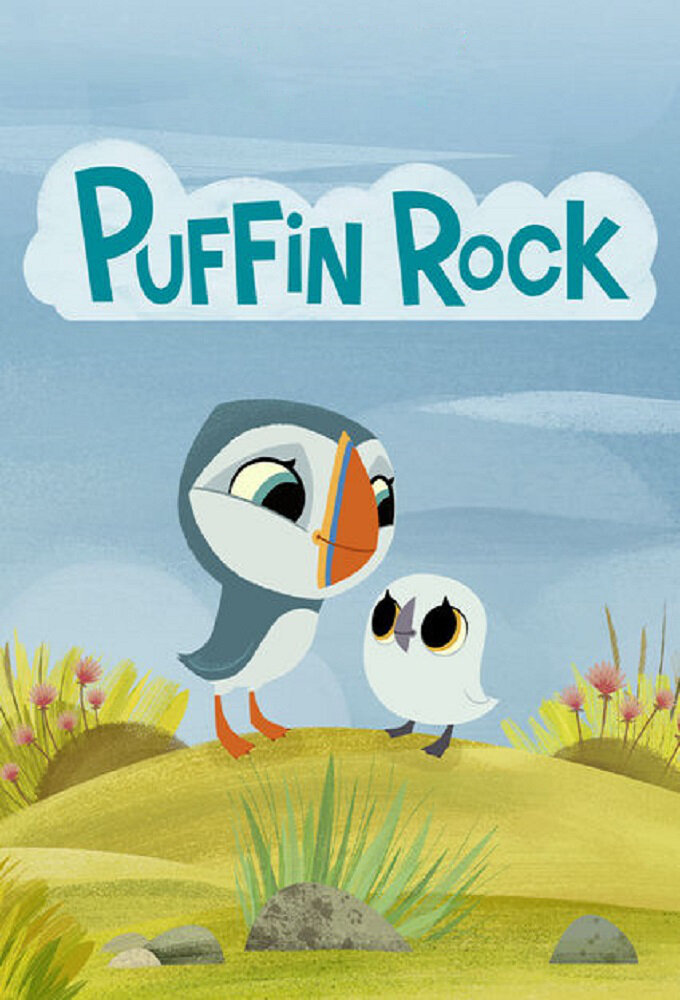
Puffin Rock2015
Narrated by Chris O'Dowd with genuine warmth, this Irish stop-motion series about a curious puffin discovering nature has a contemplative, almost meditative quality. Beautiful animation and genuine curiosity about the world.
But The pacing is leisurely and there's minimal conflict. If you prefer plot-driven narratives, this is pure mood and observation.
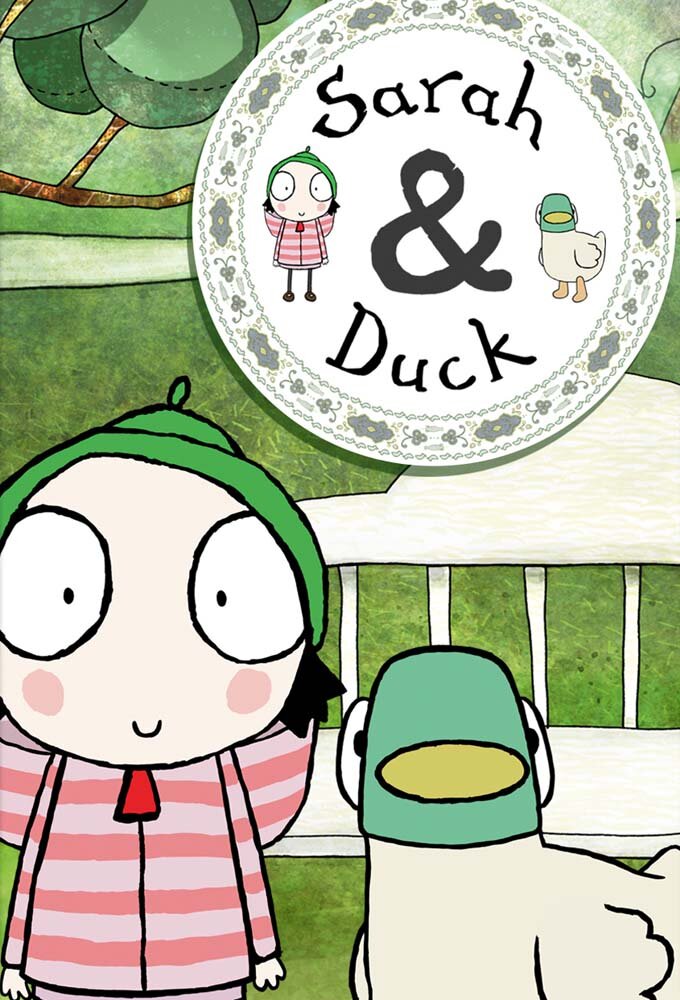
Sarah & Duck2013
Stop-motion featuring a girl and her duck-friend solving strange, whimsical problems. It's imaginative without being manic, funny without trying too hard, and structured around genuine warmth between characters.
But The logic is dream-like and intentionally non-linear. Some viewers find the lack of conventional structure frustrating rather than liberating.
Not sure tonight? Get a pick in a minute, starting from Timmy Time
The wildcard
Something you would not have found on your own.
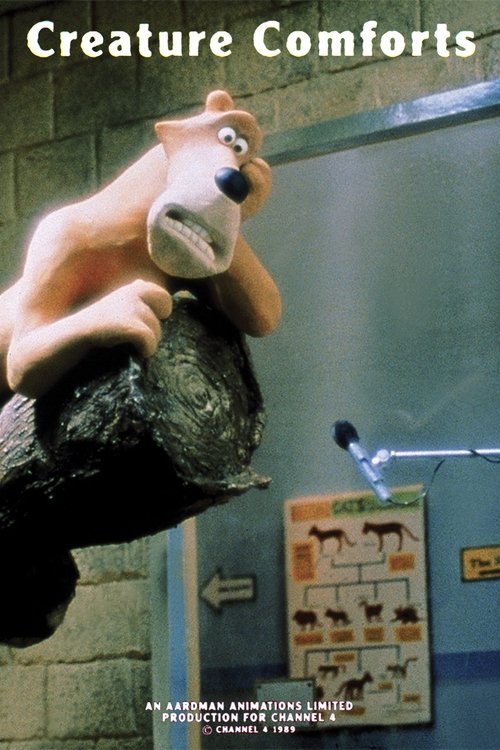
Creature Comforts1989
Both use stop-motion to explore small moments of connection and feeling. Where Timmy Time focuses on preschool social learning, Creature Comforts uses the same medium to reveal the interior lives of adults—same formal language, opposite registers.
Aardman's Oscar-winning stop-motion short reimagines a zoo documentary with real human voices—a pensioner, a young couple, a teenager. It's formally innovative, genuinely moving, and demonstrates that animation can carry real emotional weight without being didactic.
But It's only 5 minutes and can feel incomplete if you're expecting narrative arc. The melancholy underneath the humour will surprise you if you assumed animation = lightness.
More like this (6)
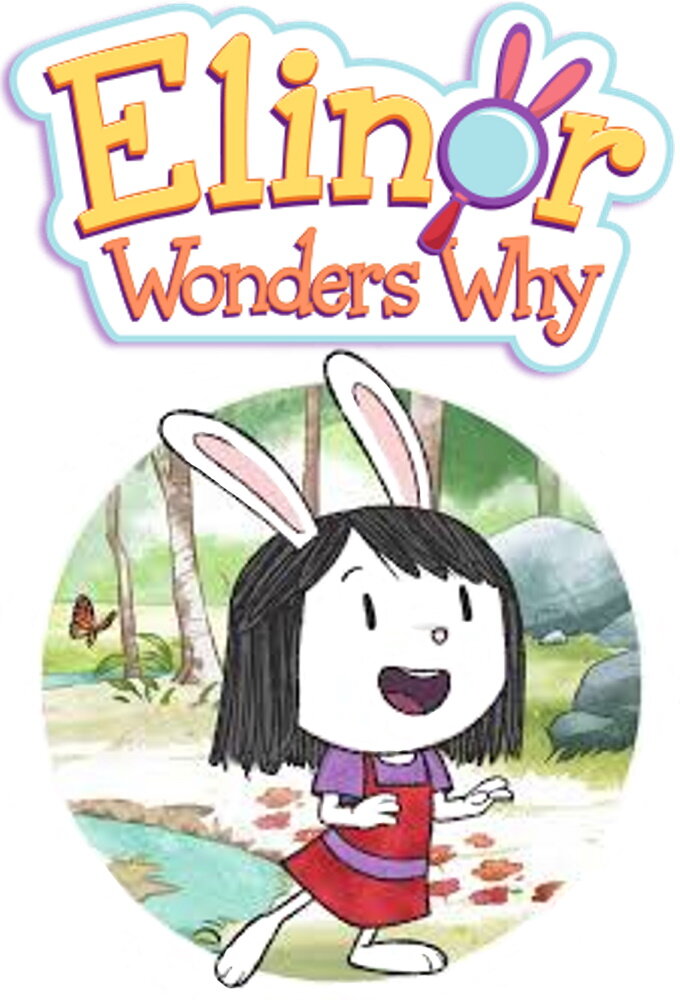
Elinor Wonders Why2020
A naturalist adventure series that actually teaches observation skills while telling entertaining stories. Character-driven, genuinely curious about the world, and respectful of its young audience's intelligence.
But Educational intent is visible on screen. If you prefer entertainment to be entirely entertainment-shaped, the learning agenda may feel present.
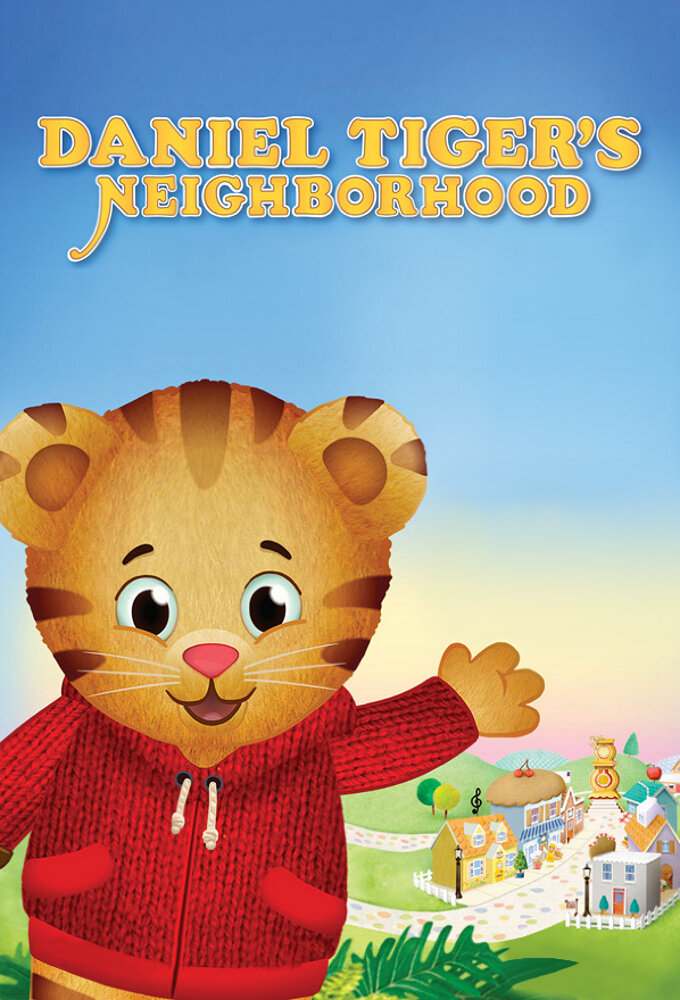
Daniel Tiger's Neighborhood2012
Honest about the texture of early childhood—frustration, jealousy, confusion—while modelling emotional regulation without being preachy. The songs are genuinely catchy and the problems feel real.
But It's explicitly didactic. The episodes follow a clear teaching structure that some find transparent to the point of mechanics-showing.
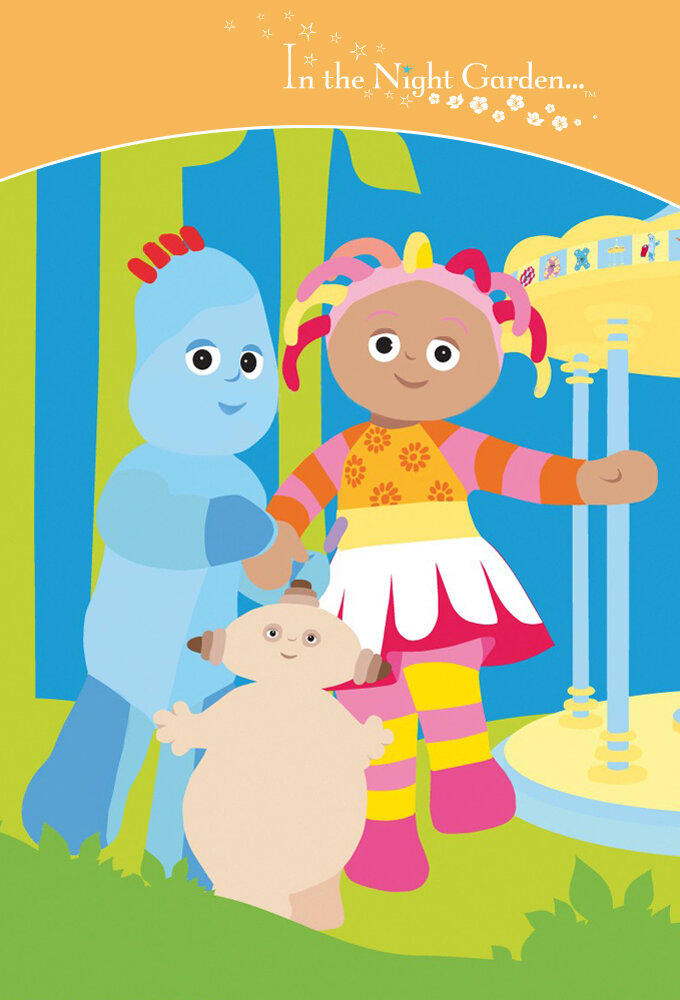
In the Night Garden...2007
Hypnotic, almost meditative stop-motion world populated by strange gentle creatures. The lack of dialogue and logic is intentional—it's designed to calm rather than stimulate, which is a genuine service.
But The repetition and lack of conventional narrative confuse adults expecting plot. Some find it creepy rather than soothing.
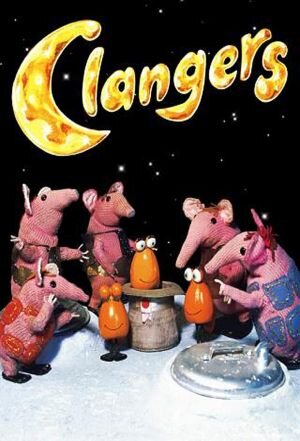
Clangers1969
Stop-motion from the creator of Soup Dragon, about small creatures on a planet. Sweet, imaginative, and genuinely odd in a way that respects children's capacity for the strange and unfamiliar.
But It's low-energy and short on obvious plot momentum. The humour is subtle and some will find the pacing too slow.
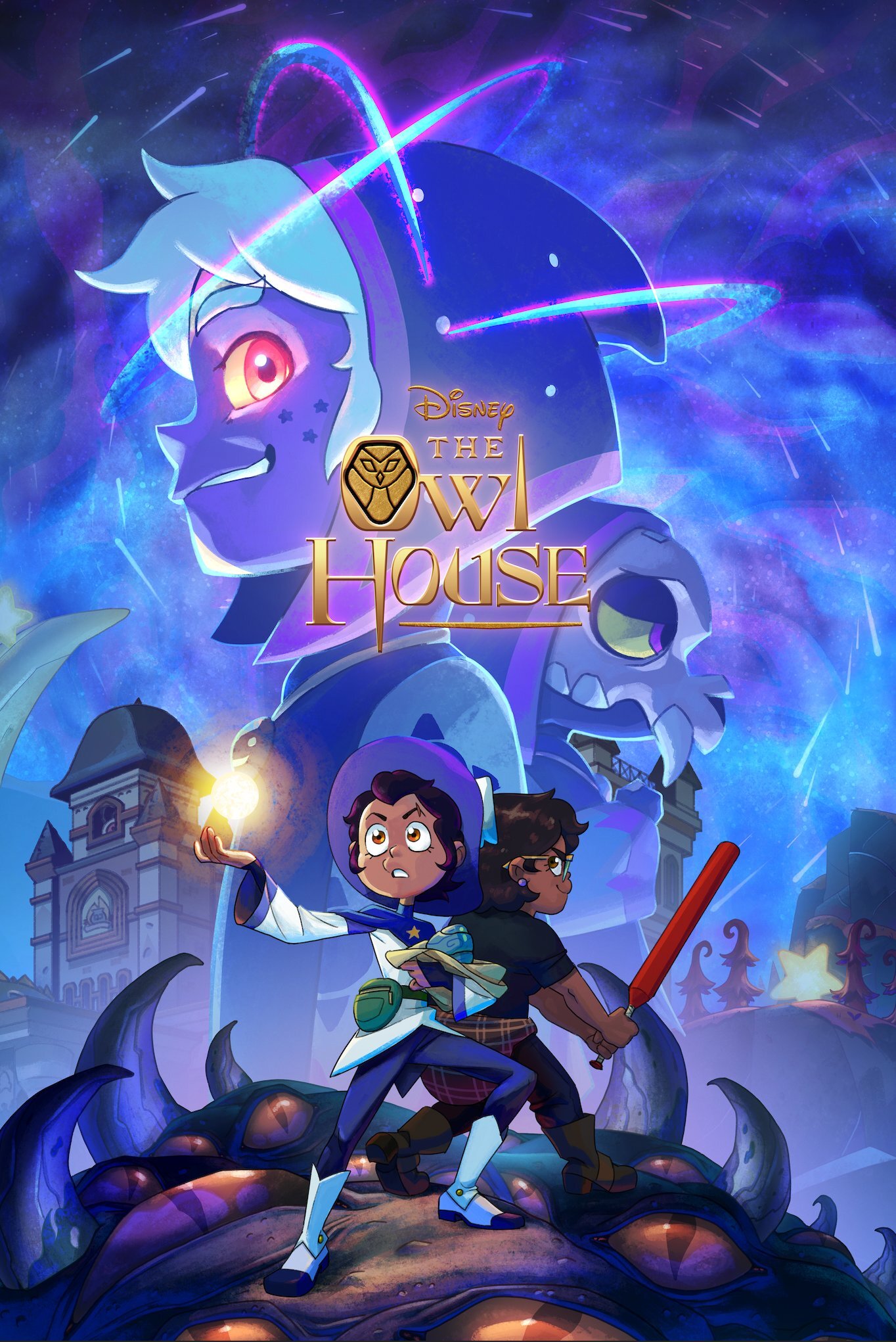
The Owl House2020
Both centre on a young protagonist learning to navigate community and friendship, but where Timmy Time frames this as nursery-school gentle discovery, The Owl House proves the same core engine drives sophisticated storytelling for older audiences. Same question—how do you belong?—answered at different ages.
A Disney animated series about a girl transported to a demon realm. What matters: it's character-driven, genuinely funny, unafraid of real emotional stakes, and structured around found family and belonging. It respects its audience.
But It's aimed at older children and teenagers, not preschoolers. The tonal range is much wider—genuinely dark moments sit alongside comedy, which might feel jarring.
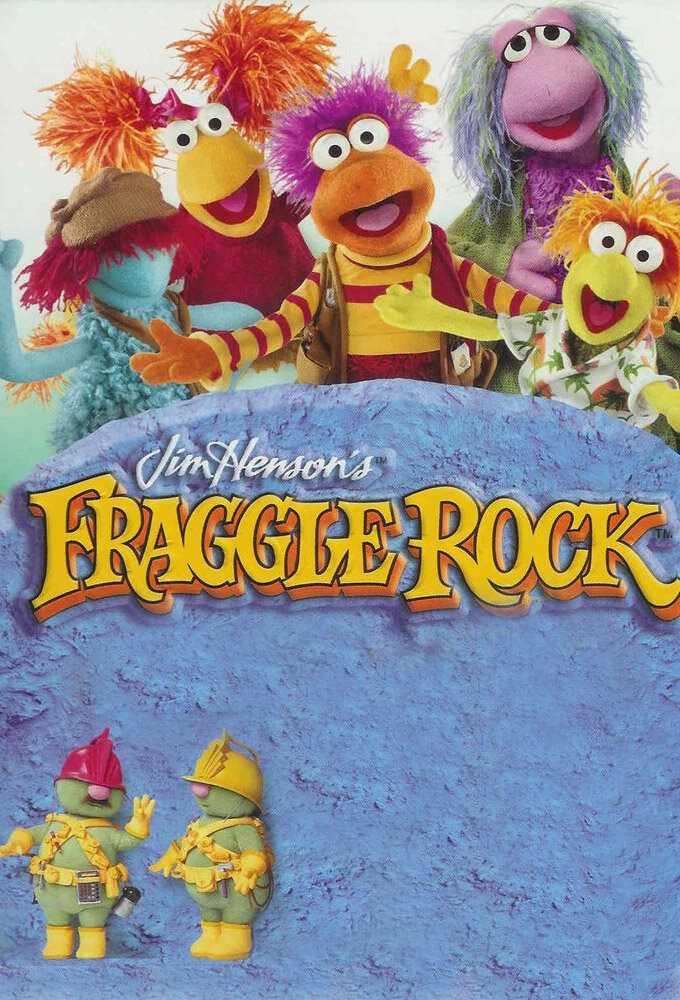
Fraggle Rock1983
Both are fundamentally about small communities learning to live together—Timmy Time in nursery, Fraggles underground. But Fraggle Rock is the proof that the template works at greater length and complexity. Same emotional DNA, vastly ambitious scope. Where Timmy Time is ten minutes of belonging, Fraggle Rock builds a whole civilization around the same principle.
Jim Henson's puppet series about creatures in an underground world. It's imaginative, strange, and emotionally honest in ways that feel ahead of its time. Each episode builds genuine stakes from character relationships, never talking down to children.
But It's from 1983 and looks it. The puppetry is beautiful but the production values feel dated. Some found it genuinely unsettling rather than comforting.
People
Writing
- Jackie CockleCreator