
Television series
The New Statesman
A viciously funny satire of 1980s British politics where Rik Mayall plays Alan B'Stard, a Conservative MP so transparently venal and depraved that his self-interest becomes absurdist art. It's Blackadder in a three-piece suit: sharp, nasty, and laugh-out-loud cruel. For anyone who loves their comedy pitch-black and their targets powerful.
If you liked this
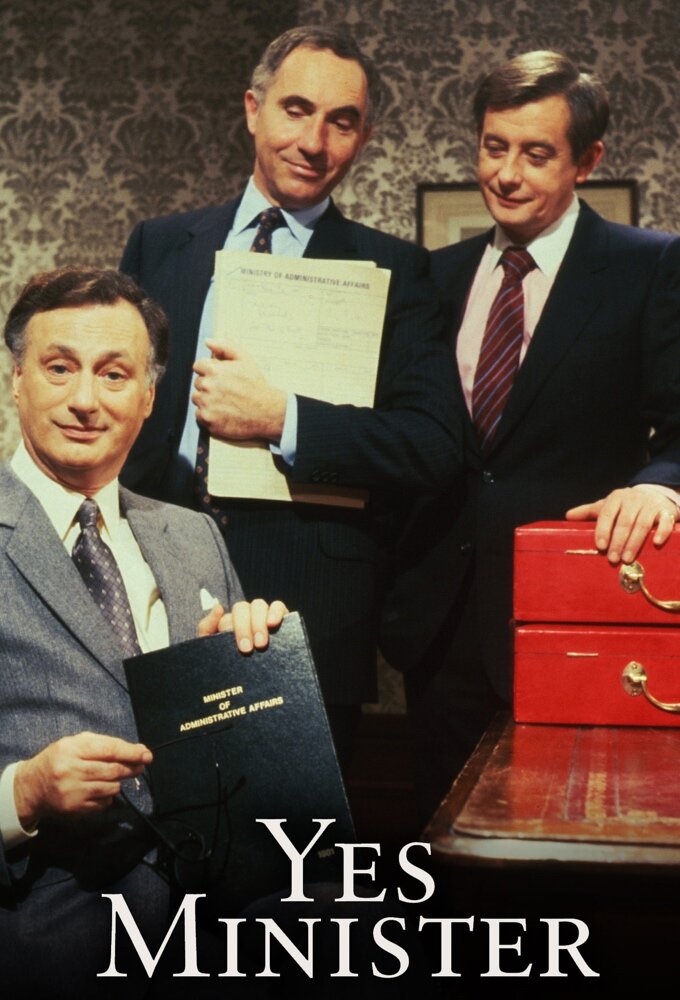
Yes Minister1980
The template for British political comedy: witty, structural, obsessed with the gap between what politicians say and what they actually do. If you loved B'Stard's scheming, this invented the language for it.
But It's gentler and more intellectual than The New Statesman—less interested in B'Stard's personal depravity and more in procedural cleverness. Some find it a bit cosy.
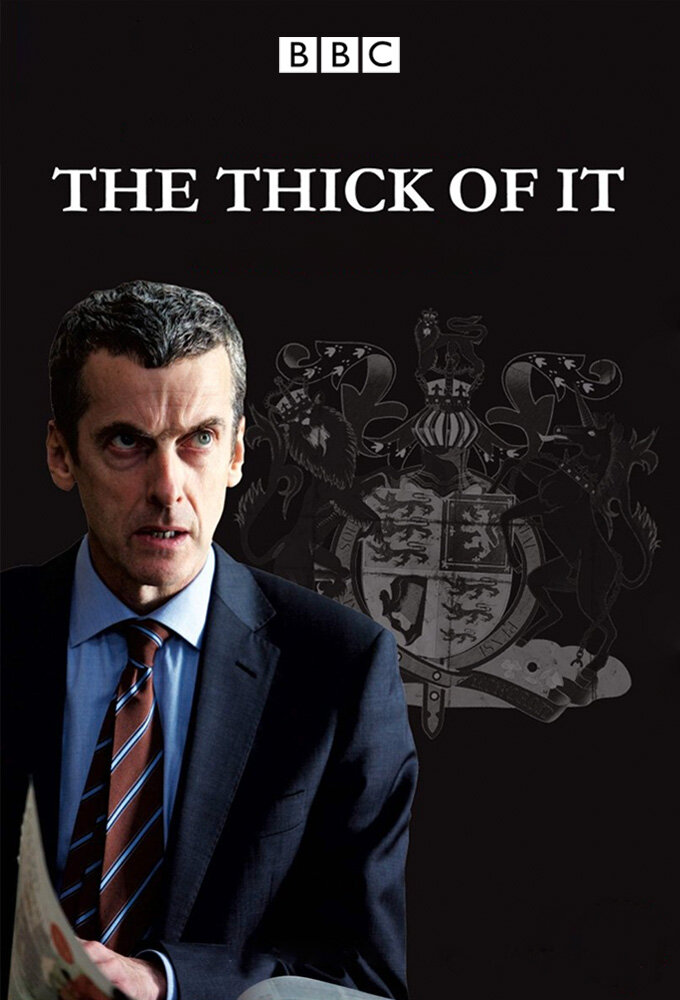
The Thick of It2005
Modern heir to B'Stard's brand of political satire: a government where everyone is visibly corrupt, stupid, or both. Faster, crueler, and driven by volcanic swearing. Genuine anger under the jokes.
But Contemporary setting and thick British obscenities feel unpleasantly close to reality rather than exaggerated theatre. Bleak in ways The New Statesman never is.
Drop the Dead Donkey1990
Same era, same strain of anarchic British workplace comedy. A newsroom where everyone is scrambling and morally bankrupt. Sharp writing, ensemble cast firing on all cylinders.
But More about systems and groups than about one monster character. If you're watching for Mayall's energy and a central villain, this distributes things differently.
Not sure tonight? Get a pick in a minute, starting from The New Statesman
The wildcard
Something you would not have found on your own.
Absolute Beginners1986
Both are deeply cynical about British society and power, both use visual flair and performance excess instead of plot logic, both directed (in form) at a specific historical moment of moral collapse.
Julien Temple's music-film dystopia of 1950s London is driven by the same contempt for power and the same visual anarchism. A B'Stard would fit perfectly into this world of hustlers and con-men. Utterly strange and alive.
But It's a musical with experimental structure and a not-quite-coherent narrative. If you're expecting plot clarity, it's a baffling, sometimes infuriating watch.

More like this (6)
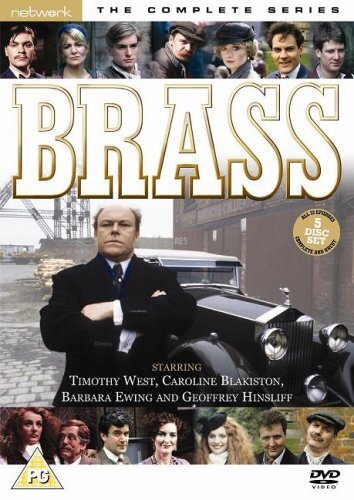
Brass1983
Bitter satire of Victorian hypocrisy from the same creative DNA. Corruption and scheming played at a higher dramatic temperature, with wonderful character work underneath the cynicism.
But Period setting and slightly more grounded approach means it feels less anarchically funny and more like a proper drama that happens to be satirical.
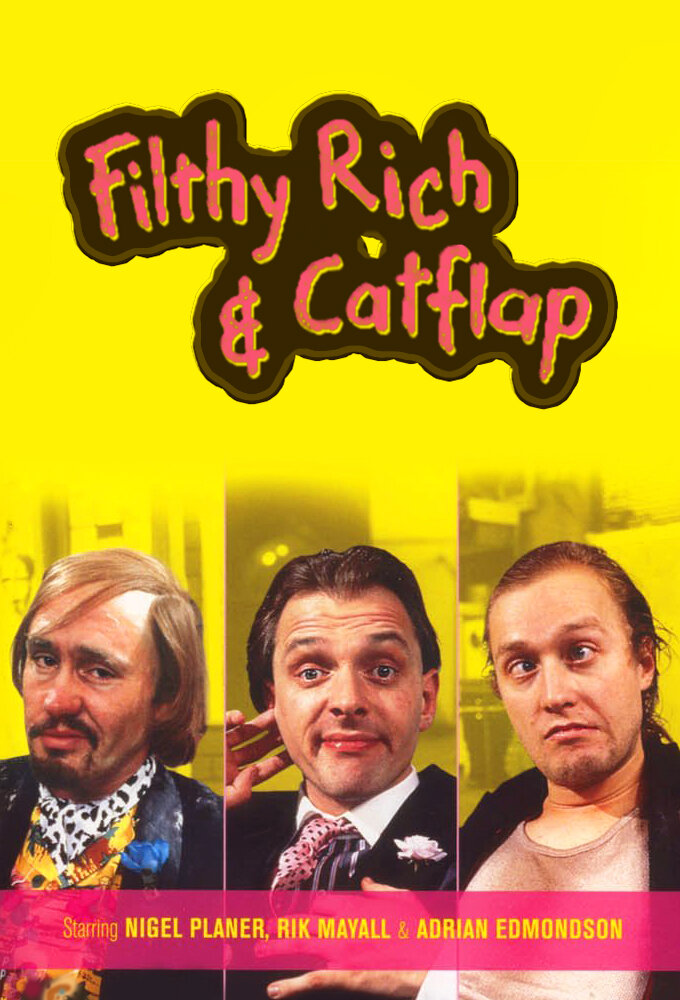
Filthy Rich & Catflap1987
Rik Mayall vehicles from the same moment: three self-serving men in one flat, every transaction a negotiation, every line potentially a lie. Same actor, same comedic DNA.
But Less focused narrative, more reliant on sketch logic and pure personality. No overarching political structure to hang jokes on.
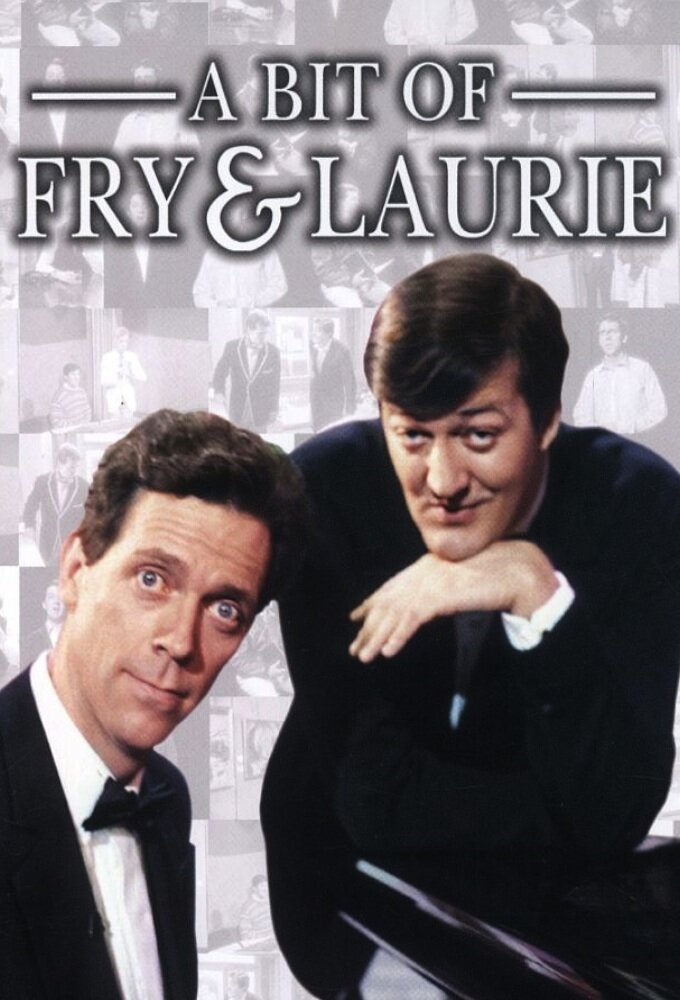
A Bit of Fry and Laurie1987
British sketch comedy of the same era, equally smart and chaotic. Quick-witted, absurdist, unafraid of sharp edges. If you love the writing in The New Statesman, this shows what else was happening in late-80s British comedy.
But Sketch format means no sustained character or plot. Some bits land better than others. Entirely different engine from narrative satire.
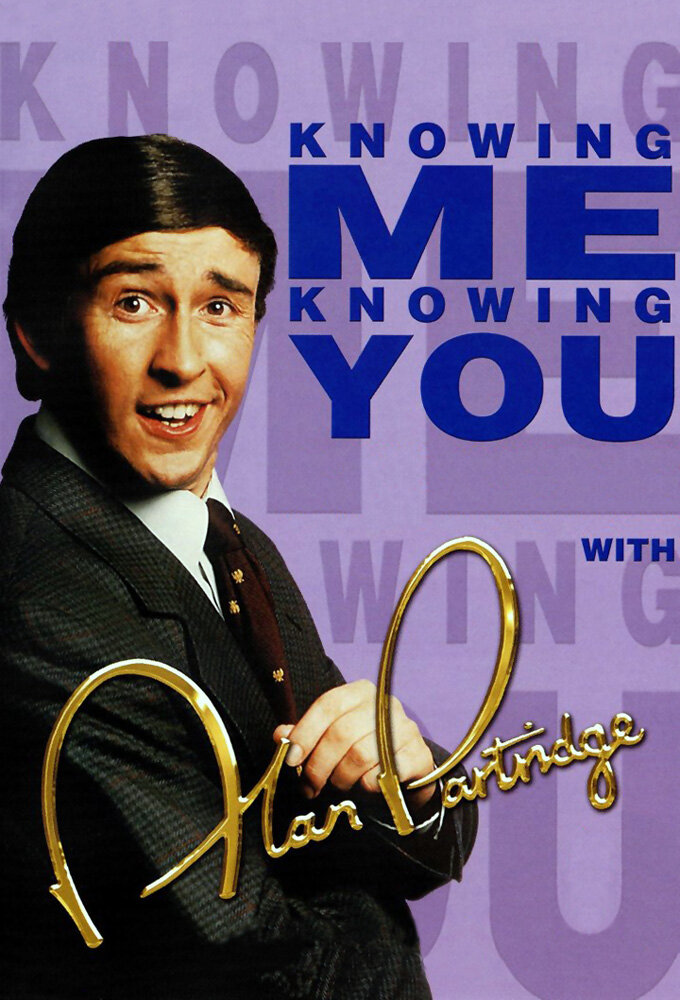
Knowing Me, Knowing You with Alan Partridge1994
A different shape of British satire: the talk-show host as delusional egomaniac. Painfully uncomfortable comedy about a man who is fundamentally repellent. Same moral universe as B'Stard, different texture.
But Much cringe-based, which means watching it requires tolerating genuine awkwardness. Partridge is sad; B'Stard is gleeful. Very different experience.
Days of Rage2019
Both follow a protagonist who will do anything to survive and prosper; both are disgusted by power but make the disgusting person compelling to watch. One is grotesque comedy, the other is tragic realism of the same impulses.
A miniseries examining political violence and amoral ambition in 1970s Italy. Treats ruthlessness with the same unflinching eye The New Statesman brings to political depravity—but absolutely seriously, not as farce. Gripping and morally complex.
But No laughs. The tone is bleak and tragic. If you want the comedy removed from cynicism about politics, this is it—some viewers will feel duped by the genre shift.
La Haine1995
Both are scathing about hierarchies and who benefits from them; both argue that the system itself is the villain, not individual bad actors; both use formal inventiveness to express contempt.
Mathieu Kassovitz's black-and-white fury about youth, class, and rage in Paris. Structurally it mirrors B'Stard's moral logic: systems corrupt everyone, the powerful are contemptible, dignity is for the naive. Shot like a manifesto.
But French, deliberately ugly to watch, absolutely devoid of humour. The argument about power is made through grim realism, not comic exaggeration. Very heavy going.

People
Cast



Writing
- Laurence MarksCreator
- Maurice GranCreator