
Television series
The Magic Roundabout
A surreal children's series from 1965 featuring a cast of anthropomorphic animals and objects navigating a whimsical, often nonsensical world. Shot in a style that feels like watching someone else's dream—charming, occasionally baffling, utterly unlike anything else on children's television. For viewers drawn to pure imaginative strangeness and the peculiar appeal of genuine vintage oddness.
Should you watch it?
Watch it if you enjoy gentle, slightly surreal nonsense where the jokes are dry and the pace is unhurried enough to catch the odd detail, especially in small doses.
Skip it if you want a story that builds toward something; each brief episode is a loose wander with little momentum, and the repetition can wear thin across 224 of them.
What it asks of you: Each episode runs about five minutes and asks little, so it suits dipping in and out rather than sitting through long stretches at once.
Not sure? Find tonight's pick in a minute.
If you liked this
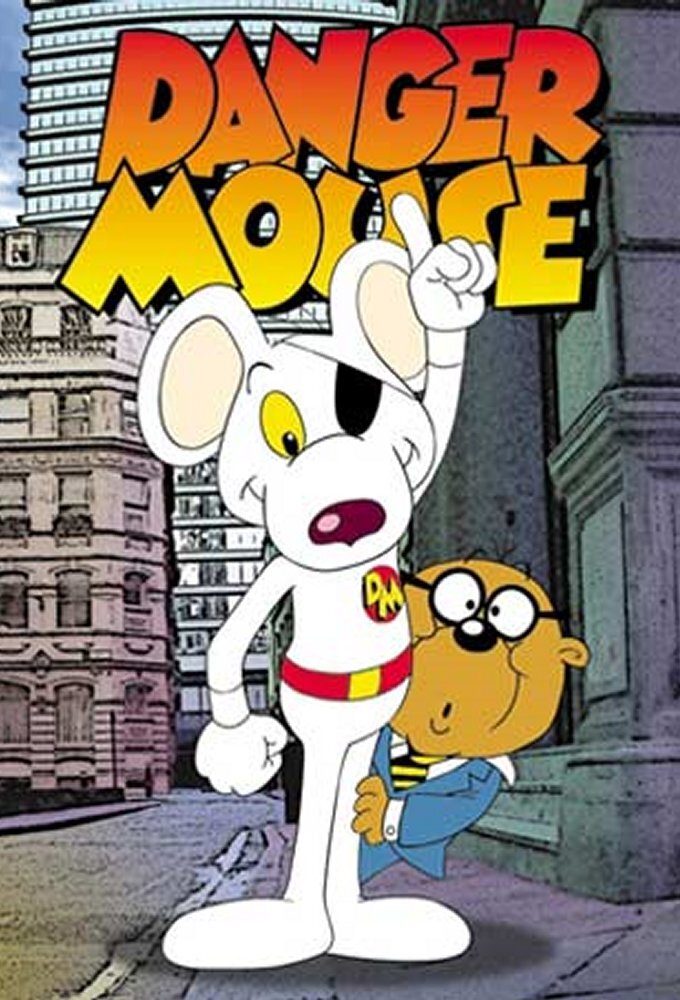
Danger Mouse1981
A secret agent mouse and his hamster sidekick solve crimes in a style that captures the same absurdist adventure spirit, with bright colours and ridiculous scenarios played entirely straight.
But The humour is very much of its era, and the animation is deliberately cheap—which is part of the charm, but not everyone finds that charming.
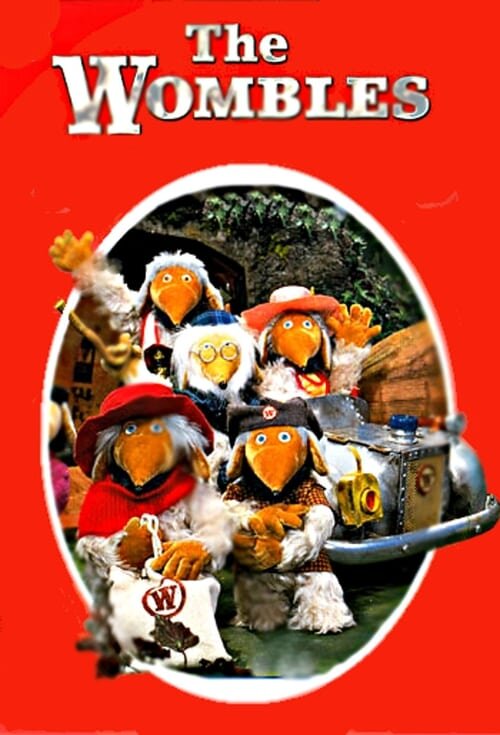
The Wombles1973
Another British children's series with an eccentric ensemble cast solving gentle mysteries. There's the same commitment to weird world-building and the same cosy-but-surreal atmosphere.
But Even by 1970s standards it's paced oddly, and the appeal rests entirely on tone rather than plot momentum.
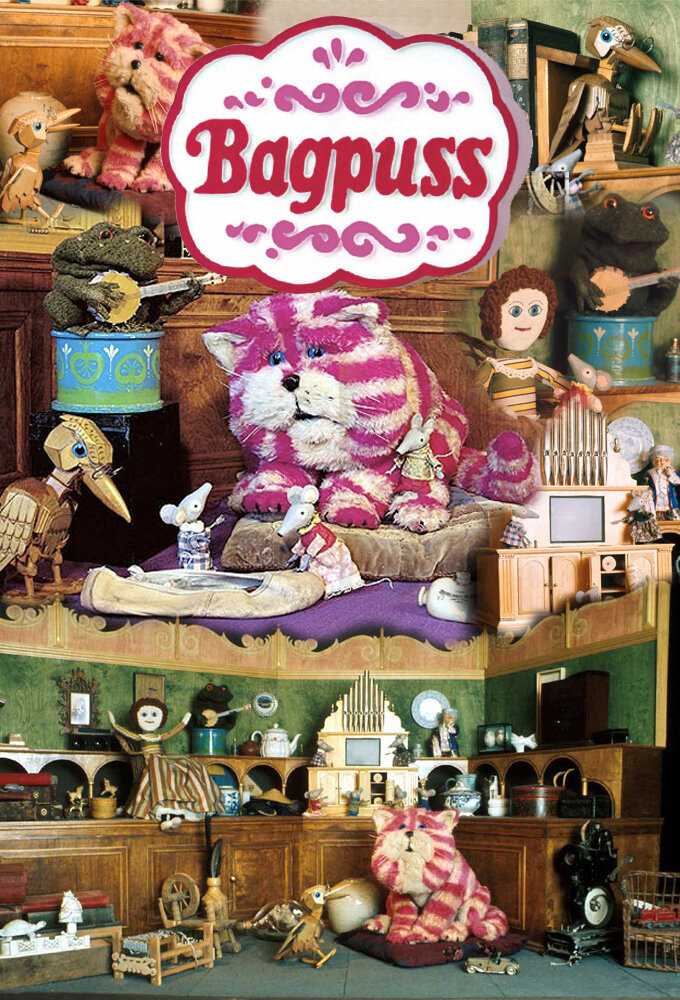
Bagpuss1974
Stop-motion British children's television at its most hypnotic. A ragdoll cat and his friends in a dusty shop—gentle, strange, utterly original. Oliver Postgate's masterpiece.
But Nothing really happens. If you need plot or rapid pacing, this will feel like watching paint dry, albeit beautiful paint.
Not sure tonight? Get a pick in a minute, starting from The Magic Roundabout
The wildcard
Something you would not have found on your own.
Synecdoche, New York2008
Both present fully-realised worlds where nothing needs to be logical, only emotionally true. Both reward viewers willing to accept weirdness as its own justification.
Charlie Kaufman's film shares The Magic Roundabout's commitment to unexplained logic and dream-like coherence—a world where the rules don't quite match reality but feel internally consistent. Bewildering, hypnotic, genuine art.
But It's a two-hour intellectual mindbender for adults, bleak and complex. If you watch Magic Roundabout for comfort, this will disturb you.

More like this (7)
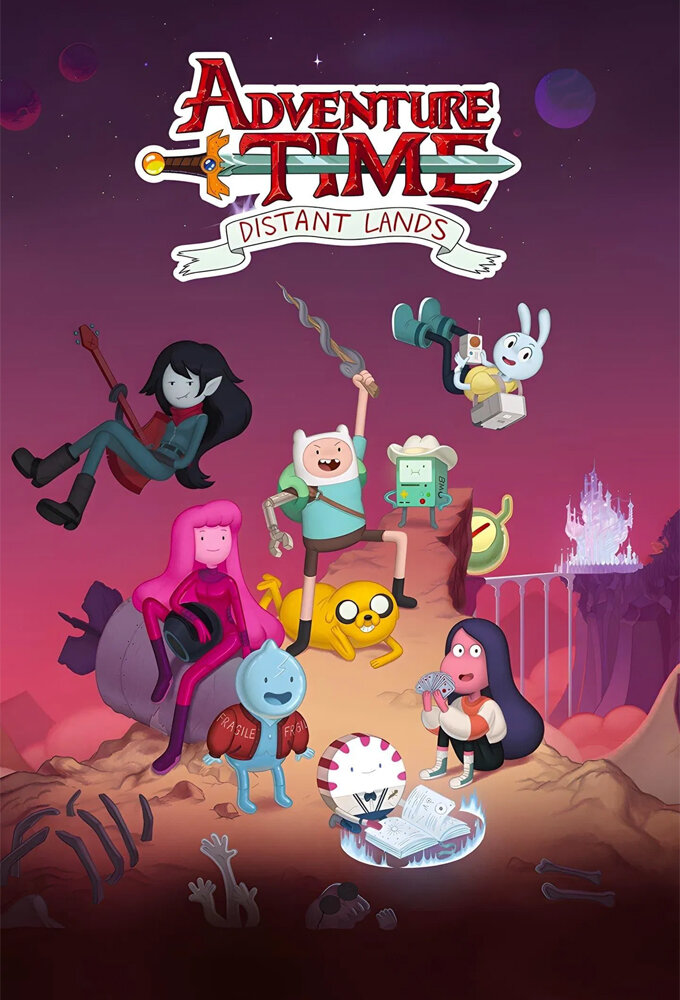
Adventure Time: Distant Lands2020
A modern series that captures the same anarchic imagination and willingness to let episodes be genuinely weird rather than play it safe for children.
But It's deliberately younger in tone than The Magic Roundabout, and the animation style won't appeal if you prefer vintage aesthetics.
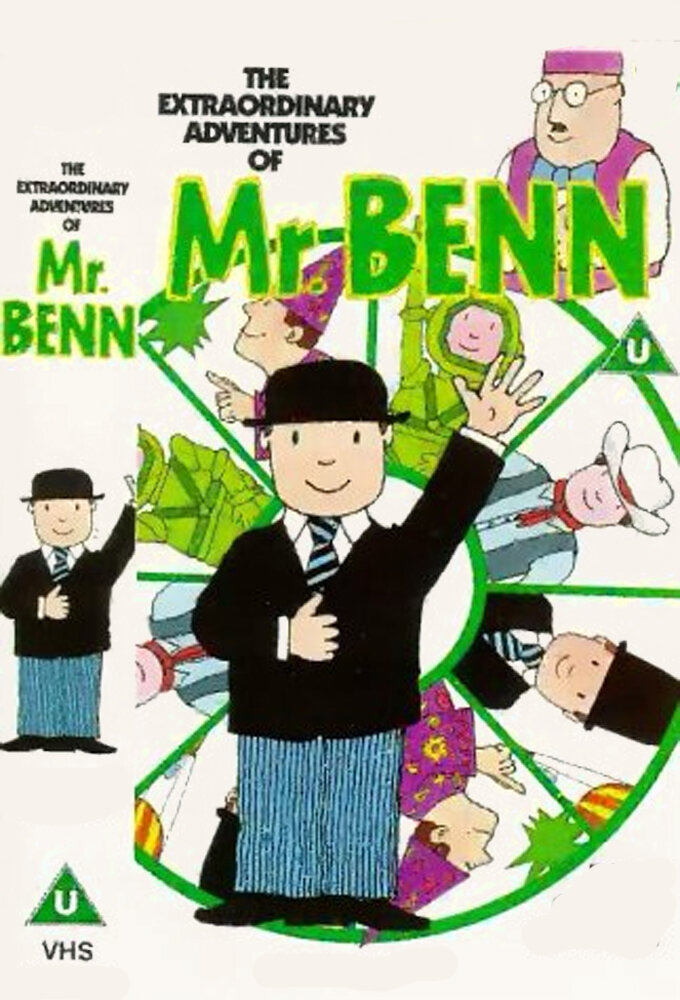
Mr. Benn1971
Another British gem featuring a man who enters a magical fancy-dress shop and has adventures. Same gentle surrealism, same cosy-yet-uncanny vibe.
But Episodes are extremely short and the plots are thin—it's all mood and world, no substance.
Aqua Teen Hunger Force2000
American absurdist animation where the surrealism isn't trying to explain itself or resolve neatly. Episodes often go nowhere and that's the entire point.
But It's for adults, crude, and has no real narrative arc—completely opposite in audience but similar in philosophy.

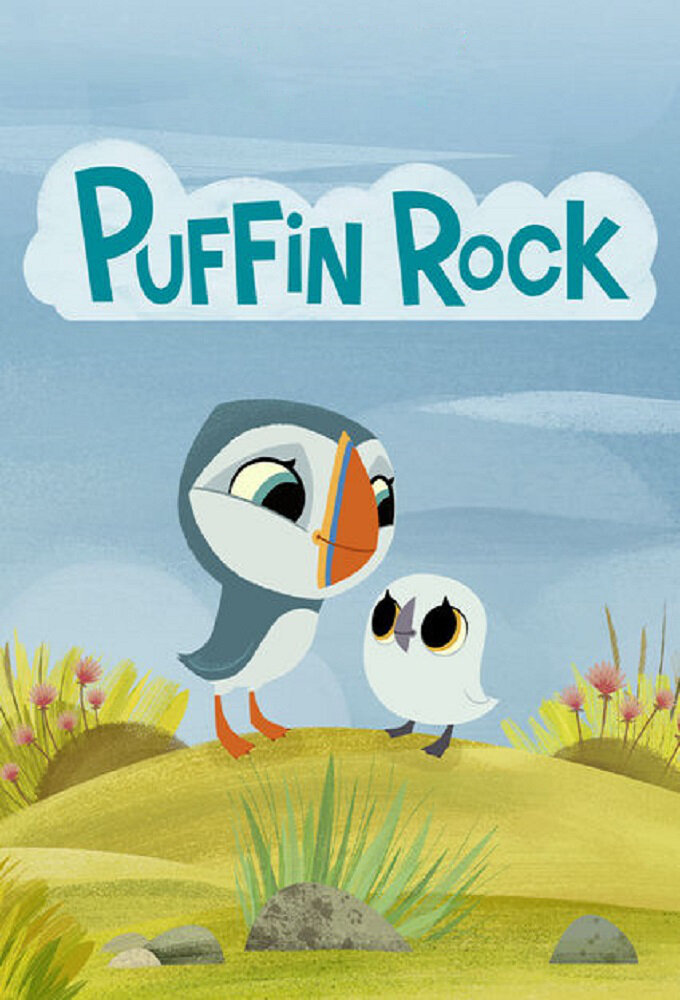
Puffin Rock2015
Narrated by Chris O'Dowd with a dreamy, almost meditative quality. Two puffins explore an Irish island with a similarly gentle, imaginative approach to adventure.
But Contemporary animation and contemporary values—it's calmer and more narrative-focused than The Magic Roundabout's chaos.
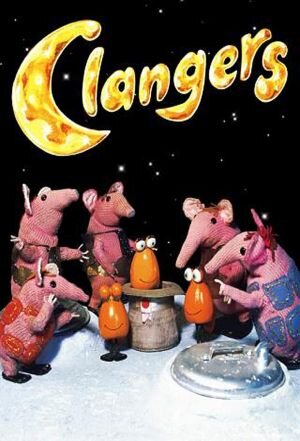
Clangers1969
Postgate and Firmin's other masterpiece: whistling aliens living inside a planet. Quieter than The Magic Roundabout but equally strange and oddly moving.
But It's extremely quiet and contemplative, with almost no dialogue. If you want noise and action, you'll find it tedious.
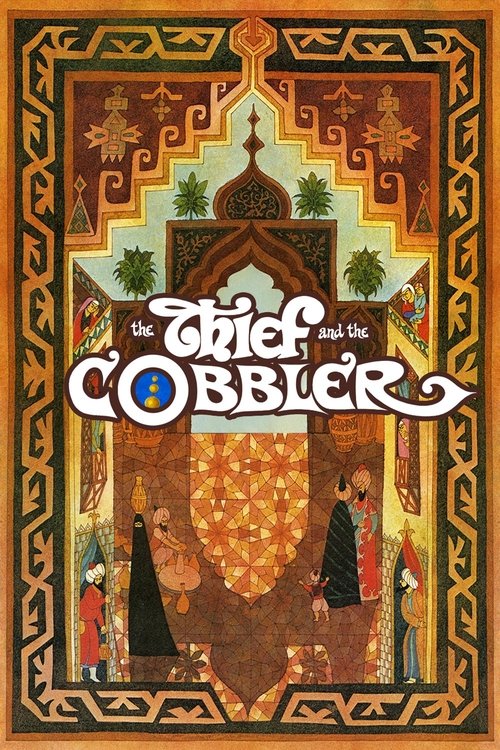
The Thief and the Cobbler1993
Both trust visual weirdness and colour to convey everything. Both create worlds where logic is secondary to mood and image.
Richard Williams' animated epic is pure visual imagination—a silent film in a fantasy world with production design so baroque and strange it feels like looking at someone's intricate daydream made tangible.
But No dialogue, minimal plot, wildly uneven production quality due to a tortured production history. It's exhausting for viewers who need conventional storytelling.
Mulholland Drive2001
Both place you inside a dream and never apologise for how things connect. Both prove that coherent plot is negotiable; atmosphere and internal logic aren't.
Lynch's masterpiece operates in dream-logic space where scenes don't connect rationally but feel deeply, uncannily right. Visually rapturous, endlessly rewatchable, genuinely disorienting in the best way.
But Nearly three hours, sexually explicit, bleak as anything. If you love Magic Roundabout for whimsy, this will chill you to the bone.

People
Writing
- Serge DanotCreator
Recommended by
Clangers, Chorlton and the Wheelies, Bob the Builder, Button Moon, The Herbs, Muffin the Mule, Willo the Wisp, Bod