
Television series
The Long Song
A BBC drama set in 1830s Jamaica as slavery nears its end. July, an enslaved woman with fierce intelligence, navigates the brutal plantation hierarchy when a idealistic new overseer arrives. It's intimate and furious by turns—historical drama that refuses to soften its subject, centred entirely on the inner lives and agency of those the system was designed to erase.
Should you watch it?
Watch it if you want a sharp, sly voice telling a painful history, where the narrator's wit cuts against the cruelty around her and the costume drama turns on its own conventions.
Skip it if you want the horror of slavery shown head-on, since this one leans on wry asides and plantation intrigue that can blunt the brutality.
What it asks of you: Three one-hour episodes, paced as patient, talky drama rather than quick plot, so you will need to settle in and follow shifting loyalties across the whole run.
Not sure? Find tonight's pick in a minute.
If you liked this
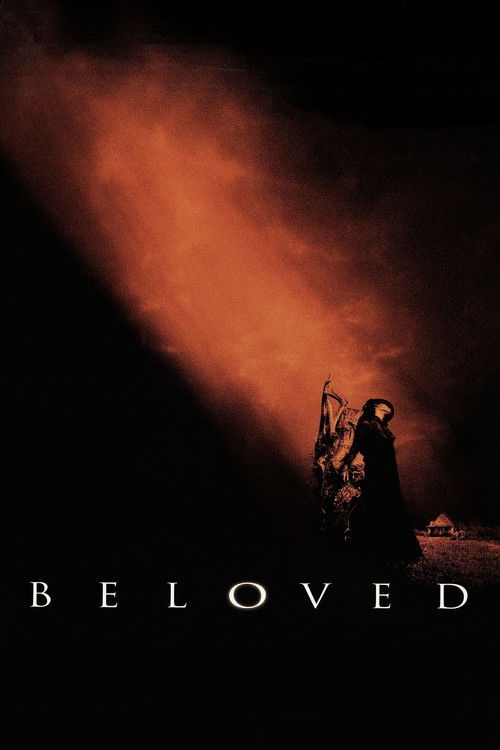
Beloved1998
Adapted from Morrison's novel, it centres an enslaved woman's interior world with unflinching honesty. Sethe's story demands the same attention to Black subjectivity and trauma that The Long Song does.
But The narrative structure is deliberately fragmented and dreamlike, which some find challenging rather than illuminating.
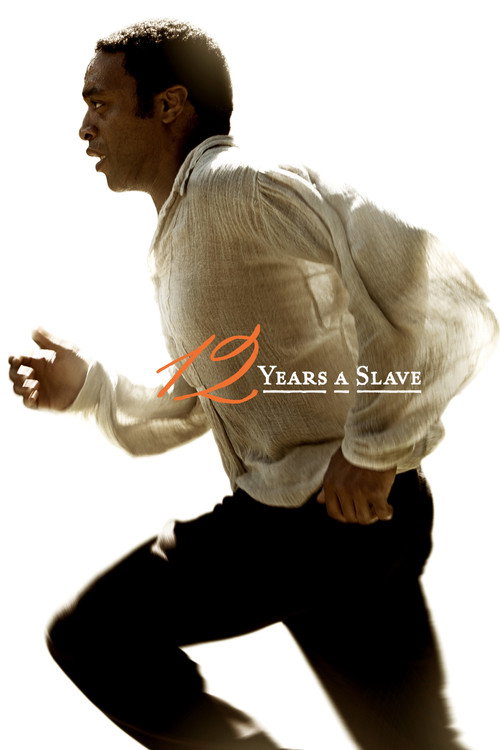
12 Years a Slave2013
McQueen's film is brutally precise about plantation economics and the psychological degradation slavery inflicted. Solomon Northup's testimony, like July's, insists on his full humanity against a system designed to deny it.
But It is very difficult to watch. The violence is not stylised or distanced, and that's entirely the point.
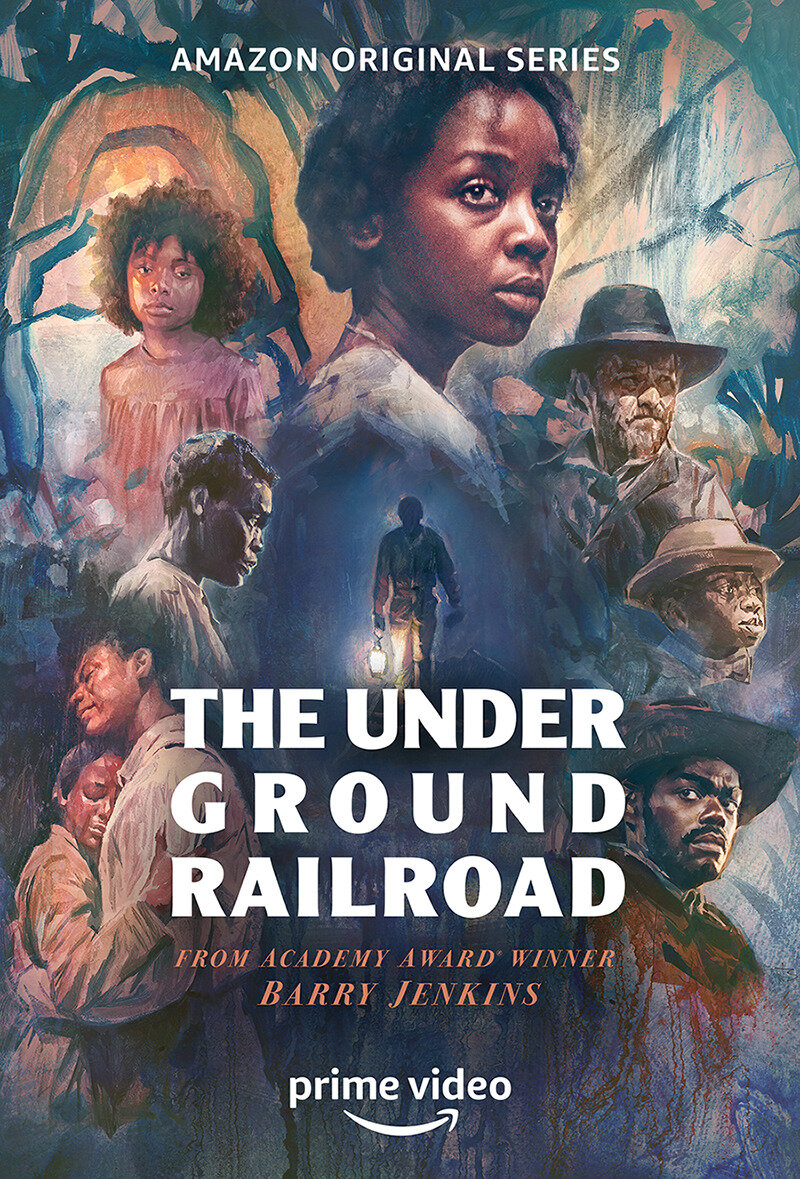
The Underground Railroad2021
Barry Jenkins directs this adaptation of Whitehead's novel with visual beauty that never softens the horror. It privileges the internal lives and agency of enslaved people navigating impossible choices.
But Like the source material, it's sometimes opaque and symbolic rather than plot-driven, which can feel abstract when the subject demands concrete weight.
Not sure tonight? Get a pick in a minute, starting from The Long Song
The wildcard
Something you would not have found on your own.
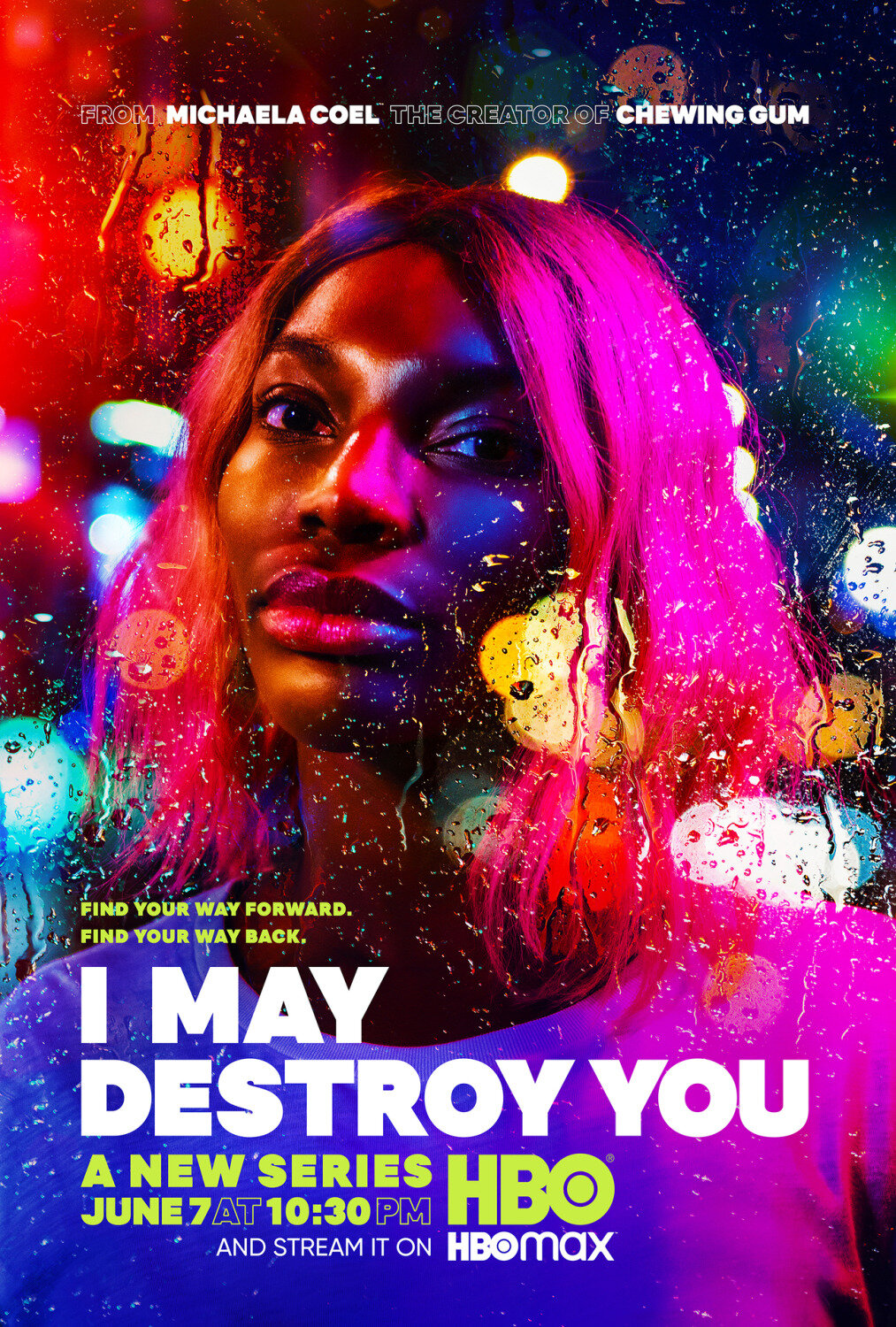
I May Destroy You2020
Both centre Black female subjectivity and agency as the story itself. Both refuse to make their protagonist's trauma the most important thing about her.
Michaela Coel's series about trauma, friendship and Black female joy in contemporary London. It's formally inventive, wickedly funny, and absolutely refuses the role assigned to it. The structural DNA—a woman refusing to be a victim, claiming narrative control—echoes July's resistance.
But It's set in present-day London and is comedy-drama, so it might feel tonally remote from historical trauma narrative. Some find its formal playfulness at odds with its serious subject.
More like this (4)
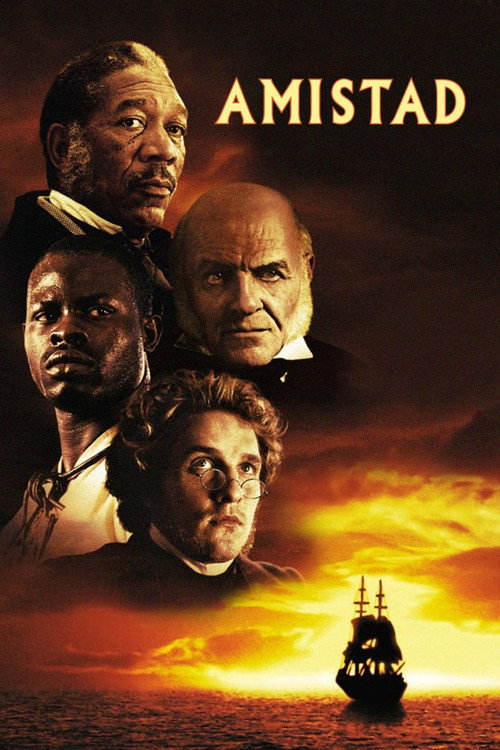
Amistad1997
Spielberg's courtroom drama about the slave ship rebellion. It's accessible and gripping, and it refuses to look away from the question: what do the enslaved owe their oppressors?
But It's more conventional in structure than The Long Song, and some of its earnestness can feel dated.
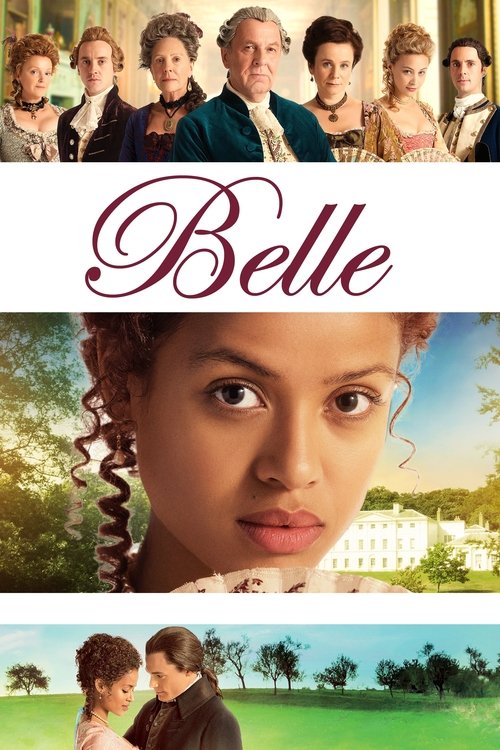
Belle2013
A portrait of Dido Elizabeth Belle, daughter of an admiral and an enslaved woman, navigating Georgian society. It explores hybrid identity and the moral compromises the privileged make to maintain comfort.
But It's genteel by design, which can blunt the force of its political questions if you're hungry for rawer drama.
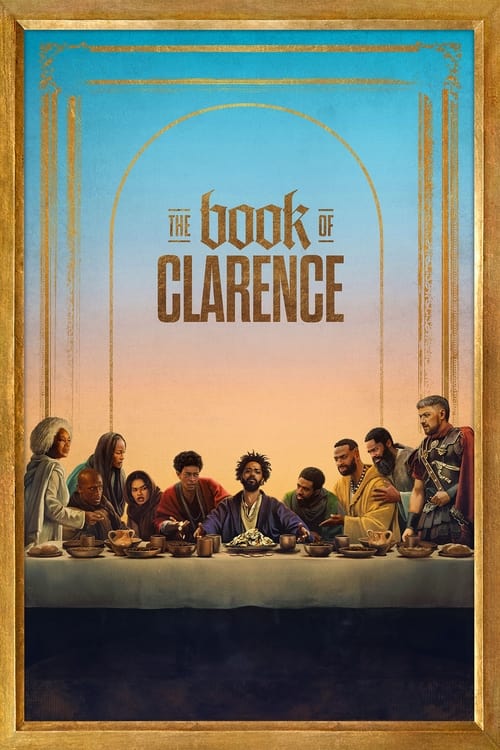
The Book of Clarence2024
Directed by Matilda Ibini, it's a radically inventive comedy set during slavery in the antebellum South. It claims the right to humour, irreverence and anachronism—a different register, but the same refusal of solemnity.
But Its tonal shifts and comedy might feel disrespectful to those expecting gravity on this subject. It's deliberately not tragic.
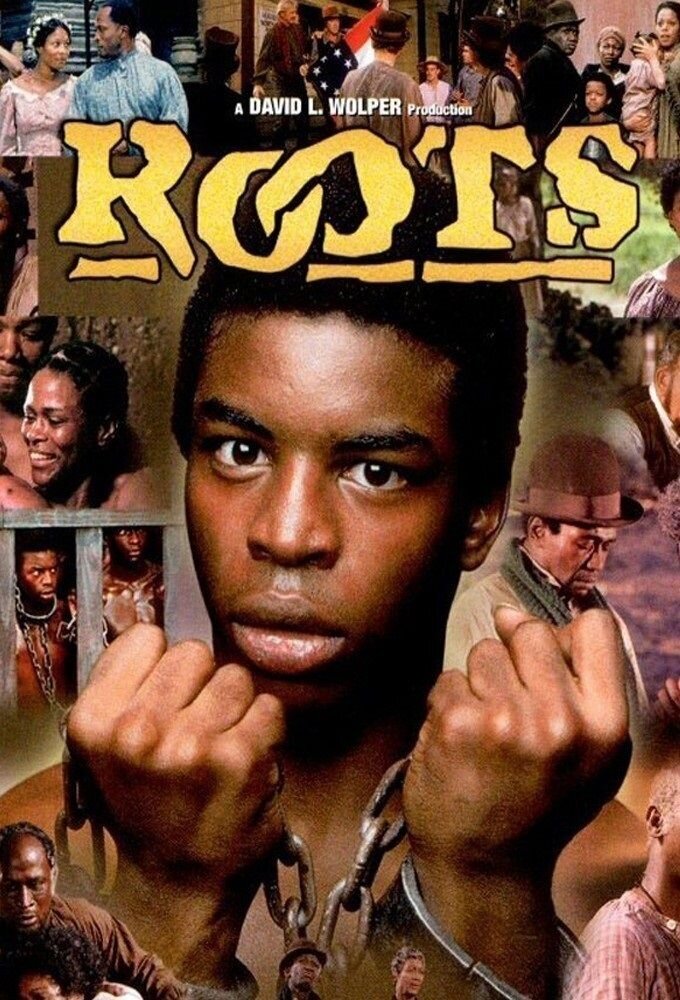
Roots1977
The 1977 miniseries remains the most ambitious television attempt to trace the interior and material arc of enslaved people across generations. It's the ancestor text for shows like The Long Song.
But It's very much a product of 1970s television, which means the pacing and some of the acting can feel dated; it's also long.
People
Cast
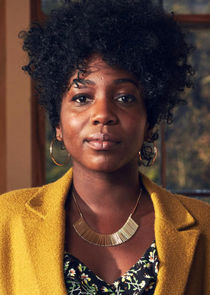
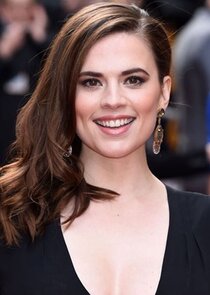
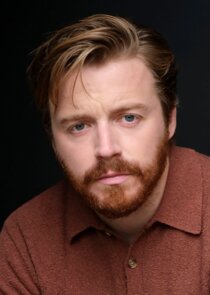
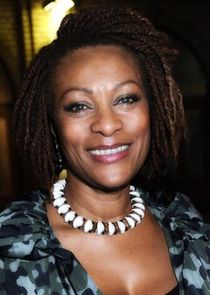

Production
- Andrea LevyExecutive Producer
- Ben IrvingExecutive Producer
- David HeymanExecutive Producer
- Elizabeth KilgarriffExecutive Producer
- Rosie AlisonExecutive Producer
- Sarah WilliamsExecutive Producer
- Tom CoanExecutive Producer
- Charles SalmonLine Producer
- Roopesh ParekhProducer