
Television series
The I-Land
Ten amnesiacs wash up on a hostile island and must survive its physical trials while uncovering what they've forgotten. The I-Land pairs survival-show mechanics with mystery-box sci-fi, banking on the revelation that nothing here is quite real. It's watchable enough if you're comfortable with a show that prioritizes spectacle and secrets over character depth or logical consistency.
Should you watch it?
Watch it if you enjoy a puzzle-box castaway mystery where amnesia and shaky loyalties drive the drama, and you're happy with a rough, uneven ride to get there.
Skip it if the survival grind and the rotating cast of ten can blur together, and its middling audience score of 5.2 suggests many found the execution uneven.
What it asks of you: Seven episodes of roughly forty-one minutes each, so it is a short, binge-able commitment, but it wants you to keep track of ten characters and their half-remembered pasts.
Not sure? Find tonight's pick in a minute.
If you liked this
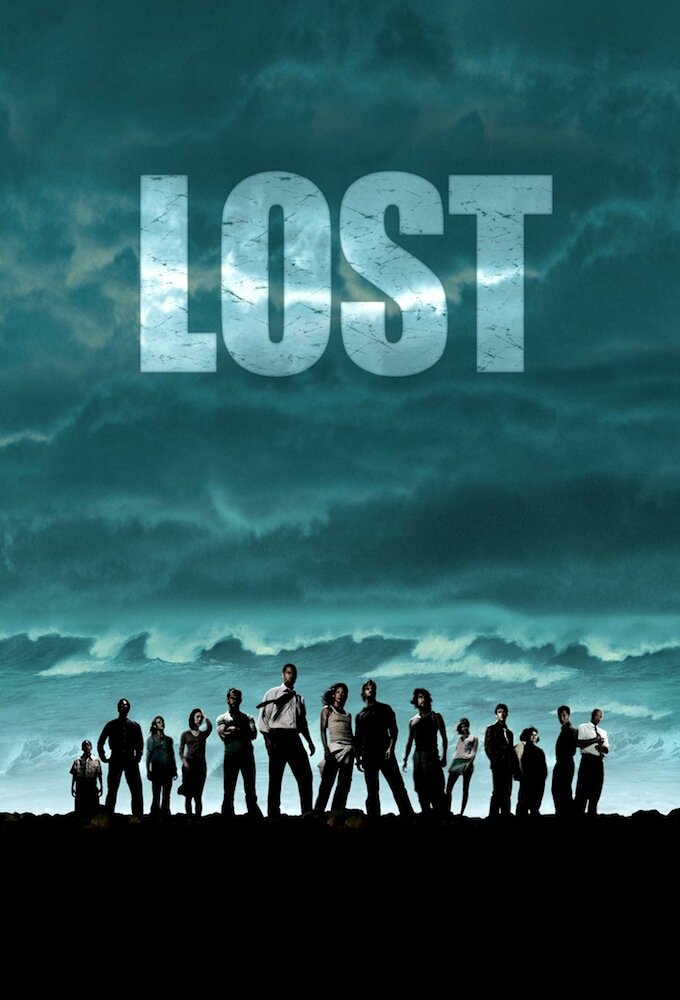
Lost2004
The spiritual ancestor of every mystery-island show since. Stranded people, fragmentary memories, impossible phenomena, and a mythology that deepens across seasons. If you liked The I-Land's premise, Lost executes it with vastly more intricate storytelling.
But It's a massive commitment—six seasons—and the ending remains divisive. Patience required.
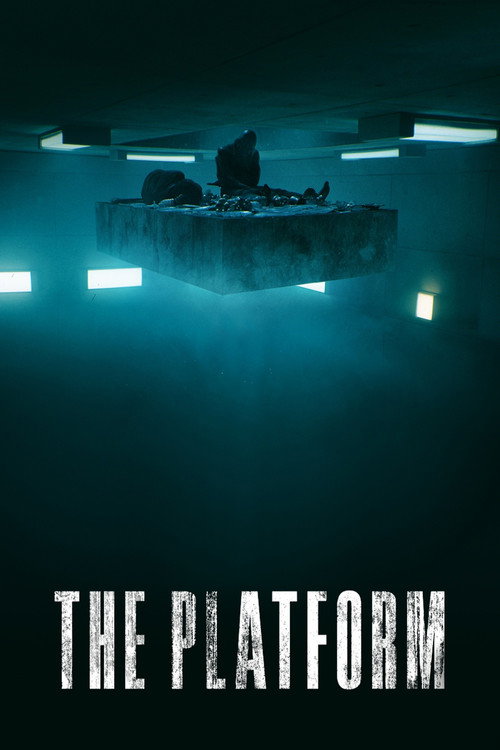
The Platform2019
Spanish sci-fi thriller about people trapped in a system they didn't choose. Like The I-Land, it uses physical confinement to probe moral character under duress, but with genuine dread and a coherent central metaphor that actually pays off.
But Bleak and claustrophobic. The premise doesn't offer hope, only observation of human nature in extremity.
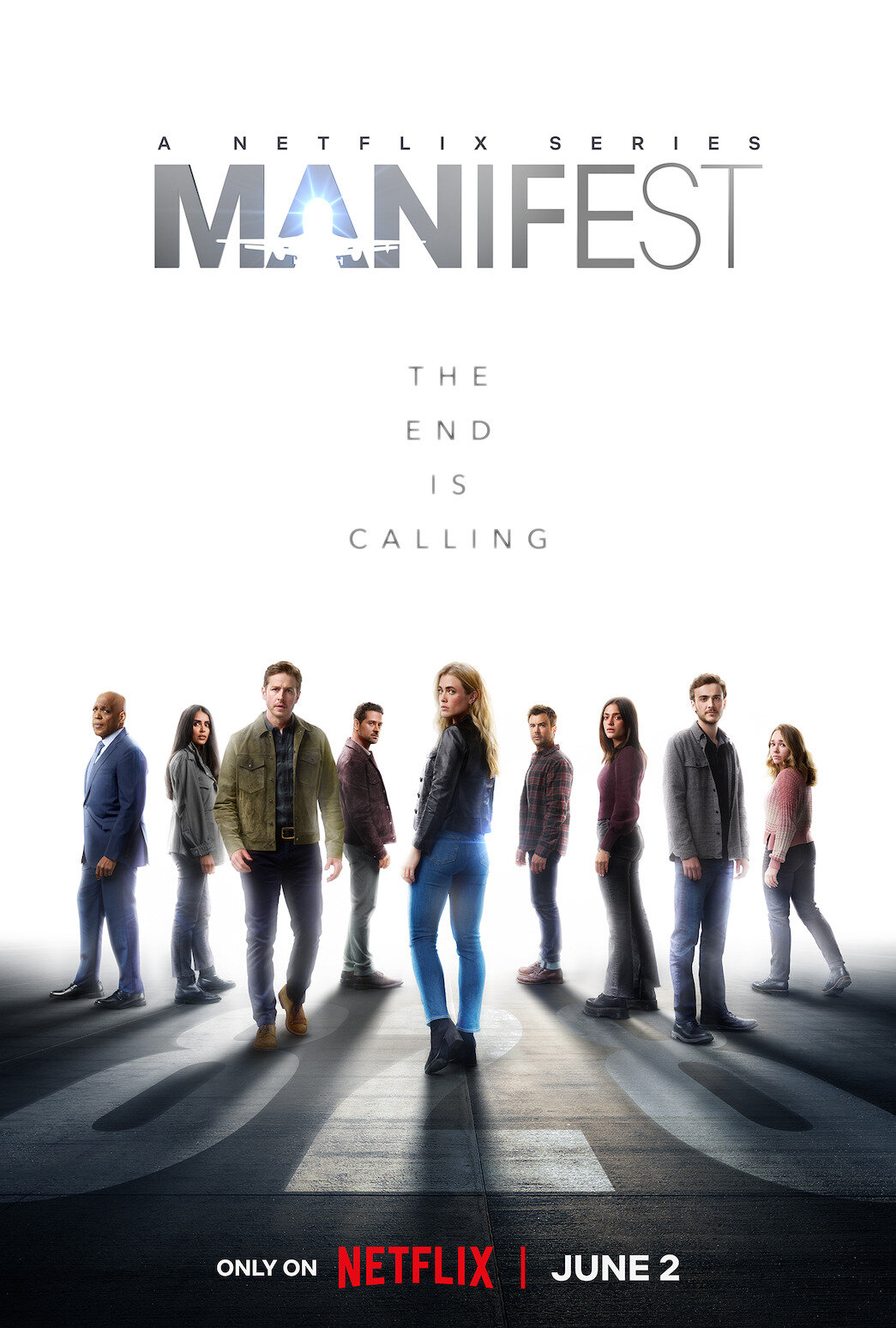
Manifest2018
Plane disappears, passengers reappear years later with fragmented memories. Manifest plays similar amnesia-and-mystery beats but leans harder into the supernatural and family drama, with a more generous tone about character relationships.
But Increasingly convoluted mythology that sometimes feels like it's making things up as it goes. Cancelled on a cliffhanger.
Not sure tonight? Get a pick in a minute, starting from The I-Land
The wildcard
Something you would not have found on your own.
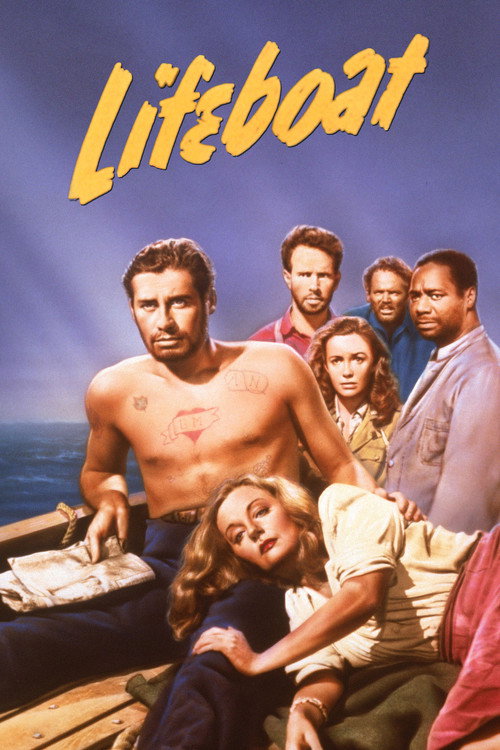
Lifeboat1944
Both trap an ensemble and ask whether crisis reveals character or creates it. But Lifeboat trusts the audience to find horror in conversation alone.
Hitchcock locks a handful of survivors in a lifeboat and lets human nature do the horror. Like The I-Land, it's about strangers thrown together by circumstance discovering their own capacity for cruelty or virtue. But it's a chamber piece of moral philosophy, not spectacle.
But Slow, talky, and deeply uncomfortable with human selfishness. No explosions or plot twists—just people and their choices.
More like this (8)
The Wilds2020
Plane crash, teen survivors, an island that tests them. But The Wilds does something The I-Land didn't: it develops its ensemble with real humor and heart, cutting between timelines to deepen both mystery and character investment.
But Aimed at a younger audience. If you wanted something grittier or more adult, the tone might feel light.
Dark2017
German sci-fi about a town where children vanish and time behaves strangely. Vastly more complex mythology than The I-Land, with payoffs that actually earned their setup. Every mystery serves a larger architecture.
But Three dense seasons of intricate plotting. You need to pay close attention, and the pacing is deliberate rather than thrilling.
Westworld2016
Artificial world, memory manipulation, people questioning reality. Westworld's first season is a masterclass in mystery construction—it earns its reveals through character and theme in ways The I-Land only gestures at.
But Later seasons lost the plot considerably. Even the strong first season can feel more interested in being clever than coherent.
The Society2019
Teenagers mysteriously transported to an identical town. Like The I-Land, it traps people somewhere impossible and asks how they'll behave. But it's more focused on interpersonal drama than spectacle, with genuine stakes in community politics.
But Cancelled after one season on a cliffhanger. You won't get answers, and the show's strength depends on patience with teenage politics.
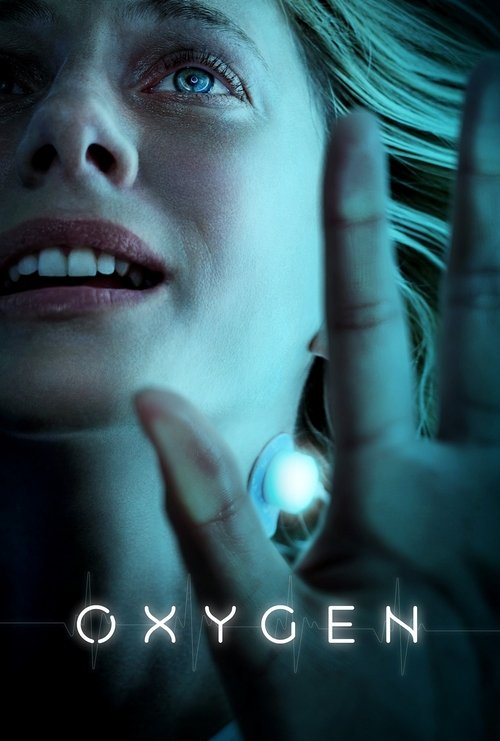
Oxygen2021
Woman wakes in a cryogenic chamber with no memory and hours of air left. Tense, clever, and genuinely focused on character problem-solving rather than external mystery-boxes. Lean and economical where The I-Land sprawls.
But Mostly a one-woman show in one location. If you need ensemble drama or spectacle, this is the opposite direction.
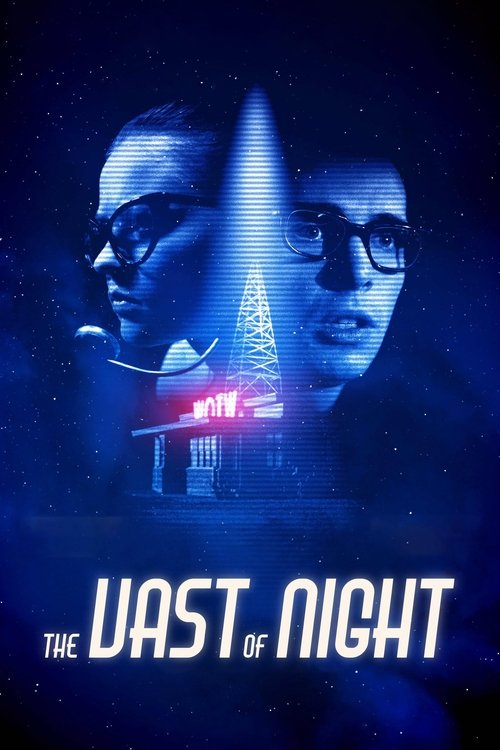
The Vast of Night2019
Two young people investigate mysterious radio signals in 1950s small-town America. A slow-burn mystery that trusts atmosphere and dialogue to build intrigue. Visually stunning and genuinely strange without leaning on jump scares or melodrama.
But Very quiet and meditative. No action, minimal plot movement for long stretches. Patience is non-negotiable.
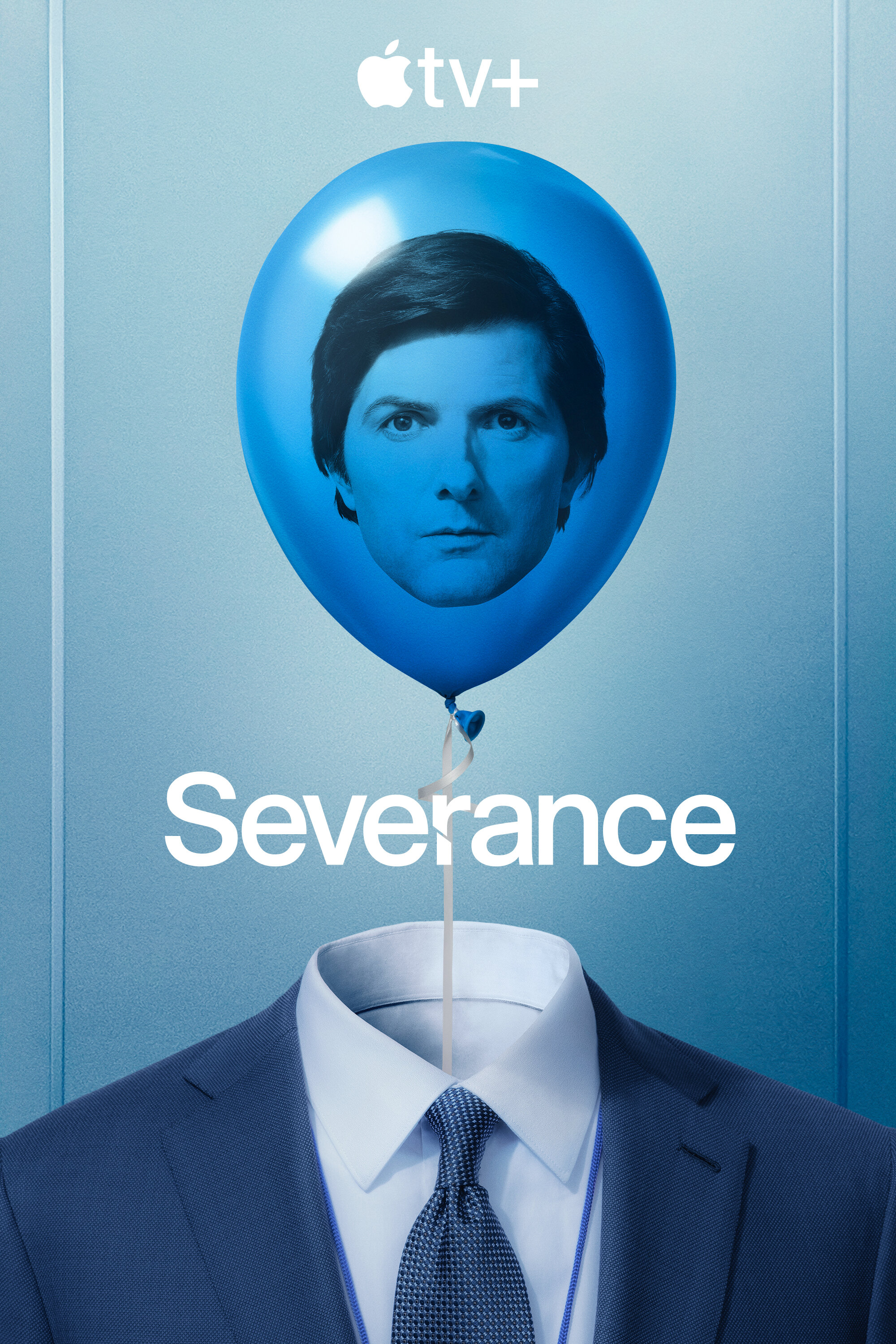
Severance2022
Both use enforced amnesia as a plot engine, but Severance uses it to explore capitalism and bodily autonomy rather than survival spectacle. A smarter, quieter cousin.
Corporate employees have their memories surgically divided—work-self and personal-self never meet. Like The I-Land, it's about fragmented identity and hidden reality, but Severance is austere, architectural sci-fi with a haunting mood and meticulous craft. It makes you ache instead of jump.
But Glacially paced and deliberately ambiguous. If you watch The I-Land for answers, Severance will frustrate you—it asks questions instead.
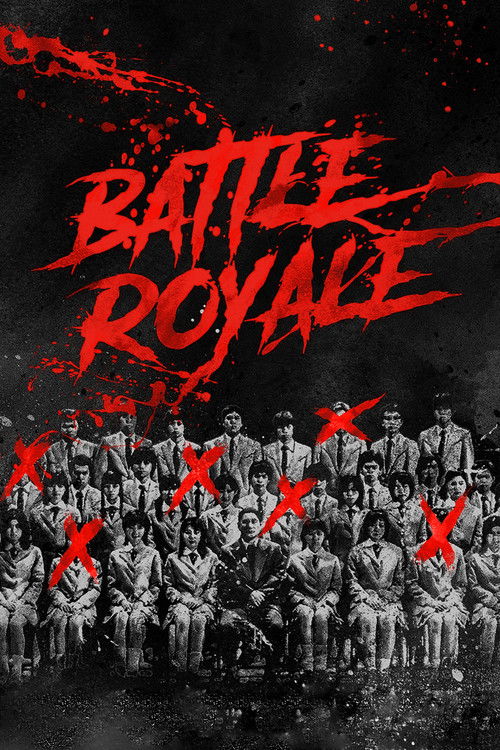
Battle Royale2000
Both are survival-island premises, but Battle Royale executes with uncompromising vision while The I-Land hedges its bets. If you want to see what happens when you don't soften the concept, here it is.
Japanese film: schoolchildren forced to fight to the death on an island. It's The I-Land's raw ancestor—the same pit-strangers-against-each-other concept, but with unflinching brutality and genuine tragic weight. Absurdist, angry, darkly funny, and utterly committed to its premise.
But Extremely violent and graphic. Several characters are children. The tone is nihilistic rather than hopeful. It's a provocation, not entertainment.
People
Cast











Writing
- Anthony SalterCreator
Production
- Kristin SlaneyAssociate Producer
- Jonathan ScarfeCo-Executive Producer
- Lucy TeitlerCo-Executive Producer
- Jay Daniel BeechinorCo-Producer
- Sally DixonCo-Producer
- Chad OakesExecutive Producer
- Michael FrislevExecutive Producer
- Neil LaButeExecutive Producer
- Kate BosworthProducer
- Morris ChapdelaineProducer
- Natalie MartinezProducer
- Petros DanabassisProducer