Television series
One Outs
A anime about a street gambler turned pitcher whose unorthodox contract ties his astronomical salary to individual outs and runs. It's a high-wire psychological thriller masquerading as sports anime—less about baseball than about reading opponents, exploiting weaknesses, and the intoxication of calculated risk. For viewers who love cunning protagonists and morally grey victory.
Should you watch it?
Watch it if you like sports stories built on a single high-stakes wager, where the tension lives in one pitcher's head rather than in big set pieces and the money is a character in itself.
Skip it if you want fast, cheerful escapism, since this is slow, mentally dense and fixed on the psychology of every pitch, which can feel like homework on a loose evening.
What it asks of you: Its 25-minute episodes move at a deliberate, unhurried pace, often stretching one at-bat across a whole sitting of tense, quiet calculation.
Not sure? Find tonight's pick in a minute.
If you liked this
Kaiji2007
Similar gambling-obsessed protagonist who wins through psychological manipulation and reading people rather than luck. Same director, same intoxicating logic-puzzle tension, same sleepless-night energy.
But The art style is deliberately grotesque and off-putting. It's relentlessly bleak with almost no moments of levity or relief.

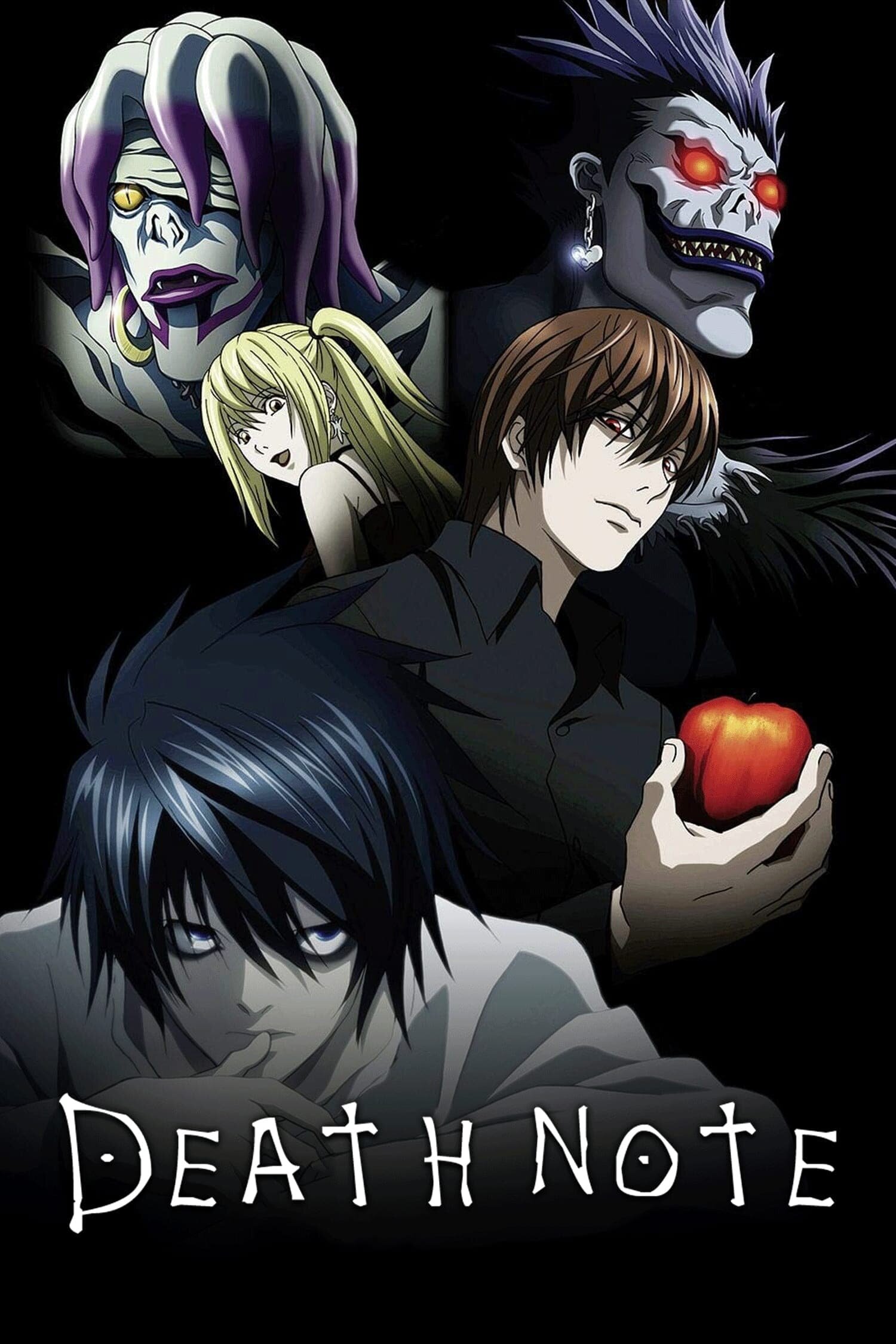
Death Note2006
Both centre on a protagonist who outsmarts opponents through prediction, preparation, and finding loopholes in systems. The cat-and-mouse escalation and moral ambiguity hit the same nerve.
But If you want something grounded in realism, Death Note's premise is absurdist fantasy. The ending divides people sharply.
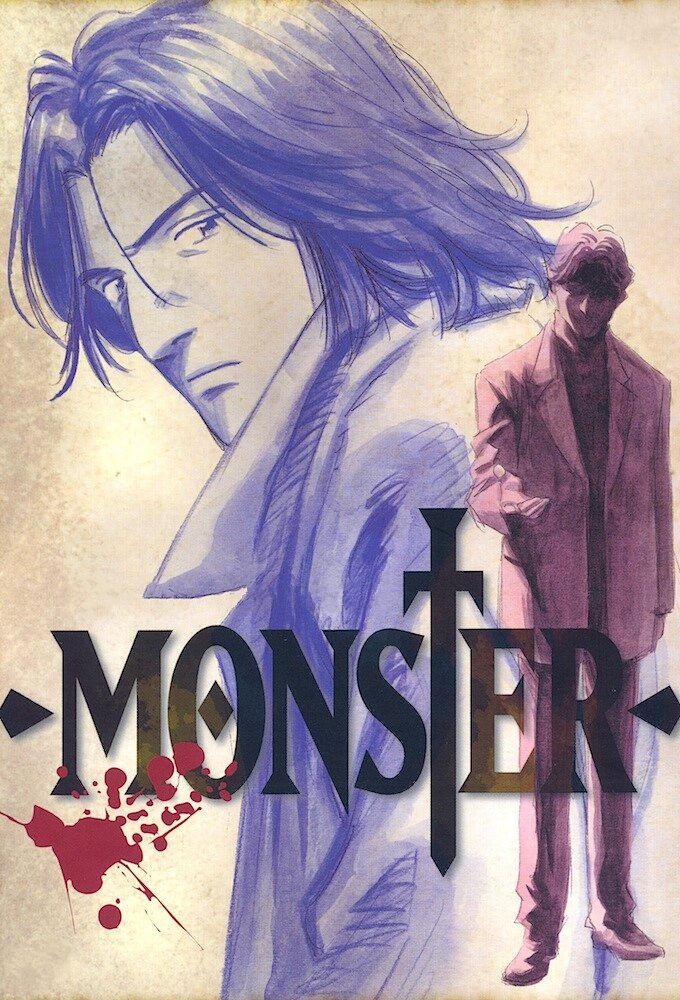
Monster2004
A methodical thriller about reading human behaviour and staying several steps ahead. Morally complex, masterfully paced, every episode raises the stakes without relying on spectacle.
But It's twenty episodes of mounting dread with no action sequences. If you need external conflict or visual thrills, the psychological intensity alone won't be enough.
Not sure tonight? Get a pick in a minute, starting from One Outs
The wildcard
Something you would not have found on your own.
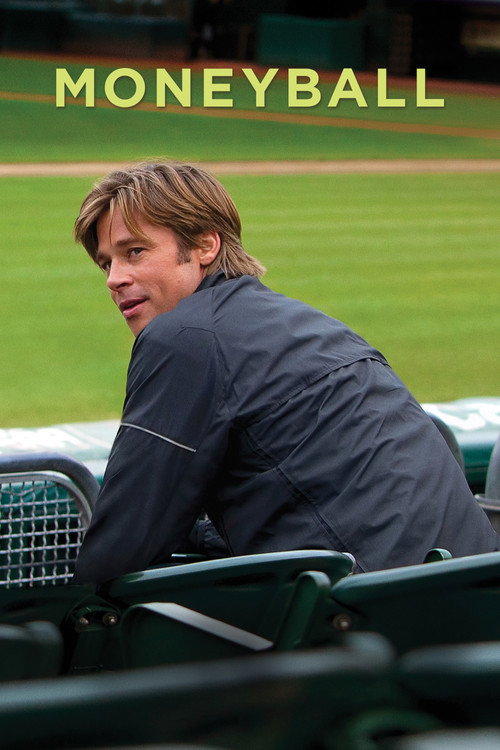
Moneyball2011
Both argue that understanding systems (gambling mathematics for Tokuchi, sabermetrics for Beane) matters more than talent or luck. Both are about the pleasure of thinking yourself out of an impossible position.
Same DNA: an outsider with unconventional methods exploits a system everyone else accepts as fixed. Brad Pitt's front-of-mind protagonist, David Fincher's direction, and the real thrill of watching numbers become destiny.
But It's a sports film about statistics and negotiation—if you need movement and drama, long stretches are boardroom talk. Some find the pacing glacial.
More like this (8)
Code Geass: Hangyaku no Lelouch2006
Strategist protagonist who wins through lateral thinking and psychological warfare. The same intoxication with outsmarting rivals, the same moral corruption as power accumulates.
But It gets increasingly melodramatic and convoluted as it goes. Some plot threads feel abandoned or contradictory.

Psycho-Pass2012
Intelligent thriller about systems, exploitation, and whether you can game an oppressive structure. Moves at a clip, looks gorgeous, and rewards attention to detail.
But The second half loses focus and the ending feels rushed. Some philosophical concepts are stated rather than dramatized.

Natsume's Book of Friends2008
Another 2008 anime that uses its short runtime perfectly. Episodic but emotionally cumulative, understated and humane where One Outs is cutthroat.
But It's gentle and reflective rather than thrilling. If you want adrenaline or conflict, this is the opposite approach.

Darker Than Black2007
Morally compromised protagonist working within cynical systems. Sharp writing, stylish presentation, and an unwavering commitment to its own coldness.
But The episodic structure in season one means arcs don't always pay off. The mythology gets murkier rather than clearer.

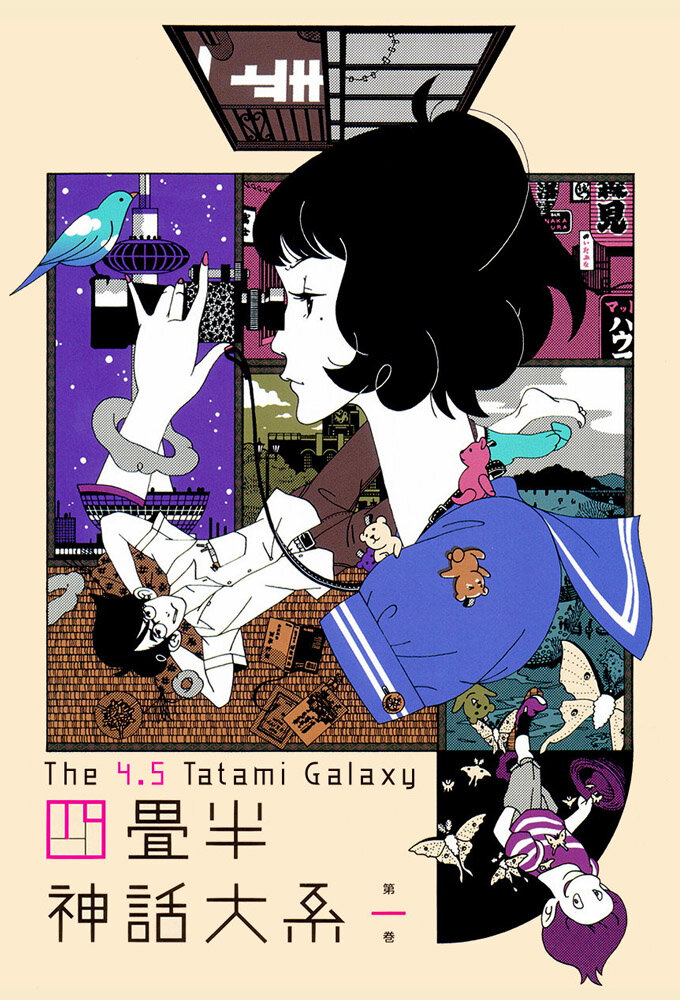
Yojouhan Shinwa Taikei2010
Dazzling anime about strategy, regret, and the stories we tell ourselves. Every episode is a fresh puzzle solved in real time; kinetic and clever.
But The rapid-fire dialogue is difficult to follow, even with subtitles. The visual style is intentionally chaotic and can feel exhausting.
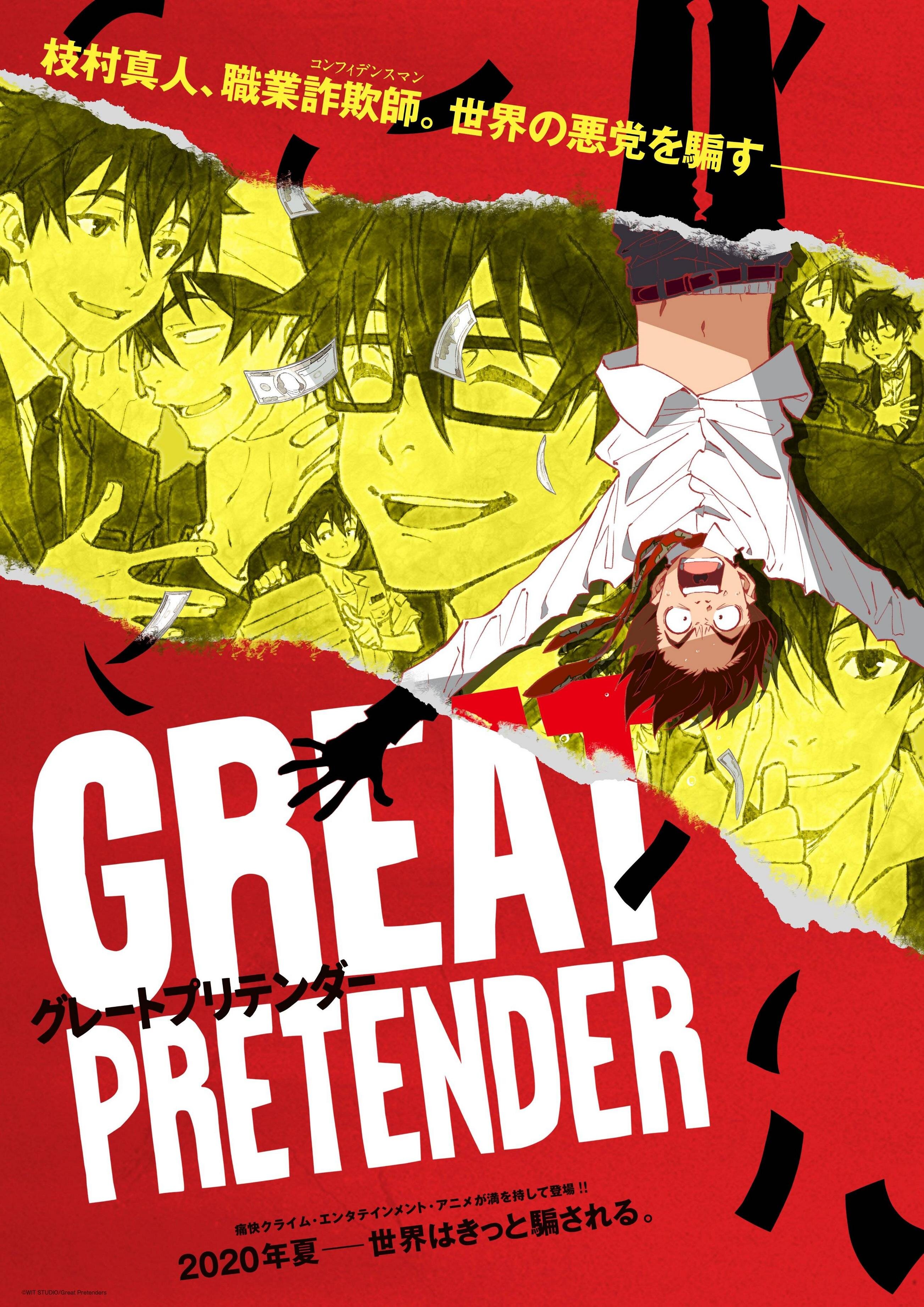
Great Pretender2020
Charming con-artist anime with beautiful animation and a globe-trotting structure. Fun rather than punishing, but with real stakes and character depth underneath.
But Tonally it's lighter and more optimistic than One Outs, which some find less engaging. The heists are the plot rather than the psychology beneath them.
Liar Game2007
Both are about a protagonist with preternatural skill at reading opponents competing in contests designed to break people. Same essential gladiatorial pleasure, different medium and cultural register.
Japanese live-action thriller about a contest where ordinary people are forced into psychological warfare and betrayal. Brutally tense, genuinely clever twists, and the same delight in watching someone navigate a rigged game.
But It's subtitled and low-budget looking, which can feel distant. The logic occasionally breaks down to serve the plot, and resolution is abrupt.

Bakuman2010
Both centre not on the game itself but on the protagonist's ability to manipulate the system and their opponents' psychology. Success comes from understanding what others miss, not from raw ability.
Parallel obsession with a specific competitive arena (manga instead of baseball) and the psychological warfare of trying to outmaneuver rivals. Slower burn than One Outs, but every bit as devoted to the intoxication of winning through craft.
But It's longer and feels repetitive in structure. If you want sustained plot momentum, this is episodic and sometimes spins wheels. Devotion to craft isn't everyone's drama.