
Television series
Next Level Chef
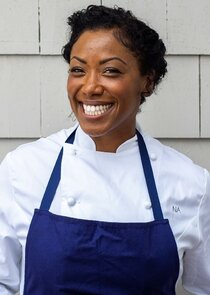
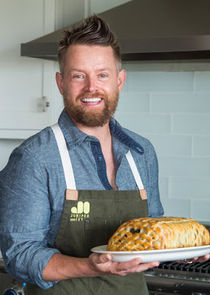
Next Level Chef is a competition show where Gordon Ramsay, Nyesha Arrington, and Richard Blais recruit talented cooks from diverse backgrounds and mentor them through high-pressure challenges. It's less about humiliation than discovery—watching skilled people problem-solve under fire, guided by chefs who genuinely want to develop them. For anyone who loves food, mentorship dynamics, or just watching professionals do their thing brilliantly.
If you liked this
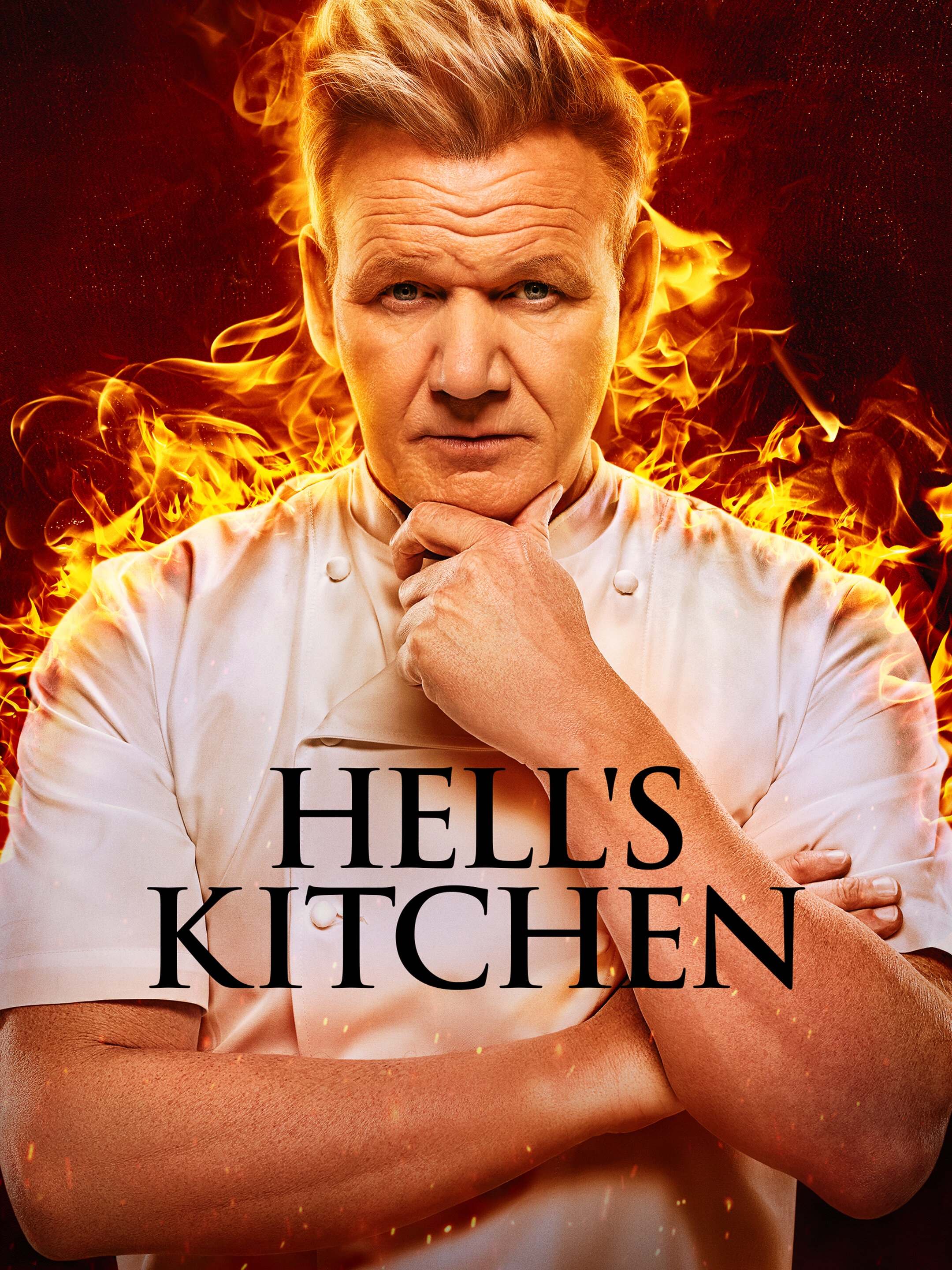
Hell's Kitchen2005
The original Ramsay competition format, rawer and meaner. Watching him break down and rebuild struggling cooks into confident line cooks is genuinely transformative, even when (especially when) he's furious about undercooked risotto.
But It relies heavily on dramatic shouting and manufactured conflict. Some seasons feel repetitive, and the editing occasionally prioritizes outrage over actual cooking education.
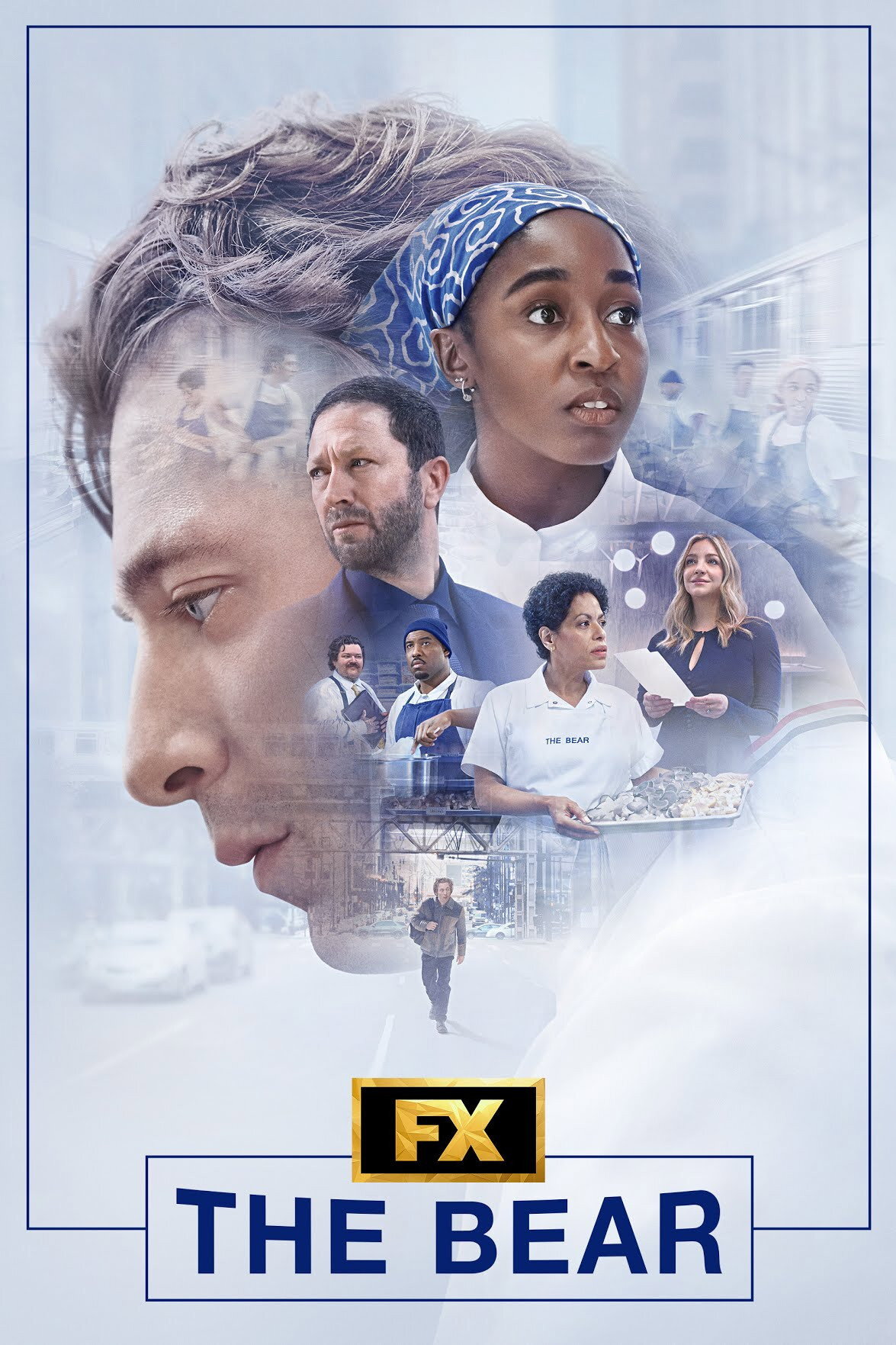
The Bear2022
A tense, beautifully shot series about a fine-dining chef returning to run his family's Italian beef sandwich shop in Chicago. The kitchen scenes are technically brilliant and the pressure is suffocating—this is what the chaos underneath competition cooking actually feels like.
But It's genuinely stressful to watch. There's minimal joy or levity; it's about trauma, perfectionism, and the cost of ambition. Not comfort viewing.
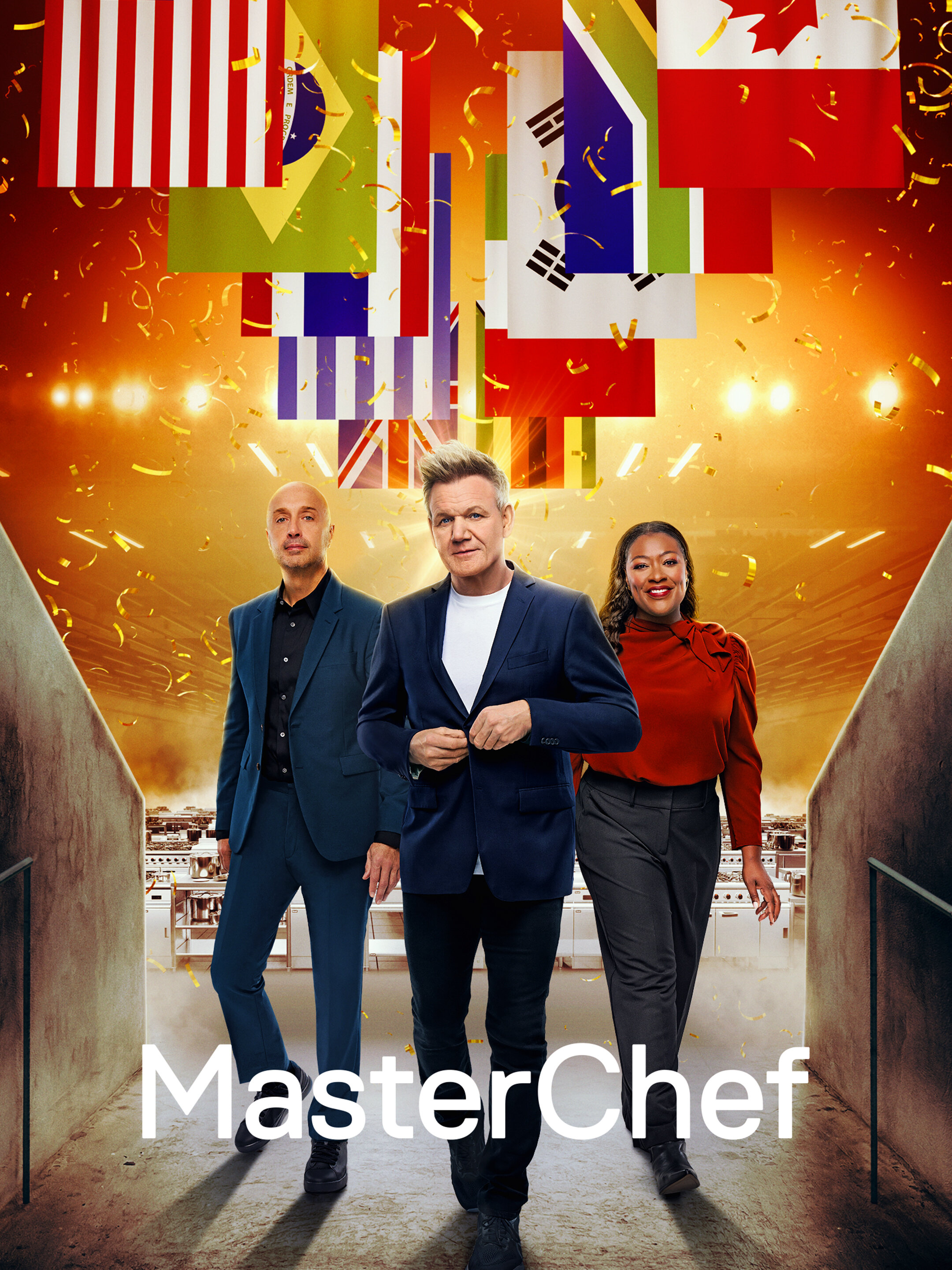
MasterChef2010
A gentler, more inclusive competition that finds talent anywhere—home cooks, career-switchers, teenagers with passion. The judges mentor rather than belittle, and the challenges push creativity more than pure technique. Genuinely heartwarming without being saccharine.
But Some find it too soft compared to Hell's Kitchen. The outcomes feel more predetermined than earned, and several judges have aged out of cultural relevance.
Not sure tonight? Get a pick in a minute, starting from Next Level Chef
The wildcard
Something you would not have found on your own.
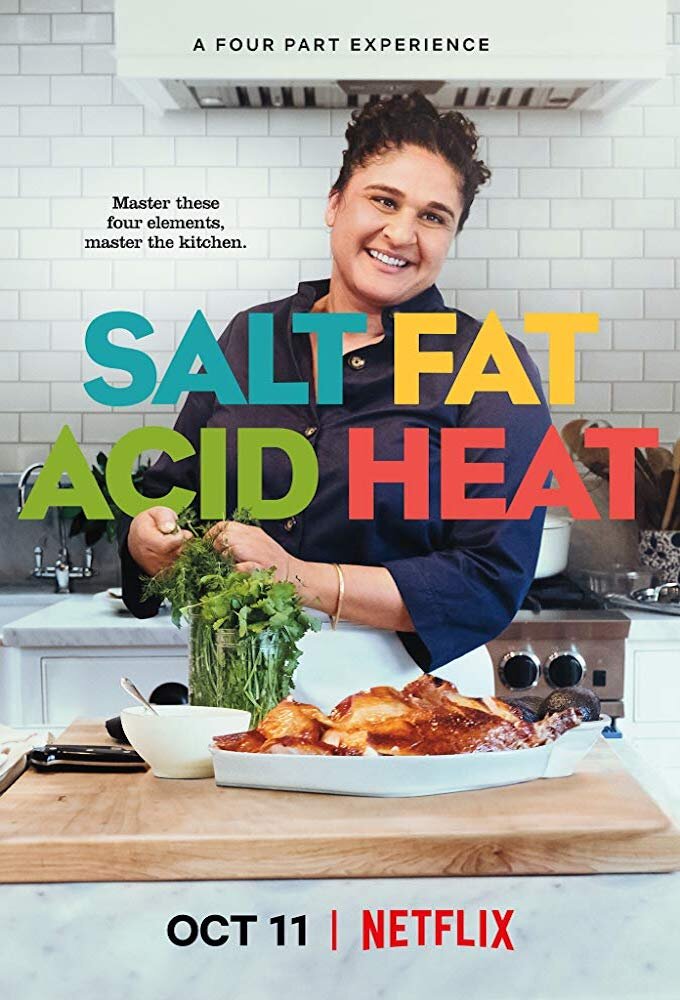
Salt Fat Acid Heat2018
Both shows believe talented people can be developed through good mentorship. Salt Fat Acid Heat is what mentorship looks like when the goal is genuine understanding rather than competition.
Samin Nosrat teaches the fundamentals—literally the four principles that underlie all cooking. Not competitive; instead she demonstrates why things taste good and how to develop intuition rather than just following recipes. It's the philosophy behind what competition chefs already know.
But There's no dramatic arc or stakes. It's educational television, so if you want narrative tension rather than clarity, it'll feel slow.
More like this (8)
Chopped2009
Three rounds, mystery ingredients, 20-30 minutes per course. It's pure problem-solving under pressure: watch chefs improvise with squid ink and birthday cake. Infinitely rewatchable because every episode is a completely different puzzle.
But The format is simple enough that watching back-to-back episodes becomes numbing. After 30 seasons, you've seen every conceivable ingredient combination twice.
Schitt's Creek2015
Not about cooking, but about mentorship, found family, and people developing genuine skill in hospitality. Season five's 'The Crows Have Eyes' is one of TV's best depictions of opening a restaurant under pressure. Warm, funny, surprisingly wise about work.
But If you need constant high-stakes drama, it's a slow build. The early seasons lean hard on fish-out-of-water comedy; the character development takes time.
Kitchen Nightmares2007
Ramsay goes to failing restaurants and diagnoses what's broken—menu bloat, bad ingredients, toxic kitchens. It's less competition than mentorship in crisis mode. You learn more about how restaurants actually work than any competition show.
But Many of the restaurants fail again within months after filming, which can feel depressing. And Ramsay's occasional mocking of regional food comes across as colonial rather than constructive.
The Great British Bake Off2010
Technically rigorous, genuinely kind. Contestants are supported rather than eviscerated, and the genuine friendships formed are part of the draw. It's about mastery and growth, not gotcha moments. Weirdly cathartic to watch people try and sometimes fail and stay dignified.
But If you want flash and drama, it's leisurely and almost meditative. The British politeness can read as dry to American audiences, and some seasons are stronger than others.
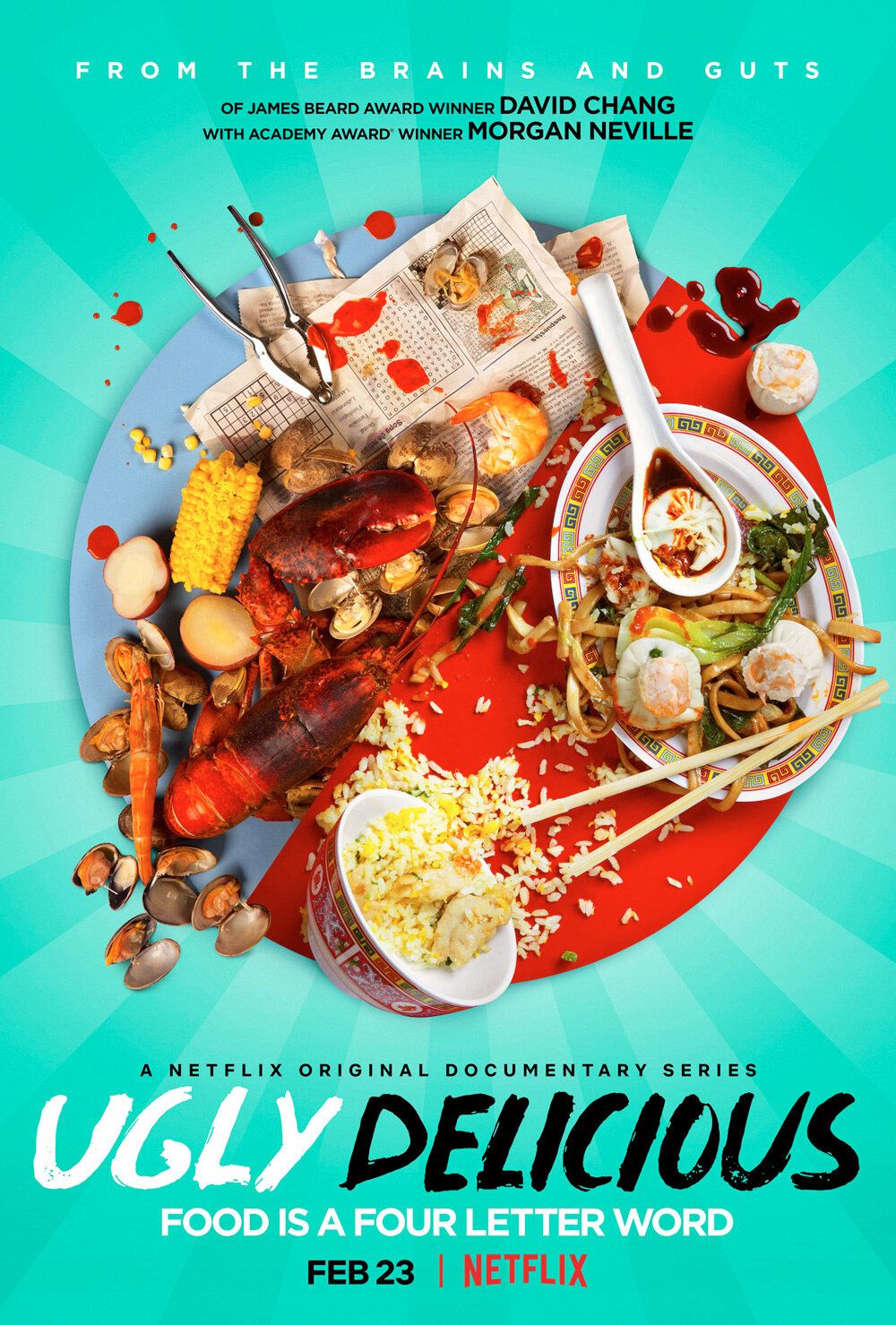
Ugly Delicious2018
David Chang travels globally exploring food history, technique, and culture. It's part documentary, part cooking show, part philosophy seminar. Episodes on fried chicken, pizza, and tacos are genuinely illuminating about why certain dishes matter and how they evolved.
But It's not a competition, so it lacks narrative momentum. And Chang's persona—charming but sometimes self-satisfied—isn't for everyone.
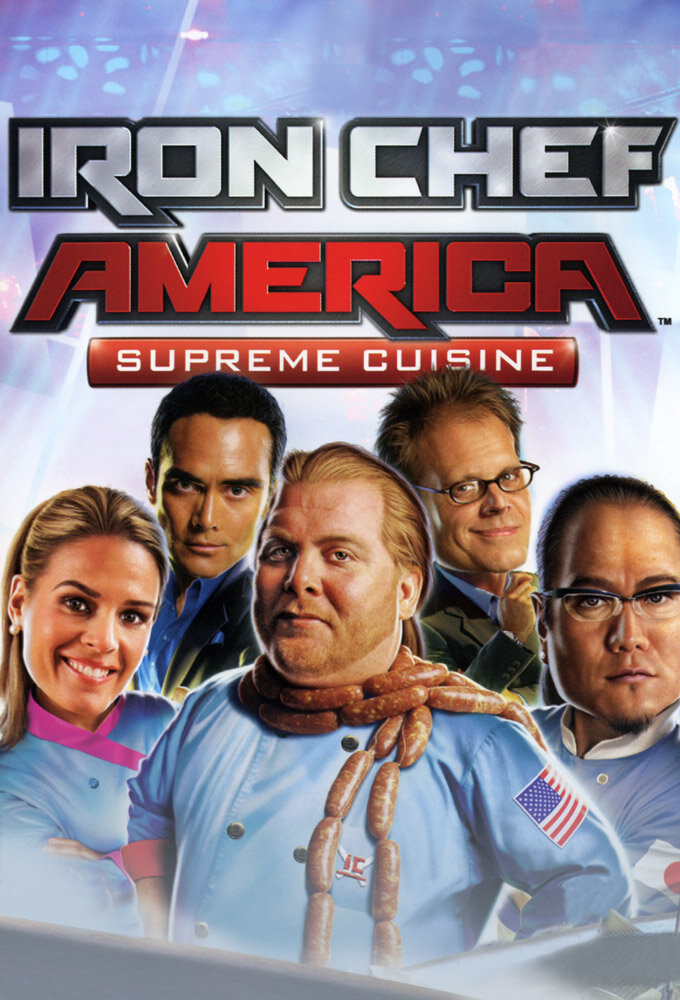
Iron Chef America2005
Structured, elegant, and genuinely about skill. Two chefs face off with a secret ingredient and 60 minutes. It's tighter than most competition shows, judges are thoughtful, and watching problem-solving at this level is pure craft.
But It's slower and less dramatic than flashier competition formats. The commentary can be overwrought, and without ongoing character arcs, episodes blur together.
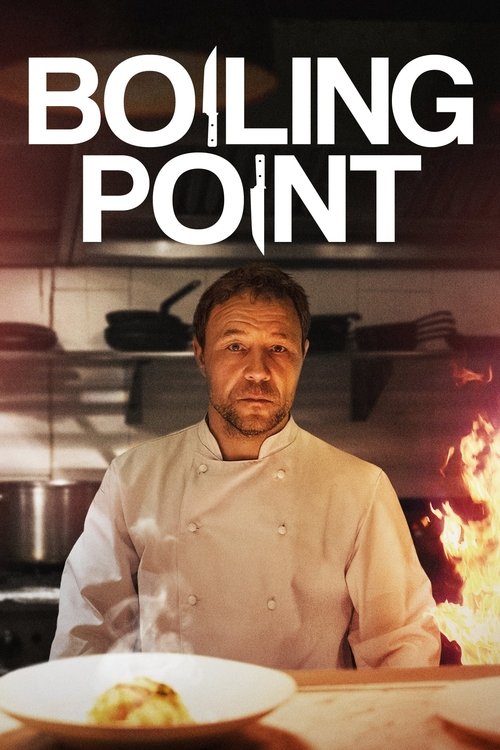
Boiling Point2021
Both are about excellence under pressure, but Boiling Point shows you the reality beneath competition's edit suite—no mentors, no prize, just survival and pride.
A single-take (supposedly) film following a fine-dining restaurant in London through one brutal dinner service. Real kitchen chaos, real pressure, real food. It's a masterclass in how tension is built and why the kitchen is such compelling drama.
But It's aggressively kinetic and occasionally hard to follow. One take means your eye has nowhere to rest, and the ambient stress is exhausting rather than exciting for some viewers.
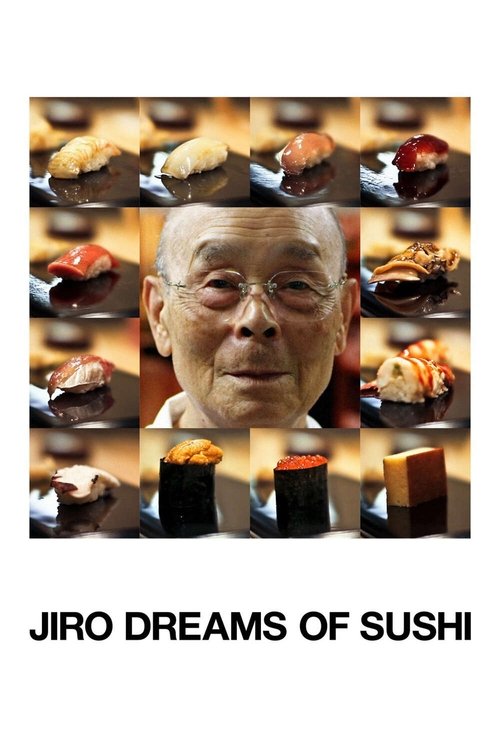
Jiro Dreams of Sushi2011
Where Next Level Chef is about finding the next superstar, Jiro is about what happens after you become one—the decades-long commitment to incremental improvement that competition shows gloss over.
A documentary about an 85-year-old sushi master who's spent 60 years perfecting his craft at the same tiny counter in Tokyo. It's meditative, gorgeous, and obsessed with mastery for its own sake. No competition, no drama—just a man who believes in the work.
But If you want plot, conflict, or even much dialogue, you'll be frustrated. It's slow, philosophical, and unapologetically about an old man making sushi, which is exactly what it is.
People
Cast
 Gordon RamsayHost
Production
- Annemarie LowCo-Executive Producer
- Brian FowlerCo-Executive Producer
- David DeAngelisCo-Executive Producer
- Jenn Van PersaudCo-Executive Producer
- Michelle Kirschner-GrantCo-Executive Producer
- Gordon RamsayExecutive Producer
- Matt CahoonExecutive Producer