Television series
Muhteşem Yüzyıl
Muhteşem Yüzyıl (The Magnificent Century) is a Turkish historical drama following Sultan Süleyman's reign from 1520 onward, blending military conquest, court intrigue, and passionate relationships. It's operatic and visceral—battles feel urgent, emotional scenes land hard. For viewers who want history that doesn't whisper, who love the Tudors but want Ottoman grandeur instead.
If you liked this
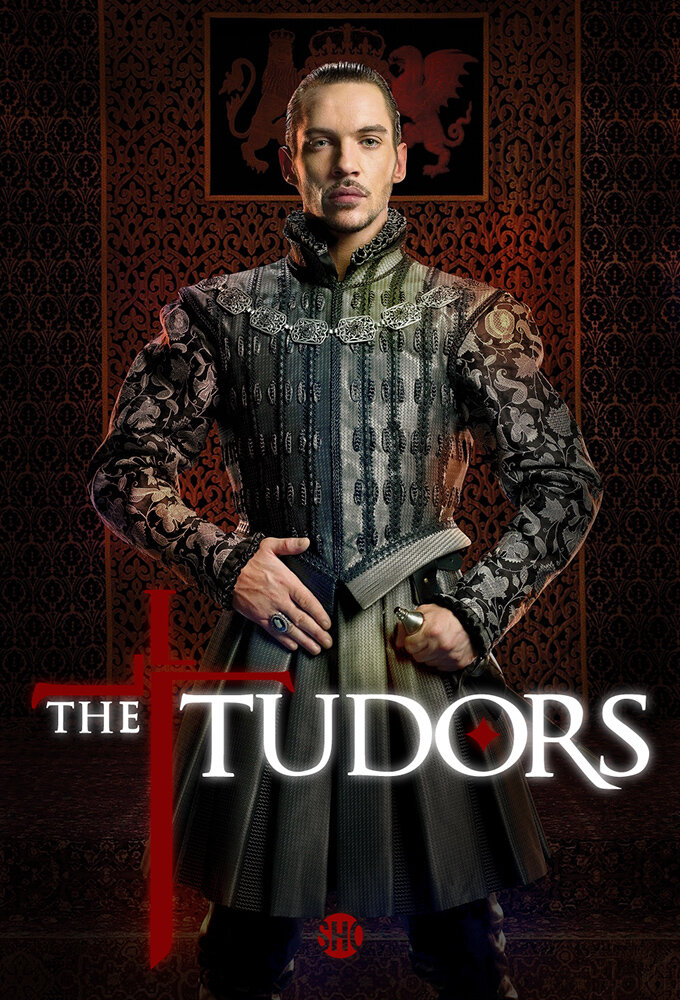
The Tudors2007
Sumptuous historical drama with the same appetite for palace intrigue, forbidden romance, and the weight of absolute power. Henry VIII's court has the same poisonous glamour as Süleyman's harem.
But Shifts tone wildly across seasons as showrunner changes; later episodes prioritize soap opera over substance.
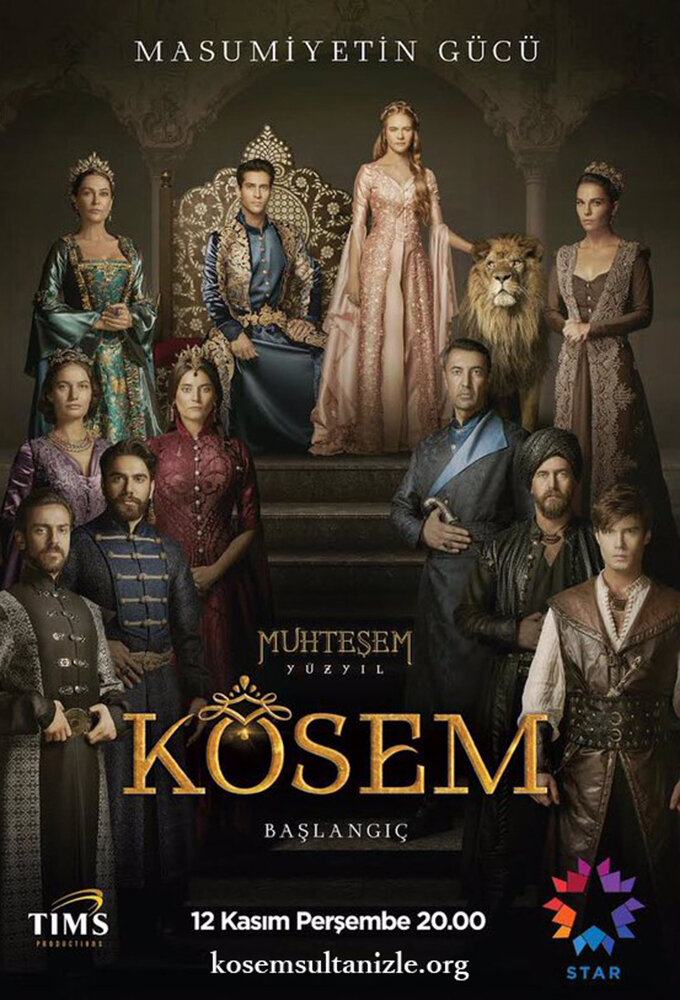
Muhtesem Yüzyil: Kösem2015
Spin-off set in the same world, following a sultan's concubine who becomes one of history's most powerful women. Same production values, higher dramatic stakes, exceptional lead performance.
But Requires some familiarity with the first series' cast and mythology to fully land emotionally.
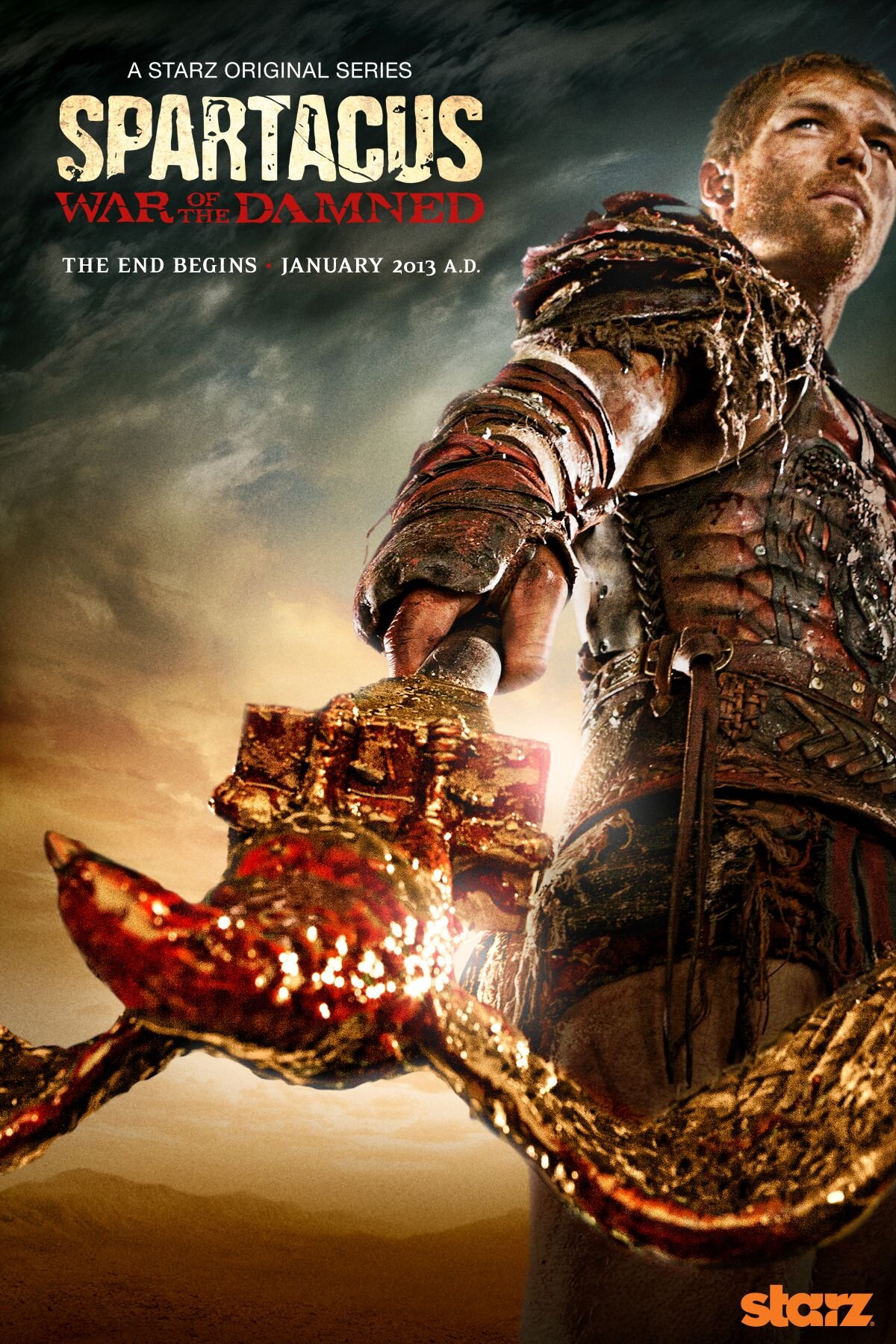
Spartacus2010
Operatic historical action with the same commitment to spectacle, violence, and sweeping emotional arcs. Fast-paced, gorgeously shot, unapologetic about wanting to move you.
But Gratuitous in ways that can feel adolescent; tonal whiplash between camp and tragedy.
Not sure tonight? Get a pick in a minute, starting from Muhteşem Yüzyıl
The wildcard
Something you would not have found on your own.
A Prophet2009
Both track the education of a young man in a closed system where one miscalculation ends you. Politics of fealty and betrayal, the same cold calculus.
French prison drama where a young man rises through violence, cunning, and calculated relationships. Same architecture as Muhteşem Yüzyıl—hierarchy, mentorship, the cost of power—but confined and contemporary.
But Unflinching about brutality and moral compromise; slow, tense rather than action-packed. Entirely different register.

More like this (8)
Vikings2013
Episodic conquest narrative with strong character work, strategic warfare, and the messy overlap of private ambition and historical consequence. Similar structure, different geography.
But Uneven writing; later seasons lose the grip of earlier ones, and the show outstays its welcome.

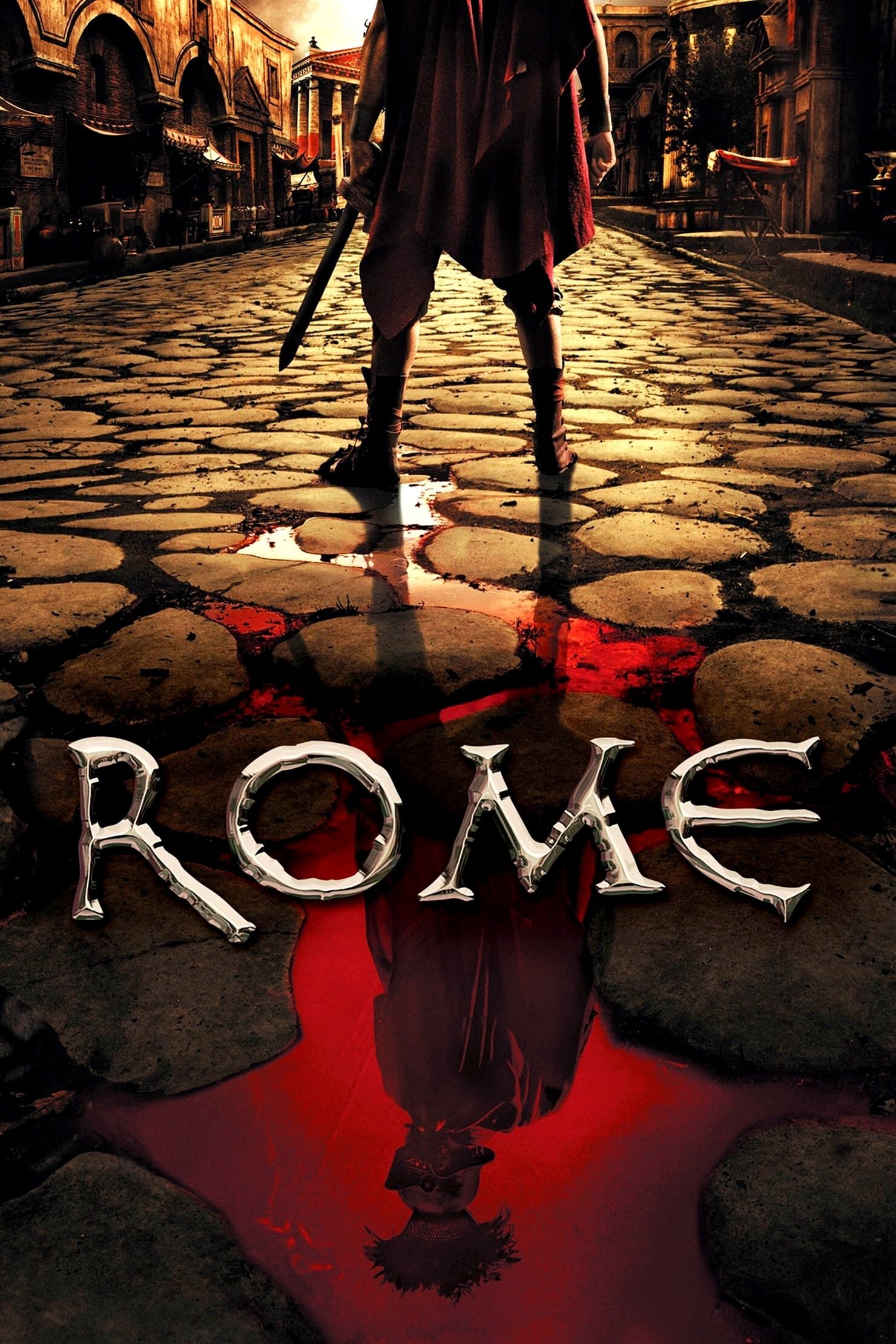
Rome2005
HBO's ambitious historical drama with the same scope—Empire, warfare, complex men in impossible positions. Intelligent dialogue and texture throughout.
But Only two seasons before cancellation; feels abruptly truncated, frustratingly incomplete.
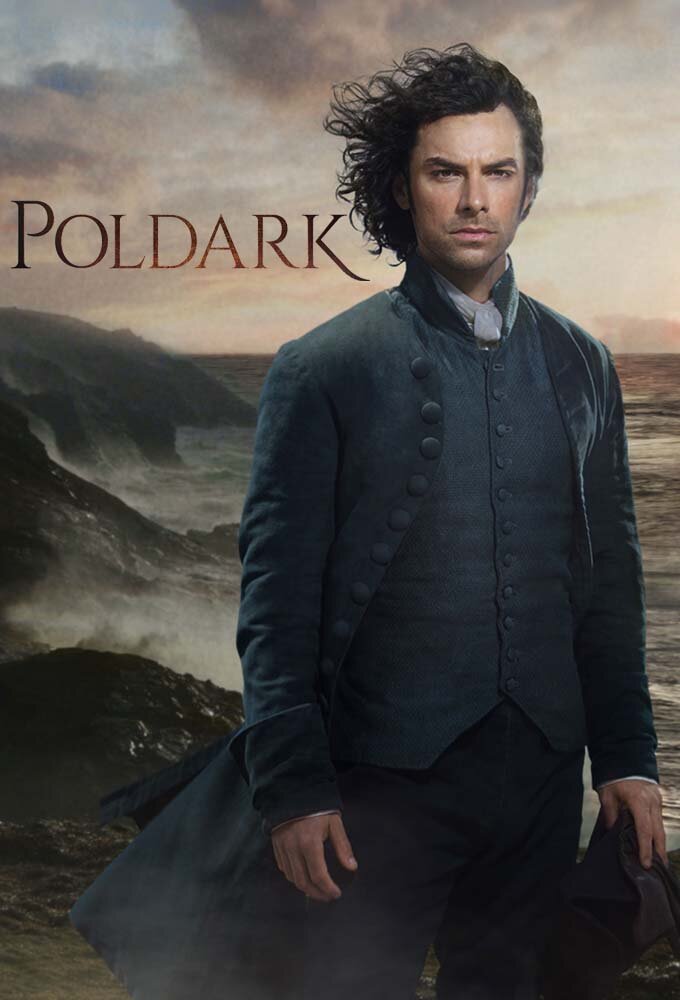
Poldark2015
Sweeping period drama with strong romance, moral complexity, and the tension between personal loyalty and historical forces. Beautifully made and deeply felt.
But Slower pacing; not interested in action for its own sake, which may feel slack after Muhteşem Yüzyıl's intensity.
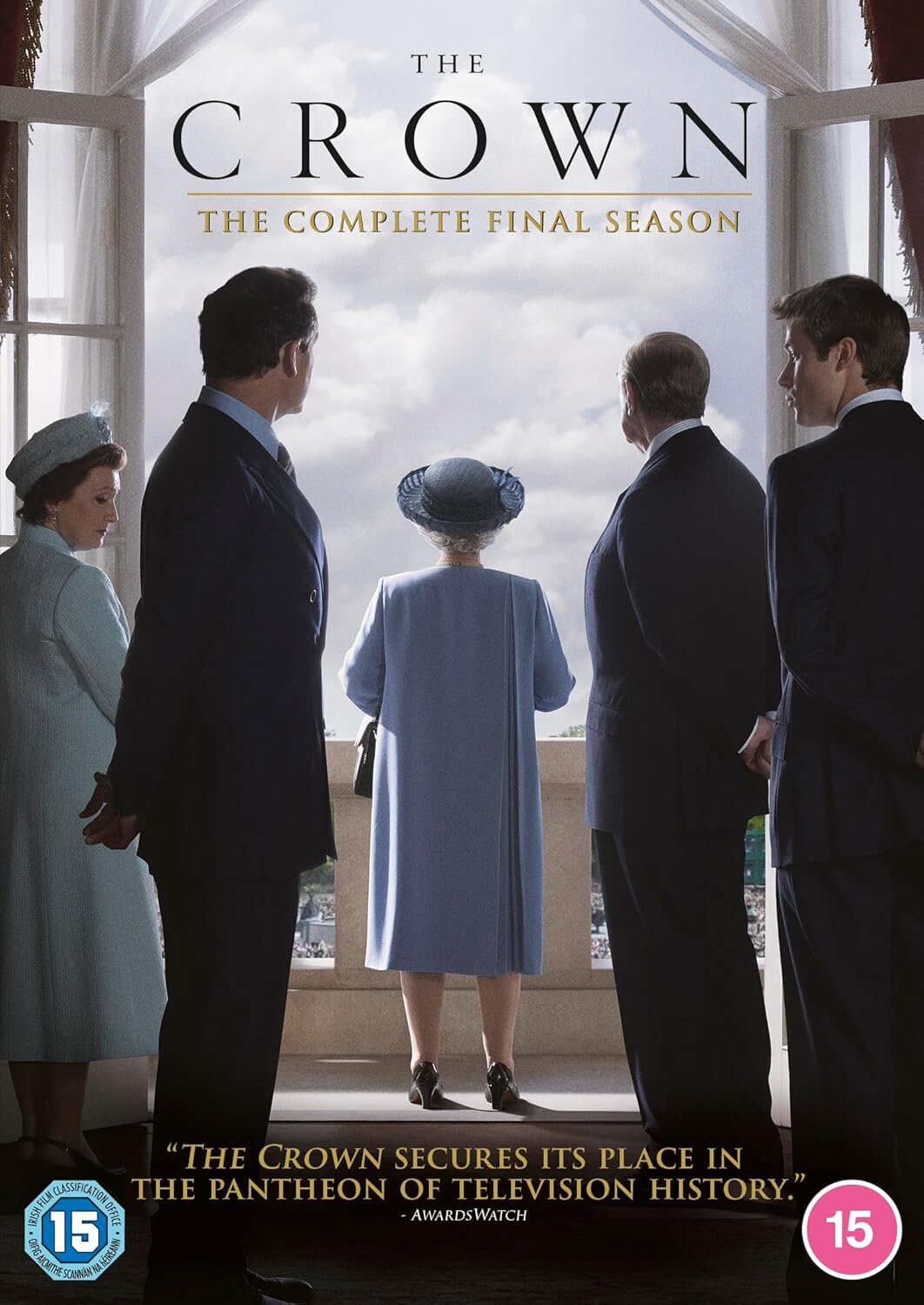
The Crown2016
Royal drama exploring the weight of sovereignty, duty versus desire, and how history shapes the intimate lives of the powerful. Meticulous and gripping.
But Deliberately measured and interior; lacks the visceral energy and battle sequences you'd be coming from.
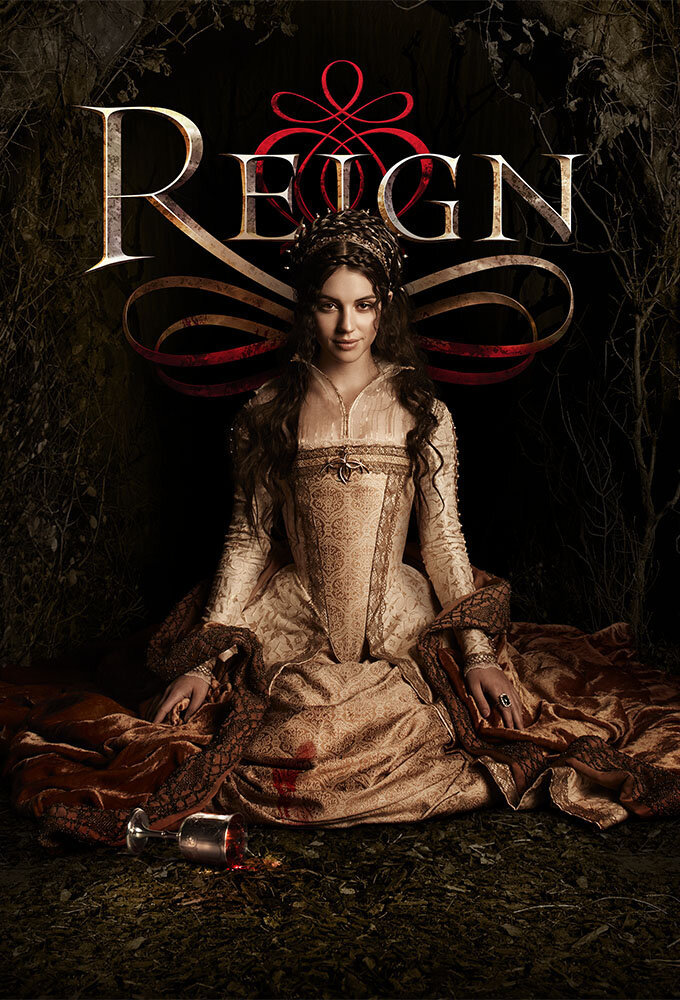
Reign2013
Teen-skewing historical drama that doesn't apologize for melodrama, romance, and court machinations. Pulpy, engaging, costume drama without pretension.
But Prioritizes romance over historical accuracy; can feel slight compared to Muhteşem Yüzyıl's ambition.
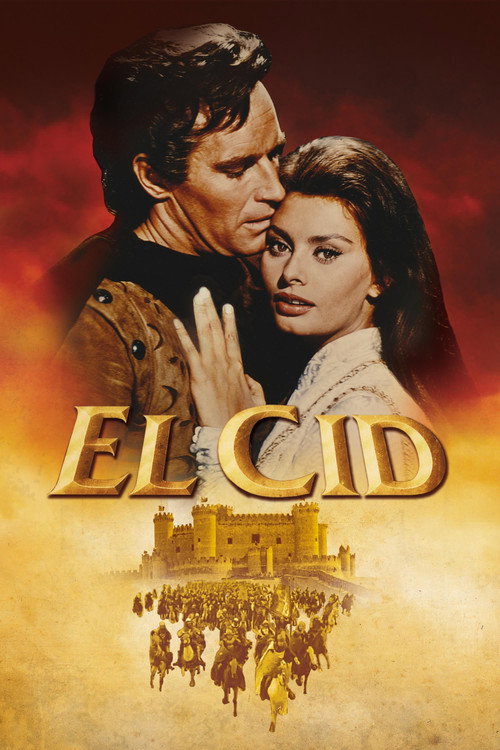
El Cid1961
Charlton Heston in an epic about a legendary warrior, directed with swagger and shot on scale. Old-school historical romance with genuine spectacle and conviction.
But Dated pacing and some cringe-worthy racial politics; feels archaic in ways that matter.
The Last Temptation of Christ1988
Both examine how a man becomes mythologized, how personal life collapses under the weight of historical inevitability and divine or secular destiny.
Scorsese's four-hour meditation on faith, power, and historical consequence. Audacious, visually ravishing, takes its subject with absolute seriousness despite (because of) its heresy.
But Deeply divisive; three hours of theological argument interspersed with violence. Not entertainment in the conventional sense.
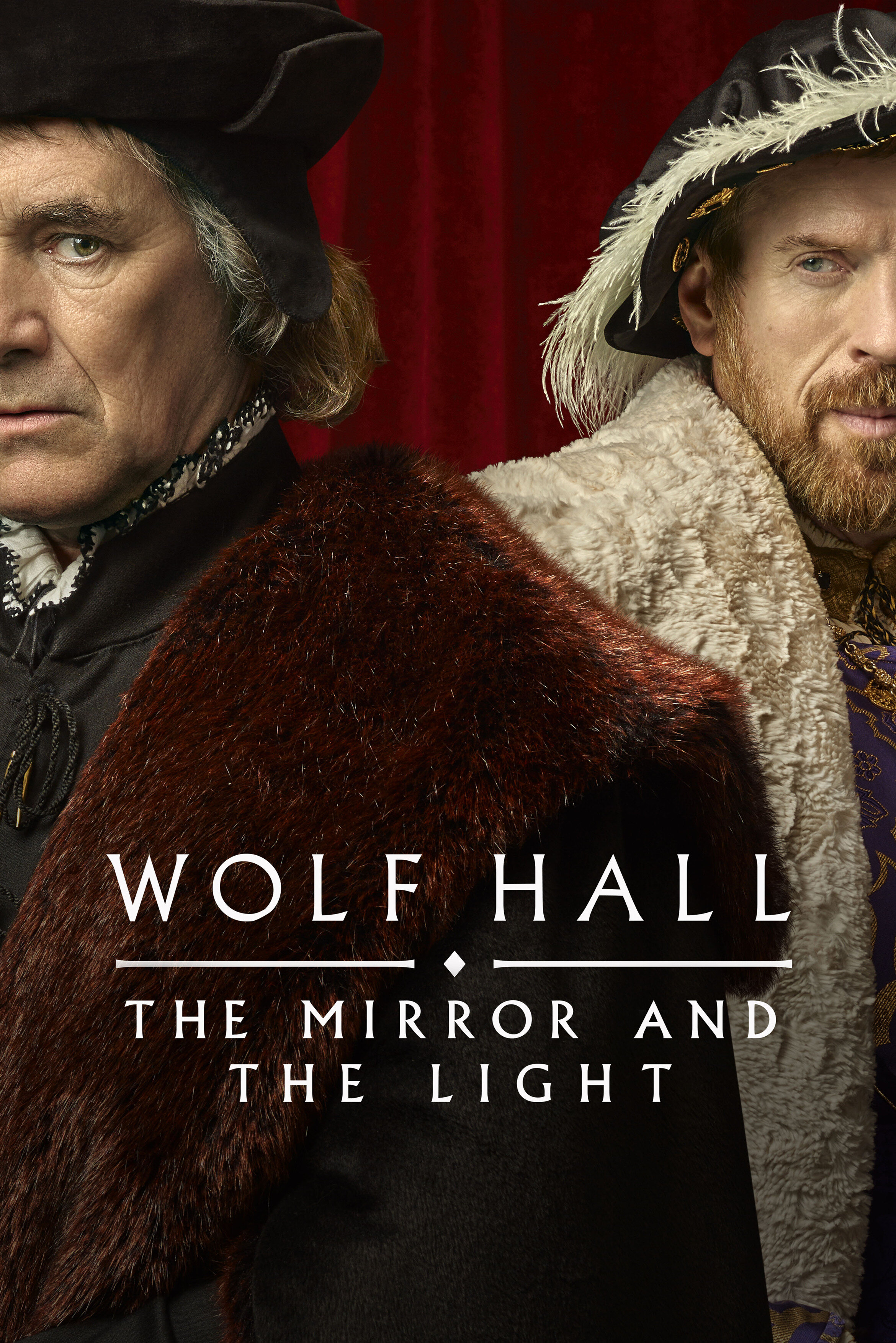
Wolf Hall2015
Same era (roughly), same preoccupation with power's personal cost, but approached as moral archaeology rather than romantic drama. Cromwell is Süleyman's inverse—watching a man survive by becoming smaller, colder, more necessary.
BBC adaptation of Hilary Mantel's novels, following Thomas Cromwell's rise through Henry VIII's court. Intellectual, dark, phenomenally acted—history as psychological thriller rather than pageant.
But Deliberately austere visually; prioritizes language and intrigue over spectacle. Demands attention, rewards it slowly.