
Television series
Masquerade
Other titles called Masquerade: the 1965 film, the 1988 film.
Masquerade is a breezy 1983 spy thriller where an intelligence agency recruits everyday civilians for one-off covert operations. Each week brings a fresh mission, a fresh team, and the particular pleasure of watching normal people improvise their way through international intrigue. It's Mission: Impossible lite—fun, unpretentious, built for the episodic TV format where you don't need to remember much.
Should you watch it?
Watch it if you enjoy self-contained espionage where a team of outsiders takes on one job at a time, and the pleasure lies in watching a clever setup come together.
Skip it if you need continuing story arcs or modern pacing, since each hour is self-contained and the formula does much of the heavy lifting.
What it asks of you: Twelve hour-long episodes and a single season, paced for a case each week rather than one tight thread, so settle in and let each job play out.
Not sure? Find tonight's pick in a minute.
If you liked this
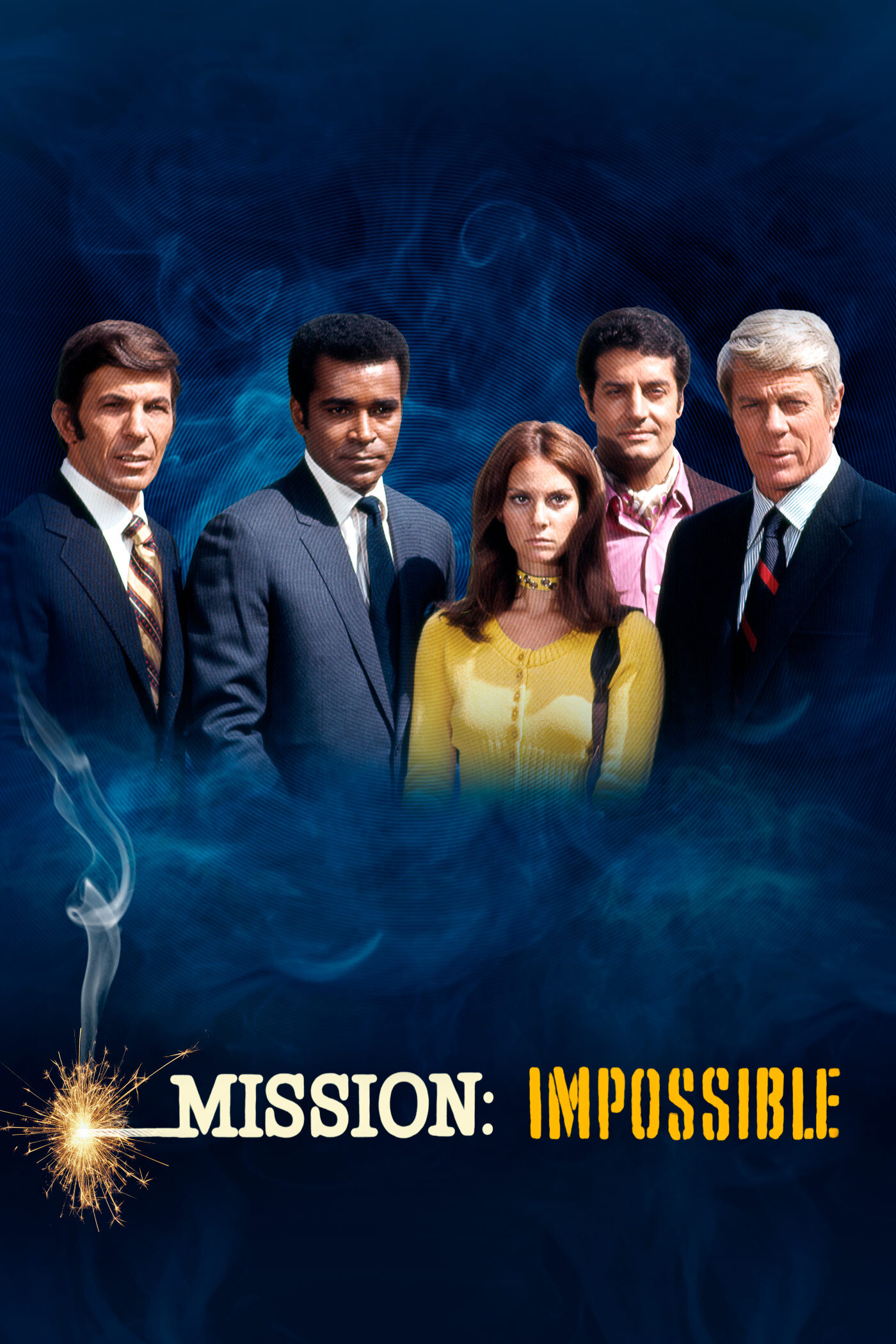
Mission: Impossible1966
The obvious DNA match: Impossible Missions Force, elaborate setups, a new operative team each week. It's the gold standard for this exact format—slicker, more confident, endlessly inventive in its approach to the heist-spy hybrid.
But Runs for seven seasons. The early episodes move slowly by modern standards, and some of the disguises and plots strain credibility even within their own logic.
The Equalizer2021
Edward Woodward is a former agent for hire solving cases for ordinary people. Same era, same mix of civilian problem-solvers and professional know-how, same commitment to making espionage feel accessible and grounded.
But More of a detective show than pure spy fiction, and the tone is considerably darker and more serious than Masquerade's lighter touch.

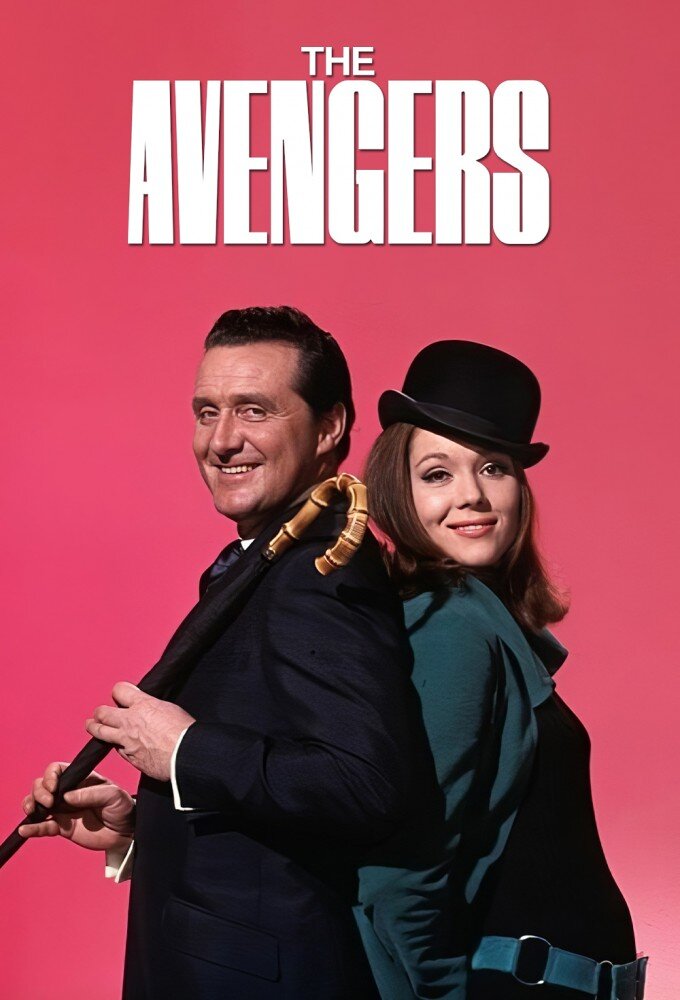
The Avengers1961
Elegant British spy-fi with a different team pairing each episode, camp humor, gadgetry, and the same commitment to style over plausibility. If you like the adventure without taking it too seriously, this is essential viewing.
But The early black-and-white episodes feel very dated, and the show's brightness can be exhausting if you're not in the mood for constant whimsy.
Not sure tonight? Get a pick in a minute, starting from Masquerade
The wildcard
Something you would not have found on your own.
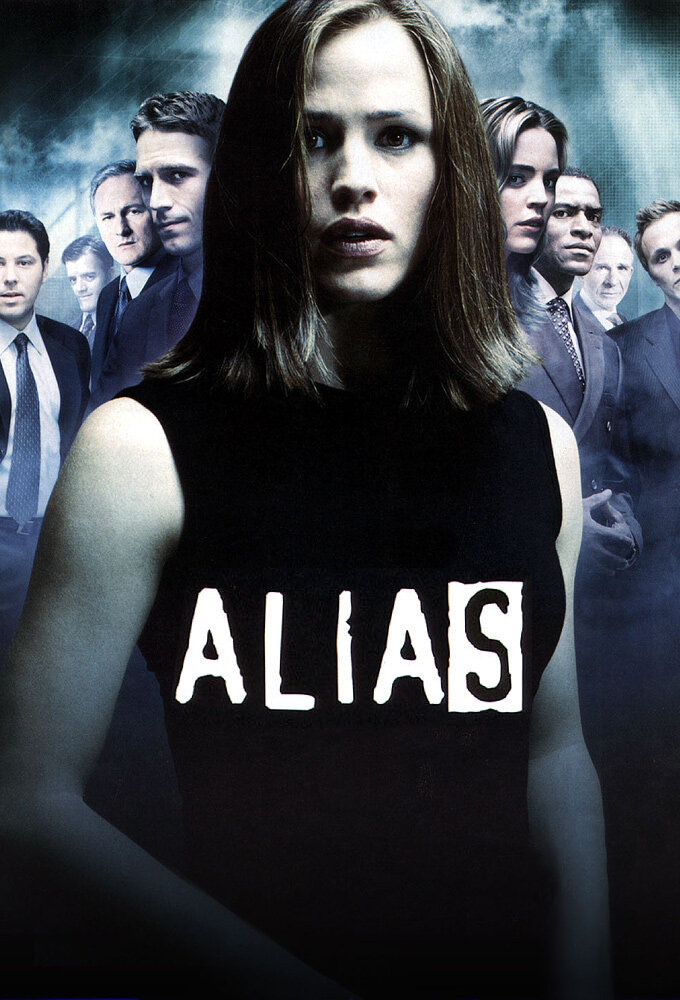
Alias2001
Both begin with the same premise: non-specialists recruited by intelligence agencies. Alias takes that premise seriously and tragic; Masquerade keeps it light. Seeing the same DNA in two opposite registers is illuminating.
A civilian recruited into espionage, learning tradecraft episode by episode. It starts exactly where Masquerade begins—ordinary person, extraordinary circumstances—but transforms the format into something operatic and genuinely moving. The best spy show about what recruitment actually costs.
But Becomes increasingly mythology-heavy and serialized. If you want episodic fun, later seasons demand emotional investment in long-form mythology that Masquerade never attempts.
More like this (7)
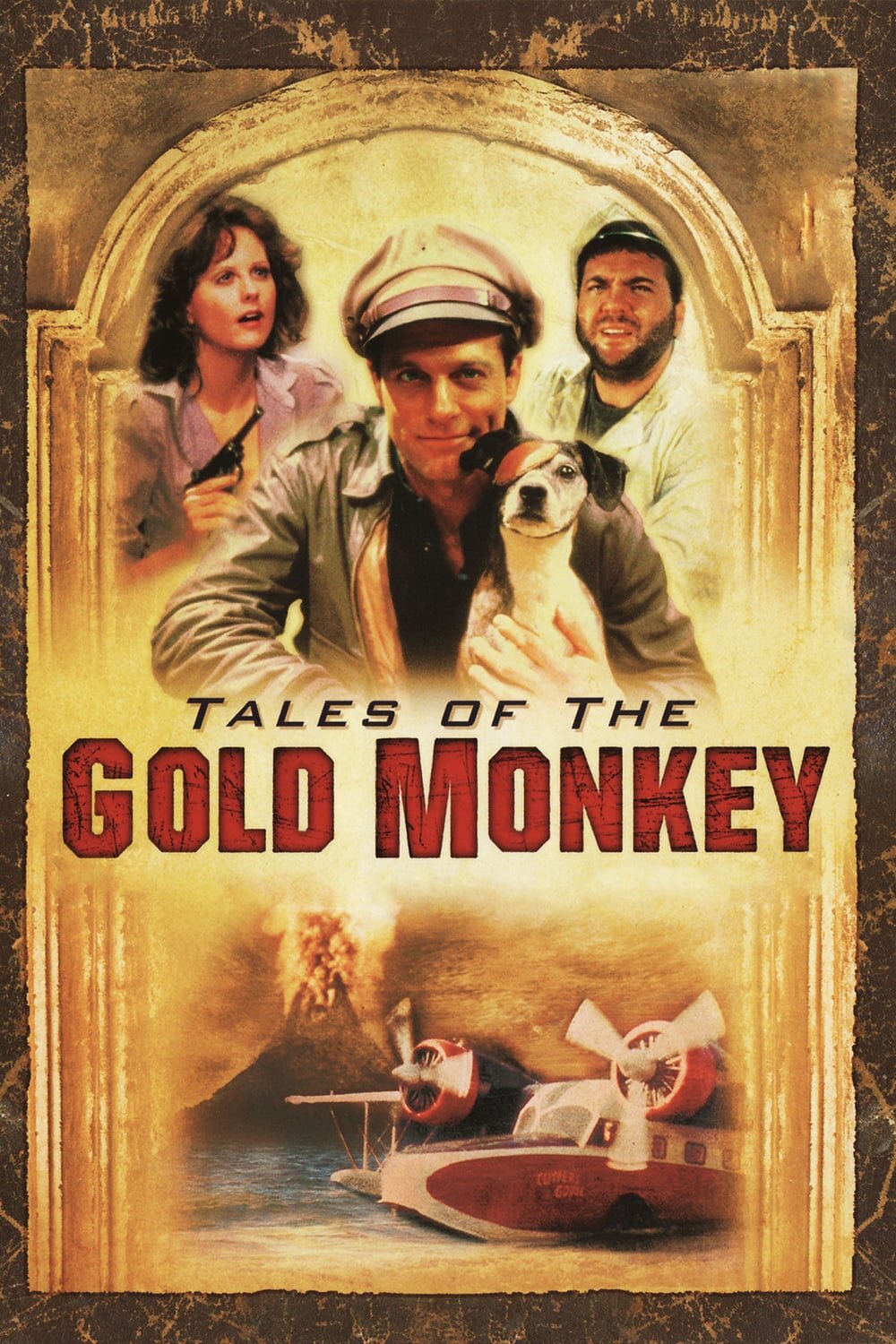
Tales of the Gold Monkey1982
Another early-80s adventure series with the same episodic lightness, exotic settings, and a scrappy team solving problems. It has the same DNA and the same cheerful refusal to be grim about danger.
But Only lasted one season, and the writing is inconsistent. Some episodes click perfectly; others feel padded and aimless.
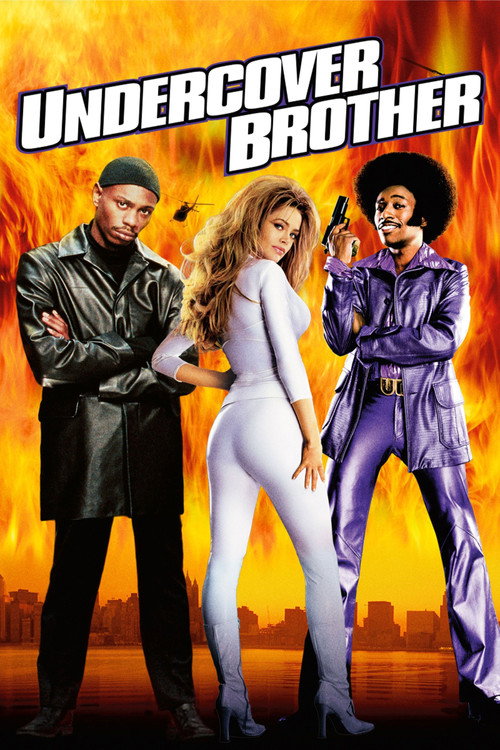
Undercover Brother2002
A comedy spy-thriller with an ensemble cast recruited for an impossible mission. It has the same energy as Masquerade—breezy, a little silly, committed to the absurdity of ordinary people in extraordinary circumstances.
But The humor is very early-2000s, and it leans hard on parody in ways that may feel dated or forced depending on your tolerance for broad comedy.
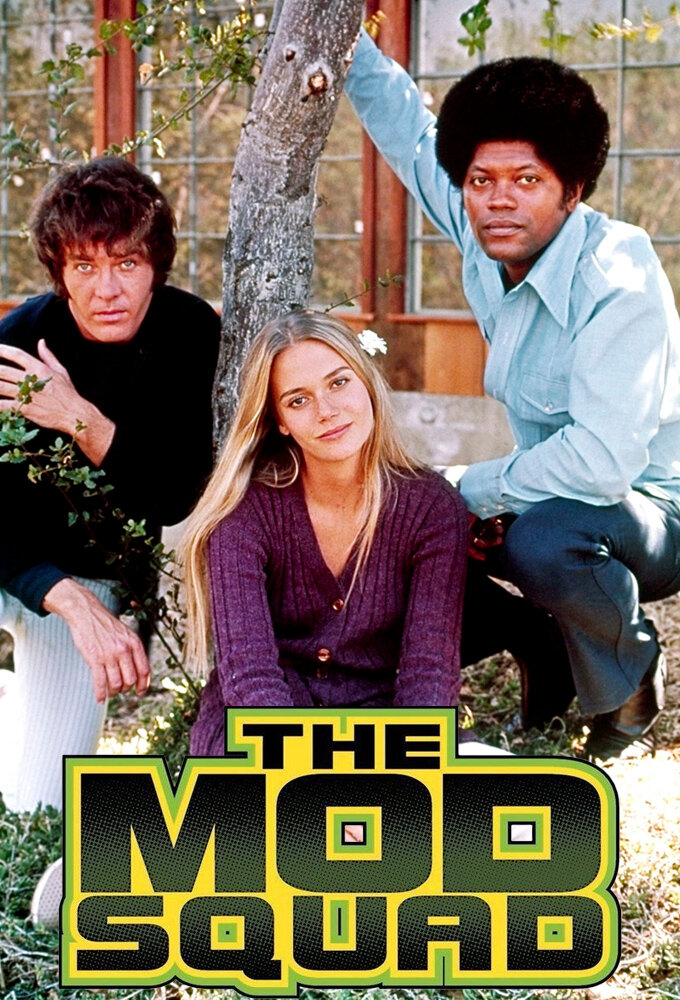
The Mod Squad1968
Three young undercover operatives take on cases for the LAPD. It captures the same pleasure of watching civilian specialists (in this case, actual hippies) use their particular skills to infiltrate criminal operations.
But Heavy-handed about its social messaging, and the police procedural structure is much tighter and more repetitive than Masquerade's variety.
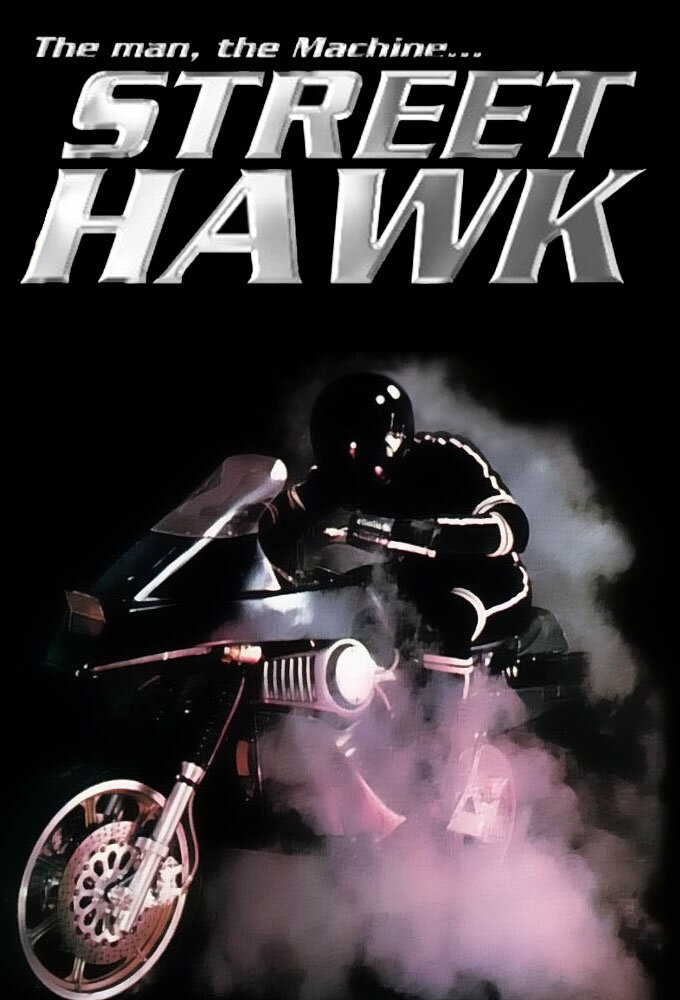
Street Hawk1985
A lone operative with a high-tech motorcycle takes on secret missions for a shadowy agency. It shares the same episodic mission structure and the same 1980s faith that technology and style can solve any problem.
But Creaks badly under the weight of its own concept. The motorcycle is cool exactly once, and the show doesn't have enough plot variety to sustain a full season.
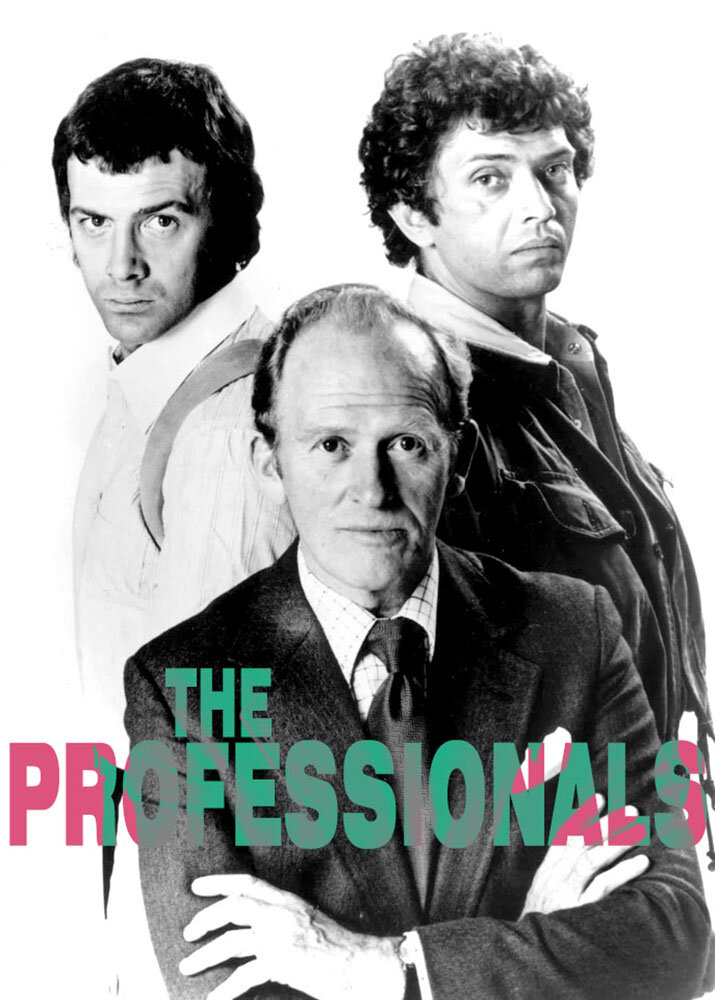
The Professionals1977
Two former intelligence agents run a covert operation for hire. It's Masquerade's spiritual ancestor—episodic, professionally executed, with the same mix of practical tradecraft and action beats.
But Very British in tone, which means slower pacing and a preference for understated tension over excitement. Not everyone enjoys that register.
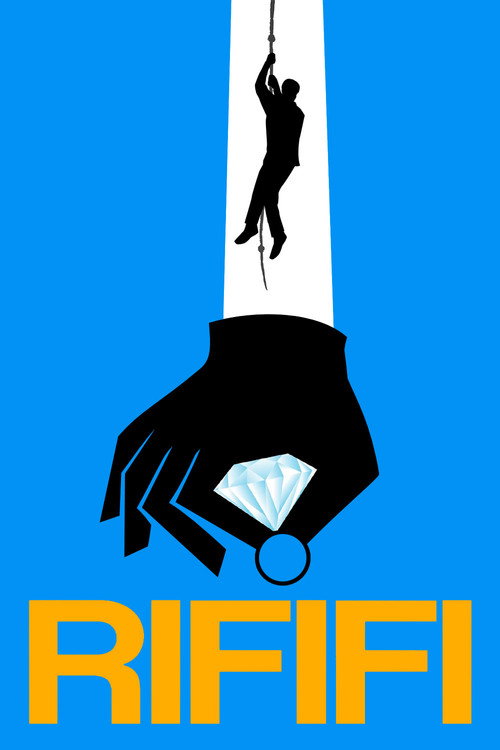
Rififi1955
Masquerade is built entirely on the Rififi template: assemble a team, assign the mission, watch them execute. Seeing the source material shows how much DNA persists across eras and how much style you can vary within the same structure.
A jewel heist directed by Jules Dassin with a famous silent robbery sequence. It invented the template that Masquerade recycles—a team assembled for one impossible job, the job itself as the story's only plot. This is where the form was born.
But It's French, from 1955, and operates at a completely different tempo. No humor, no light touch, no episodic reset. If you need dialogue and movement, this is austere and patient.
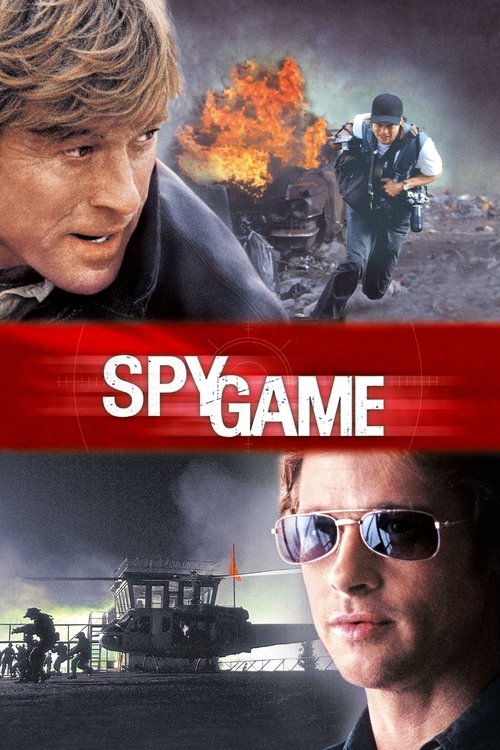
Spy Game2001
Both lean on the pleasure of episodic variety: a new mission, new stakes, new problems each week. Animation lets this show reach further visually than Masquerade could; seeing the same format in animated form reveals what's possible when you're not bound by live-action logistics.
An animated anthology series where each episode is a different spy story. It has the episodic structure of Masquerade and the same commitment to fun over grit, but in a completely different medium that lets the show do things live-action can't.
But It's animated, which will disappoint people watching for real actors and physical stunts. The episodes are shorter and more contained, which can feel slight if you want substantive plotting.
People
Cast


Writing
- Glen A. LarsonCreator