Television series
Married at First Sight
Other titles called Married at First Sight: the 2014 series (Peacock).
Married at First Sight is a reality experiment where strangers meet at the altar, guided by relationship experts using psychology and neuroscience to find matches. It's compulsive, emotional viewing—equal parts hopeful and cringe-worthy. For anyone curious about human connection, romantic risk, and whether algorithms can predict chemistry.
If you liked this
Love Island2015
Strangers in an intense environment, forming and dissolving connections in real time. The stakes feel immediate and genuine, even when you know it's constructed. Addictively watchable.
But Pure spectacle with minimal depth. The contestants are often indistinguishable; the drama can feel engineered rather than organic.

The Bachelor2003
Another structured romance experiment, but stretched across weeks with real relationship development. Absurd premise executed with sincerity, which somehow makes the emotional beats land harder.
But The format is formulaic and occasionally misogynistic. Decades of the same narrative beats can feel exhausting if you've seen even one season.

Love Is Blind2020
Takes the radical premise further: pods before faces, then marriage before moving in. Similar emotional exposure to MAFS but with even higher stakes and longer commitment arcs.
But Some participants are clearly performing for the camera. The manufactured drama occasionally overshadows genuine human conflict.

Not sure tonight? Get a pick in a minute, starting from Married at First Sight
The wildcard
Something you would not have found on your own.
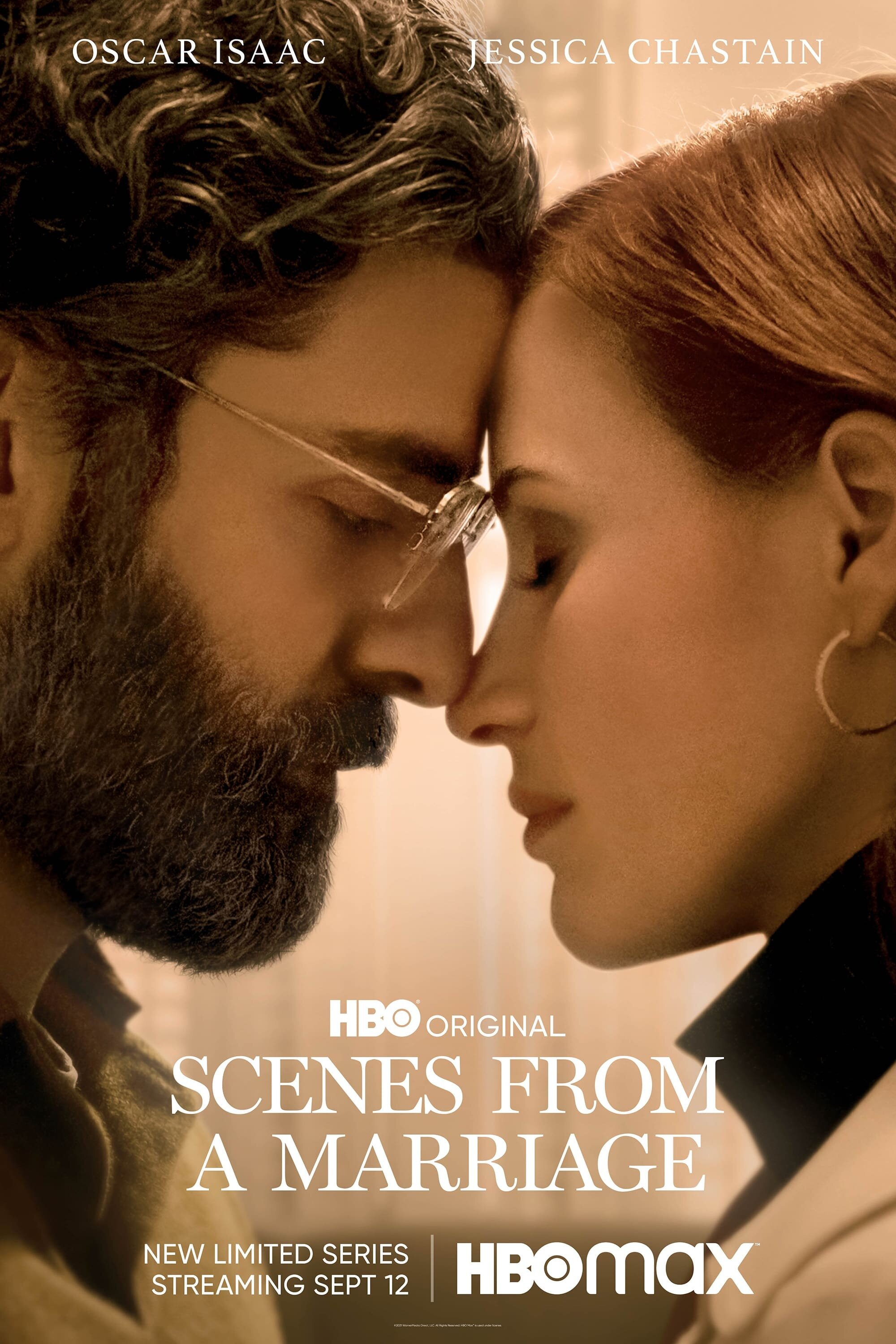
Scenes from a Marriage2021
Both put marriages under a microscope, but where MAFS asks 'can we build this?', Scenes asks 'why do we destroy what we build?'. Different conclusions, same unflinching gaze.
HBO miniseries that examines a marriage's arc through brutal honesty. Like MAFS but with five-star acting and Bergman's DNA in the writing. Every scene earns its emotional weight.
But Relentlessly bleak about romantic partnership. If you watch MAFS for hope, this will feel like a punishment; it doesn't believe in happy endings.
More like this (7)
Queer Eye2018
Transformation and acceptance focused. The experts here actually care about the people they help, not just the experiment. Warm without being maudlin.
But The feel-good formula can be saccharine. Every episode resolves too tidily; real change is messier than this.

The Great British Bake Off2010
Strangers competing under pressure, forming genuine bonds. The stakes are manageable, so you can relax into the social dynamics without constant manufactured crisis.
But Deliberately low-stakes and gentle. If you want emotional volatility or conflict, you'll find this almost too wholesome.

Gogglebox2013
Real relationships on display—couples and families reacting to television together. It's anthropology masquerading as entertainment, oddly intimate and revealing.
But Nothing really happens. If you need narrative momentum or stakes, watching people watch TV will feel like procrastination.

Below Deck2013
Confined spaces forcing relationships—crew members working and living on yachts. Real friction from proximity and hierarchy, less artifice than dating shows.
But Repetitive cast dynamics after a few seasons. The wealthy clients barely register as people; your interest lives or dies on crew chemistry.

Too Hot to Handle2020
Another experiment format: attractive singles isolated from phones and sex, earning money by resisting temptation. Silly, sometimes surprisingly thoughtful about attachment.
But The premise is juvenile. The prize money feels arbitrary; emotional growth isn't the real incentive, which undermines the whole thing.

Come Dine with Me2005
Both use structured social rituals to expose personality. MAFS uses marriage; this uses dinner. One's looking for romantic compatibility; the other's just honesty.
Strangers evaluating each other across meals, competing for judgment. Relationship dynamics emerge through food and small talk—subtler than MAFS but more revealing of who people actually are.
But Deliberately low-stakes. The format is repetitive; four dinner episodes blur into one after you've seen a few seasons.

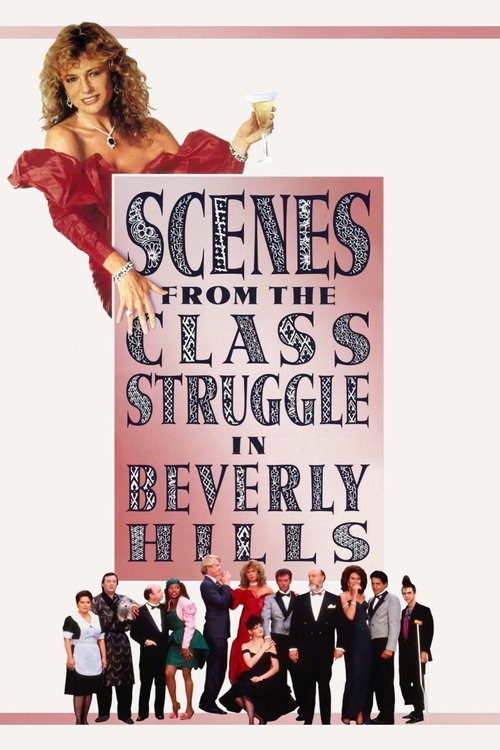
Scenes from the Class Struggle in Beverly Hills1989
Both are obsessed with whether attraction can be engineered and predicted. MAFS uses science; this uses money and manipulation. Same question, opposite registers.
A 1989 satire about a bet between wealthy women over romantic conquests. Trashy, funny, and genuinely interested in how attraction, class, and performance collide.
But Deeply dated and occasionally offensive. The satire is blunt; if you need subtlety or modern sensibilities, this will feel like watching someone's prejudiced aunt.