
Television series
London Spy
A taut thriller about grief weaponized into obsession. Ben Whishaw plays a man unravelling after his lover—a brilliant MI6 analyst—dies under mysterious circumstances. It's intimate and paranoid by turns, moving between devastating intimacy and cold institutional menace. For anyone who loved *Bodyguard* or *Slow Horses* but wants something smaller, stranger, more personal.
Should you watch it?
Watch it if you like slow-burn conspiracy stories where grief drives the investigation, and a love story that stays tender even as the thriller tightens around it.
Skip it if you want brisk plotting and clear answers, since the loyalties stay deliberately murky for long stretches and the mood rarely lifts across its five hour-long episodes.
What it asks of you: Five hour-long episodes, unhurried and often quiet, with scenes that linger on faces rather than rushing toward the next chase.
Not sure? Find tonight's pick in a minute.
If you liked this
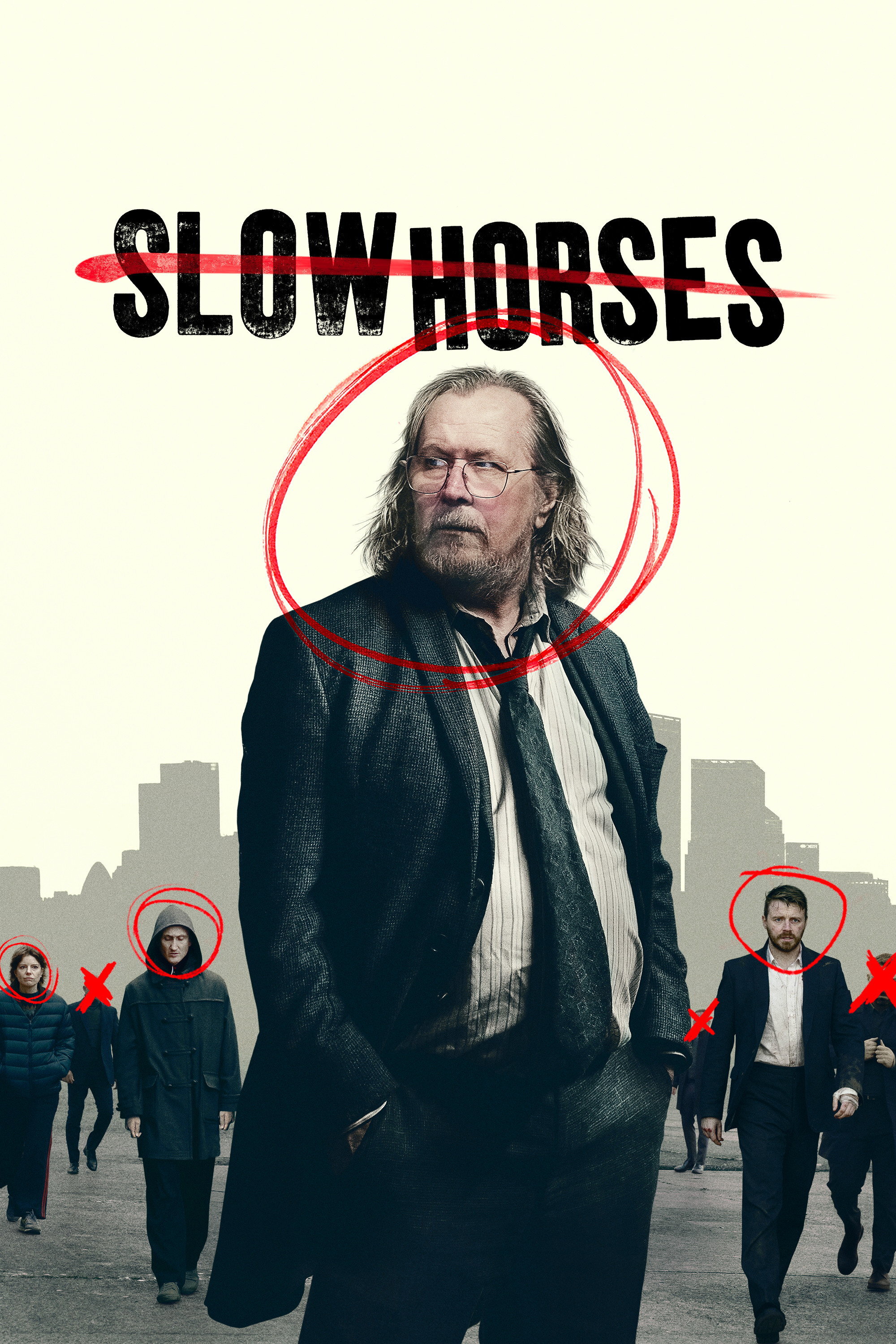
Slow Horses2022
Mick Herron's MI6 misfits navigate institutional paranoia and moral compromise with the same blend of dread and dark humour. Gary Oldman is magnificent, and like *London Spy*, it trusts you to feel the weight of secrets.
But It's a long commitment—four seasons—and the plotting can feel labyrinthine. Some find the tone uneven between comedy and darkness.
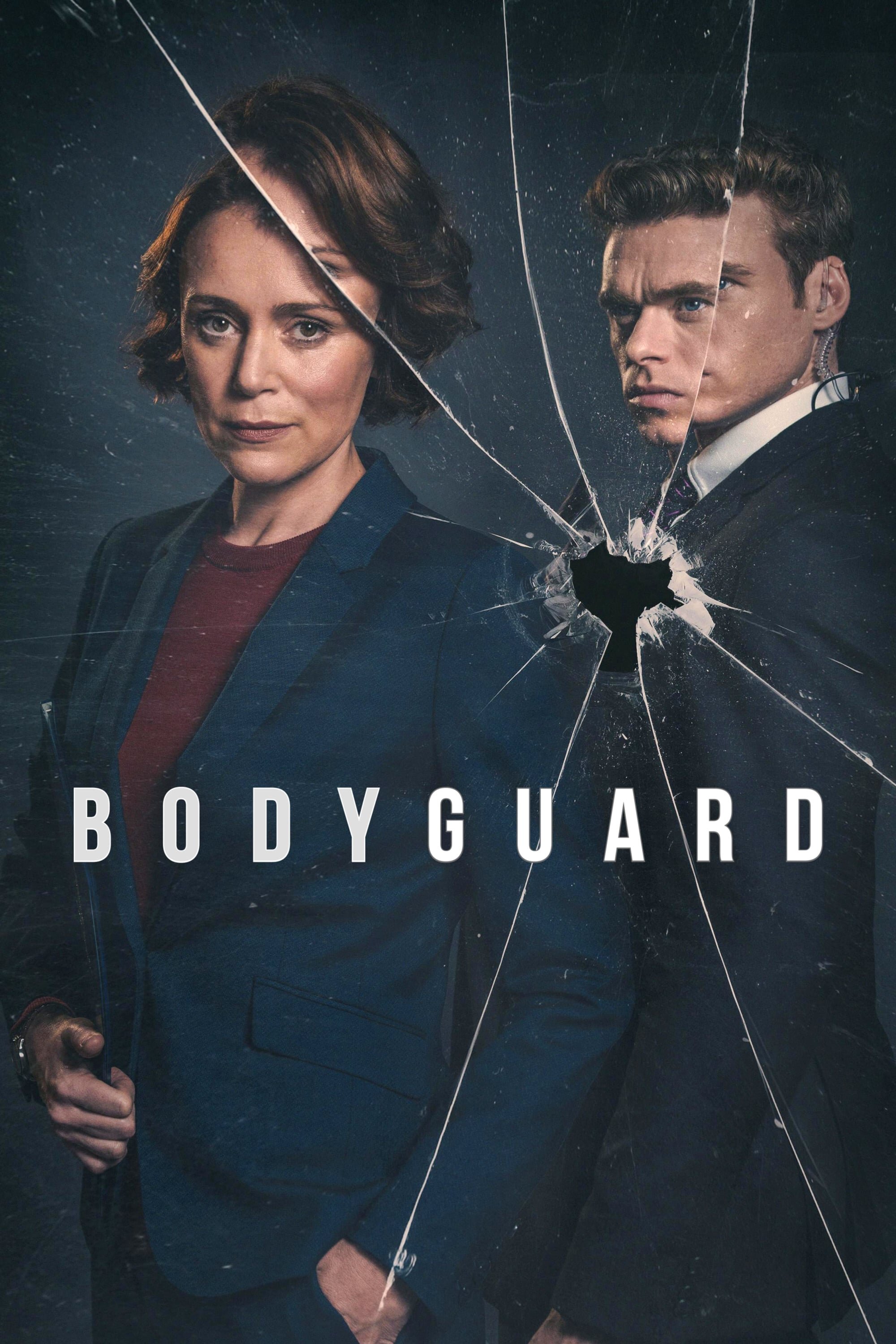
Bodyguard2018
Six episodes of relentless tension about a war veteran assigned to protect a controversial politician. Jed Mercurial's script is lean and vicious, and like *London Spy*, it makes you distrust everyone, including the protagonist.
But The twist is divisive—some feel it undermines the psychological complexity. Also extremely bleak; not escapism.
The Killing2011
Sarah Lund's obsessive hunt for a murdered girl mirrors Danny's descent into obsession perfectly. It's methodical, atmospheric, and genuinely haunting. You feel the weight of unanswered questions like a stone in your chest.
But It's four seasons and very slow-paced. The repetition of investigative dead-ends can feel punishing rather than purposeful.

Not sure tonight? Get a pick in a minute, starting from London Spy
The wildcard
Something you would not have found on your own.
Lilting2014
Both centre on a man whose life contracts to the size of his grief, moving through bureaucratic and social systems that can't contain what he's feeling. Whishaw brings the same trembling vulnerability to both.
Hong Khaou's grief film about a man mourning his dead lover and slowly forming an unexpected bond with the lover's mother. It has *London Spy*'s obsessive focus on one man's interior devastation, but trades espionage for intimacy. Ben Whishaw is luminous.
But It's unbearably sad in a quiet way. Almost nothing happens. If you want plot resolution or closure, this will frustrate you.

More like this (8)
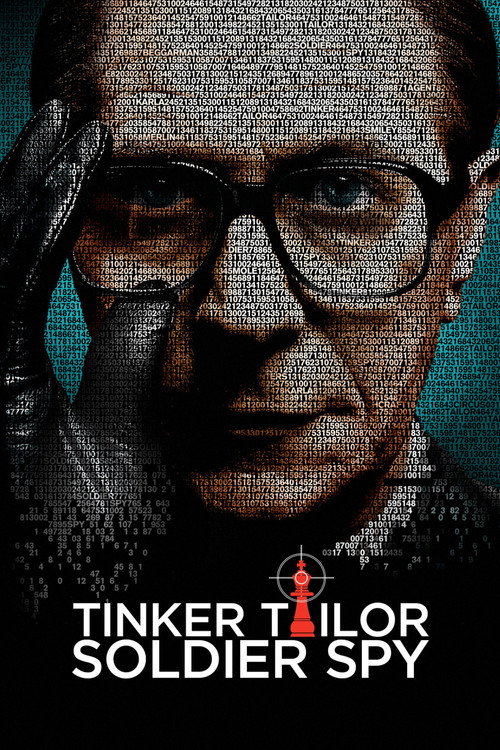
Tinker Tailor Soldier Spy2011
Le Carré's Cold War spy drama has the same whispered dread and institutional betrayal as *London Spy*. Gary Oldman's Smiley is all repressed emotion and devastating intelligence. Utterly gripping if you let it work at its own pace.
But It's glacially paced and assumes you know Cold War history. The plot is deliberately opaque; some find it impenetrable.
The Americans2013
Two Soviet KGB officers pose as an American couple while their marriage erodes under the weight of espionage. It has *London Spy*'s intimate focus on relationships corroded by secrets, with superb performances from Matthew Rhys and Keri Russell.
But Ten episodes per season across six seasons is a commitment. The emotional toll is real—it rarely lets up or offers comfort.

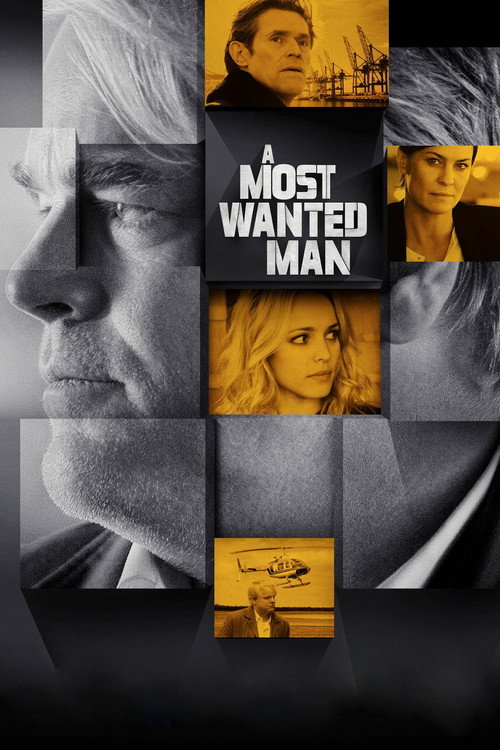
A Most Wanted Man2014
Le Carré again, but adapted into a taught thriller about a German intelligence officer tracking a suspect through Hamburg. Philip Seymour Hoffman brings the same worn, obsessive energy as Whishaw's Danny; it's paranoia as bureaucratic routine.
But Released the same year *London Spy* aired, it can feel like pale retread. Some find the procedural elements tedious.
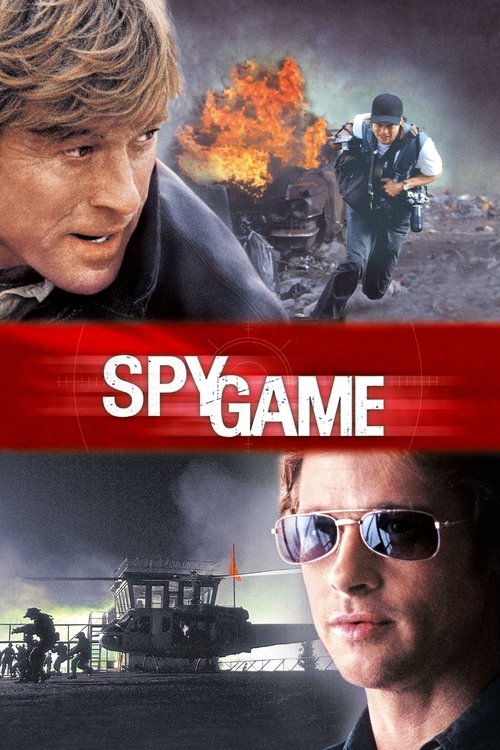
Spy Game2001
Robert Redford and Brad Pitt in a stylish cat-and-mouse game about a mentor recruiting and betraying his protégé. It's got that same brittle tension between intimacy and institutional loyalty, wrapped in slick 2000s espionage.
But It's more fun than profound. Feels dated in its filmmaking style, and the emotional stakes don't quite land like they should.
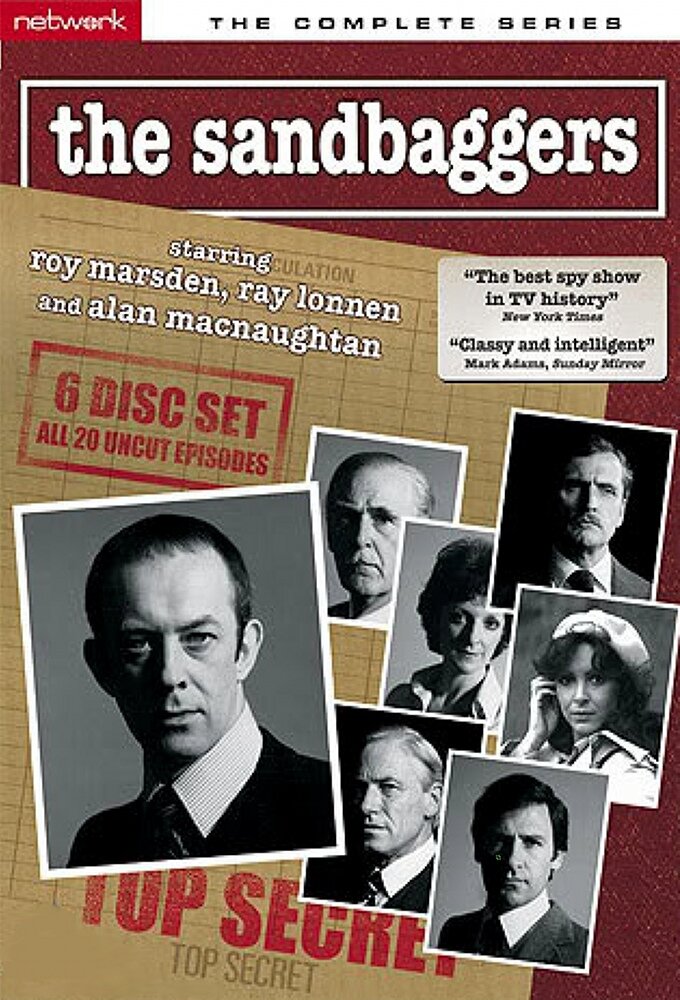
The Sandbaggers1978
A cult British spy series about MI6 operatives balancing loyalty, ambition, and survival. It predates *London Spy* by decades but shares its paranoid atmosphere and willingness to let good people make terrible choices.
But It looks extremely dated—shot on videotape in the late 70s. Only twelve episodes exist, and they can feel slow by modern standards.
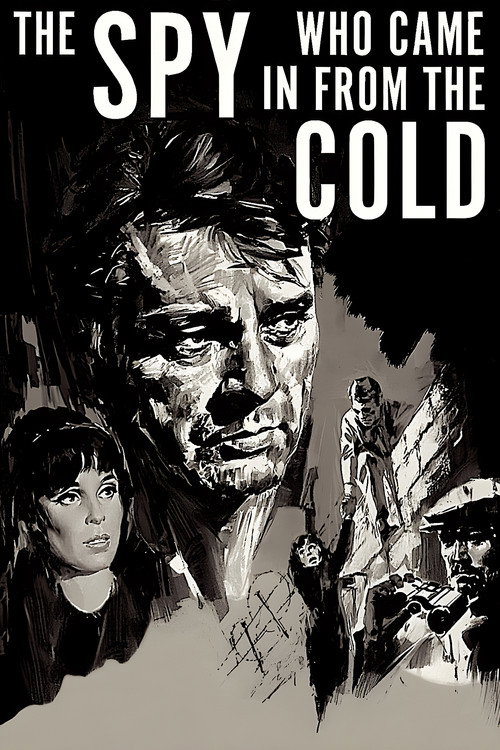
The Spy Who Came In from the Cold1965
Le Carré's debut adapted with Burton and van Eyck. It's bleak, unsentimental espionage that treats spying as a job of moral attrition, not adventure. The ending echoes *London Spy*'s refusal to offer catharsis.
But It's a 60-minute film from 1965, which means it moves like molasses and looks like grainy newsreel. The gender politics are very much of its time.
The Lives of Others2006
Both films/shows ask whether love can survive total surveillance, and both argue it cannot. Both feature protagonists caught between institutions and hearts, choosing the heart and being destroyed for it.
A Stasi surveillance officer begins to question his loyalty after monitoring a playwright and actress. It's about institutional power corroding human connection, and paranoia as a moral disease. Haunting and impeccably made.
But It's German-language with subtitles. Also—fair warning—it contains a suicide that's not handled lightly.

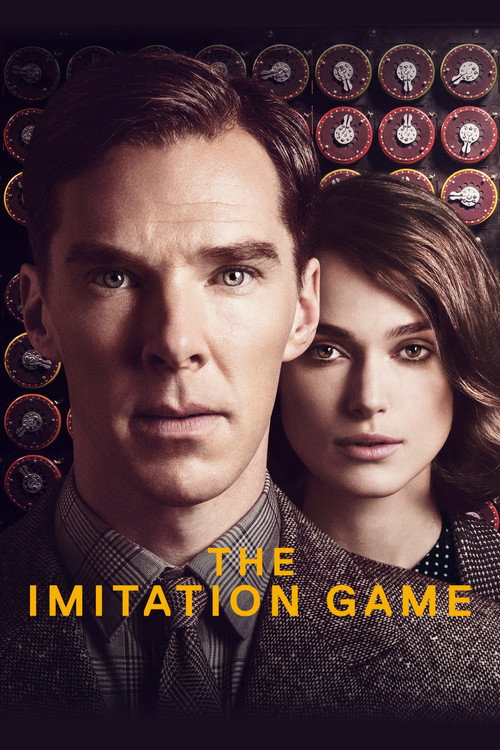
The Imitation Game2014
Both centre on brilliant, sensitive men destroyed by institutions—one by the state's homophobic violence, one by MI6's institutional paranoia. Both suggest that genius and vulnerability are not separate traits, but linked.
Morten Tyldum's film about Turing and his Bletchley Park code-breaking team treats his obsessive brilliance as both a weapon and a wound. Like *London Spy*, it's about how institutional demands destroy extraordinary minds. Cumberbatch is terrific.
But The film takes considerable liberties with history, and some find its framing of Turing's life reductive. It can feel like prestige drama by numbers.
People
Cast







Writing
- Tom Rob SmithCreator
Production
- Guy HeeleyProducer