
Television series
Kroll Show
- Comedy
- Light-hearted
- Dip in and out
Kroll Show is Nick Kroll's sketch comedy series that dissects celebrity culture, reality TV, and fandom through absurdist characters and recurring bit players. It's surreal, deeply committed to its own logic, and rewards viewers who enjoy comedy that builds its own fictional worlds. Smart and chaotic—for people who find traditional sketch structure limiting.
Should you watch it?
Watch it if you laugh hardest at sketch comedy built from a single gleefully awful character, and you enjoy watching someone commit fully to a bit until it turns uncomfortable and then keeps going.
Skip it if you want a continuing story or characters who grow over time, since this is a rotating parade of short sketches and most of them reset before you get attached.
What it asks of you: Each episode runs about half an hour and jumps between bits, so it rewards quick attention and a tolerance for ideas that land badly before the next one arrives.
Not sure? Find tonight's pick in a minute.
If you liked this
It's Always Sunny in Philadelphia2005
Long-running ensemble comedy about morally bankrupt characters in increasingly terrible situations. Like Kroll Show, it builds its world through repetition, inside jokes, and characters so committed to their delusions they become oddly endearing.
But The humor relies heavily on the characters being irredeemable and occasionally cruel. It's crude in ways that don't always land, and thirteen seasons is a lot of commitment.

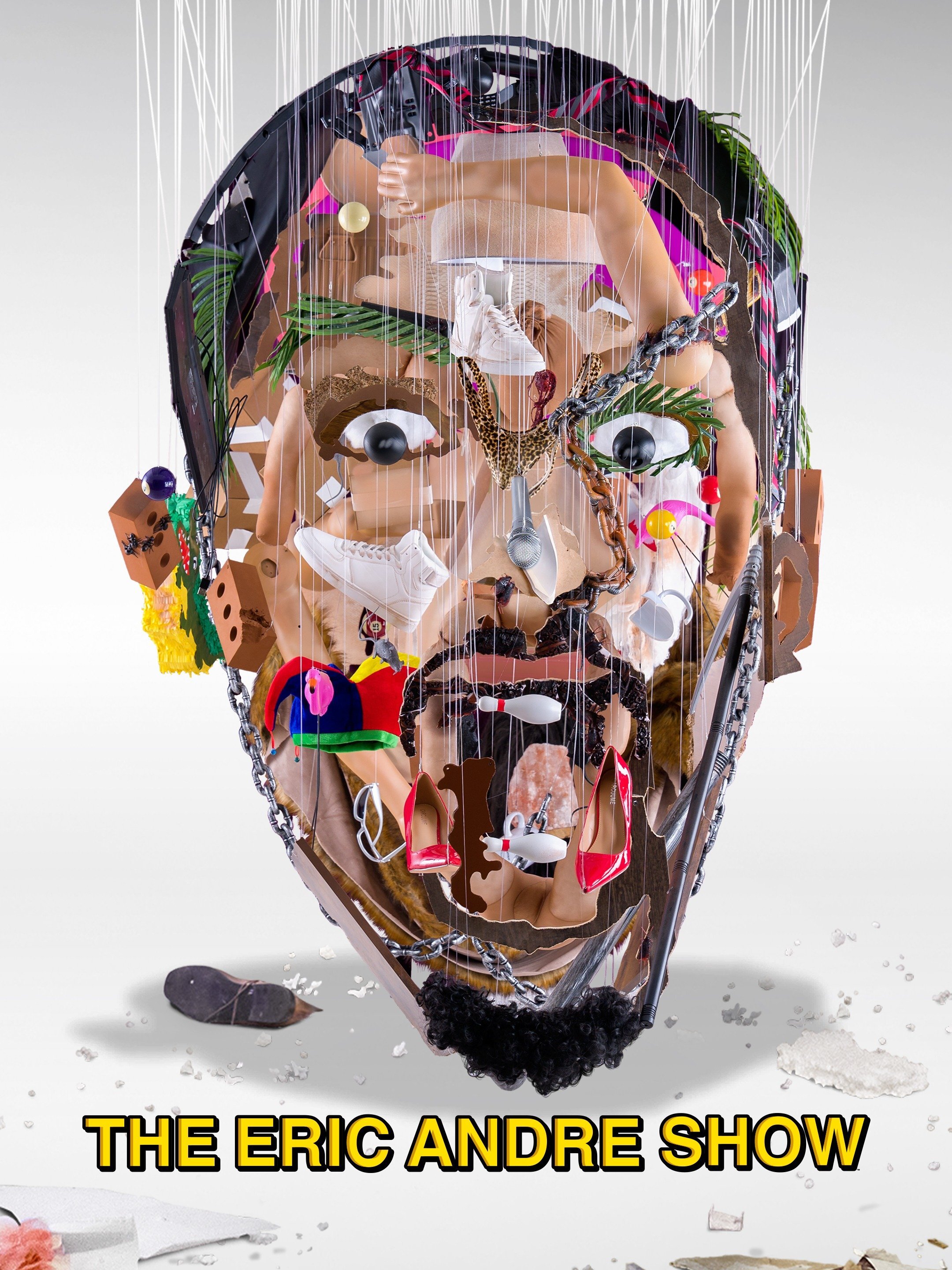
The Eric Andre Show2012
Anarchic talk show parody that dismantles the form itself. Like Kroll Show, it's built on recurring characters and a willingness to derail comedy into something stranger and more unsettling than traditional sketches allow.
But The humor is aggressively absurdist and sometimes deliberately grating. The format can feel exhausting rather than funny if you're not on its wavelength.
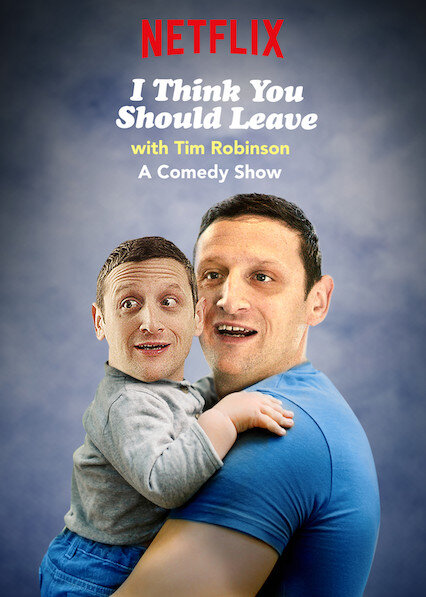
I Think You Should Leave with Tim Robinson2019
Sketch series where characters take absurd premises to their logical, uncomfortable conclusions. Robinson shares Kroll's commitment to making you sit with a character's delusion—the comedy comes from never breaking the bit.
But Many sketches are designed to make you feel uncomfortable rather than laugh outright. Some people find that approach tedious instead of clever.
Not sure tonight? Get a pick in a minute, starting from Kroll Show
The wildcard
Something you would not have found on your own.
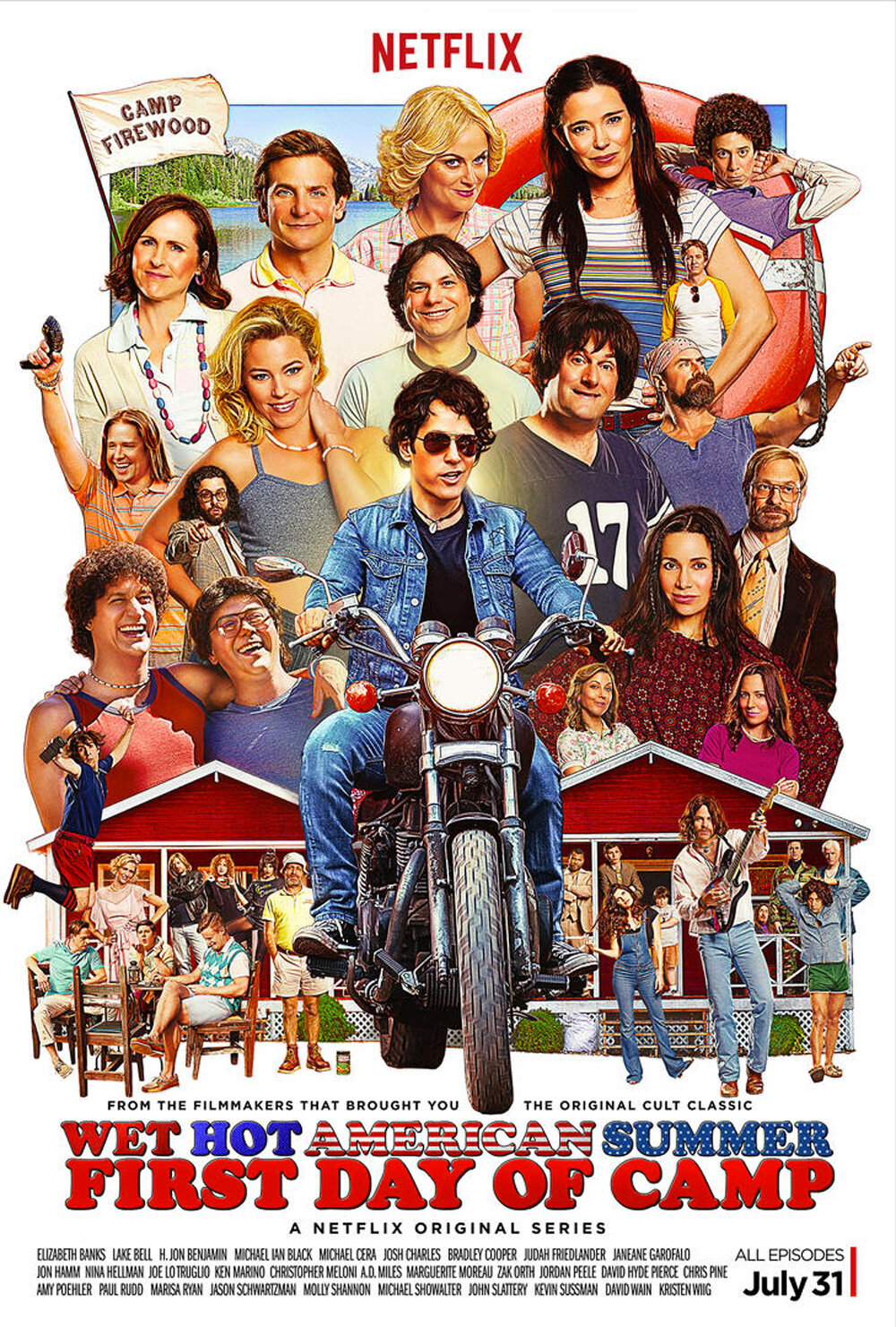
Wet Hot American Summer: First Day of Camp2015
Both build comedy through world-expansion rather than setup-and-delivery; both trust the audience to live in an absurd space across multiple viewings. Both are more interested in character commitment than traditional joke structure.
Prequel miniseries to the cult comedy film, it's built entirely around ensemble sketches and character riffs stretched across episodes. Like Kroll Show, it commits absolutely to its own comedic logic—the absurdity is the point, and it never apologizes.
But Very silly in a way that demands you surrender to its logic immediately. If you need grounding in reality or emotional sincerity, you'll feel lost.
More like this (6)
The State1994
Prototypical sketch show that influenced everything after it, including Kroll Show. It's looser and more chaotic than MTV-era sketch comedy has any right to be, built on recurring characters and sketches that ignore conventional structure.
But The production values are rough and some of the 90s comedy hasn't aged well. Uneven—not every sketch lands, even now.
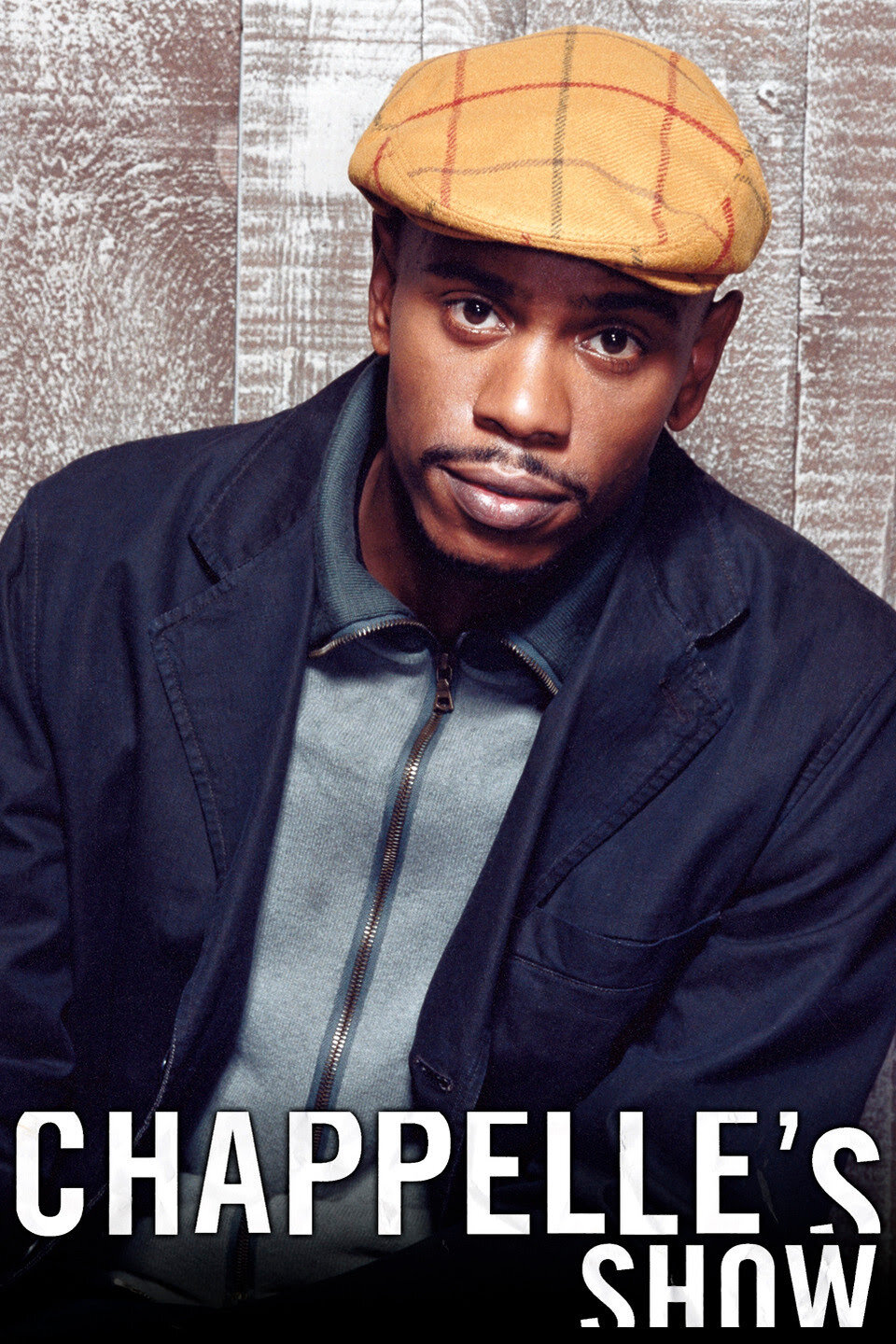
Chappelle's Show2003
Landmark sketch show that uses recurring characters and satirical scenarios to dismantle pop culture. Sharper social commentary than Kroll Show, but the same instinct to let characters breathe across multiple bits.
But The cultural conversation around it has become fraught. Some sketches rely on racial stereotypes in ways that complicate rewatching, regardless of intent.
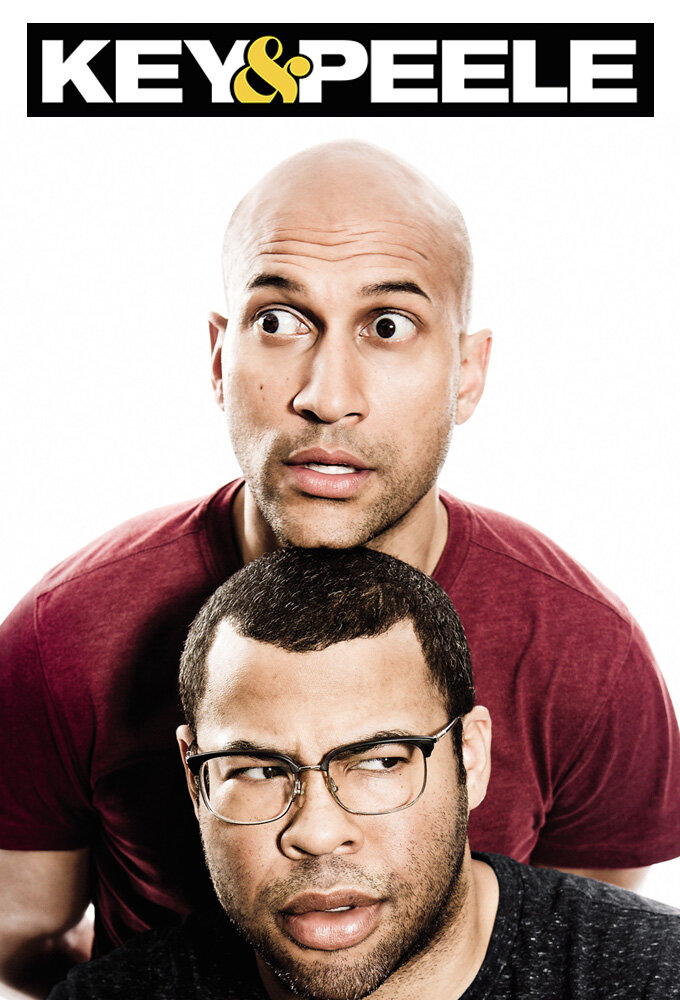
Key & Peele2012
Polished sketch duo whose recurring characters and scenarios build coherent fictional worlds. More mainstream-friendly than Kroll Show but animated by the same idea that the best comedy creates consistent alternate realities.
But The polish means less room for the weird commitment that makes Kroll Show special. Sometimes it prioritizes being clever over being committed to the bit.
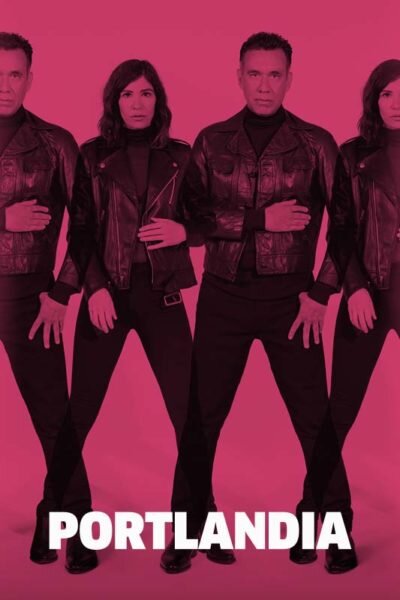
Portlandia2011
Fred Armisen and Carrie Brownstein's sketch show built around a fictional city and its recurring characters. Similar structure to Kroll Show—you watch the same people in variations on scenarios that expand their absurdity.
But The satire of Portland culture is pretty specific. If indie folk singer aesthetics and tech bro stereotypes don't amuse you, there's less to hold onto.
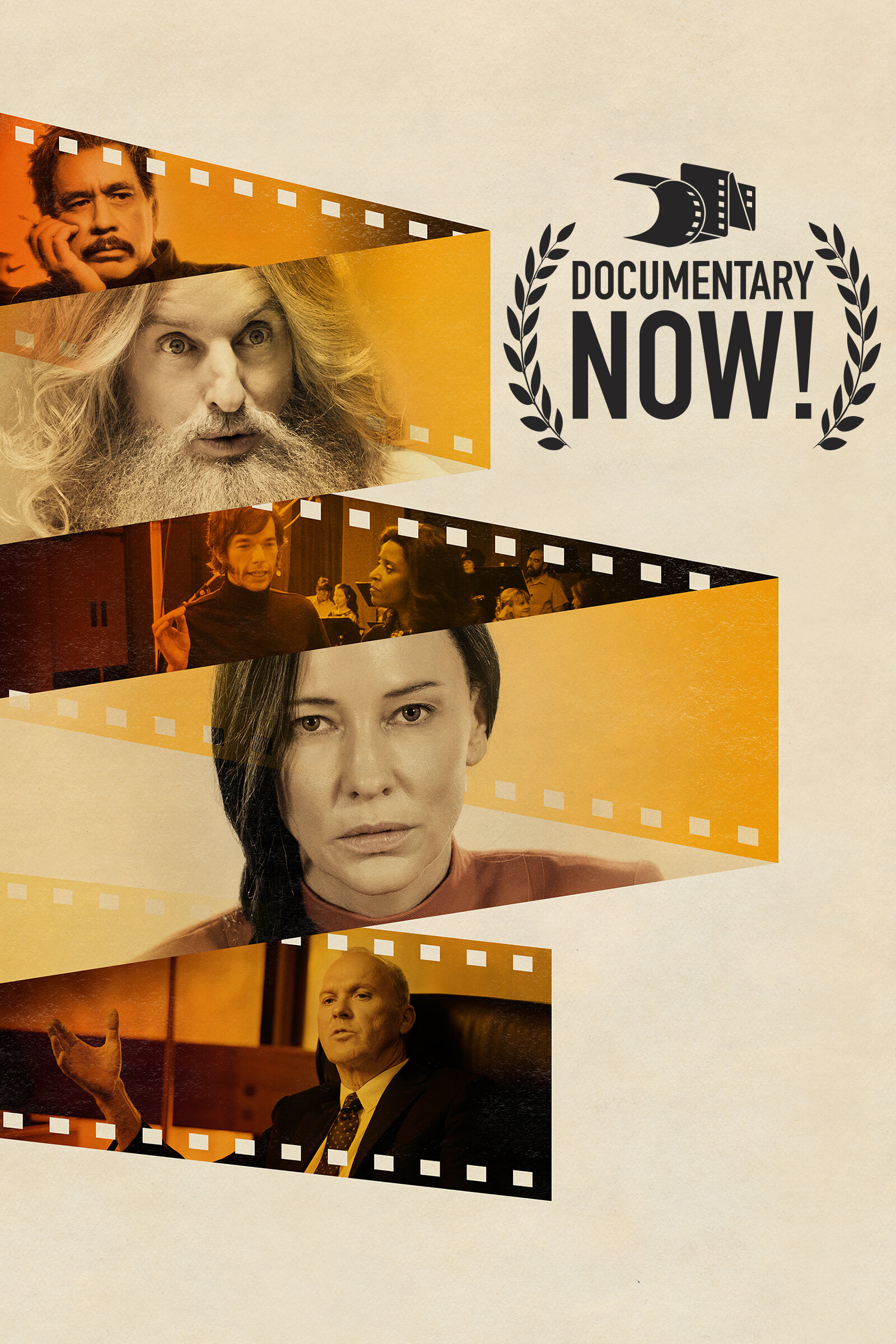
Documentary Now!2015
While Kroll Show builds fictional worlds through repetition, Documentary Now! builds comedy by treating fictional subjects with absolute formal sincerity. Same commitment, opposite direction.
Fred Armisen and Bill Hader parody documentary formats with meticulous attention to form. The comedy doesn't come from sketches—it comes from taking ridiculous subjects seriously in the exact style of real documentaries, which is Kroll Show's instinct inverted.
But The humor is entirely structural. If you haven't seen the documentaries being parodied, the jokes disappear. Some episodes are dry to the point of blandness.
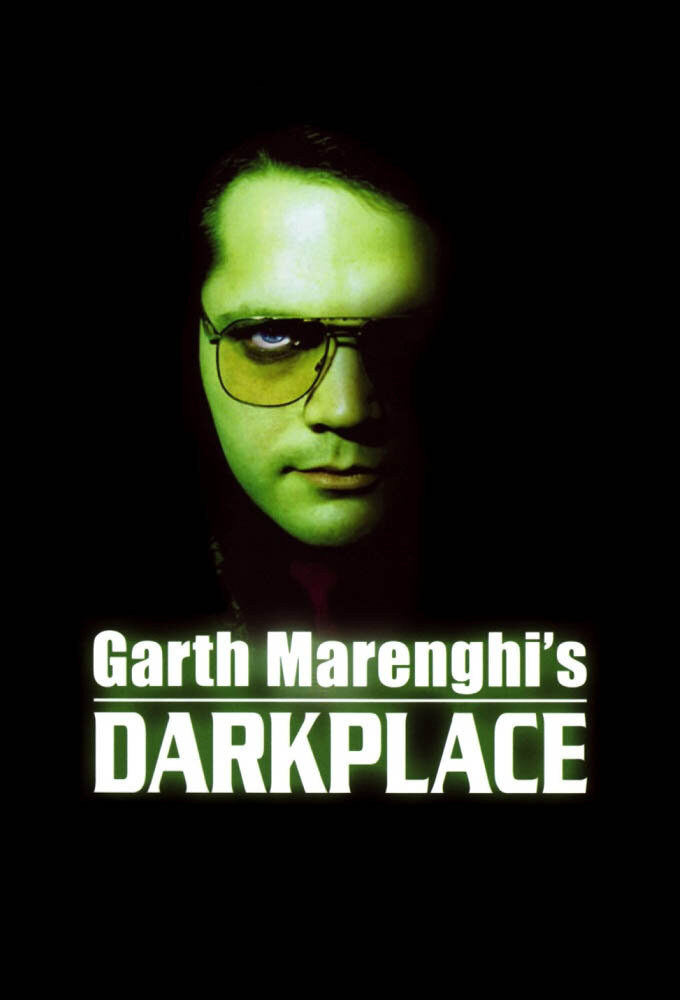
Garth Marenghi's Darkplace2004
Both prioritize committing to a character or world's internal logic over getting laughs; both trust the audience to find comedy in sincerity taken to extremes. Kroll Show does it through pop culture; Garth Marenghi does it through genre fiction.
British cult miniseries that parodies bad 80s horror TV with complete commitment to its own logic. The humor lives entirely in tone and genre accuracy—it's what happens when you treat absurdity with complete seriousness, exactly like Kroll Show's best bits.
But British, slow-paced, and the horror elements are genuinely unsettling rather than funny. Only four episodes, so it's not a big investment, but it's weird and asks patience.
People
Cast
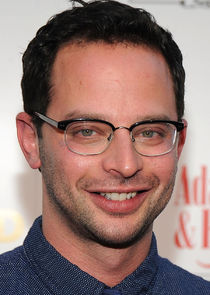 Nick KrollVarious
Writing
- John LevensteinCreator
- Jonathan KriselCreator
- Nick KrollCreator
Production
- Jon DalyCo-Executive Producer
- Christie SmithExecutive Producer
- John LevensteinExecutive Producer
- Jonathan KriselExecutive Producer
- Nick KrollExecutive Producer
- Christie SmithProducer
- Inman YoungProducer
- Chelsea PerettiSupervising Producer
- Joe WengertSupervising Producer
- Jon DalySupervising Producer