Television series
Kokoro Connect
A five-person culture club at a Japanese high school starts swapping bodies without warning, forcing them to literally walk in each other's shoes. What could be pure comedy becomes oddly affecting—a show about identity, vulnerability, and growing up that treats its supernatural premise as an excuse for real emotional work. It's funny and thoughtful in turns, aimed squarely at people who remember what it felt like to be seventeen.
If you liked this
Ouran High School Host Club2006
A ensemble cast discovers themselves through chaos and connection. Like Kokoro Connect, it wears comedy as a disguise for genuine character development and finds the humanity in its premise before the jokes wear out.
But Deliberately frilly and ornamental in places, with a theatrical energy that can feel exhausting if you want something more grounded.

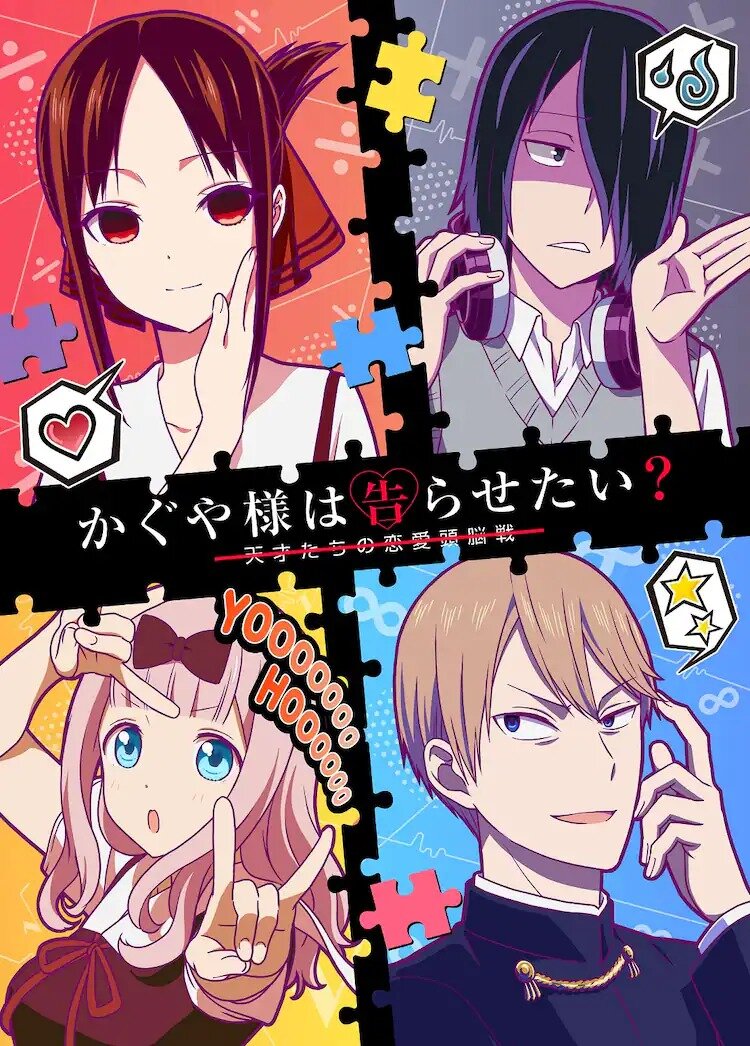
Kaguya-sama: Love Is War?2019
Five intelligent people in close quarters, each hiding their true feelings. It shares Kokoro Connect's interest in what happens when masks slip—except here the comedy comes from watching them desperately put the masks back on.
But The gimmick can feel clever rather than touching; some arcs collapse into repetition.
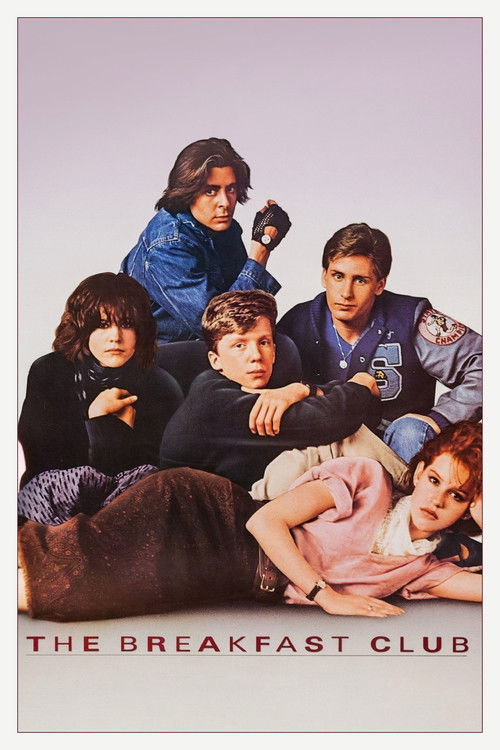
The Breakfast Club1985
Five teenagers from different worlds forced together discover they're not who they pretend to be. It's the DNA for everything Kokoro Connect does—the vulnerability, the forced intimacy, the slow realization that everyone's scared.
But Released in 1985, it's very much a product of its time, and some of its attitudes have aged visibly.
Not sure tonight? Get a pick in a minute, starting from Kokoro Connect
The wildcard
Something you would not have found on your own.
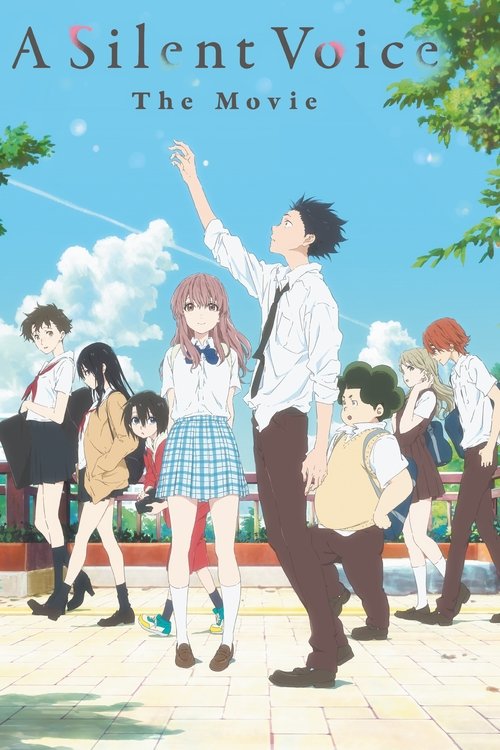
A Silent Voice: The Movie2016
Both use their premise—body-swap, deafness—as a forced intimacy that teaches characters to see past surfaces. Both argue that understanding someone means vulnerability.
A boy and girl learning to see each other—literally, figuratively, spiritually. It's animated and Japanese like Kokoro Connect, but a film instead of a series, and it goes to places about empathy and shame that the show only touches. Devastatingly tender.
But Deals with suicide and bullying; it's not entertainment, it's work. Also, an ending that some viewers find unsatisfying rather than redemptive.
More like this (8)
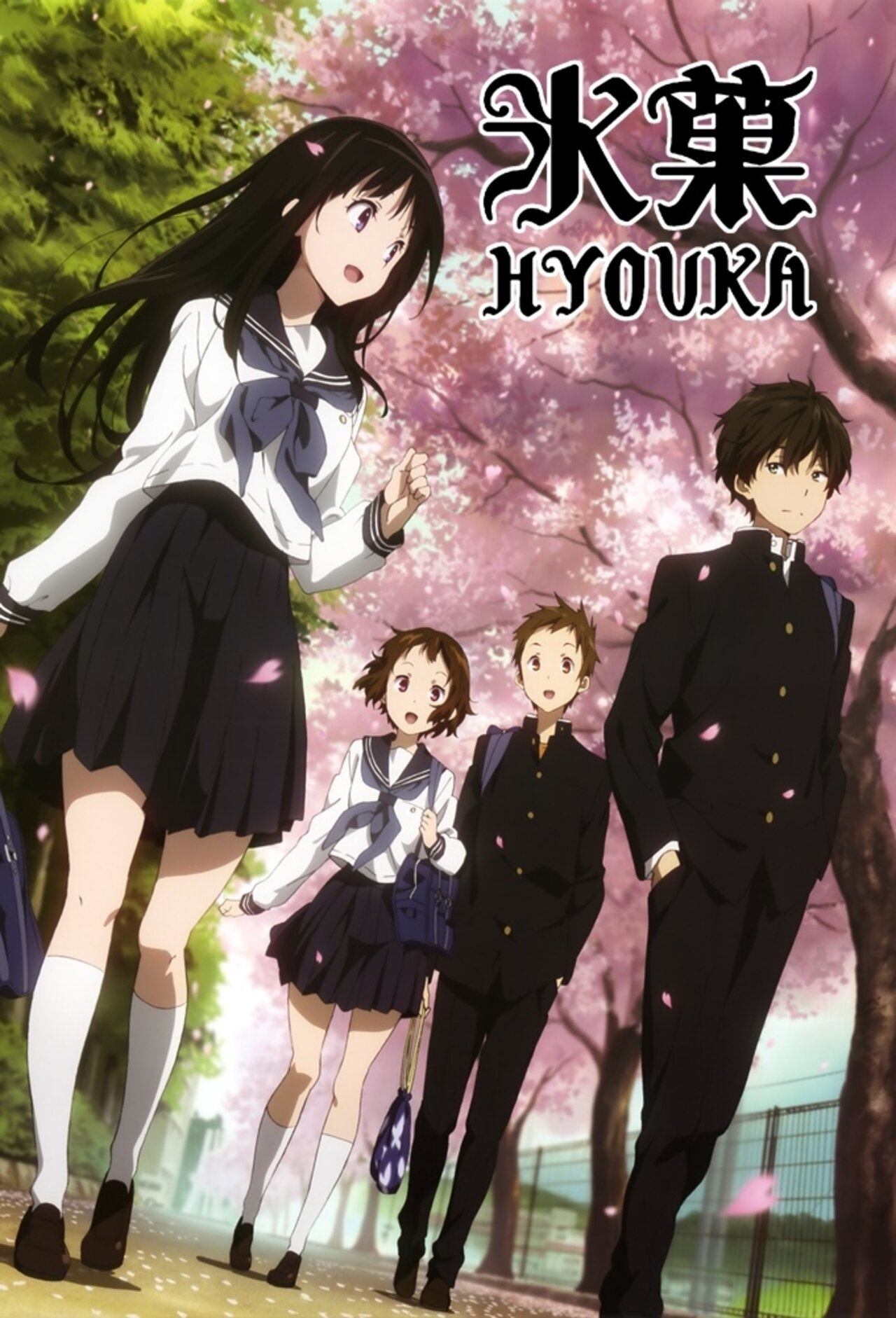
Hyouka2012
Four people investigating a mystery while slowly revealing themselves to each other. Same year, same sensibility—character-driven, visually gorgeous, interested in how belonging changes you.
But The mystery plot is really just an excuse for slice-of-life; if you want actual suspense, you'll be disappointed.
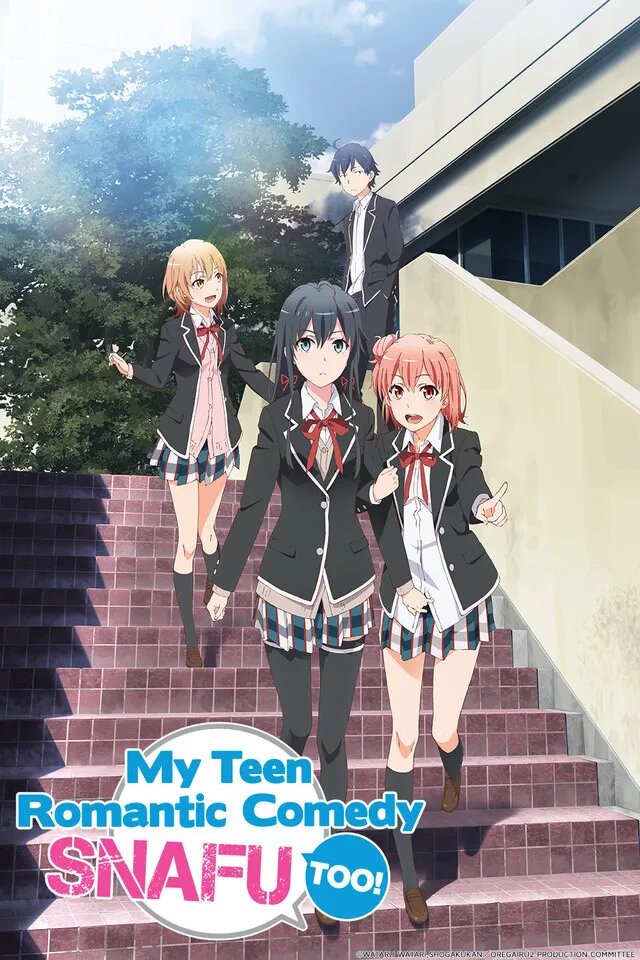
Yahari Ore no Seishun Love Comedy wa Machigatteiru.2013
A cynical loner, a genuine sweetheart, and a complicated girl forced into a club together. It mines the same vein—awkward intimacy, people learning to be honest, comedy that shades into real stakes.
But Heavy on melodrama by season two; some plot threads feel unearned.
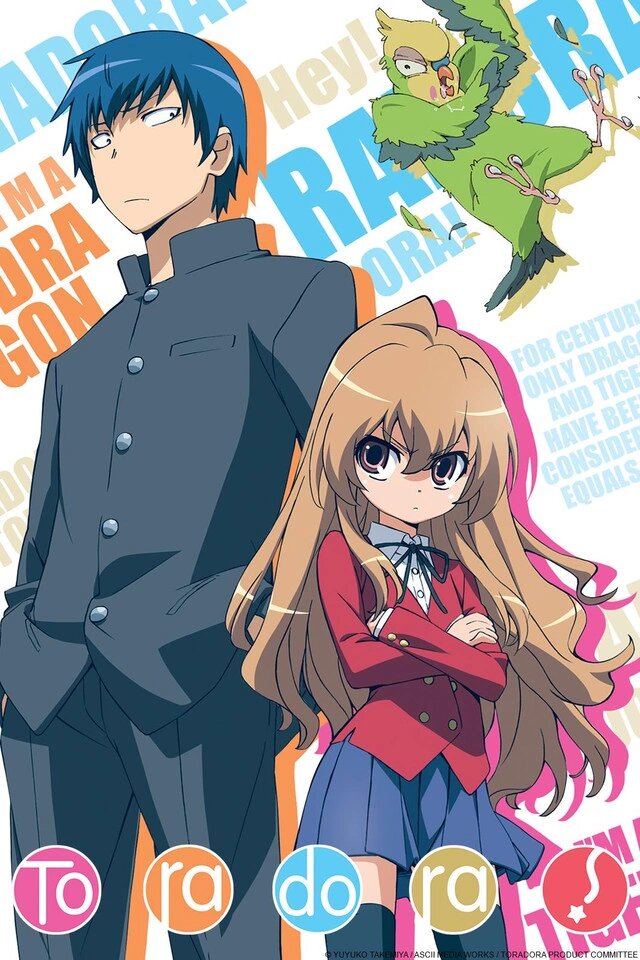
Toradora!2008
Two people forced to work together discover a found family of misfits around them. Like Kokoro Connect, it balances rom-com lightness with genuine vulnerability, and makes you care about five messy teenagers.
But The shipping wars in the fandom are intense; you might find yourself arguing with strangers online.
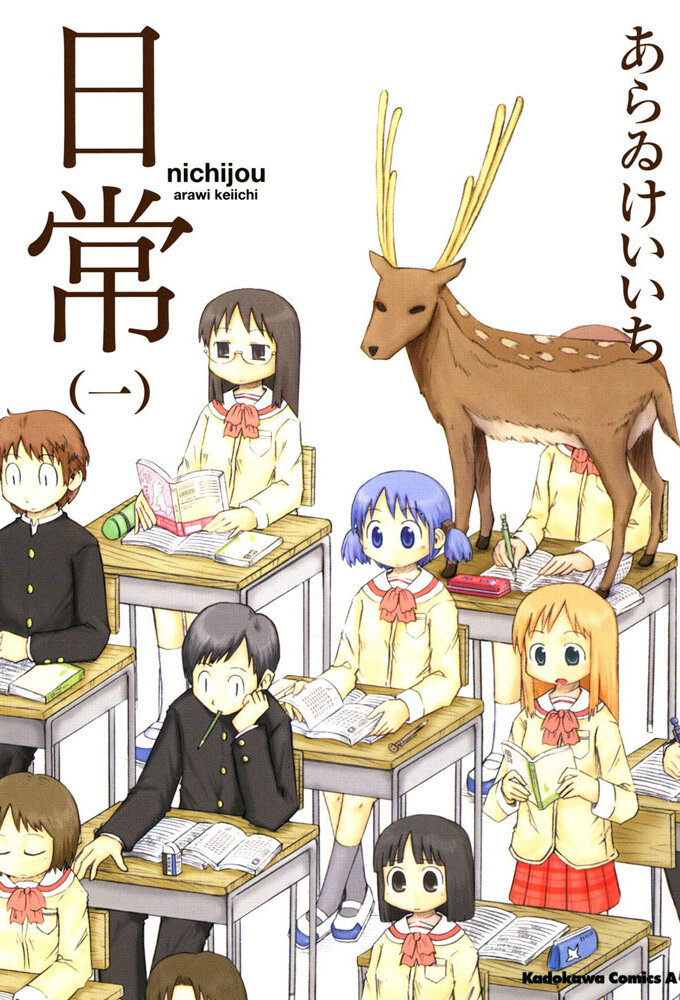
Nichijou2011
Pure comedy about five girls and their bizarre daily life. If you want the funny without the feelings—the absurdism Kokoro Connect hints at but doesn't push—this is pure joy with zero pretense.
But Utterly silly and random; there's no character development, which is the whole point and also the entire limitation.
Hataraku Maou-sama!2013
A found family of misfits learning to care about each other while hiding what they really are. Similar warmth, similar balance between comedy and genuine connection, similar soundtrack to your teenage years.
But The premise is fun but the plot gets thin; it's more comfortable than compelling.

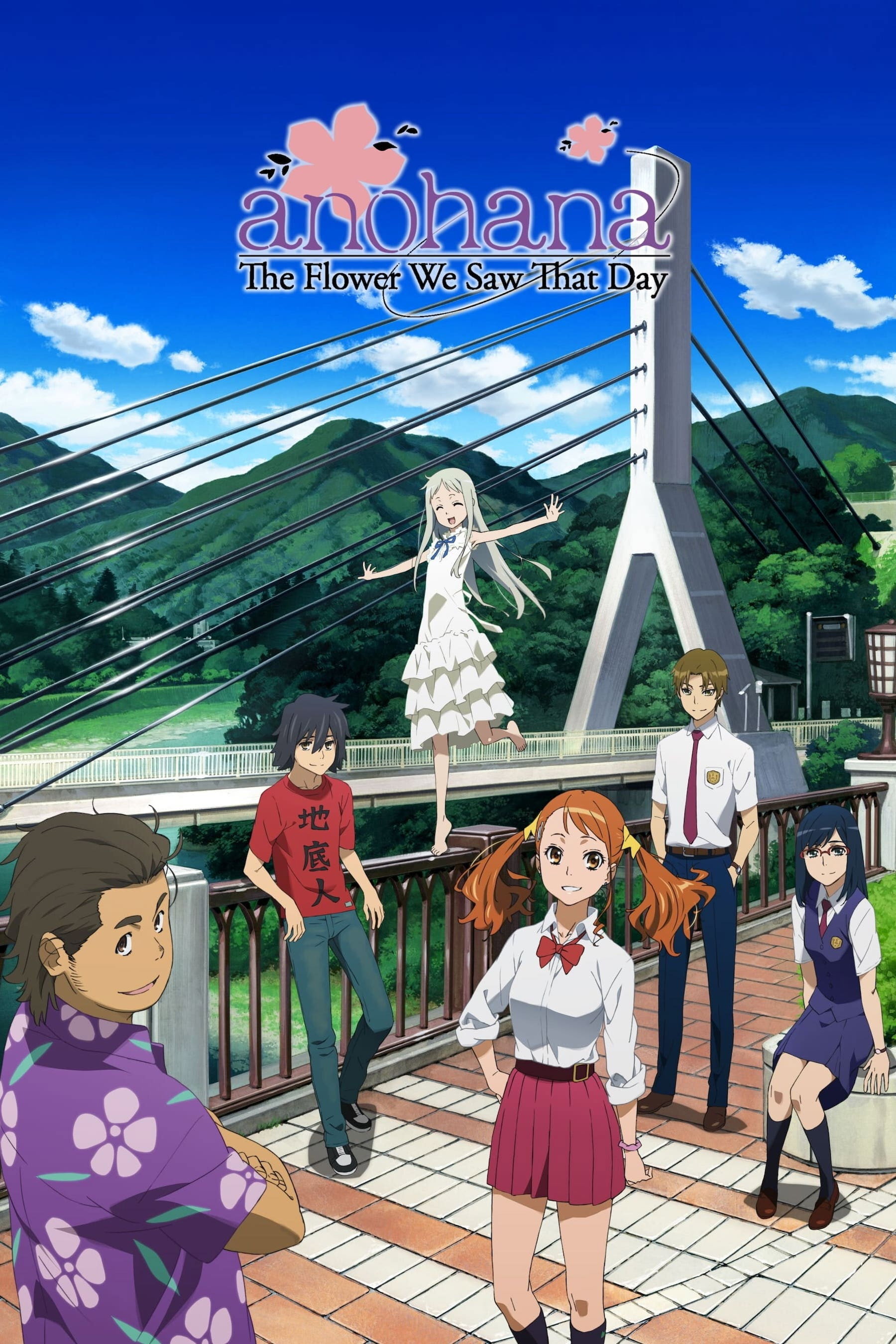
Anohana: The Flower We Saw That Day2011
Five old friends reunite and must finally be honest with each other about grief, regret, and what they meant to each other. If Kokoro Connect's vulnerability moved you, this goes deeper—same gentleness, higher stakes.
But Emotionally heavy; it's designed to make you cry, which some people find manipulative rather than earned.
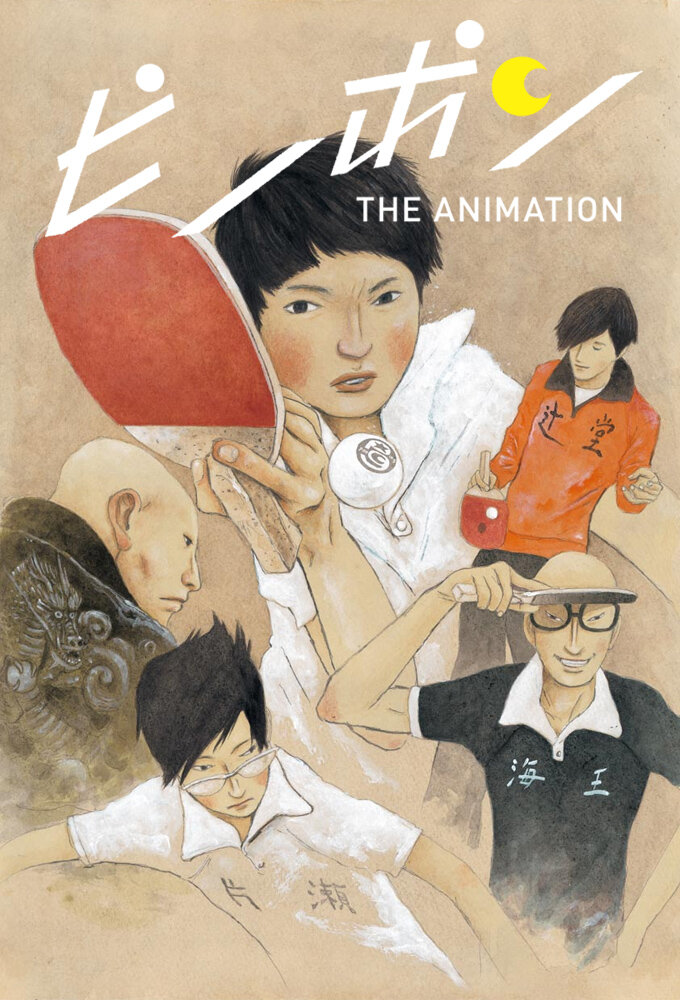
Ping Pong The Animation2014
Both explore identity through repeated exposure to another person. Both ask: who are you when someone knows all your secrets?
Two boys, a sport, and the question of what it means to be yourself. Wildly stylized, intense where Kokoro Connect is gentle, but the same core: identity, friendship, and the terror of being truly seen.
But The animation style is deliberately ugly and distorting; if you want conventional beauty, look elsewhere. Also only eleven episodes and fairly brutal.
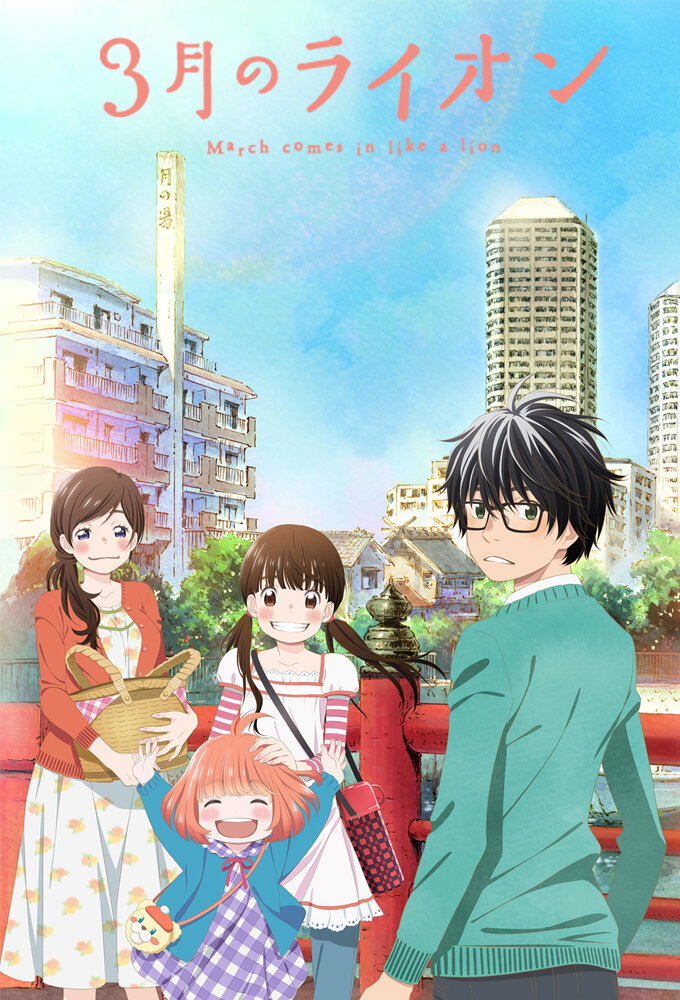
March comes in like a lion2016
Both argue that connection isn't about grand gestures but about showing up, being present, and letting people see your real self. Both find profundity in afterschool hangouts.
A lonely young man finds a family in three sisters. It's slower, sadder, more visually sophisticated than Kokoro Connect—a meditation on how people heal each other through ordinary time spent together. Gorgeous and patient.
But The pacing is glacial; if you need plot momentum, it will feel like nothing happens. Also considerably more adult in its melancholy.