Television series
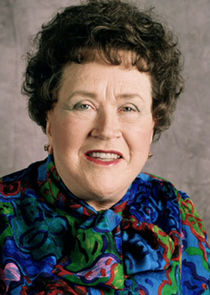
Julia Child: The French Chef
- Light-hearted
- Dip in and out
This is the origin point of the modern cooking show: a Cambridge, Massachusetts kitchen, one camera, and a six-foot-two woman with a trilling voice who drops food on the floor and picks it right back up. Julia Child cooks in real time, unedited, teaching French technique to Americans who'd never seen a leek. It's clumsy, warm, occasionally shambolic — and it invented the genre everyone since has copied.
Should you watch it?
Watch it if you enjoy watching someone cook with unhurried confidence, where the fun is in the technique, the mistakes shrugged off, and a personality so big it fills a 1960s studio kitchen.
Skip it if you want fast editing, modern food-competition tension, or a host who keeps things polished; the production is rough, the pacing is leisurely, and the show is very much of its era.
What it asks of you: Each episode runs about half an hour and asks you to sit still while a single dish gets built step by step, with plenty of talking and few cuts.
Not sure? Find tonight's pick in a minute.
If you liked this
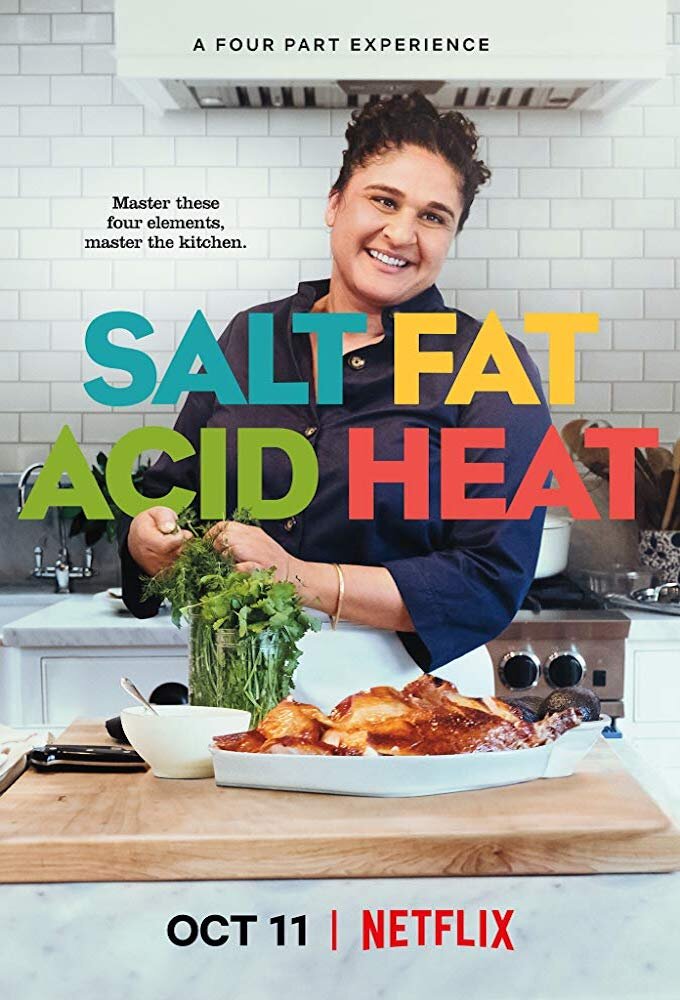
Salt Fat Acid Heat2018
Samin Nosrat teaches the four pillars of good cooking with the same infectious joy and refusal to be intimidated by technique — she wants you to understand food, not just follow recipes.
But It's Netflix-glossy and travel-heavy, four countries in four episodes, a world away from one kitchen and one camera.
The Great British Bake Off2010
The gentlest possible competition show, all butter and patience and people crying over a collapsed choux — it has the same belief that showing your work, badly, is worth watching.
But It's baking, not savory cooking, and the tent's politeness is the opposite of Julia dropping a chicken on the floor and laughing.
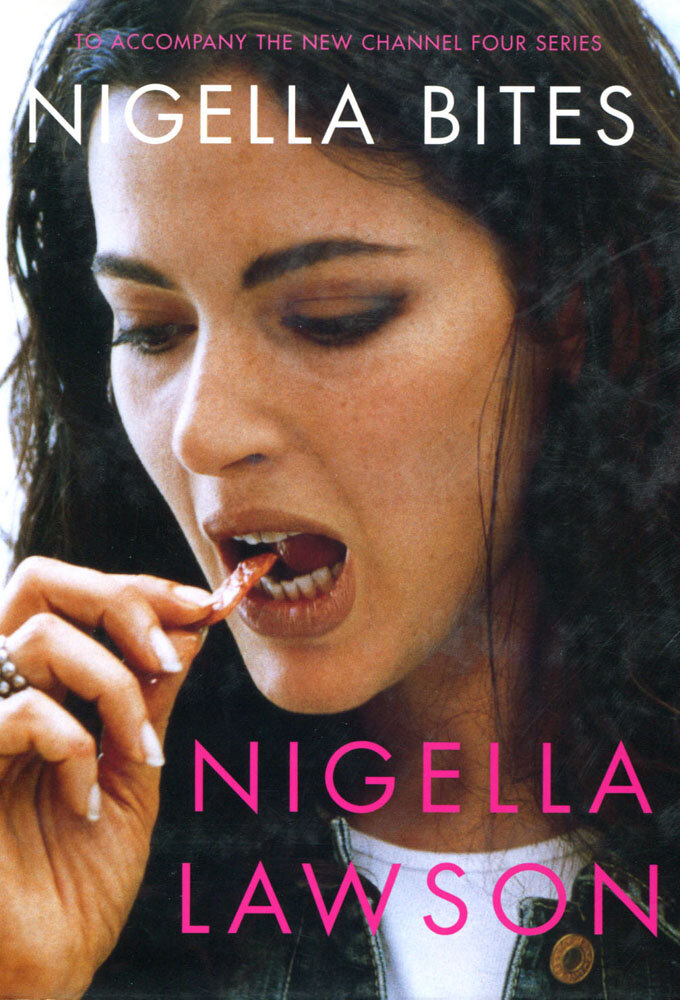
Nigella Bites2000
Nigella Lawson cooking in her own kitchen at night, licking the spoon, talking to you like a friend who's had a glass of wine — pure appetite and personality, no technique lecture required.
But It's sensual where Julia was practical; if you wanted the teaching and the French rigor, this is mood over method.
Not sure tonight? Get a pick in a minute, starting from Julia Child: The French Chef
The wildcard
Something you would not have found on your own.
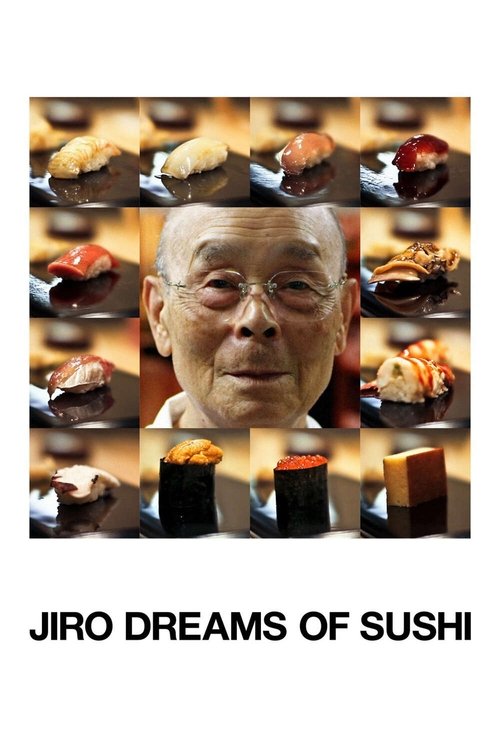
Jiro Dreams of Sushi2011
Both are studies of mastery through repetition — Julia showing you every fumble live on television, Jiro's film showing what forty years of removing the fumbles looks like.
A hushed, exquisitely shot documentary about an 85-year-old sushi master who has spent his life chasing perfection one piece of fish at a time — total devotion to craft at the opposite tempo.
But It's austere and quiet where Julia was chatty and warm; if you wanted company in the kitchen, this is closer to a meditation on obsession.
More like this (6)
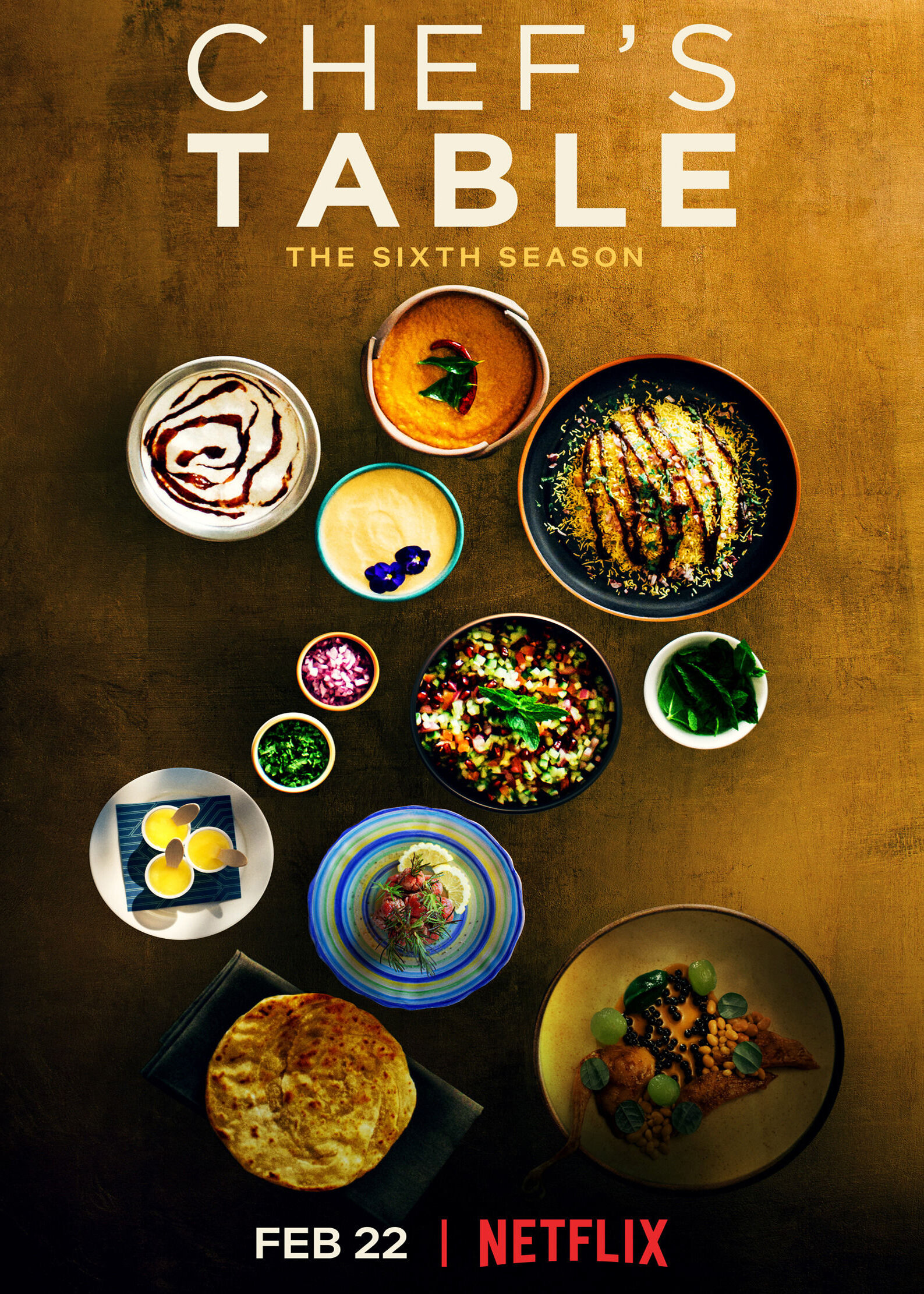
Chef's Table2015
Each episode is a cinematic portrait of a chef's obsession, shot like a nature documentary — it takes the reverence Julia had for good food and turns the camera loose.
But There's no instruction here at all, just gorgeous, slow-moving worship of people far more serious than Julia ever pretended to be.
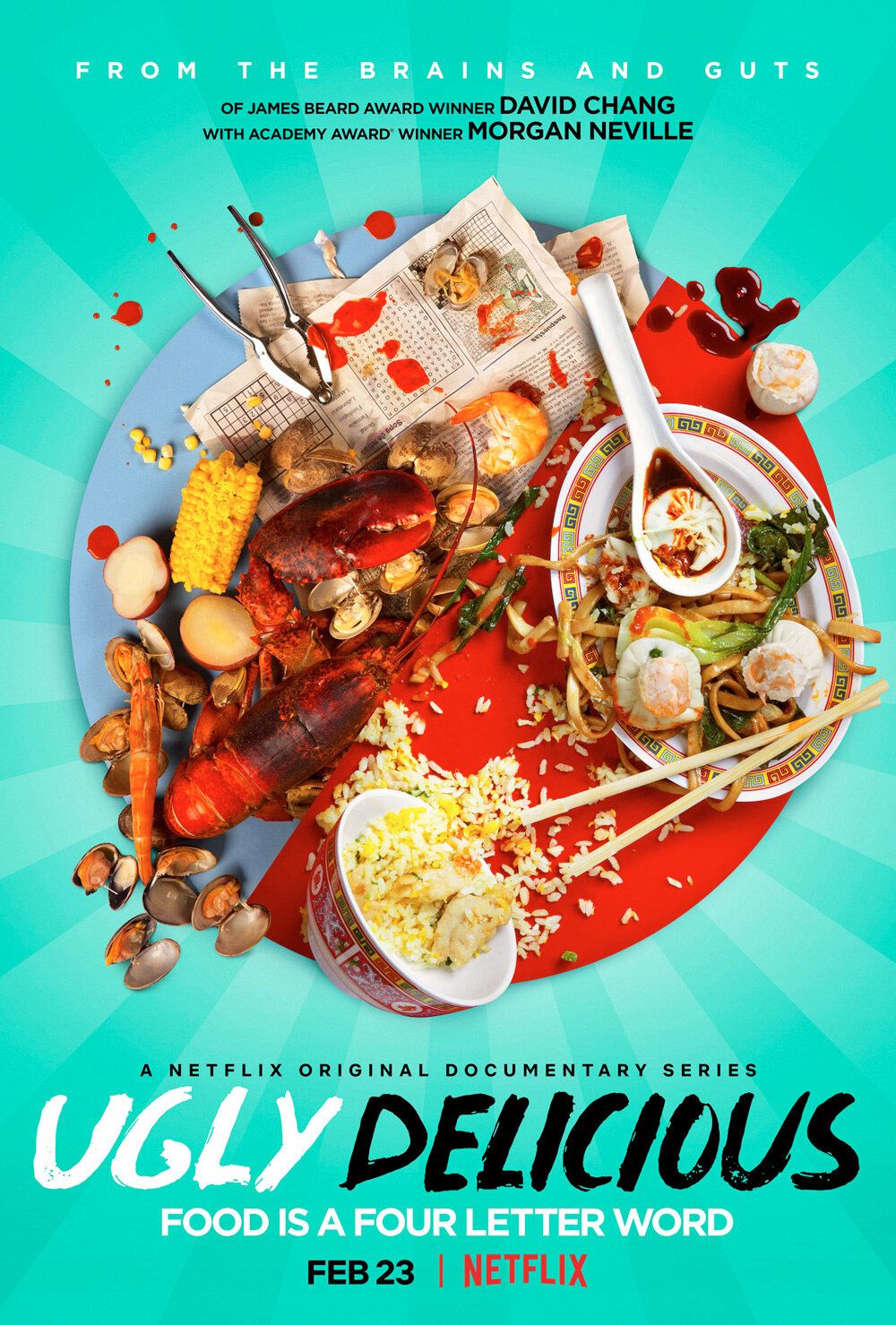
Ugly Delicious2018
David Chang picks apart what food actually means — fried rice, tacos, barbecue — with the same curiosity Julia brought to a soufflé, just aimed at the whole world instead of France.
But It's more conversation than cooking; you'll learn plenty but you won't come away with a recipe.
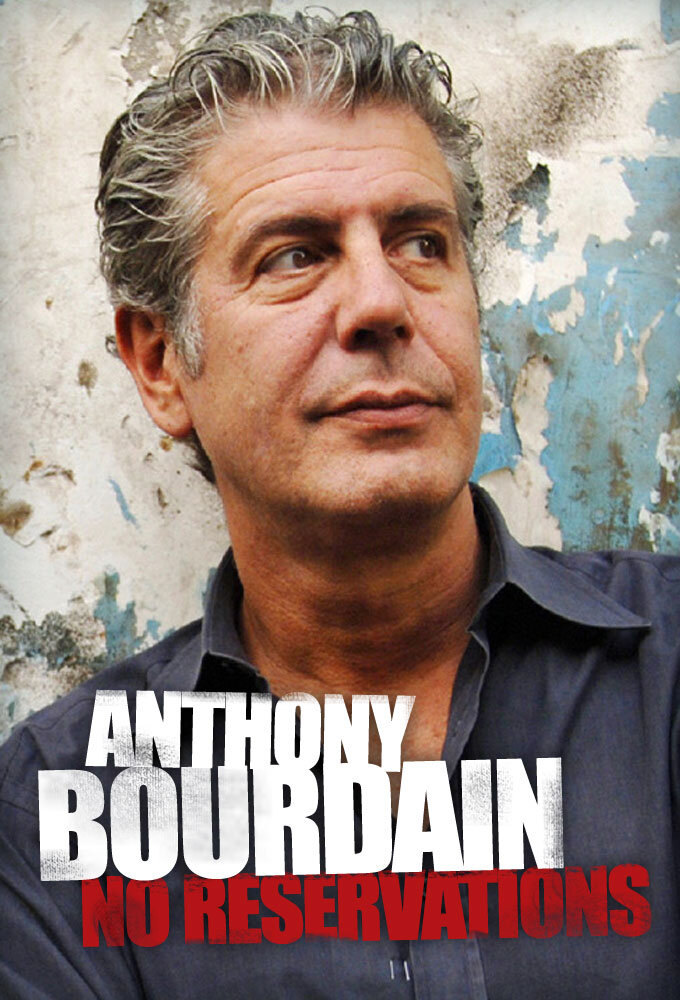
Anthony Bourdain: No Reservations2005
Bourdain travelling the world eating everything put in front of him, narrating with the same unashamed appetite Julia had for butter — food as a way into culture, not just a meal.
But There's almost no cooking in it at all, and Bourdain's cynicism is a world away from Julia's cheerful, unguarded delight.
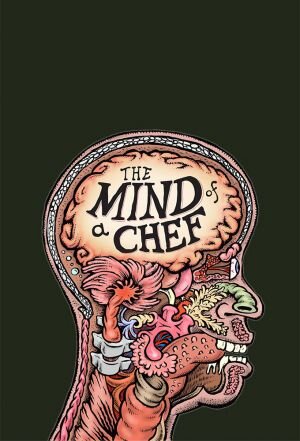
The Mind of a Chef2012
Part travelogue, part cooking lesson, following chefs like April Bloomfield and David Chang as they trace a dish back to its roots — restless and curious in a way Julia would have loved.
But It jumps between chefs and countries fast, and never settles into the single steady kitchen the way Julia's show does.
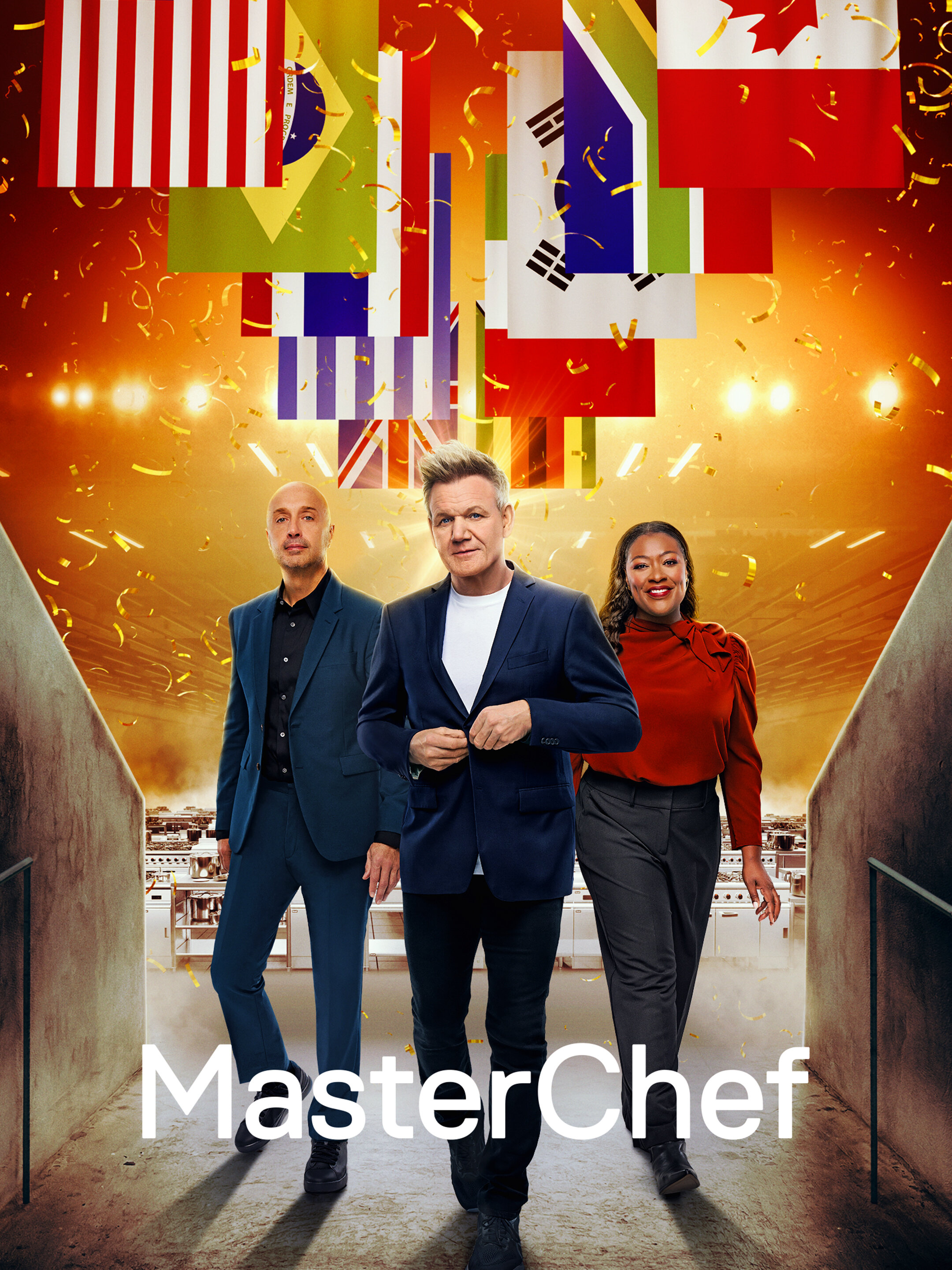
MasterChef2010
If you want the simple pleasure of watching people cook under pressure, this is the loud, glossy, thoroughly modern descendant — competitive, dramatic, and unembarrassed about spectacle.
But The editing, the tension music, the crying contestants — it's the polar opposite of Julia's unhurried, unedited one-woman show.
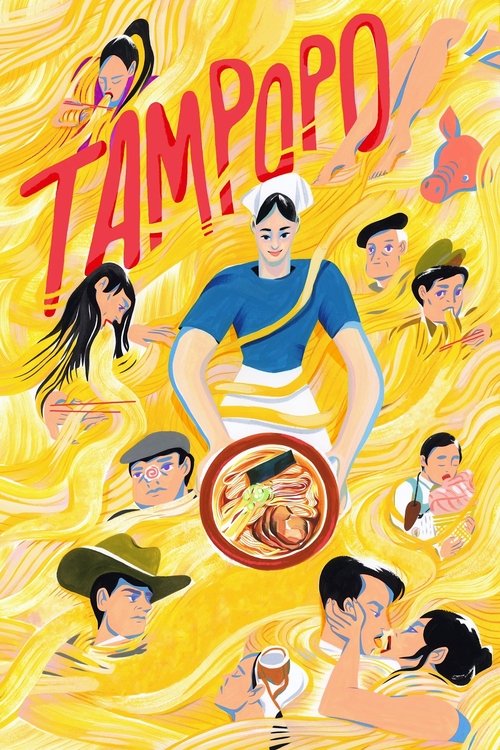
Tampopo1985
Same reverence for getting a single dish exactly right and the same belief that cooking deserves close attention — just filtered through satire and a Japanese arthouse sensibility instead of a New England kitchen.
A Japanese 'ramen western' — a widow trained to perfect her noodle shop, interrupted by wild, surreal vignettes about eating and desire — funnier and stranger than anything Julia would have dared on PBS.
But It's subtitled, structurally loose, and detours into genuinely raunchy territory — not the cozy kitchen-lesson mood you might be craving.