
Television series
Idiotest
- Comedy
- Light-hearted
- Relentless
- Dip in and out
Idiotest is a rapid-fire trivia game show where teams answer deceptively simple questions testing observation and general knowledge. Hosted by comedian Ben Gleib with sharp wit, it pairs rivals—colleges, fan bases, professions—against each other in increasingly tricky rounds. It's breezy, funny, and designed for people who enjoy feeling smarter than the contestants.
Should you watch it?
Watch it if you enjoy rapid-fire quizzes where the fun comes from rival fan camps bickering and a host who teases everyone without much malice.
Skip it if you want a show with depth or patience; each round is over in seconds, the questions stay shallow, and the insults become the main event.
What it asks of you: Short bursts of rapid questions, roughly three quarters of an hour per episode, with no story to follow, so you can drop in and out without losing anything.
Not sure? Find tonight's pick in a minute.
If you liked this
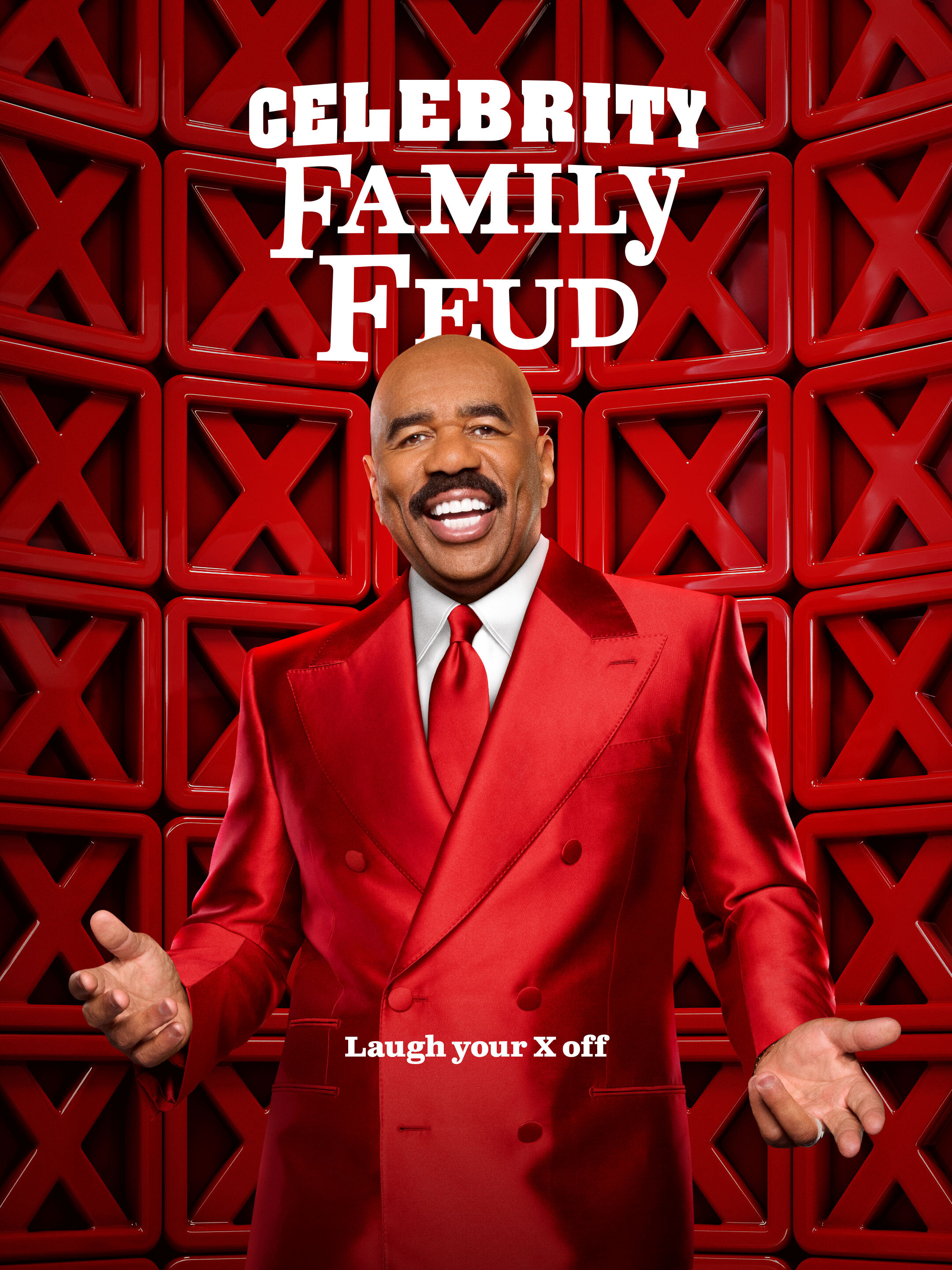
Celebrity Family Feud2015
Fast-paced team trivia with surprising answers. Steve Harvey's charisma and genuine reactions to absurd responses make this endlessly rewatchable and frequently hilarious.
But Some questions are culturally dated or rely on narrow survey samples that won't match your own knowledge base.
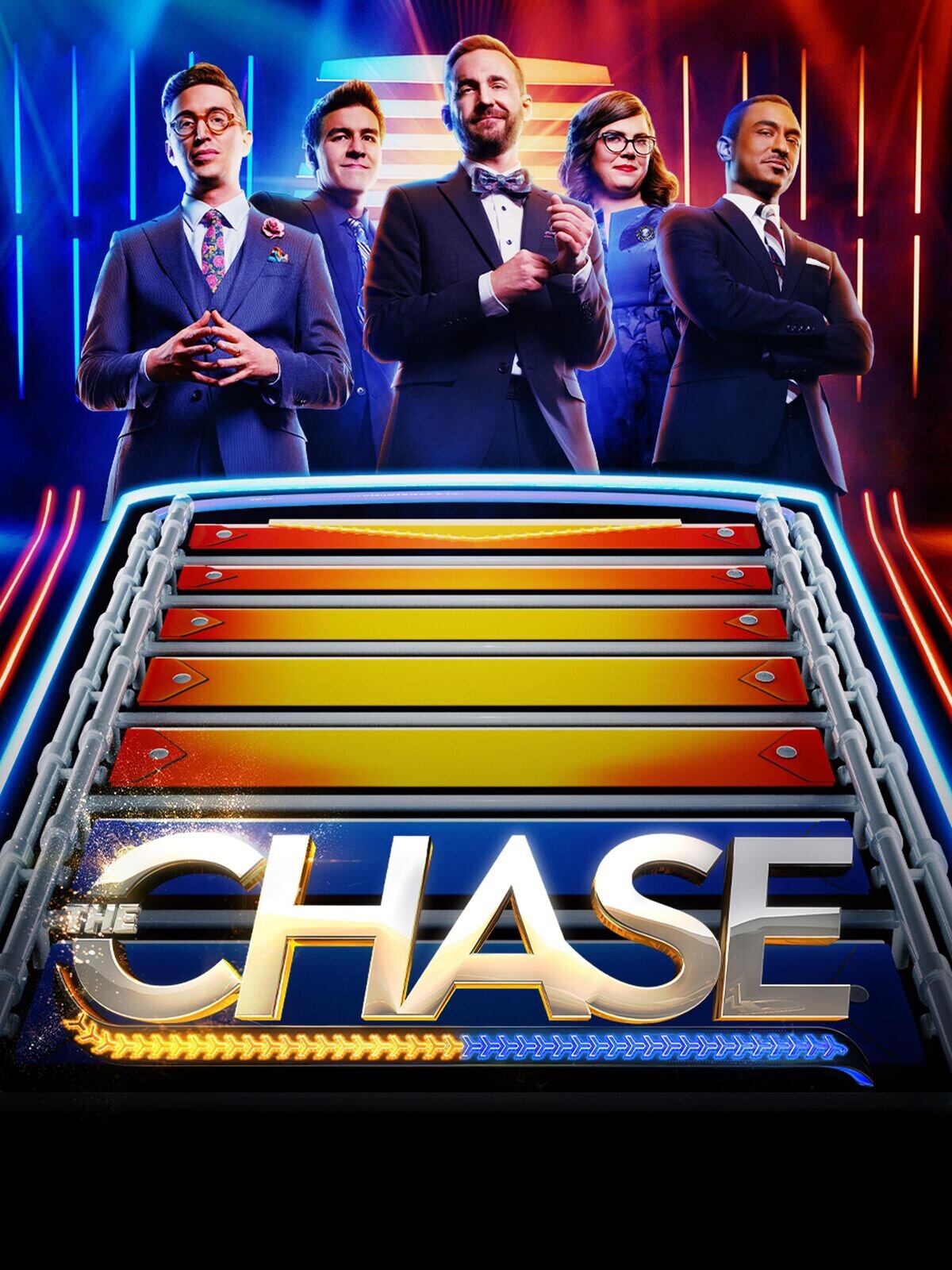
The Chase2021
Three contestants battle a brilliant trivia expert in real-time strategy. Tense, clever, and genuinely thrilling—you'll want them to succeed and feel their panic.
But British version can feel glacially paced; American version sacrifices some intelligence for speed. Both require patience with format repetition.
Jeopardy!1964
The gold standard of trivia television. Questions are genuinely difficult, contestants are smart, and the answer-as-question format keeps your brain engaged across every category.
But If you don't know the answers, watching can feel deflating fast. The pace assumes you're playing along at home.

Not sure tonight? Get a pick in a minute, starting from Idiotest
The wildcard
Something you would not have found on your own.
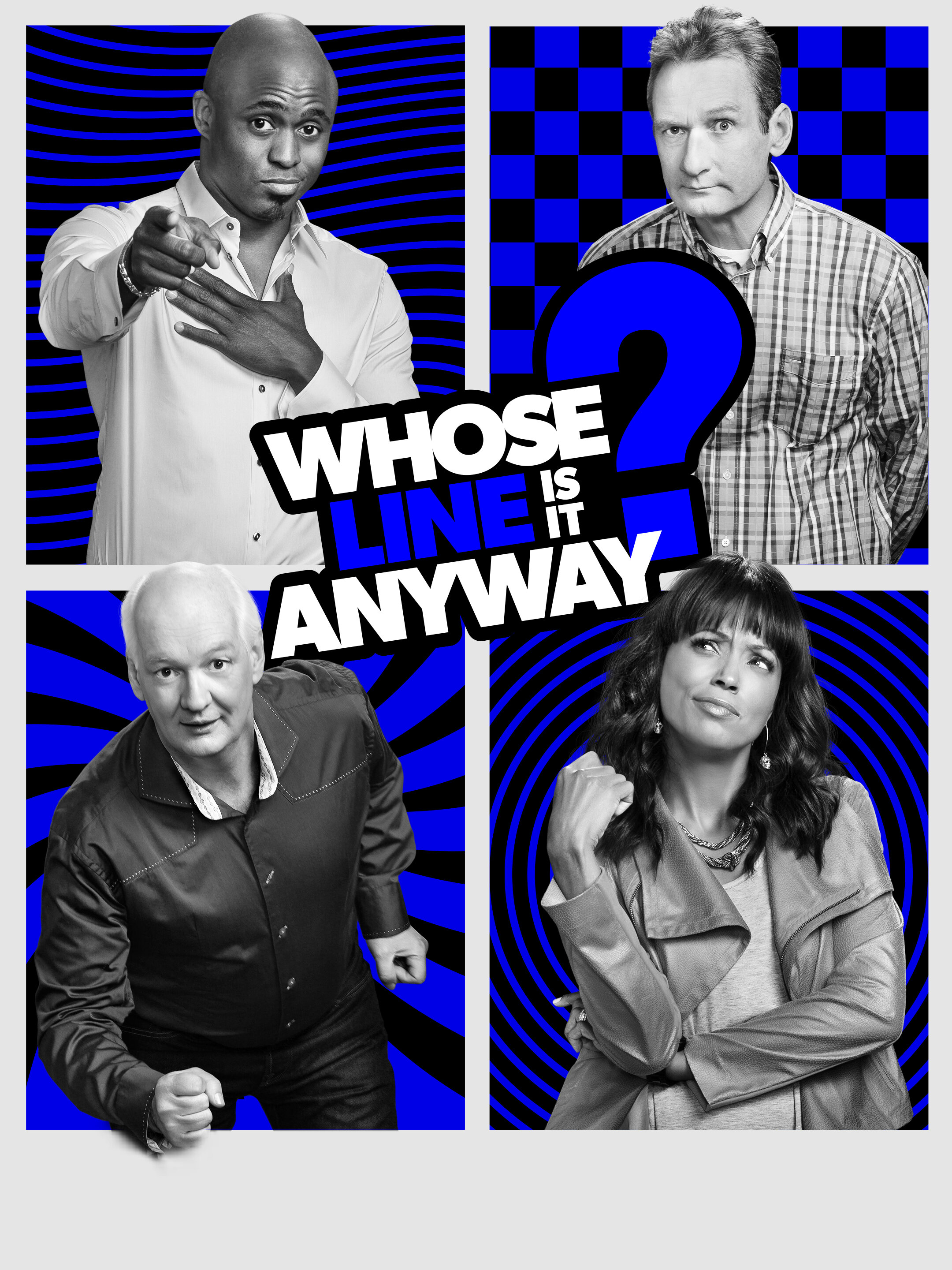
Whose Line Is It Anyway?1998
Both compress content into rapid-fire rounds where the fun comes from reactions and unexpected answers rather than knowledge alone. Neither punishes you for not knowing facts.
Improv comedy masquerading as a game show. The "questions" are prompts for actors to be brilliantly funny in real-time. Fast, unpredictable, and genuinely hilarious in ways structured trivia can't touch.
But If improv comedy frustrates you, an entire show of it will feel self-indulgent and interminable. Aisha Tyler's hosting is divisive.
More like this (6)
The $10,000 Pyramid1973
Word-association guessing game with real chemistry between celebrities and contestants. Fun to play along, surprisingly strategic, and genuinely collaborative rather than ruthless.
But The format is ancient and limited—after a few episodes you've seen every variation of the game structure.

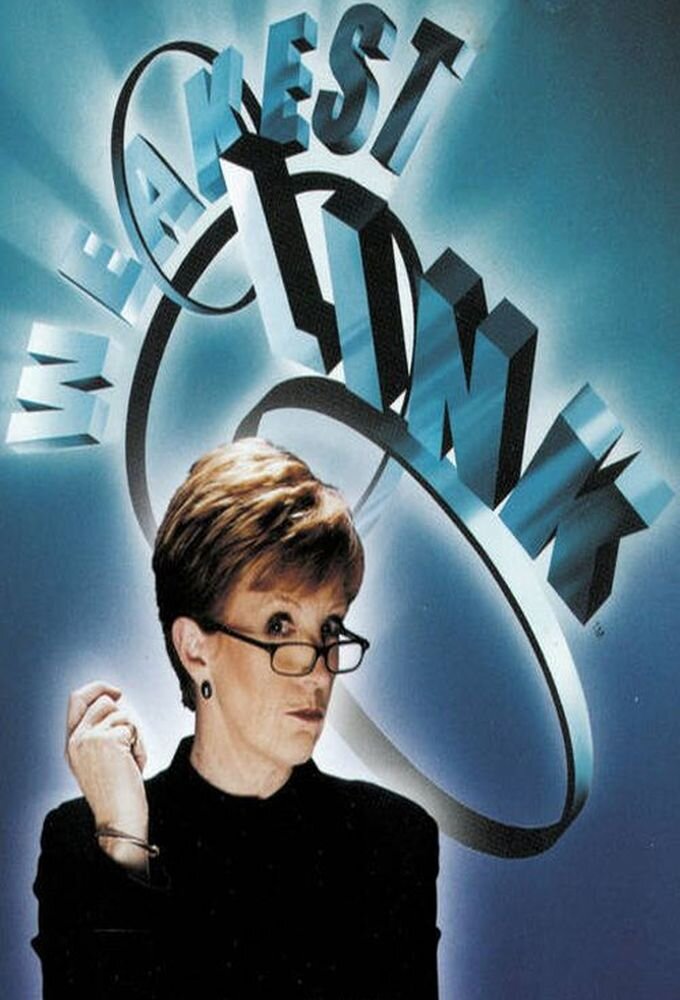
Weakest Link2000
Psychological warfare masked as trivia. Anne Robinson's withering critique and the betrayal element create genuine tension that standard trivia shows can't match.
But The hostility and personal insults, intentional as they are, can feel mean-spirited rather than fun depending on your mood.
Beat Shazam2017
Music trivia with a high-energy game show sensibility and Jamie Foley's infectious enthusiasm. Accessible to non-experts and genuinely fun to play along.
But If you're not a casual music fan, the repetitive structure and predictable gameplay won't sustain interest past three episodes.

Ellen's Game of Games2017
Variety of short games keeps energy high and prevents boredom. Ellen's warmth and the quick pace make this comfortable background entertainment that occasionally sparks genuine fun.
But No single game is deep or compelling enough to anchor viewing. The whole enterprise feels designed to be ignored while scrolling.

Mythbusters2003
Both hinge on whether something is true or false, but MythBusters shows you *why* with evidence rather than just declaring correctness. Observation skills matter—you're watching for clues, not just listening.
Hosts test whether common myths are true or false through controlled experiments. It's trivia crossed with practical demonstration—you learn something concrete and see proof, not just hear an answer.
But Episodes are forty-five minutes of setup and tangents for fifteen minutes of actual payoff. Explosions are cool but secondary to meandering scientific method.

Connected2020
Both test pattern recognition and observational detail, but Connected makes you think in metaphors and connections rather than fact recall. Same muscle, different direction.
Contestants find the connection between four seemingly unrelated objects, images, or clues. Demands lateral thinking rather than memorized facts. Elegant, clever, and deeply satisfying when the link clicks.
But If you prefer straightforward trivia, the puzzle-box structure can feel pretentious. Some connections rely on obscure reference points or wordplay that feels unfair.

People
Cast
 Ben GleibHost
Production
- Adam RosenblattExecutive Producer
- Ben GleibExecutive Producer
- Christian HornerExecutive Producer
- Craig BrooksExecutive Producer
- Jamie RosenblattExecutive Producer
- Larry BarronExecutive Producer
- Mark CroninExecutive Producer
- Ryan CurtisExecutive Producer
- Ryan DevlinExecutive Producer
- Shawn GreensonExecutive Producer