
Television series
I Love Money
I Love Money strips away the romantic pretext and exposes reality TV's true engine: people will debase themselves for cash. Fifteen has-beens from VH1's dating shows compete in absurd physical challenges, social manipulation, and strategic backstabbing for a quarter-million dollars. It's trashy, cynical, and weirdly honest—a show that knows exactly what it is and leans into the ugliness.
Should you watch it?
Watch it if you enjoy watching former dating-show contestants strip their dignity for cash, and you find the sly, cringe-comic chaos of reality TV games more entertaining than the romance they came from.
Skip it if you want the romance or emotional payoff of the shows these people came from, since this is a loud, competitive free-for-all where hustle and humiliation do the heavy lifting.
What it asks of you: An hour a week over three seasons and about forty-one episodes, loud and scheming, wants your full attention rather than a second screen.
Not sure? Find tonight's pick in a minute.
If you liked this
Survivor2000
The template for everything I Love Money does: strangers isolated, resources scarce, alliances and betrayals, one prize. Survivor plays it straight; watching the format stripped of pretense makes you understand how hungry it really is.
But Nearly 25 seasons in by this point. Long, slow, and played with frustrating sincerity when you're there for the scheming.

The Real World1992
The DNA of I Love Money's cast. Watch where these people come from—the original unscripted drama, strangers in a house, cameras catching everything. You'll understand the gravity of their desperation.
But Earnest in ways that feel almost quaint now. Nobody's performing for money yet; they're just living, which is sometimes boring.

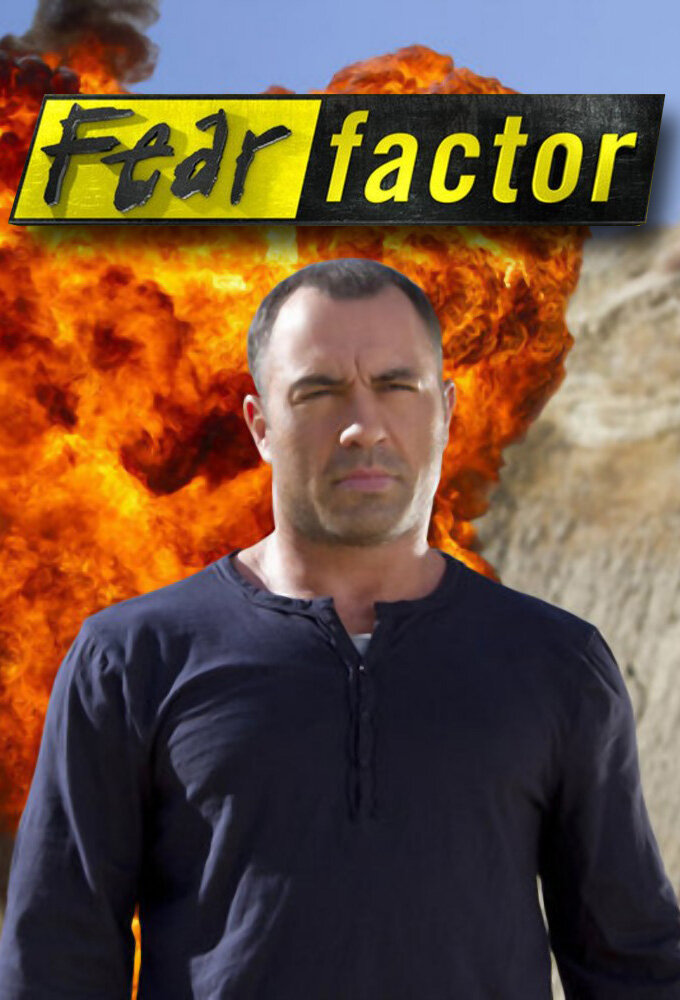
Fear Factor2001
Same era, same basic instinct: humiliate contestants in increasingly gross challenges for cash. Rogan's deadpan commentary is the inverse of I Love Money's chaos, but the same question lurks: how far will you go?
But Relies on shock rather than strategy. Once you've seen someone eat a beetle, the format wears thin fast.
Not sure tonight? Get a pick in a minute, starting from I Love Money
The wildcard
Something you would not have found on your own.
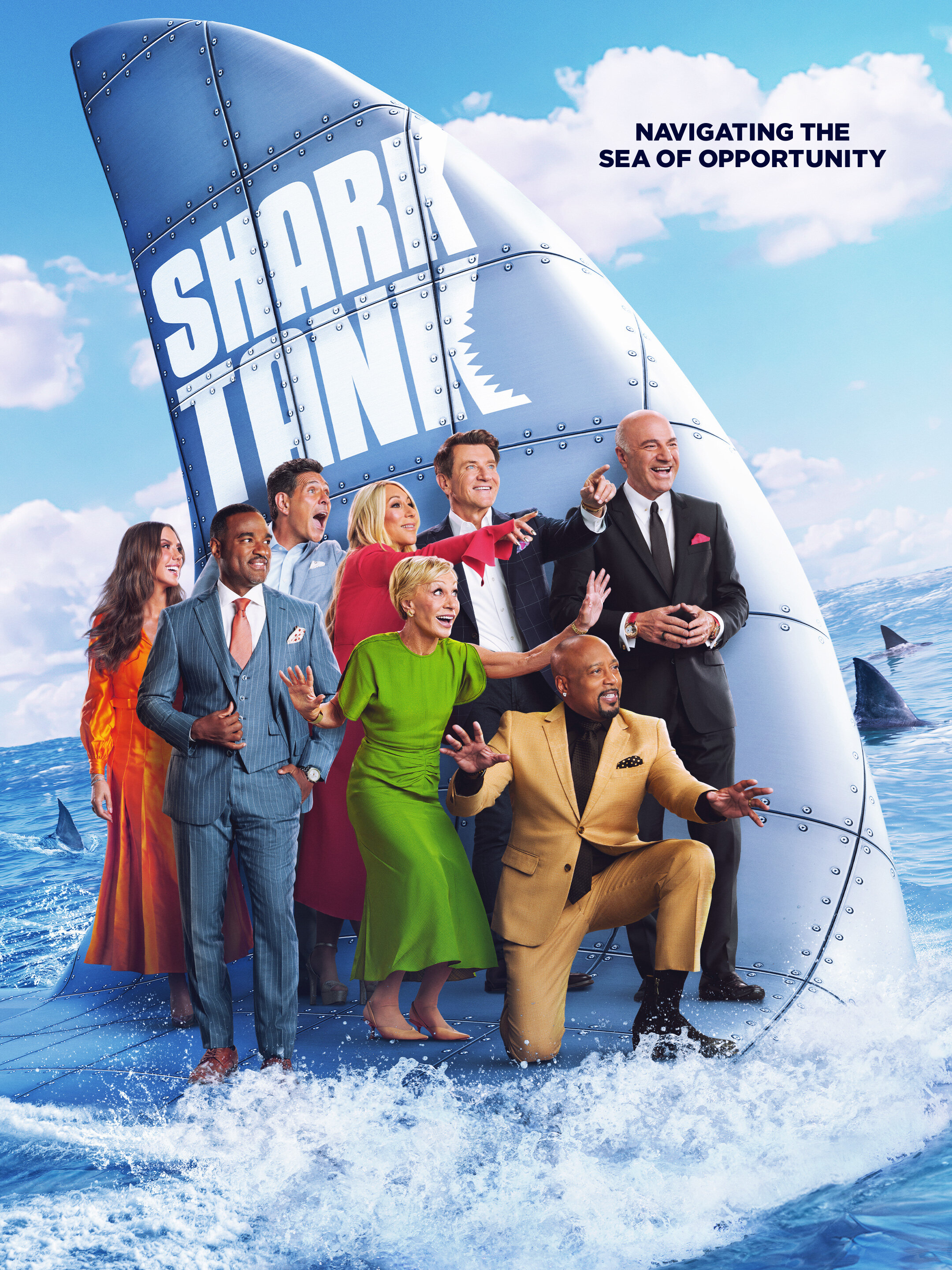
Shark Tank2009
Both are about people performing competence and desperation for a camera in pursuit of cash. The only difference is I Love Money admits what it is.
Same obsession with money as the engine, same calculation and performance, but directed at business rather than personal drama. Watch entrepreneurs pitch; watch the judges humiliate them. The same power dynamic, but with stakes that matter.
But Optimistic in a way that might feel false. Everyone's after money, but they're pretending it's about dreams and innovation.
More like this (7)
The Bachelor2003
The show I Love Money is parodying. Watch it to see the earnest version—contestants performing intimacy for a man, convinced they're after love when they're after air time. The delusion is the whole point.
But Takes itself seriously in a way that makes it painful rather than fun. You'll want to shake the leads by episode three.

Are You the One?2014
Reality TV fully aware of its own gimmickry. Pretty people on an island, coupled off, trying to match; meanwhile they're actually scheming and flirting strategically. It's I Love Money's spiritual successor—same energy, younger cast.
But Drags across two dozen episodes when it could say everything in six. MTV padding between moments of actual drama.

Paradise Hotel2003
Early aughts chaos with Fox's fingerprints on it. Strangers in a luxury resort, eliminations every episode, romance as a weapon. Predates I Love Money but has the same amoral hunger.
But Looks and feels dated in ways that undercut the fun. Aesthetically, it's trapped in 2003.

The Ultimatum: Marry or Move On2022
Modern relationship drama where couples test their bonds by dating other people on camera. It's less about the money and more about watching people's masks slip—the same skill I Love Money tests.
But Gets repetitive fast, and the emotional fallout can feel exploitative in ways that sour the entertainment.

Love Island2015
A masterclass in the same alchemy: attractive people, physical proximity, manufactured drama, actual money at stake. The voting mechanics teach you how to watch strategic reality TV.
But Genuinely long. You need weeks to get through a season, and the pacing assumes you care about every confessional.

MTV Floribama Shore2017
MTV's version of throwing attractive people together and seeing what breaks. Less competition-focused than I Love Money, but the chaos is real and the house dynamics are genuinely unpredictable.
But MTV culture means a lot of screaming and thin characterization. Not everyone emerges as a person rather than a type.

Taxicab Confessions1995
I Love Money is performance under pressure; Taxi Cab Confessions is performance without incentive. Both are about what people reveal when cameras are present. One's a mirror, one's a stress test.
People alone in a cab with a camera hidden, no script, no prize—just their own words revealing who they actually are. It's what all reality TV is reaching for: unguarded truth. No challenges, no manufactured drama, just strangers talking.
But Slow, sometimes dull. Not everyone has something interesting to say, and the format gives them time to bore you.

People
Cast
 Craig JacksonHost










Recommended by
Rock of Love with Bret Michaels, Flavor of Love Girls: Charm School