Television series
Hayate the Combat Butler
- Comedy
- Light-hearted
A relentlessly punny comedy about a catastrophically unlucky teenager hired as butler to a rich, eccentric heiress. Hayate is a comedy engine: absurdist, meta, bouncing between slapstick and visual gags at manic speed. It's for people who love quick-witted writing, don't mind anime's willingness to break its own rules for a joke, and genuinely enjoy puns that land.
Should you watch it?
Watch it if you enjoy sitcoms built on escalating gags, over-the-top action set pieces and a sweet, slightly ridiculous romance that keeps circling its leads without ever settling down.
Skip it if you want a tight, grounded story; this one runs long at 101 episodes, and its humor leans heavily on exaggeration and repeated bits that some viewers will find wearing.
What it asks of you: It asks for a long commitment, with short episodes stacking into a very large run, and an appetite for loud, fast, cartoonish comedy that rarely pauses to breathe.
Not sure? Find tonight's pick in a minute.
If you liked this
Ouran High School Host Club2006
Similar fish-out-of-water premise with a poor protagonist thrust into wealth, combined with sharp comedy that mines character dynamics and visual humour without losing heart or emotional stakes.
But The romance subplot takes itself more seriously than Hayate does, and the pacing is more measured—less relentless gag-per-minute energy.

Hataraku Maou-sama!2013
Fast-paced comedy premised on incongruity—a demon lord working at a fast-food restaurant. Shares Hayate's blend of silly situations with genuine character warmth and knows when to pull back for sincere moments.
But The first season is stronger than later ones. Some comedy relies on Japanese cultural references that might not land for all viewers.

Kaguya-sama: Love Is War?2019
Brilliant high-concept comedy about two geniuses trying to outwit each other. Like Hayate, it's written by someone who understands how to structure jokes and uses visual comedy with sophistication and constant invention.
But It's smarter and more deliberate where Hayate is chaotic. If you want pure gag velocity, this moves at a more calculated pace.

Not sure tonight? Get a pick in a minute, starting from Hayate the Combat Butler
The wildcard
Something you would not have found on your own.
Gekkan Shoujo Nozaki-kun2014
Both construct entire narratives around the gap between how characters perceive situations and how they actually are; both are romantic comedies that use comedy as the primary engine, not decoration.
Hayate's secret cousin: a romantic comedy structured entirely around misunderstandings and meta-awareness. The protagonist is clueless about the heroine's feelings while she navigates absurd situations working on his manga. Same DNA of situational chaos meeting genuine affection.
But More low-key. If you want Hayate's manic energy, this is subtler—the jokes land through patience rather than velocity.

More like this (5)
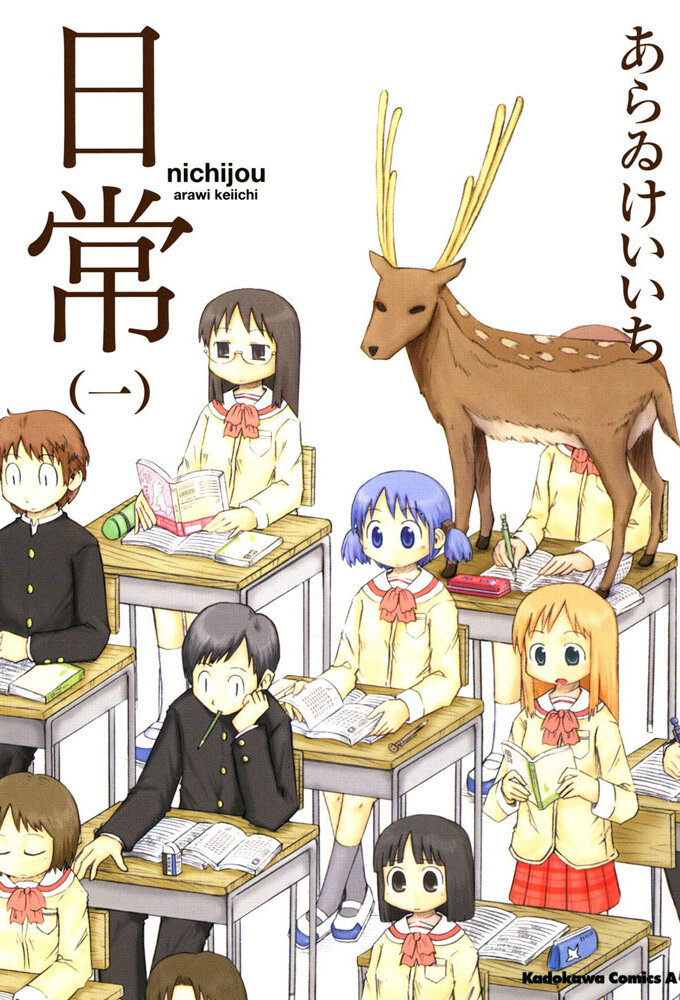
Nichijou2011
Peak anime gag comedy: visual inventiveness on every frame, jokes stacked within jokes, willingness to derail itself for bit humour. If you love how Hayate throws everything at the wall, this is comedy at maximum chaos.
But No plot, no character arcs, no emotional throughline. It's pure anarchic energy—burnout is real if you binge it. Some segments are hit or miss.
School Rumble2004
A love-comedy ensemble that prioritizes gags but has genuine affection for its cast. Misunderstandings drive both comedy and plot, and the chemistry between characters feels lived-in.
But Pacing can feel slack; it meanners where Hayate accelerates. Later seasons lose momentum from the first.

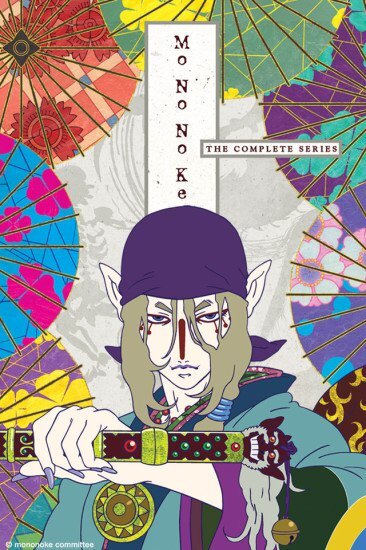
Mononoke2007
A mystery-comedy that plays with style and expectation brilliantly. Uses visual tricks and tonal shifts as comedy weapons, rewarding close viewing with hidden jokes and structural cleverness.
But It's darker and more unsettling. The visual style is deliberately garish and might alienate those wanting straightforward entertainment.
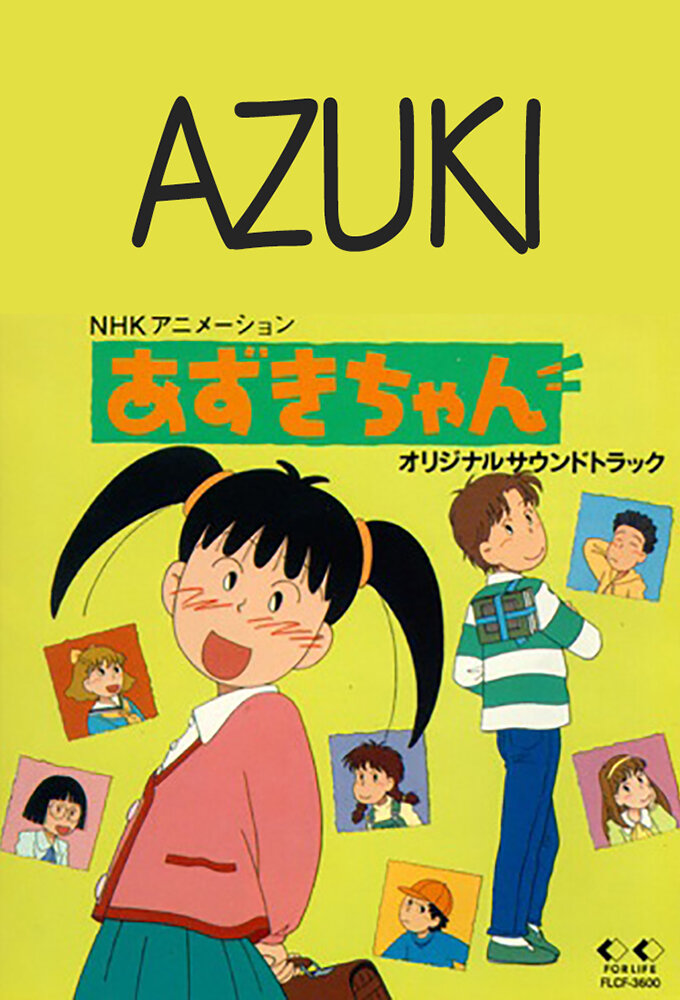
Azuki-chan1995
A gag-driven comedy about a girl obsessed with her baby-faced neighbour. Physical comedy, absurdist humour, and a willingness to spend entire episodes on bit jokes that shouldn't work but somehow do.
But Very dated animation and cultural references. It's hard to find outside Japan. The obsessive protagonist is one-note by design.
Magia Record: Puella Magi Madoka Magica Side Story2020
Both use anime conventions (genre tropes, visual language, pacing) to set expectations, then violate them—but Hayate does it comedically where Madoka does it tragically. They're inverse lessons in how anime form shapes meaning.
Looks like a magical girl show; becomes something else entirely. A meditation on sacrifice, systemic cruelty, and what we owe each other. The tonal shift from cuteness to genuine darkness is earned and devastating. Recontextualizes everything you've seen.
But It's not funny. If you're coming from Hayate for lightness, this is the opposite—dark, psychologically heavy, and morally punishing. Twelve episodes that feel like a betrayal of their opening.