
Television series
Dream On
Dream On is an audacious 1990s sitcom about a divorced Manhattan book editor navigating dating, fatherhood, and mid-life malaise. What makes it distinctive: it's threaded through with clips from classic films and TV, expressing Martin's inner monologue as a kind of pop-culture stream of consciousness. Raunchy, weird, surprisingly tender about failure and loneliness.
Should you watch it?
Watch it if you enjoy sitcoms that break the fourth wall by splicing in old movie and TV clips to voice a character's inner turmoil, and you like your humor crude and unpolished.
Skip it if you want a tidy, polished sitcom with a laugh every few seconds; the show is rough, talky, and its jokes land unevenly.
What it asks of you: Half-hour episodes built on talk and dating misfortune, with a self-absorbed lead and frank, unbleeped swearing and nudity to expect.
Not sure? Find tonight's pick in a minute.
If you liked this
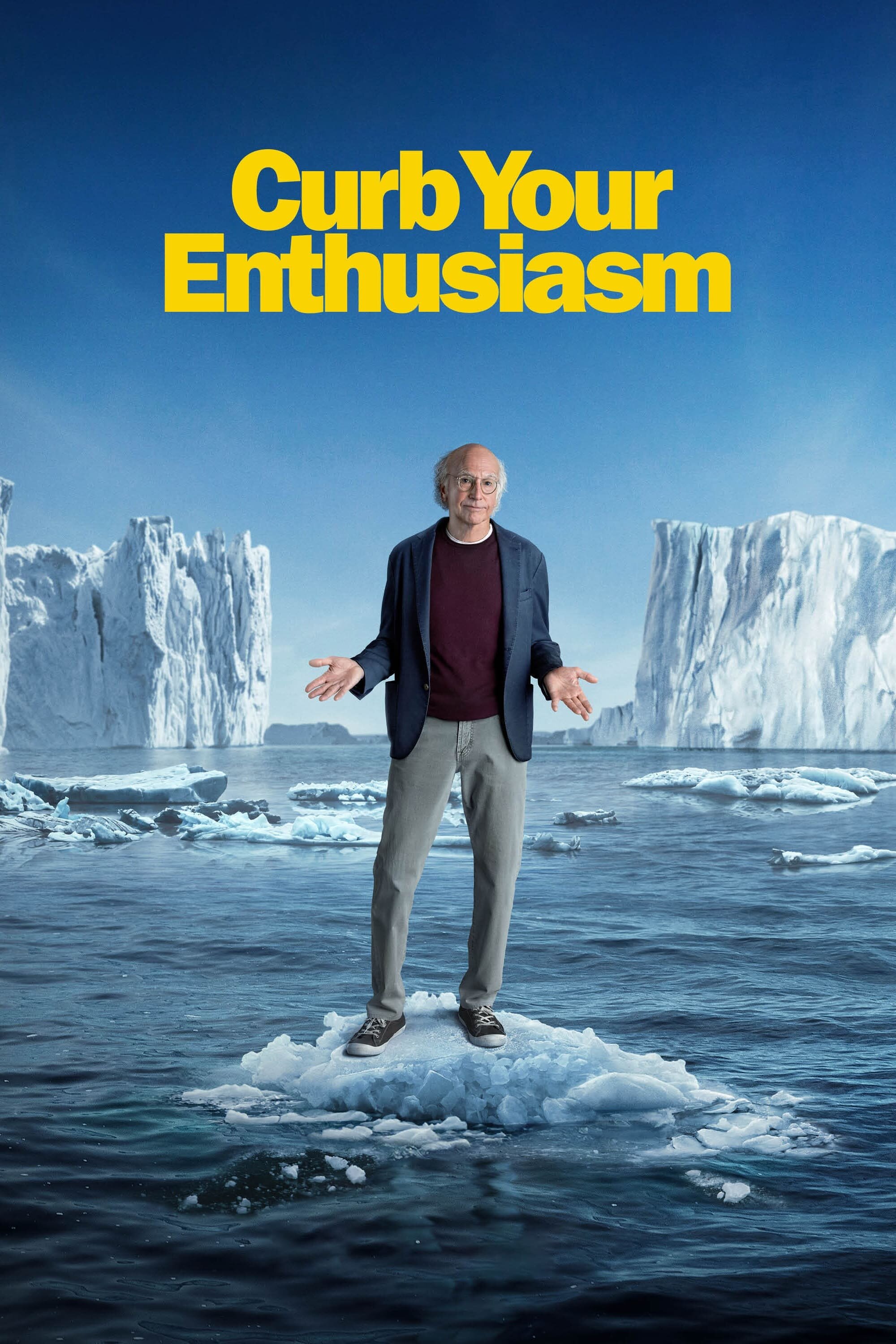
Curb Your Enthusiasm2000
Another HBO comedy mining comedy from social discomfort and the gap between what we think and what we say. Larry David does for contemporary L.A. what Dream On does for 90s New York, with the same blend of observational sting and genuine affection for flawed people.
But The humour is mean-spirited and repetitive if you're not tuned to its wavelength. Also, it's relentlessly cynical about human nature in ways that can feel exhausting.
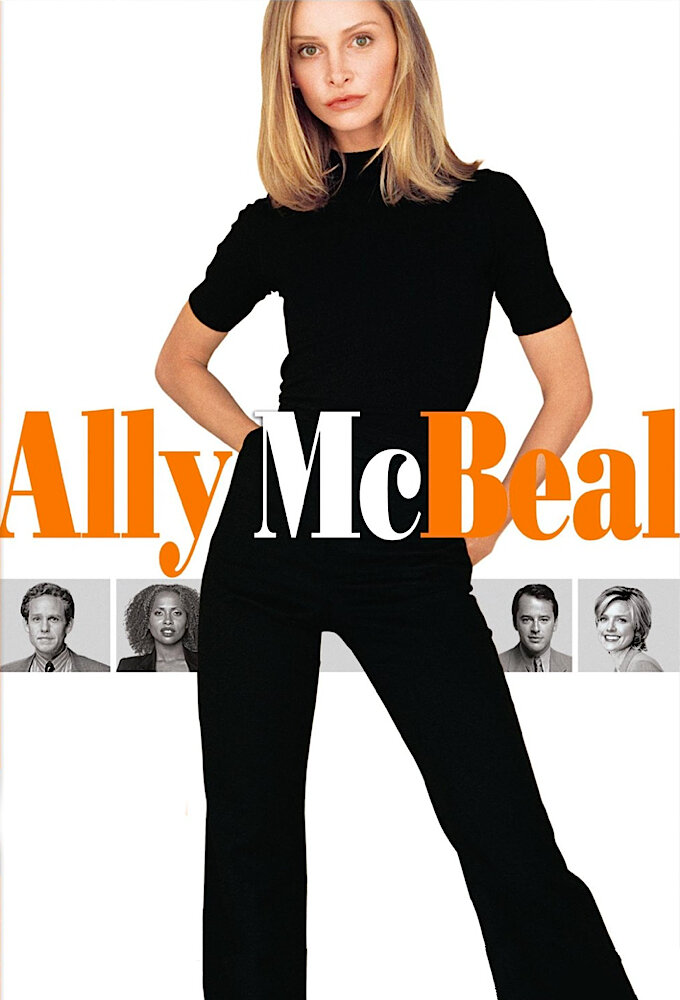
Ally McBeal1997
Same era, same emotional DNA: a single professional struggling through dating and work in a big city, with visual flourishes expressing interior life. Both shows treat romantic failure as comedy gold while never quite letting you forget it actually hurts.
But Ally McBeal aged poorly in some ways—the fashion choices and gender politics feel dated. Also far glossier and less grounded than Dream On.
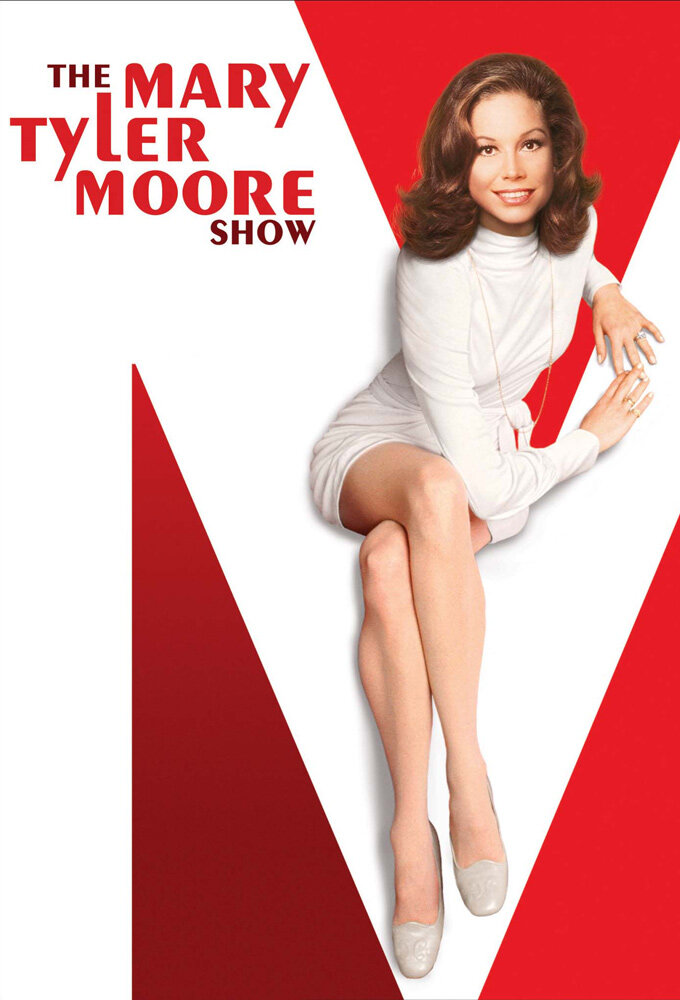
The Mary Tyler Moore Show1970
The spiritual ancestor: a single person building a life around work and friendship in a big city, with a warm ensemble cast and genuine laughs. If you love the optimistic bones of Dream On underneath the cynicism, this is where it came from.
But It's earnest and wholesome by contrast—no profanity, no sex, no real darkness. The pacing feels slow by modern standards.
Not sure tonight? Get a pick in a minute, starting from Dream On
The wildcard
Something you would not have found on your own.
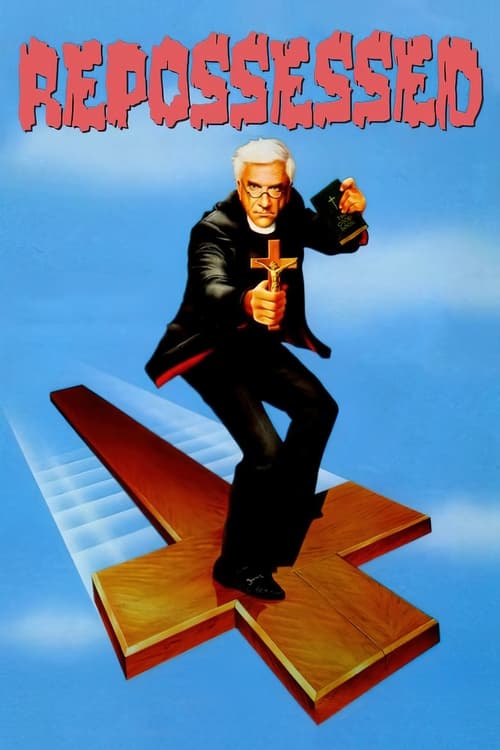
Repossessed1990
Both use film and TV history not as window-dressing but as the actual language of comedy and character—your inner life *is* made of movies.
A bonkers horror-comedy with Leslie Nielsen that uses clips from other movies the way Dream On does—as a form of cultural commentary and humour. It's anarchic, stupid, and more interested in movie history than plot coherence, with the same raucous sensibility.
But It's genuinely bad in ways that require patience and a specific sense of humour. Mostly forgotten and hard to find. The 'random clips' approach is gimmicky rather than meaningful.
More like this (8)
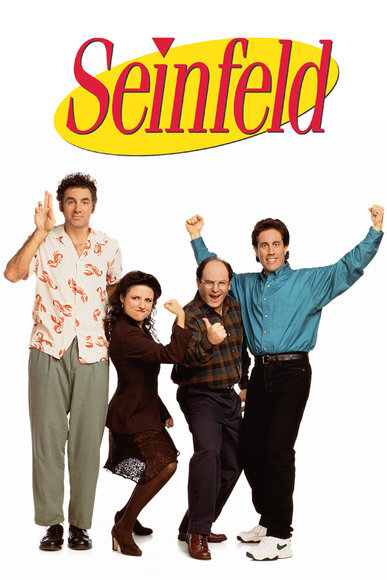
Seinfeld1989
Contemporary, urban, focused on the social awkwardness of single adults, and equally fascinated by how TV shapes our view of the world. Both shows treat sitcom tropes as material for comedy rather than as plot scaffolding.
But Seinfeld is tighter and more formally perfect, which means Dream On feels looser and messier by comparison. Some prefer that mess; others find it undisciplined.
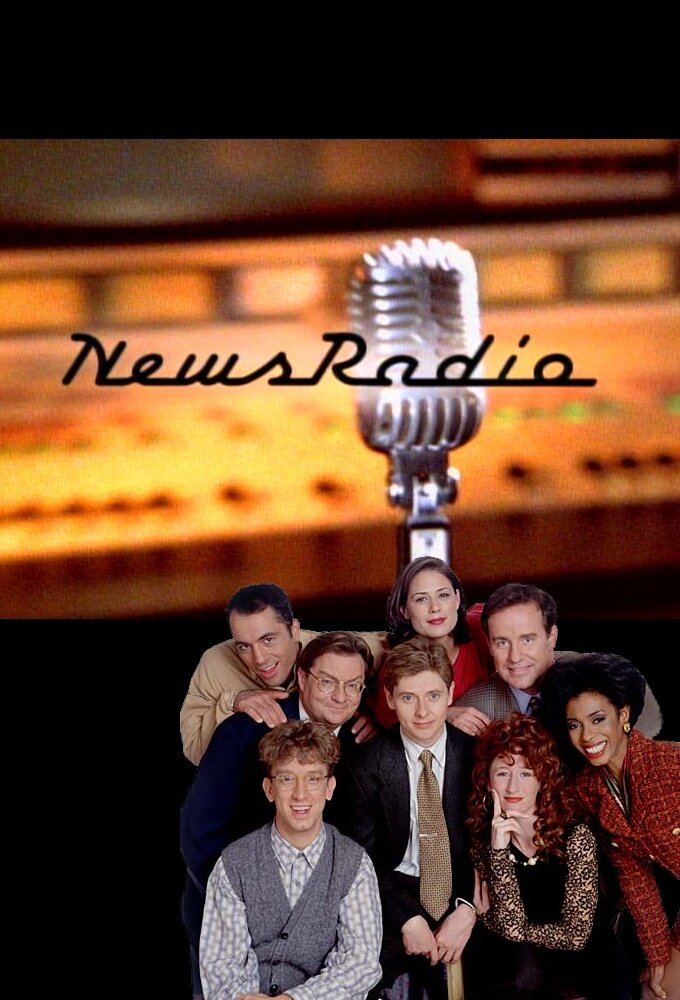
NewsRadio1995
A workplace comedy with real warmth underneath the jokes, featuring a cast of characters you actually grow to love. It has Dream On's blend of snappy dialogue and genuine investment in how people actually fail each other.
But It's gentler and less willing to go to the darker places Dream On explores. The workplace setting is narrower than the anything-goes sprawl of a guy's whole life.
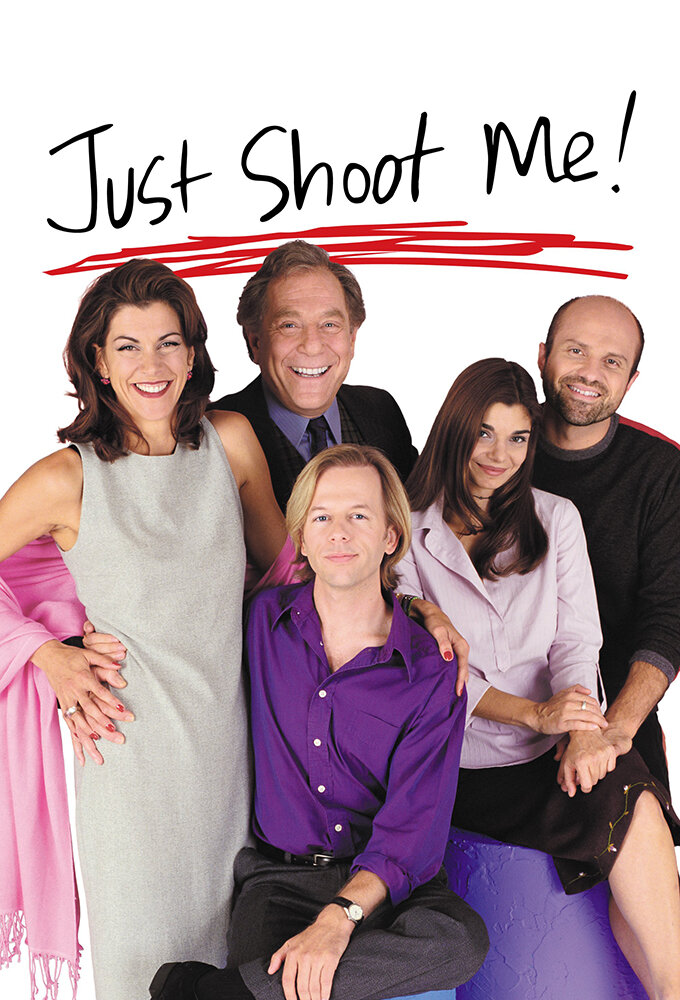
Just Shoot Me!1997
A workplace comedy that doesn't take itself seriously, with absurdist humour and real character development running underneath. It captures some of Dream On's willingness to be silly and raunchy while still caring about who these people are.
But It's broader and more concerned with conventional sitcom plots. Less interested in the loneliness underneath the jokes.
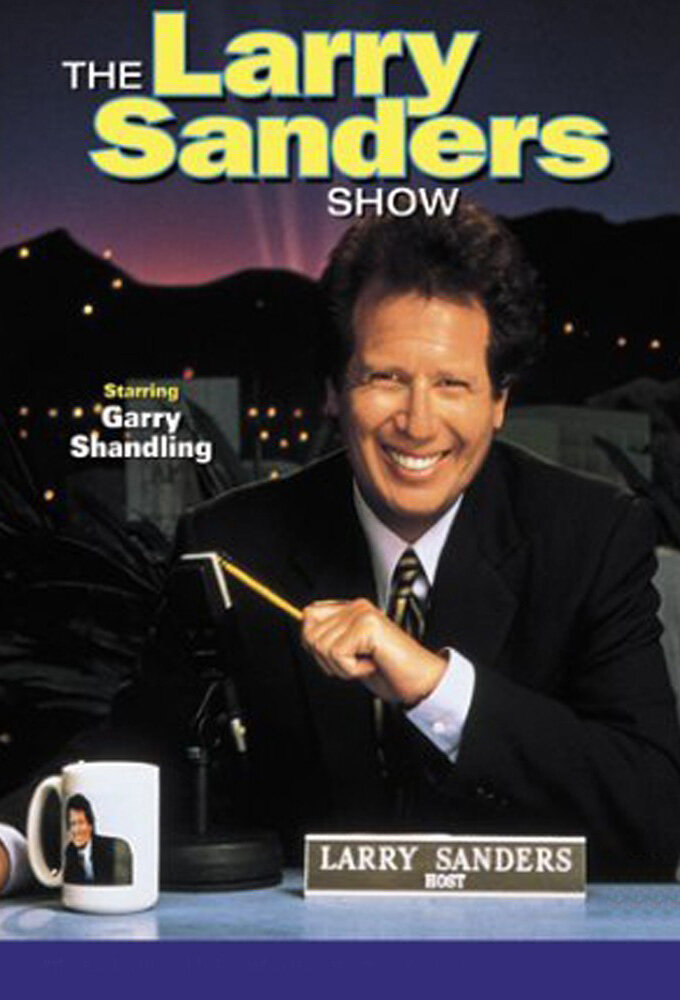
The Larry Sanders Show1992
HBO's answer to the workplace comedy, about a talk-show host and his chaotic inner and outer worlds. It has Dream On's interest in male anxiety and the gap between performance and reality, with sharper writing and a harder edge.
But It's more aggressively cynical, with less of the romantic comedy element that gives Dream On its heart. The workplace setting is narrower.
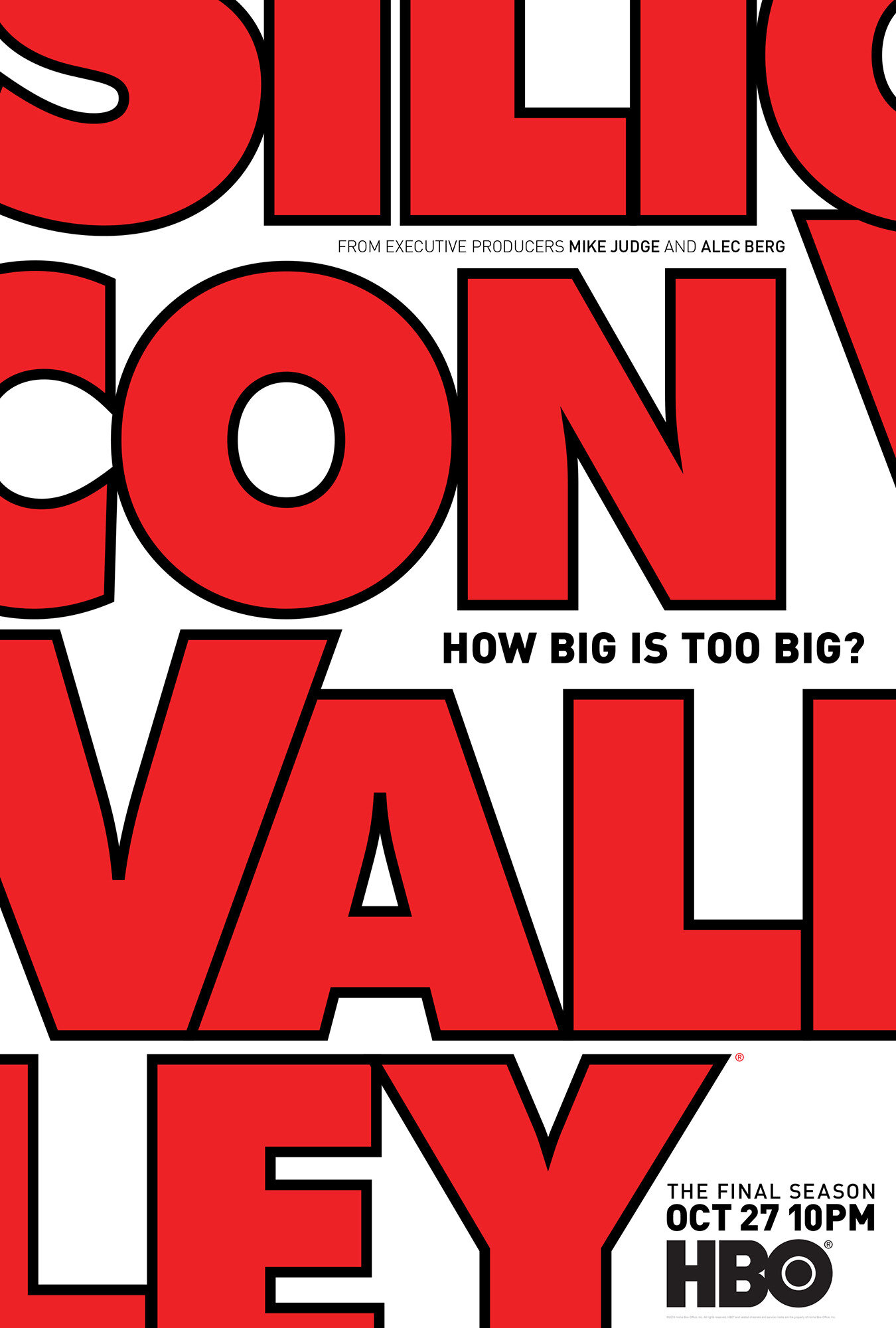
Silicon Valley2014
A contemporary echo of Dream On's DNA: a comedy about failure, male anxiety, and the gap between ambition and reality. It uses similar visual tricks and has the same blend of harsh judgment and genuine sympathy for its characters.
But It's set in a world of wealth and privilege that feels alien to Dream On's grounded New York sensibility. Also crueller and less interested in romance or relationships.
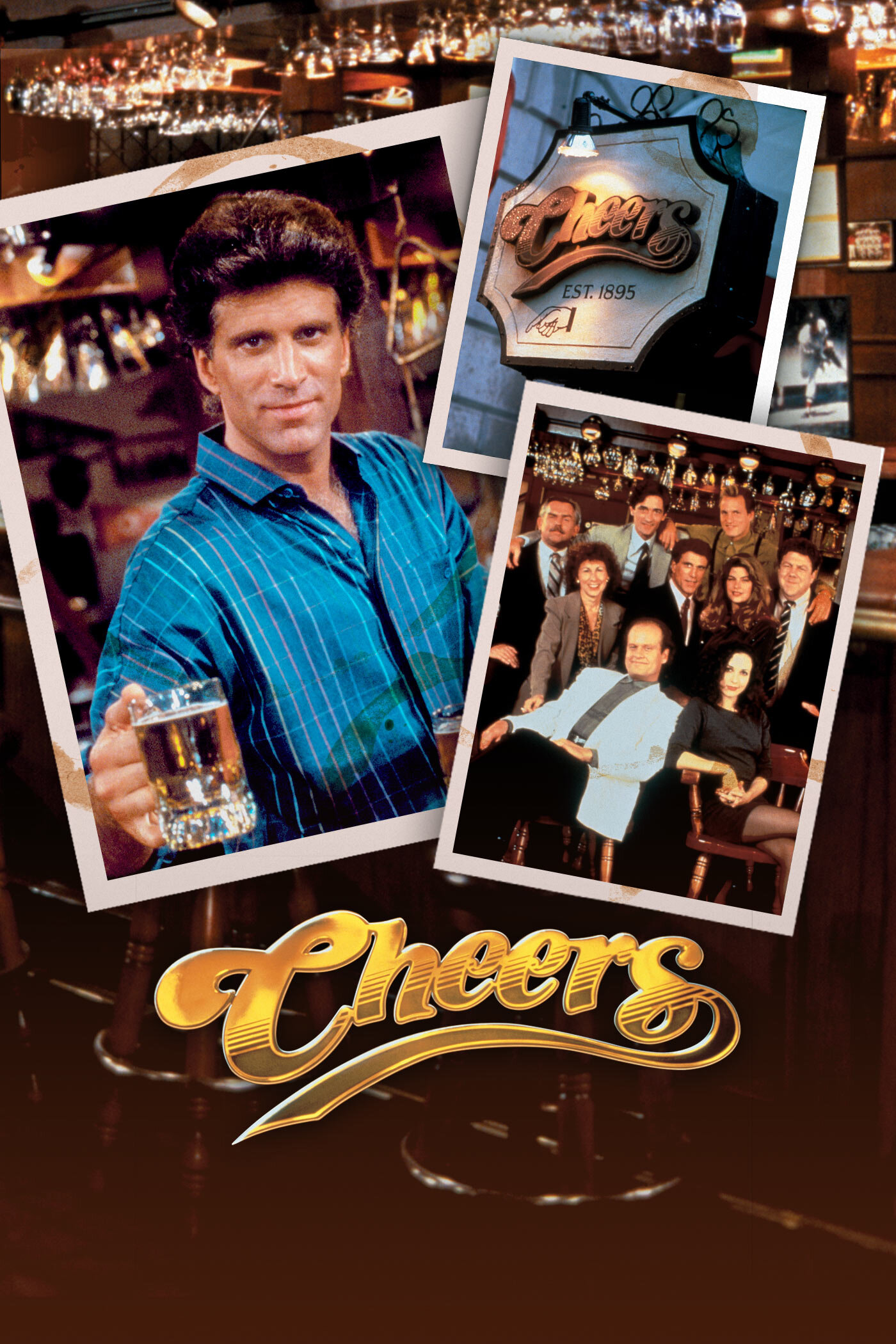
Cheers1982
A sitcom about misfits finding community in a shared space, with warm ensemble chemistry and real stakes underneath the jokes. Both shows understand that sitcoms can be about loneliness and connection at the same time.
But Cheers is gentler, more focused on being liked, and far less interested in sex or failure. The bar is a refuge; Dream On's New York is a battlefield.
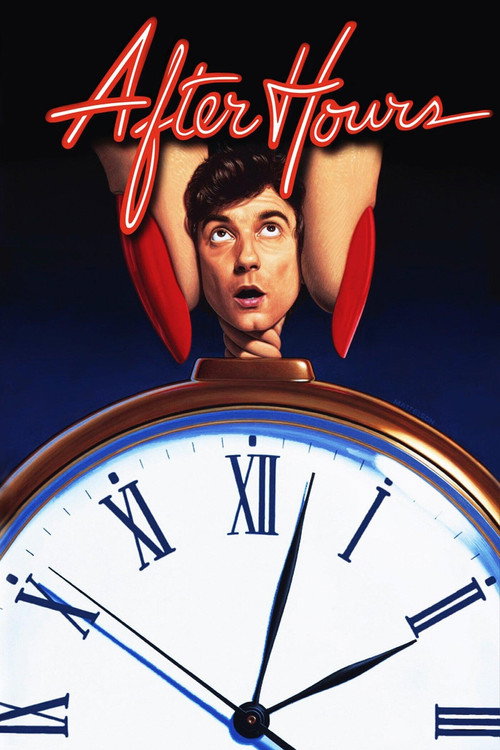
After Hours1985
Both are about single men lost in big cities, trying to connect with women and failing in ways that are both pathetic and somehow universal. Both treat the urban landscape as a character.
Scorsese's strangest film: a New York nightmare-comedy about a single man whose evening spirals into surreal chaos. It has Dream On's blend of urban anxiety, sexual confusion, and the sense that the world is fundamentally incomprehensible to well-meaning men.
But It's genuinely unsettling and deliberately incoherent. Funny only if you find existential dread hilarious. Much darker and more hostile than Dream On.
Singin' in the Rain1952
Dream On is essentially about how movies and TV become our inner monologue. Singin' in the Rain is about how movies make us believe in better versions of ourselves. They're opposite poles of the same obsession.
The opposite of Dream On in register but the same in spirit: a movie about movies and their power over our imagination. It's joyful where Dream On is anxious, but both are fascinated by how cinema shapes the way we think and feel about ourselves.
But It's a musical from 1952, which means if you don't love classic Hollywood or the spectacle of dance, it'll feel antique and foreign. No edge, no cynicism. Wholesome in a way that might feel alien.

People
Cast




Writing
- David CraneCreator
- Marta KauffmanCreator
- Andrew GordonExecutive Story Editor
- Daryl RowlandExecutive Story Editor
- Eileen ConnExecutive Story Editor
- Lisa DeBenedictisExecutive Story Editor
- Stephen EngelExecutive Story Editor
- Bill PradyStory Editor
- Dava SavelStory Editor
- David FuryStory Editor
- Elin HamptonStory Editor
- Jeff GreensteinStory Editor
- Jeff StraussStory Editor
Production
- Jody E. SobelAssociate Producer
- Steven HouskaAssociate Producer
- Stewart Halpern-FingerhutAssociate Producer
- David CraneCo-Executive Producer
- Marta KauffmanCo-Executive Producer
- Ron WolotzkyCo-Executive Producer
- Stephen EngelCo-Executive Producer
- Johanna PersonsCo-Producer
- Ron WolotzkyCo-Producer
- Victor LevinCo-Producer
- John LandisExecutive Producer
- Kevin S. BrightExecutive Producer
- Leslie BelzbergExecutive Producer
- Robert K. WeissExecutive Producer
- Scott WhiteLine Producer
- David CraneProducer
- Jeff GreensteinProducer
- Jeff StraussProducer
- Marta KauffmanProducer
- Robb IdelsProducer
- Ron WolotzkyProducer
- Bill SandersSupervising Producer
- Don WoodardSupervising Producer
- Jeff GreensteinSupervising Producer
- Jeff StraussSupervising Producer
- Tom MaxwellSupervising Producer