Television series
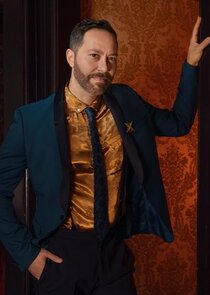
Critical Role
Critical Role is a D&D campaign livestreamed by voice actors playing in Matthew Mercer's world. It's watching friends collaborate on an unscripted story for hours—part improv, part strategy game, entirely gripping. Perfect for anyone who wants to see storytelling happen in real time, or who's curious what D&D actually feels like.
Should you watch it?
Watch it if you love tabletop games watched over the shoulder, where improvised voices and dice rolls matter more than polished plot, and you enjoy hearing a group build a story together in real time.
Skip it if you want a tight, self-contained story with a set ending, since this runs for hundreds of episodes with long stretches of table talk between the dice rolls.
What it asks of you: Each episode runs about three and a half hours at a loose, conversational pace, so it asks for a long, unhurried settle-in rather than a quick dip.
Not sure? Find tonight's pick in a minute.
If you liked this
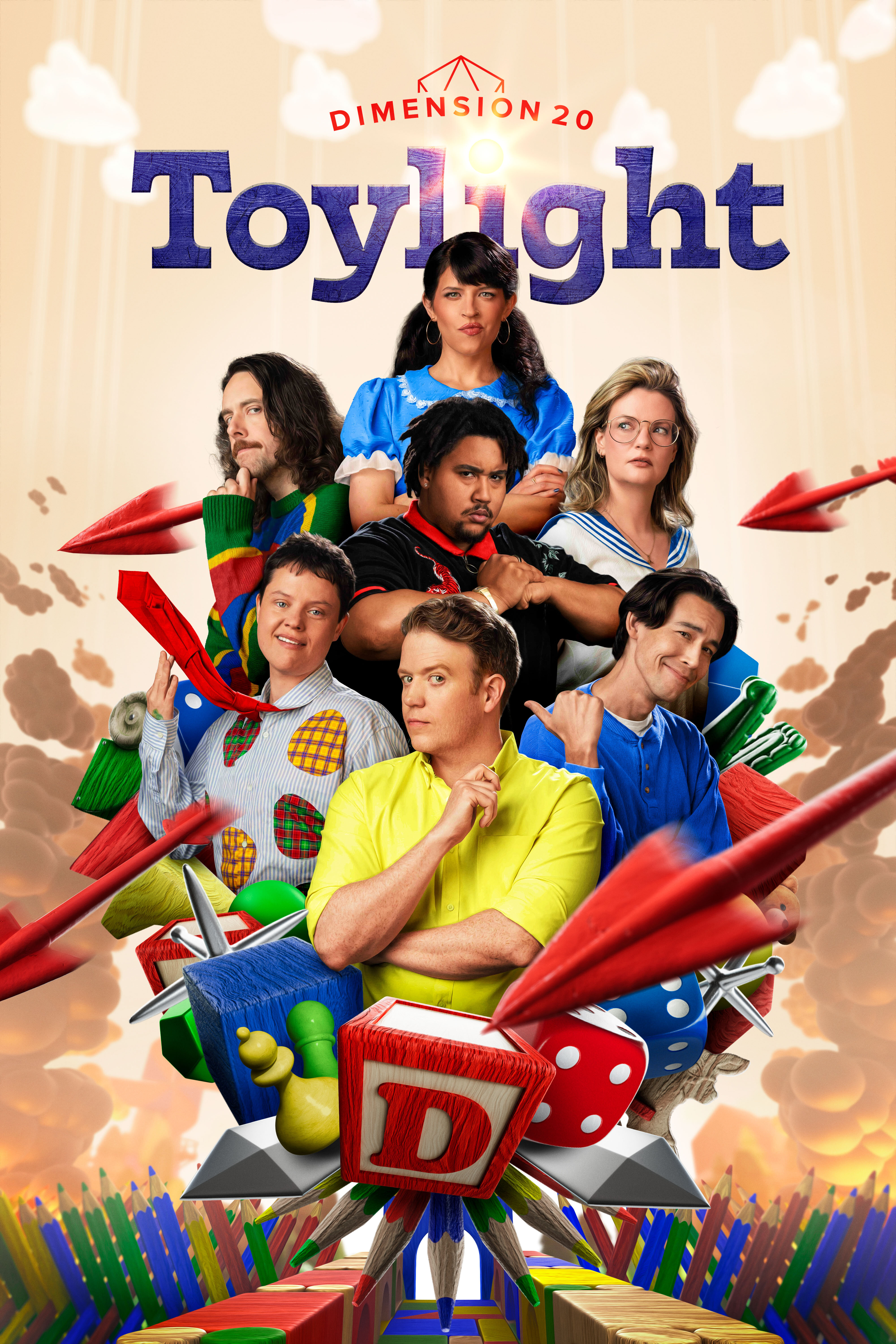
Dimension 202018
A murder mystery D&D session hosted by Brennan Lee Mulligan with a stacked cast. Tighter, shorter, and ingeniously structured—a single night becomes a perfect closed narrative. Pure theatre.
But It's only one six-hour session, so if you're looking for a long-running saga to follow, this hits different. Also commits fully to the mystery structure, which means less character breathing room.
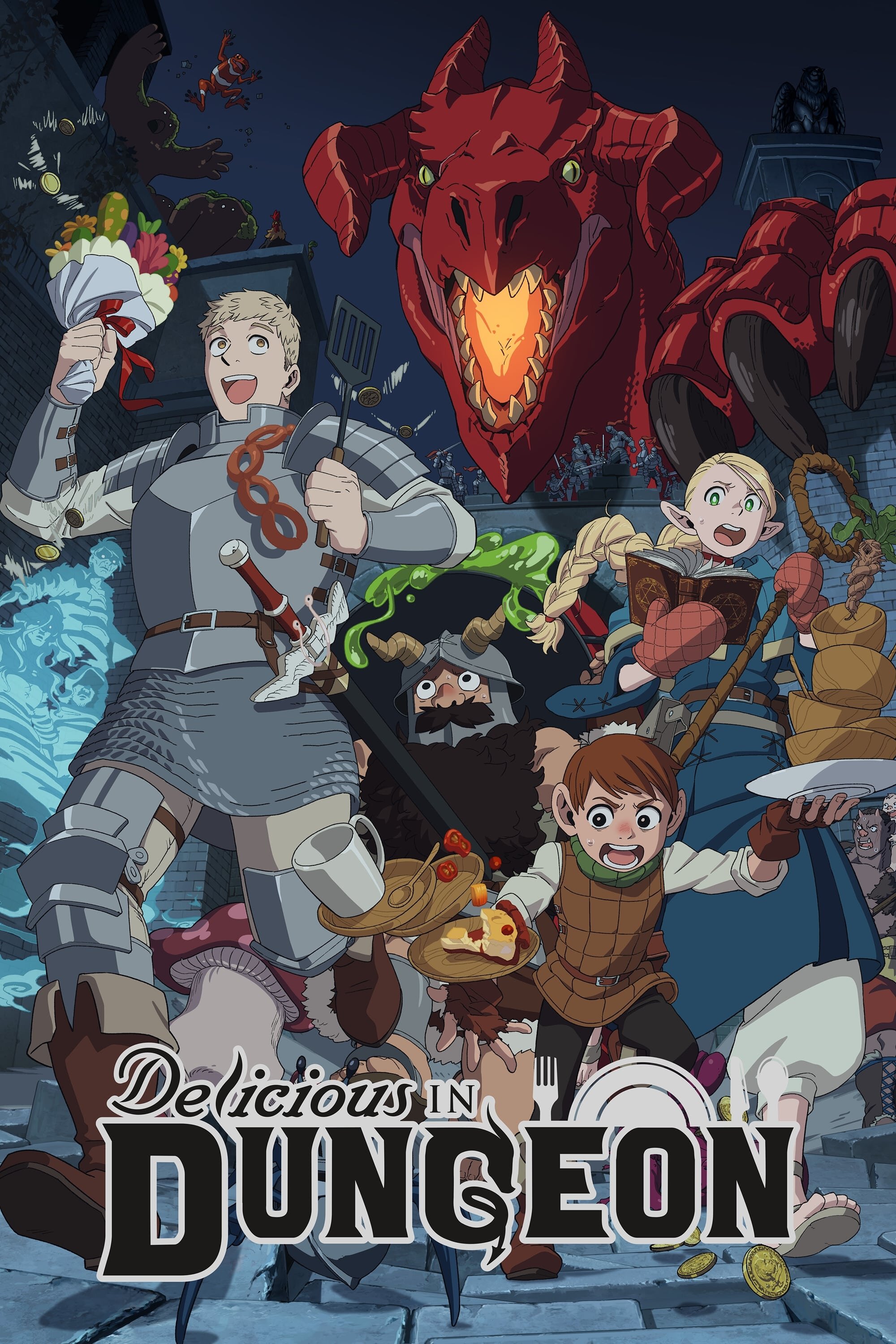
Delicious in Dungeon2024
A fantasy adventure where two companions cook and eat monsters while exploring a dungeon. Sounds absurd, and it is—but it's also sincere, gorgeously animated, and surprisingly touching. The food is gorgeous to watch.
But The concept could feel gimmicky. Also, despite the comfort-food energy, the body horror and death can be surprisingly dark.
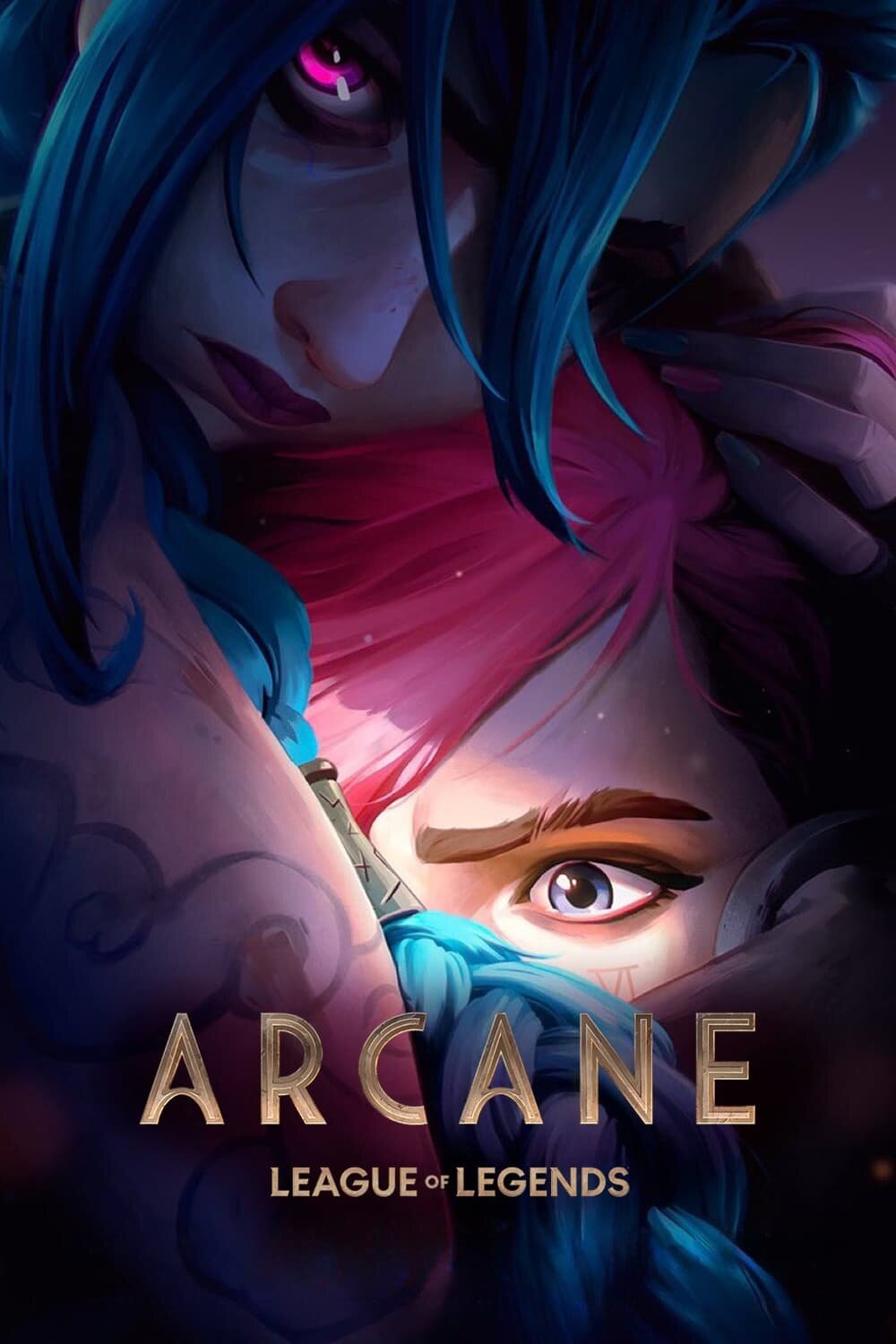
Arcane: League of Legends2021
League of Legends adaptation that became a fully independent masterpiece. Stunning frame-by-frame animation, intricate character dynamics, and a world that feels lived-in. Each act escalates beautifully.
But Three hours to get through the first season, and it ends on a cliffhanger. Also, it's denser and more formally composed than Critical Role's improvisation—very different energy.
Not sure tonight? Get a pick in a minute, starting from Critical Role
The wildcard
Something you would not have found on your own.
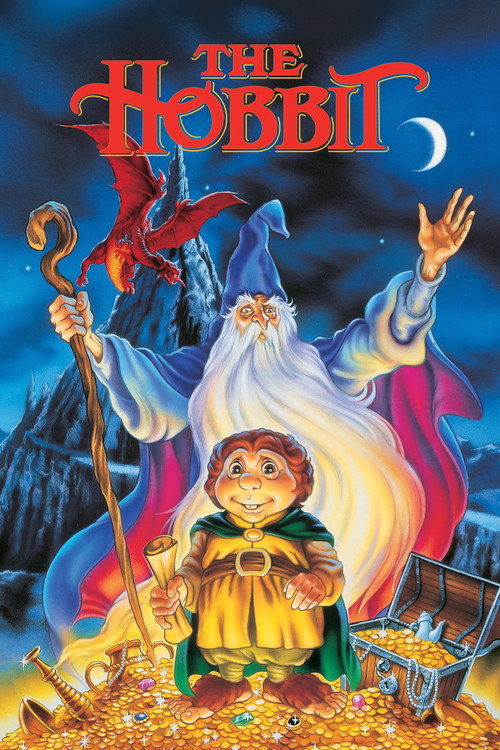
The Hobbit1977
Both are collaborative storytelling where the constraints (animation materials, improvisation rules) force creativity and personality to show. The joy comes from watching people work within limits, not from unlimited resources.
Rankin/Bass stop-motion adaptation from before fantasy was a prestige genre. Weird, earnest, often funny, and genuinely concerned with character moments between action. Like watching a D&D campaign from people who thought fantasy storytelling mattered long before it was cool.
But The animation is deliberately flat and sometimes grotesque by modern standards. Also moves at a 1970s pace—no fast cuts, lots of sitting.
More like this (6)
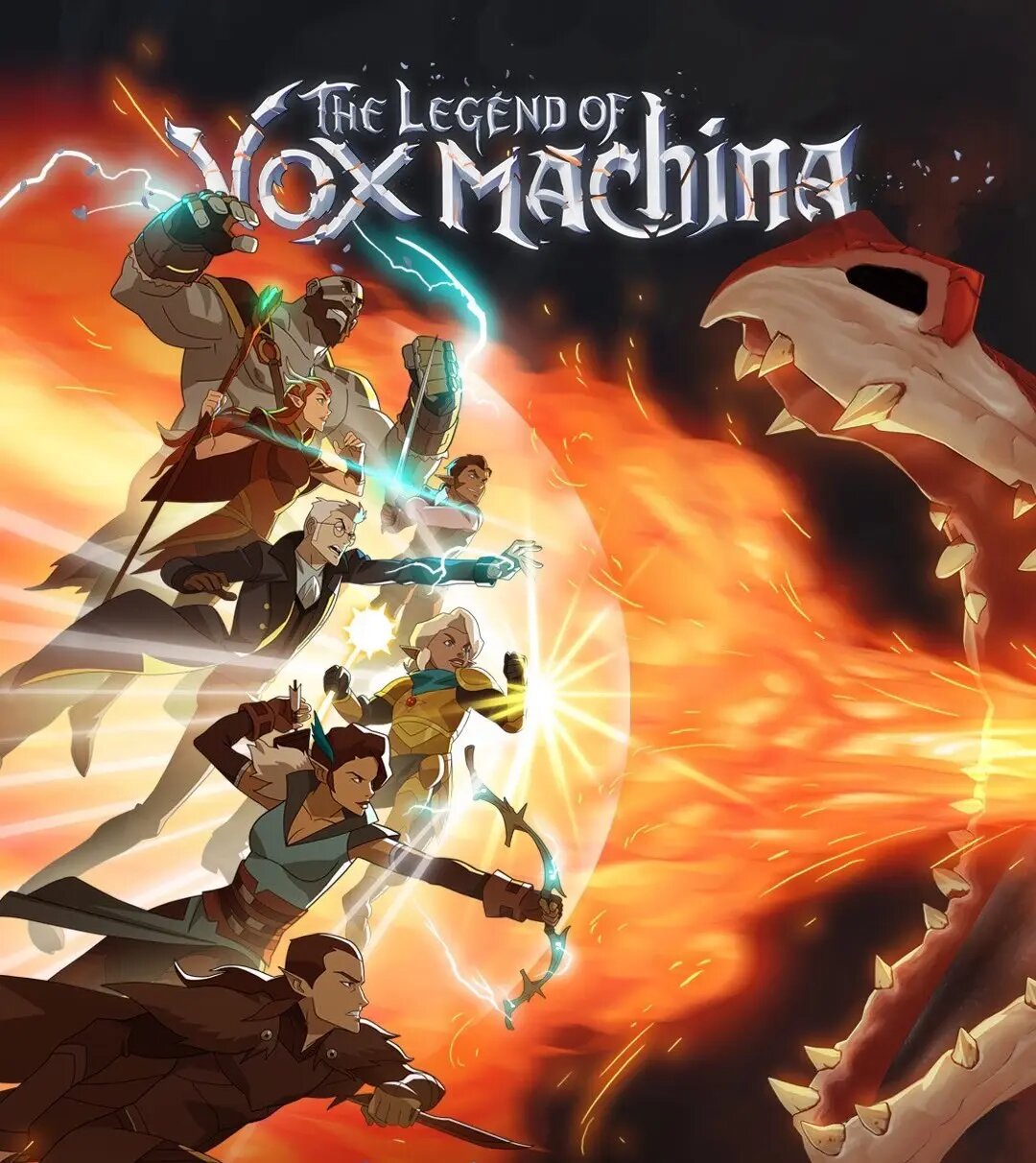
The Legend of Vox Machina2022
Animated prequel to Critical Role's first campaign, so you get the same characters but in a finished, high-production narrative. Balances genuine stakes with fun ensemble comedy better than many fantasy shows.
But As an adaptation, it cleans things up and paces faster than the source material, which means less of that improvised chaos some people love. Also, spoils major beats if you plan to watch the original campaign.
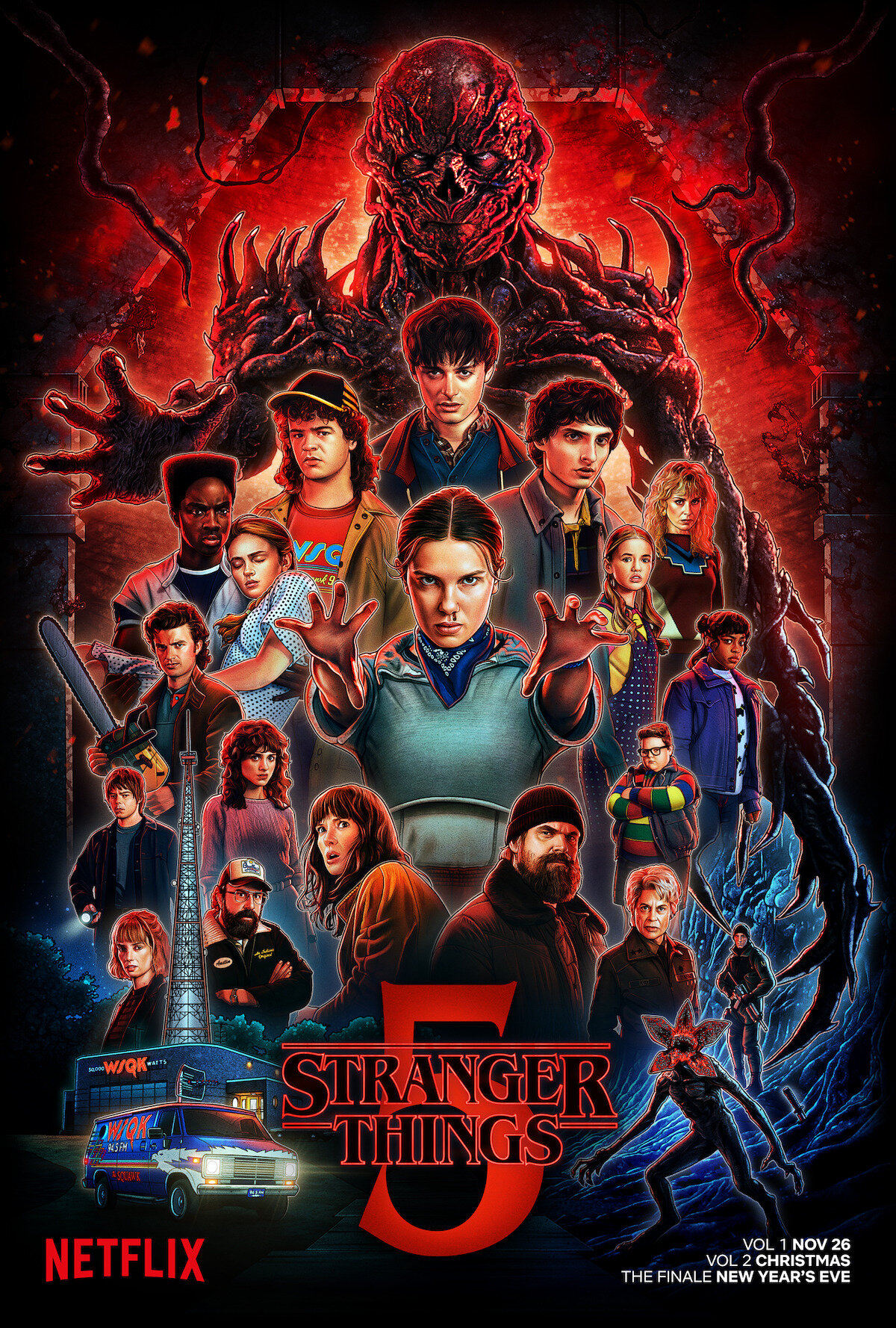
Stranger Things2016
A group of misfit friends (and one powerful girl) battle supernatural forces in the 1980s. Strong ensemble chemistry, real stakes, and an understanding of what makes D&D-style adventure storytelling work for modern audiences.
But Later seasons lose focus and lean heavily into romance subplots. Also, the show itself becomes increasingly interested in spectacle than character, which is the opposite of what makes long-form improvisation work.
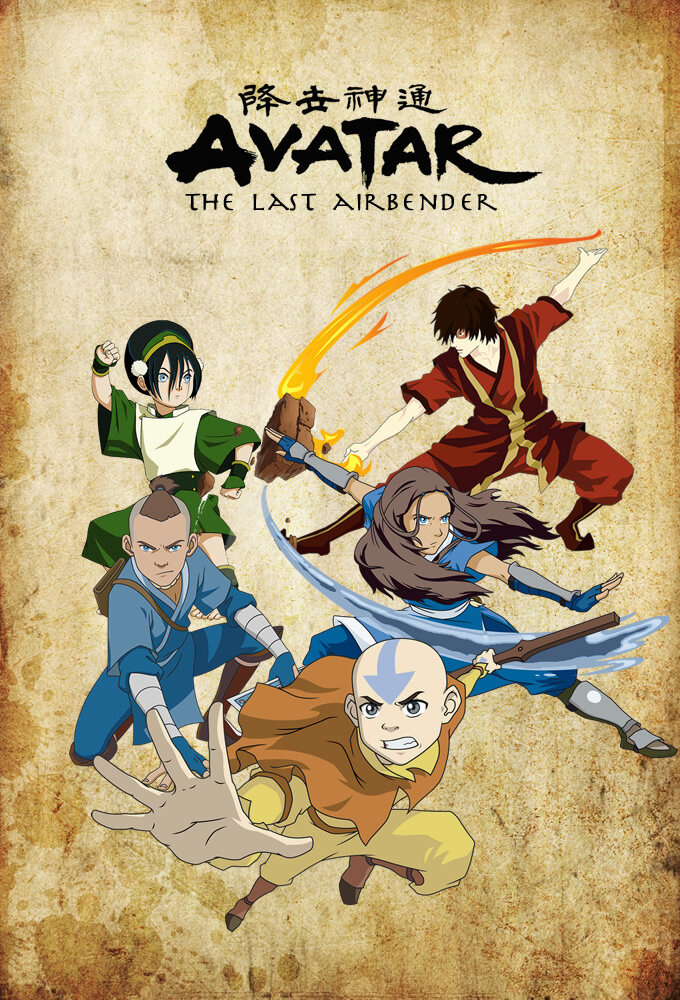
Avatar: The Last Airbender2005
Three seasons following a group of found-family adventurers with genuine character arcs, ensemble dynamics, and unexpected emotional depth. Proof that genre TV can be sophisticated and gripping without being dark.
But It's animated and aimed younger, so if you're attached to live actors and adult themes, the register shift might feel jarring. Also, everyone's already seen it.
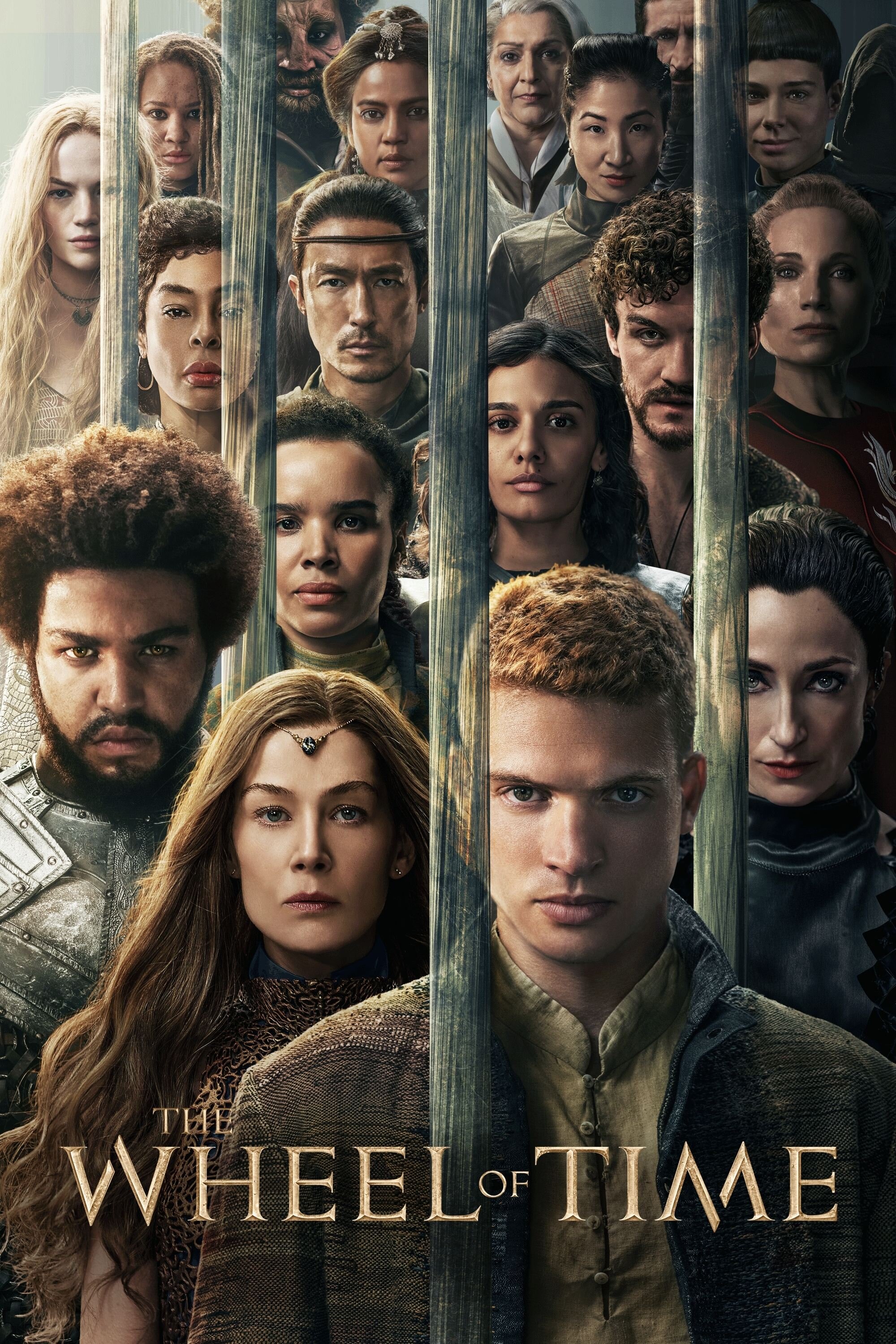
The Wheel of Time2021
Epic fantasy with a sprawling ensemble cast, intricate magic systems, and long-form narrative complexity. If you want the scope and world-depth of what Mercer builds, this attempts it at genuine production scale.
But The first season is visibly trying to figure out its tone, and the pacing can drag. Also, adaptation purists and book fans are legitimately divided on whether it works.
Severance2022
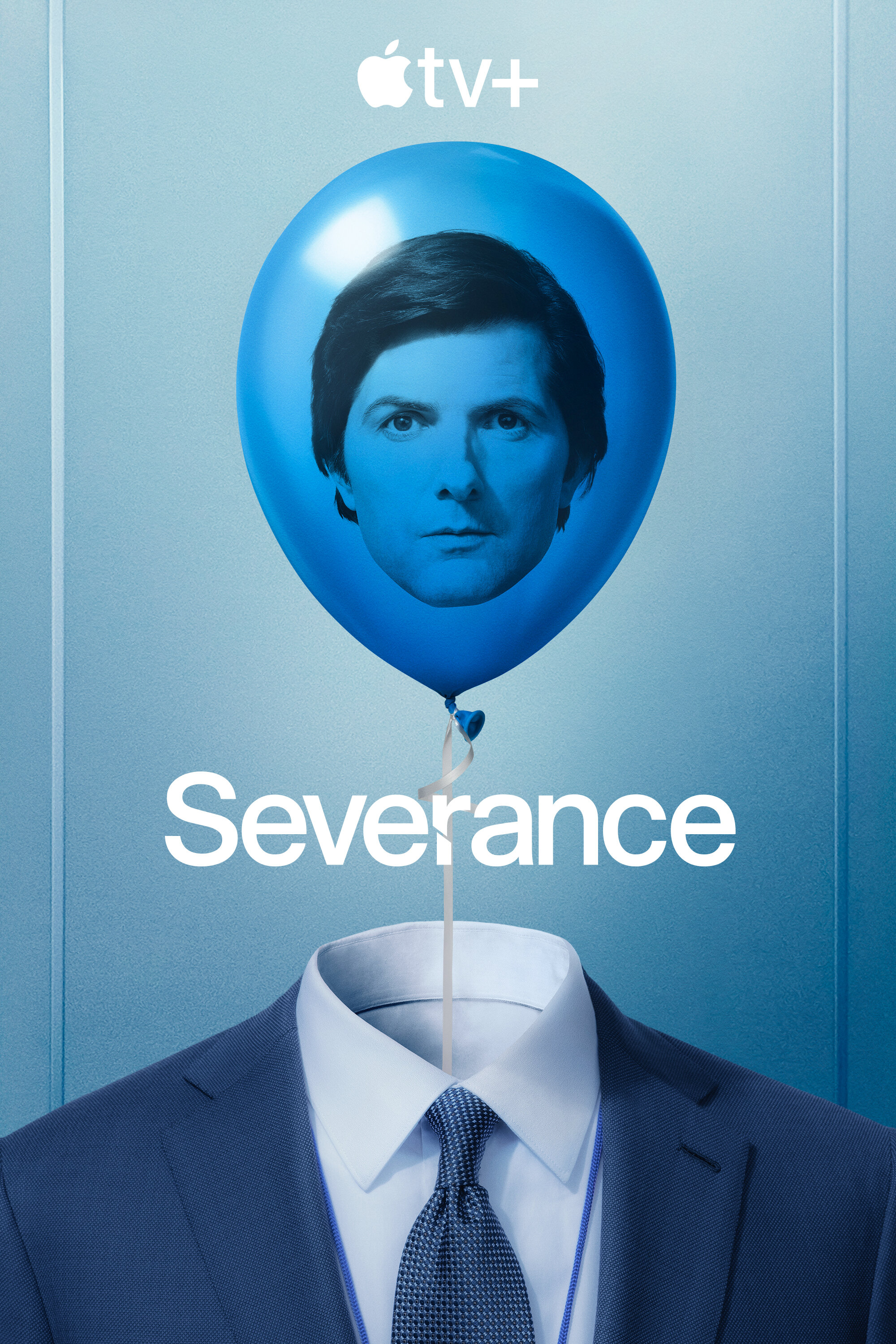
Both are obsessed with how groups of people navigate systems with strange, arbitrary rules and how character emerges from working within constraints. In D&D it's the dungeon; here it's the workplace. Same structural engine.
A corporate thriller about workers whose memories are surgically split between office and home life. Architecturally intricate, formally brilliant, and built on the same principle as D&D: exploring what happens when reality has different rules than normal.
But It's bleak, slow, and demands attention. Absolutely no comfort-watch energy. Also, season two is still rolling out.
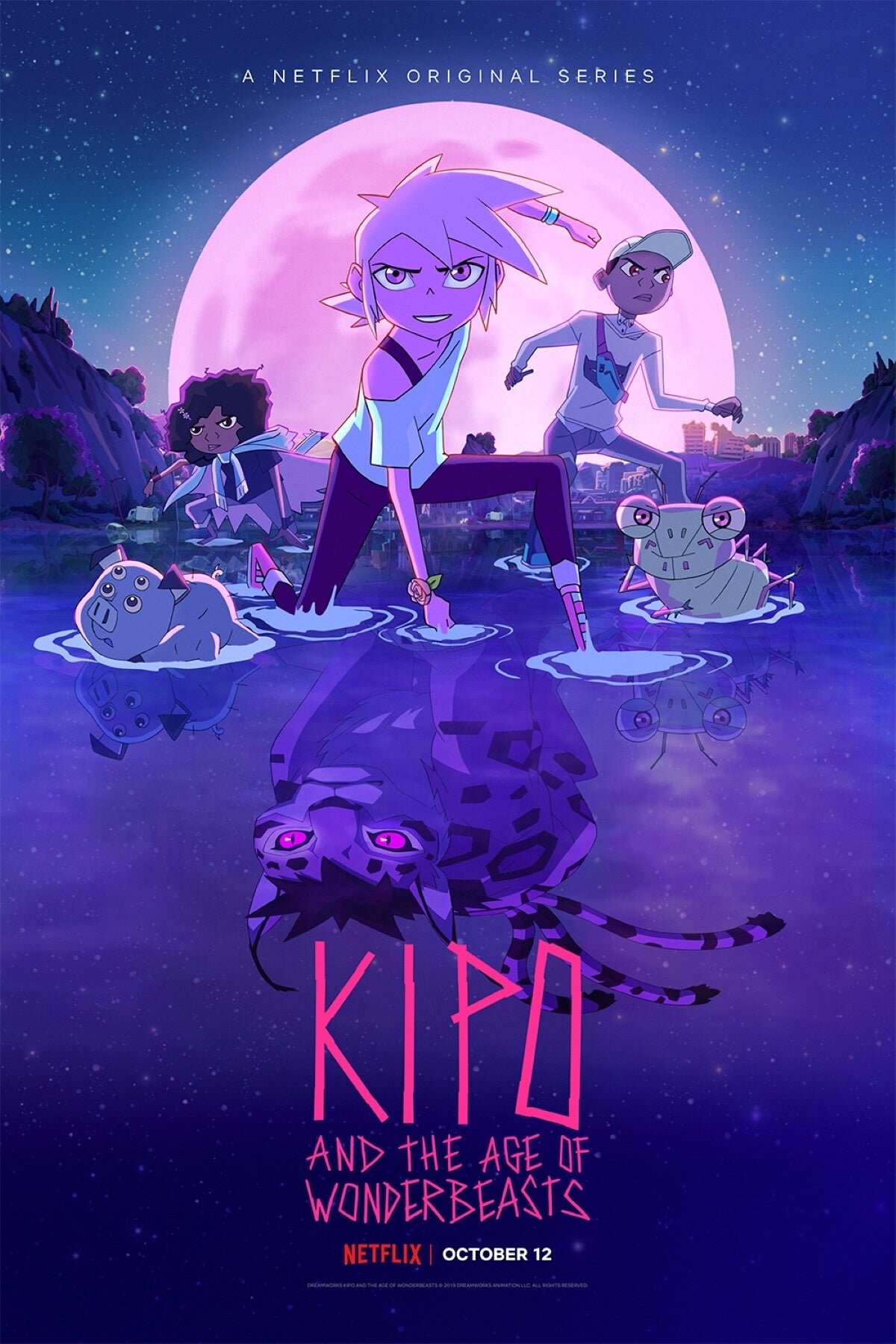
Kipo and the Age of Wonderbeasts2020
Like Critical Role, it's fundamentally about a group learning to trust each other while exploring a world where the rules are weird and anything could happen next. Both are optimistic about found family in ways that most TV isn't.
Post-apocalyptic adventure following a group of found-family misfits discovering a world full of strange creatures and moral complexity. Animated, gorgeously designed, funny and genuinely moving. Feels like someone translated the warmth and discovery of a long D&D campaign into episodic form.
But It's animated and aimed at younger audiences, so if you need grittiness or adult themes, it won't scratch that itch. Relatively short—only four seasons.