Television series
Celebrity Scares
- Haunted-house horror
- Dip in and out
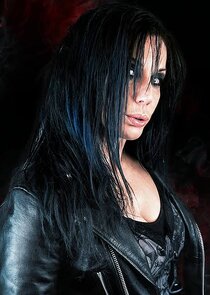
An unscripted series that drops celebrities into haunted attractions while conducting genuine interviews with horror legends. It's part talk show, part psychological endurance test—watching people forced into vulnerability by fear, having real conversations while genuinely terrified. For anyone who loves horror authenticity mixed with celebrity access and the weird intimacy that terror creates.
If you liked this
The Toys That Made Us2017
Unscripted celebrity interviews woven through cultural history, with genuine affection and surprise moments. The format proves that real conversation happens when people care about the subject, not just the camera.
But It's essentially a very long advertisement for toy companies. If nostalgia-driven content feels manipulative to you, this leans hard into sentiment.
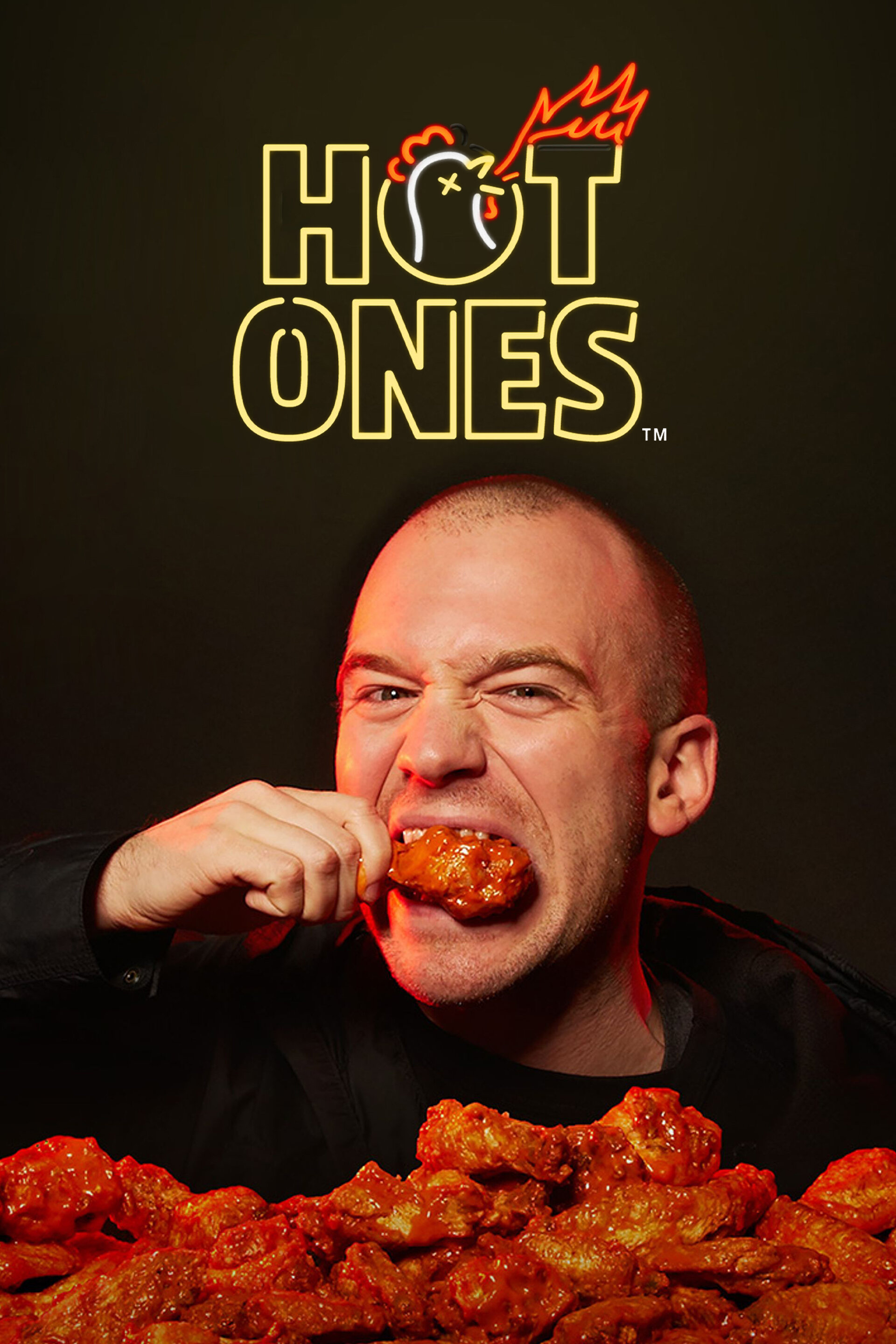
Hot Ones2015
An interview show where physical stress—eating increasingly hot wings—forces celebrities to drop their armor. The format creates real vulnerability and surprising honesty in a way normal interviews don't.
But The novelty of the heat wears off by season three. After that you're just watching people eat hot sauce and hope they say something interesting.
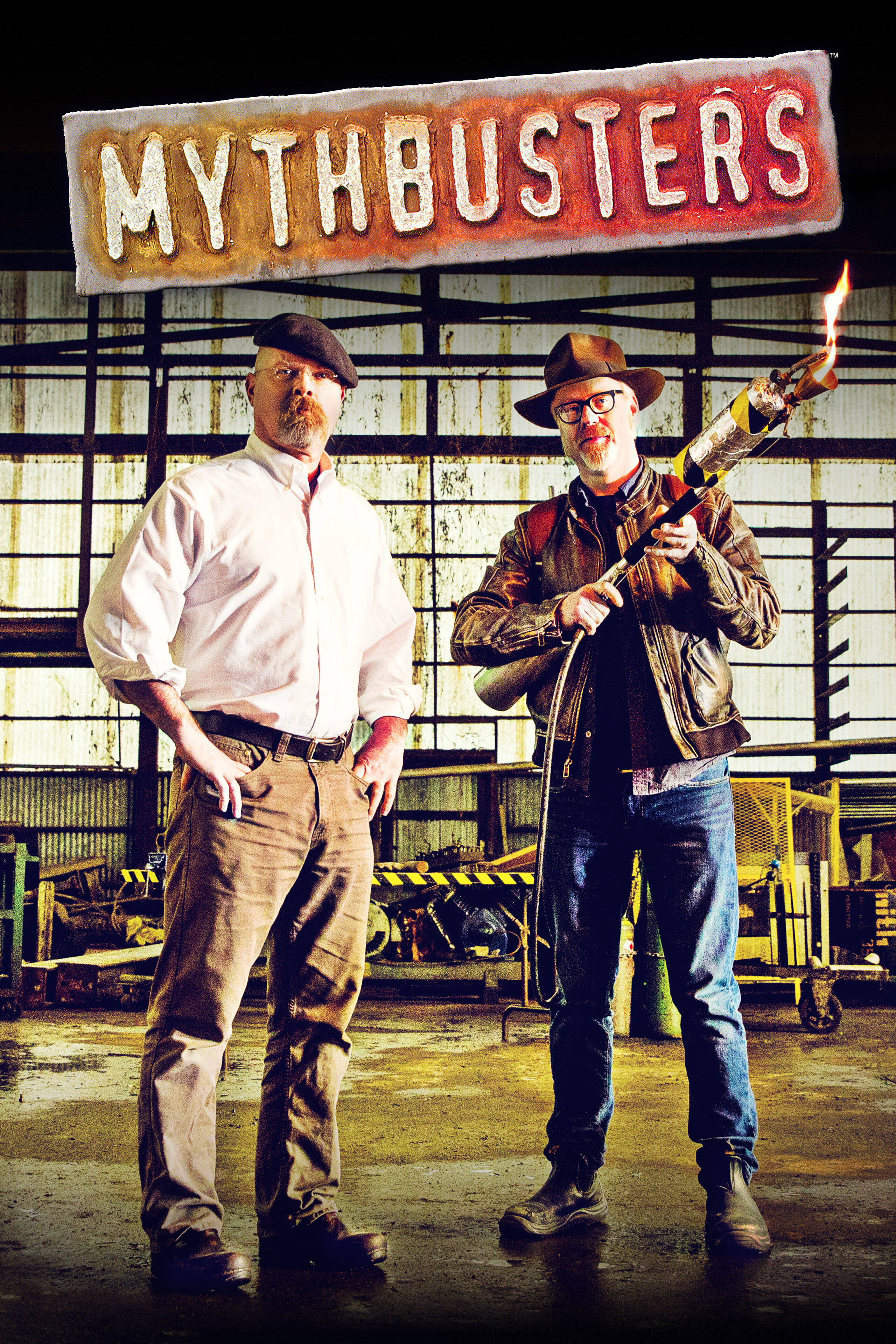
Mythbusters2003
Unscripted problem-solving with genuine stakes. Hosts actually fail, genuinely react, and you see the real moment of discovery. It's the DNA of what makes immersive testing entertaining.
But Fourteen seasons is a lot. The early episodes are fresher, but commitment feels necessary to understand the show's evolution.
Not sure tonight? Get a pick in a minute, starting from Celebrity Scares
The wildcard
Something you would not have found on your own.
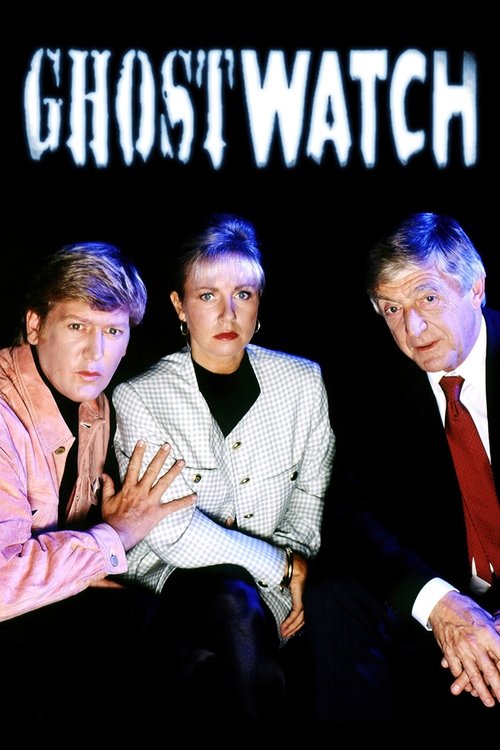
Ghostwatch1992
Both use the pressure of live or immersive conditions to break down persona and create involuntary authenticity. Ghostwatch proved that format itself can be terrifying.
A fake-documentary broadcast presented as live TV coverage of a haunted house investigation. It invented the format of using real-time pressure and the camera as a tool for genuine fear. The DNA of immersive horror is here.
But It's in black-and-white, British, and paced like a real broadcast—which means slow and genuinely dull between scares. Patience required.
More like this (5)
Fear Factor2001
Celebrities facing genuine physical horror while being interviewed and observed. It's the blueprint for the fear-meets-conversation formula, and it's rawer and meaner than modern reality TV.
But It's incredibly dated. The '00s sensibility and production quality feel dated now, and the celebrity roster won't mean much unless you lived through that era.
Nailed It!2018
Celebrities pushed into uncomfortable situations where they can't hide behind their persona. The format guarantees moments of real frustration, failure, and unguarded reactions—which is what Celebrity Scares is after.
But It's fundamentally light and optimistic. If you want genuine dread rather than cute chaos, the tone will feel too gentle.
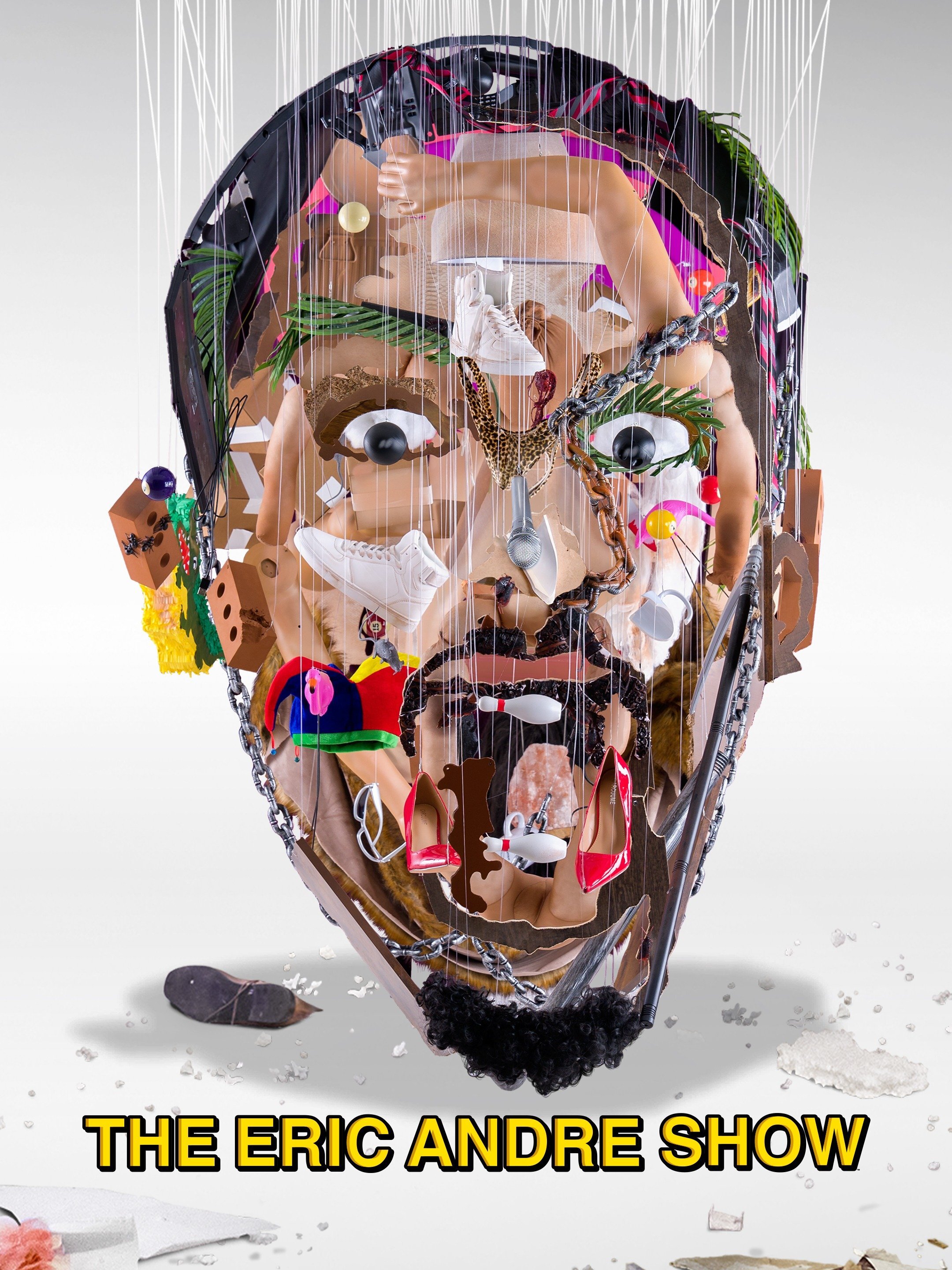
The Eric Andre Show2012
Unscripted, deliberately chaotic interviews designed to catch guests unbalanced and real. It understands that the best moments happen when control breaks down—which is what fear enforces.
But It's aggressively weird and alienating. The humor is confrontational, and if surrealism doesn't click for you, it reads as just hostile.
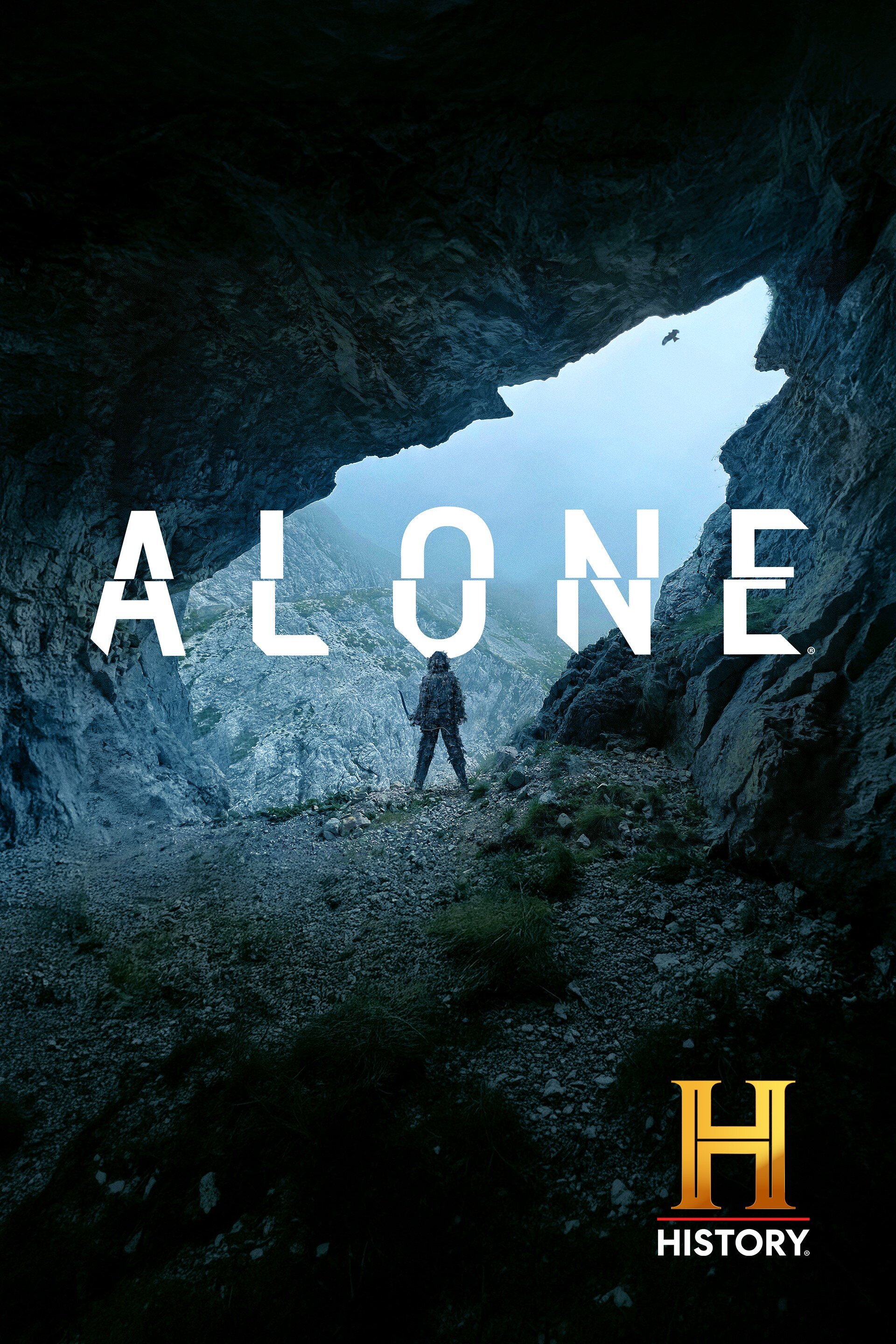
Alone2015
Unscripted survival documentary where real stress and isolation force vulnerability and honesty. The pressure is physical rather than psychological, but the principle—stress creates truth—is identical to what Celebrity Scares builds on.
But It's slow and requires patience. Episodes are long, and some participants are less interesting than others. Not every moment lands.
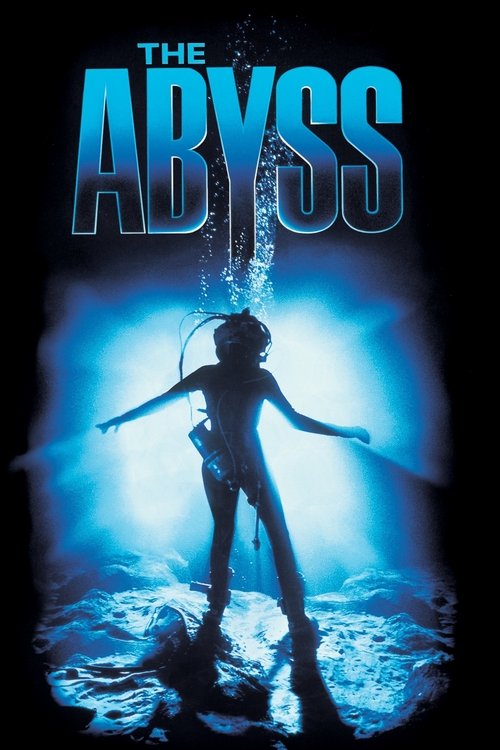
The Abyss1989
Both understand that real physical stress and discomfort create authenticity that actors can't fake. The camera captures what you can't perform away.
A science fiction film where the cast is genuinely stressed by the conditions of shooting—they're in water tanks, learning to hold their breath, dealing with real danger. The vulnerability onscreen reflects actual vulnerability, making the horror feel earned.
But It's three hours long, has a divisive ending, and spends a lot of time on underwater mechanics rather than character. The science fiction framing obscures the human story.