
Television series
Candy
Other titles called Candy: the 1968 film.
A taut five-part limited series about the 1980 Texas crime that shattered suburban propriety. Jessica Biel anchors a meticulous account of Candy Montgomery, a woman performing perfection until her careful double life implodes with real violence. Gripping, morally complicated, and genuinely unsettling—less true-crime spectacle than anatomical study of conformity's cost.
Should you watch it?
Watch it if you're drawn to quiet character studies of domestic pressure, where a lead performance does the heavy lifting and the period detail feels lived-in rather than decorative.
Skip it if you need brisk plotting or characters you can root for, since this stays tightly locked on one unsettling perspective and moves at a deliberate, tense pace.
What it asks of you: Five episodes of about fifty minutes each, so it's a short, patient commitment, and it wants your full attention because much of its tension lives in what characters don't say.
Not sure? Find tonight's pick in a minute.
If you liked this
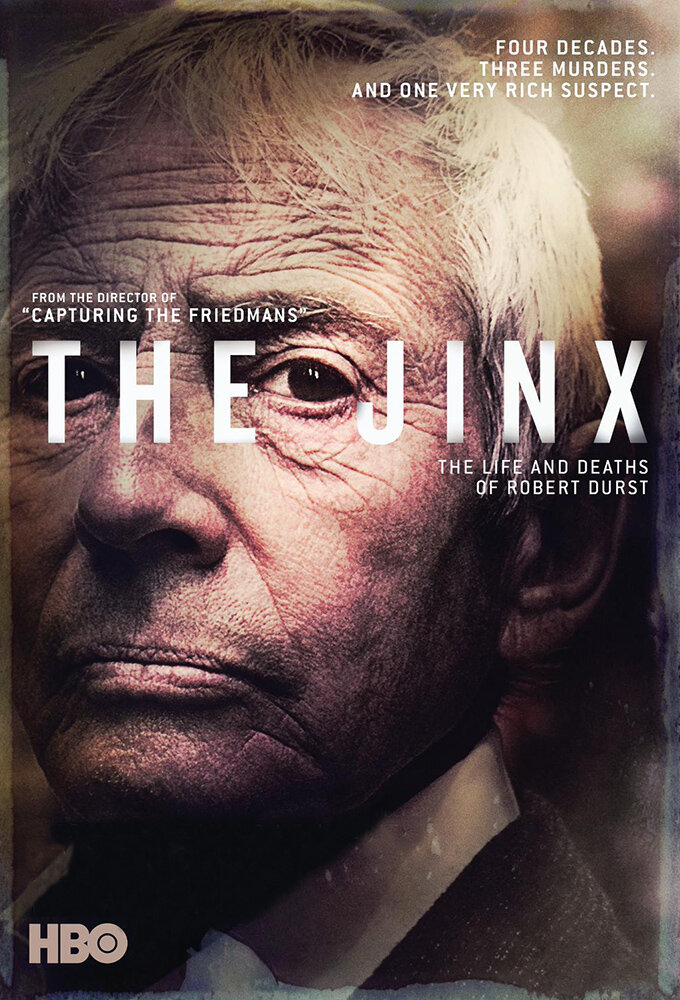
The Jinx: The Life and Deaths of Robert Durst2015
A masterclass in true-crime storytelling that builds methodically toward moral reckoning. Like Candy, it resists easy judgment while documenting the gap between public persona and private monstrosity.
But Six hours is substantial, and the real case involves multiple deaths. Some viewers find the slow-burn approach frustrating rather than hypnotic.
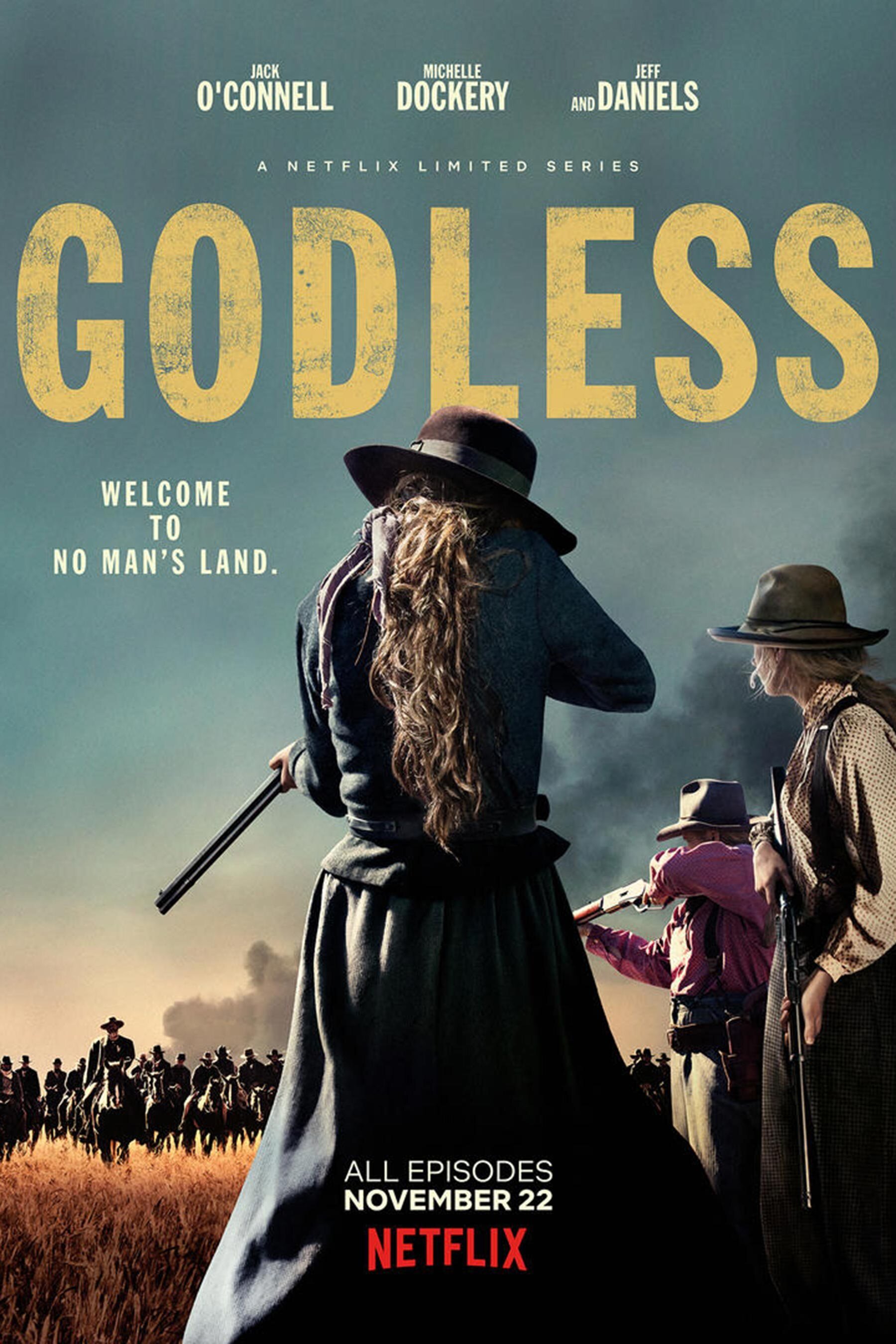
Godless2017
A revisionist Western where women run the town and the moral order is inverted. Michelle Dockery anchors a story about constraints breaking and people choosing badly. The visual language of repression and transgression mirrors Candy's core tension.
But Jeff Daniels' villain steals scenes in ways that can feel operatic. Tonally it lurches between pulp and prestige in ways not everyone finds intentional.
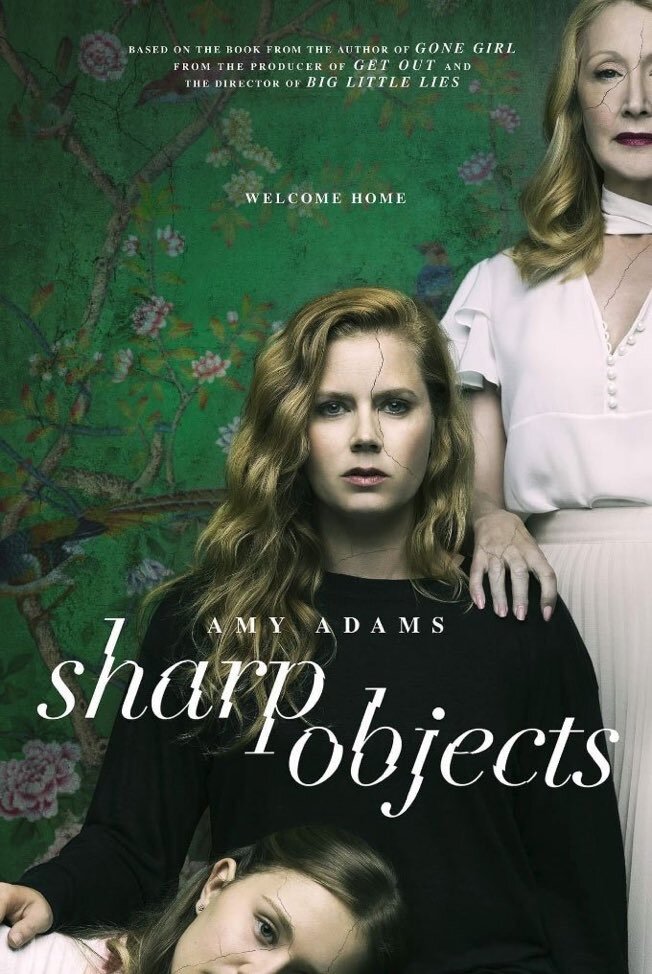
Sharp Objects2018
Jean-Marc Vallée's stunning miniseries about a reporter investigating murders in her hometown, where everyone's wounds are both individual and systemic. Amy Adams gives a performance about damage and performance itself.
But The abuse narrative is relentless and intimate. It's darker than Candy and offers almost no moments of levity or escape.
Not sure tonight? Get a pick in a minute, starting from Candy
The wildcard
Something you would not have found on your own.
In Cold Blood1967
Both works are less interested in spectacle than in the unbridgeable gap between a person's interior life and how they appear to the world. Each watches someone cross a line and asks: how did we get here, not because we want sensation, but because we need to understand?
Richard Brooks's 1967 film of Truman Capote's landmark nonfiction novel. Methodical, grainy, haunting—it invented the grammar that true-crime narrative still uses. The intimacy with the killers and their ordinariness is Candy's spiritual ancestor.
But Black-and-white, slow, and uneasy about moral judgment. The film treats its killers with unsparing humanity that some find ethically questionable.
More like this (7)
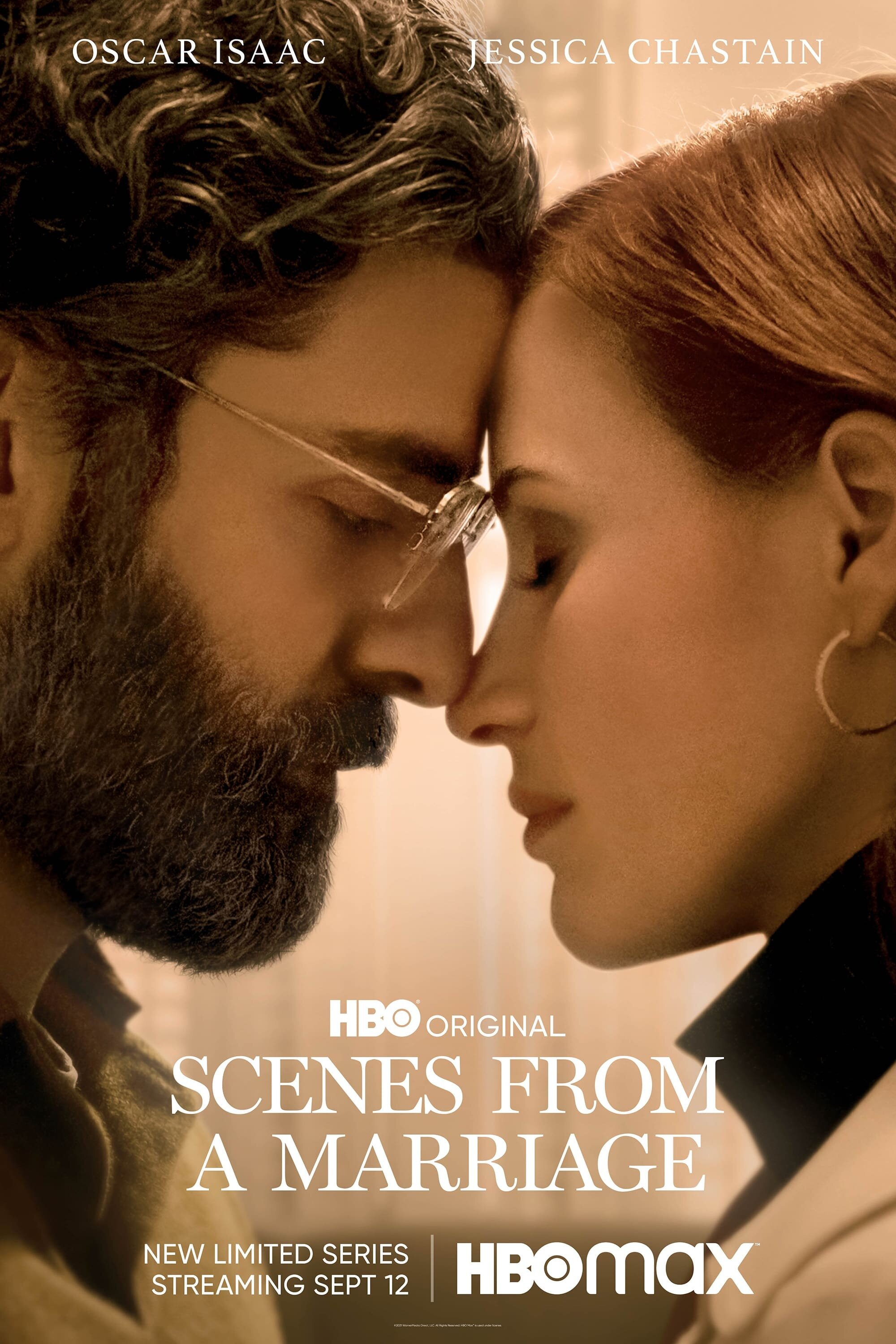
Scenes from a Marriage2021
Jessica Chastain and Oscar Isaac in Bergman-adjacent dissection of a marriage's slow unraveling. It's about the desperation that lives beneath civility, and how catastrophe sometimes feels like relief.
But It's a chamber piece. If you want plot momentum and resolution, you'll feel the stillness as constraint rather than intensity.
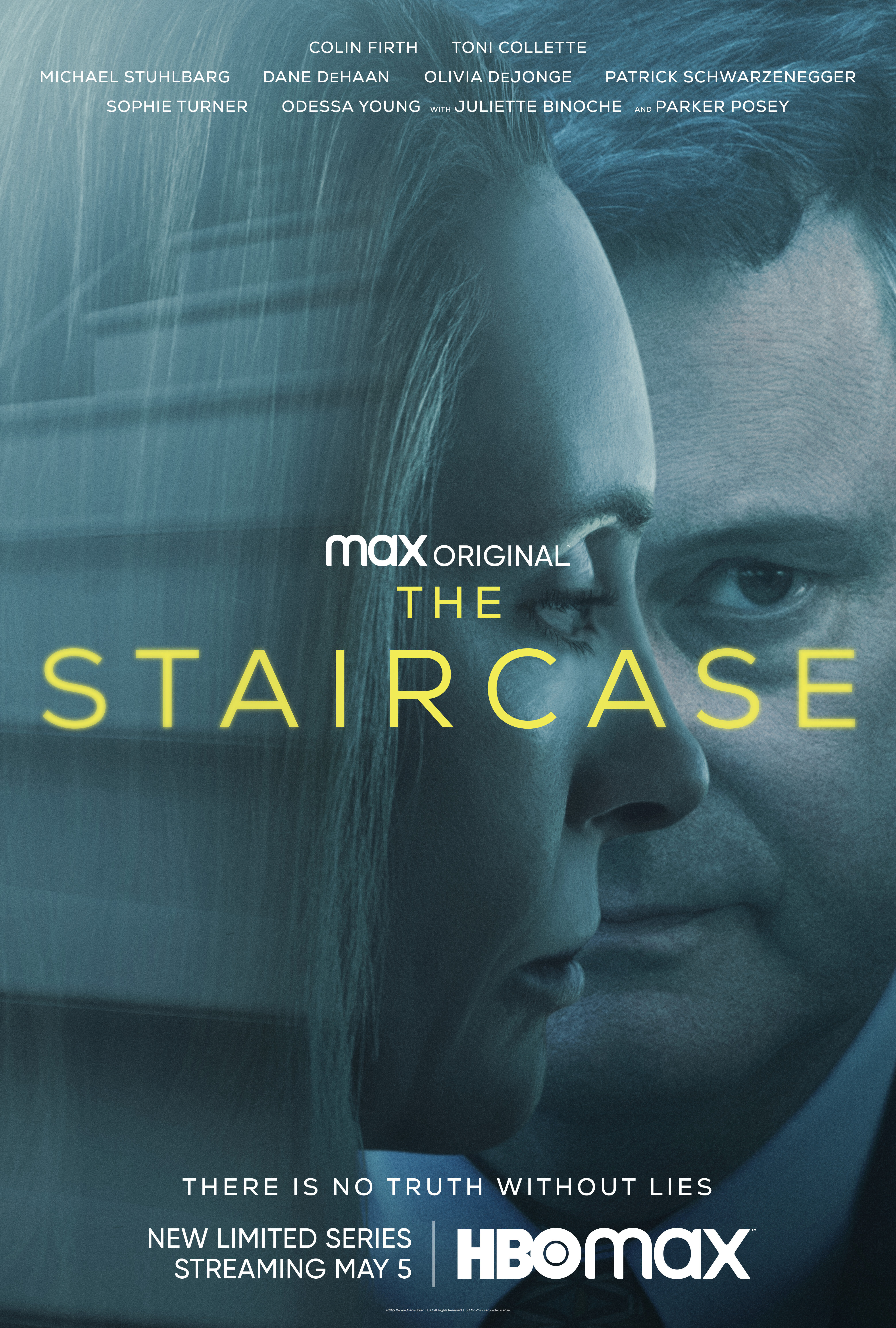
The Staircase2022
Dezmond's methodical documentary-drama hybrid about the Michael Peterson case, where the accused presents a version of himself and evidence suggests something else. It shares Candy's obsession with how a person becomes unknowable to those closest to them.
But The real case remains unsolved. Some found the filmmaking choices in the later HBO version heavy-handed or self-serving.
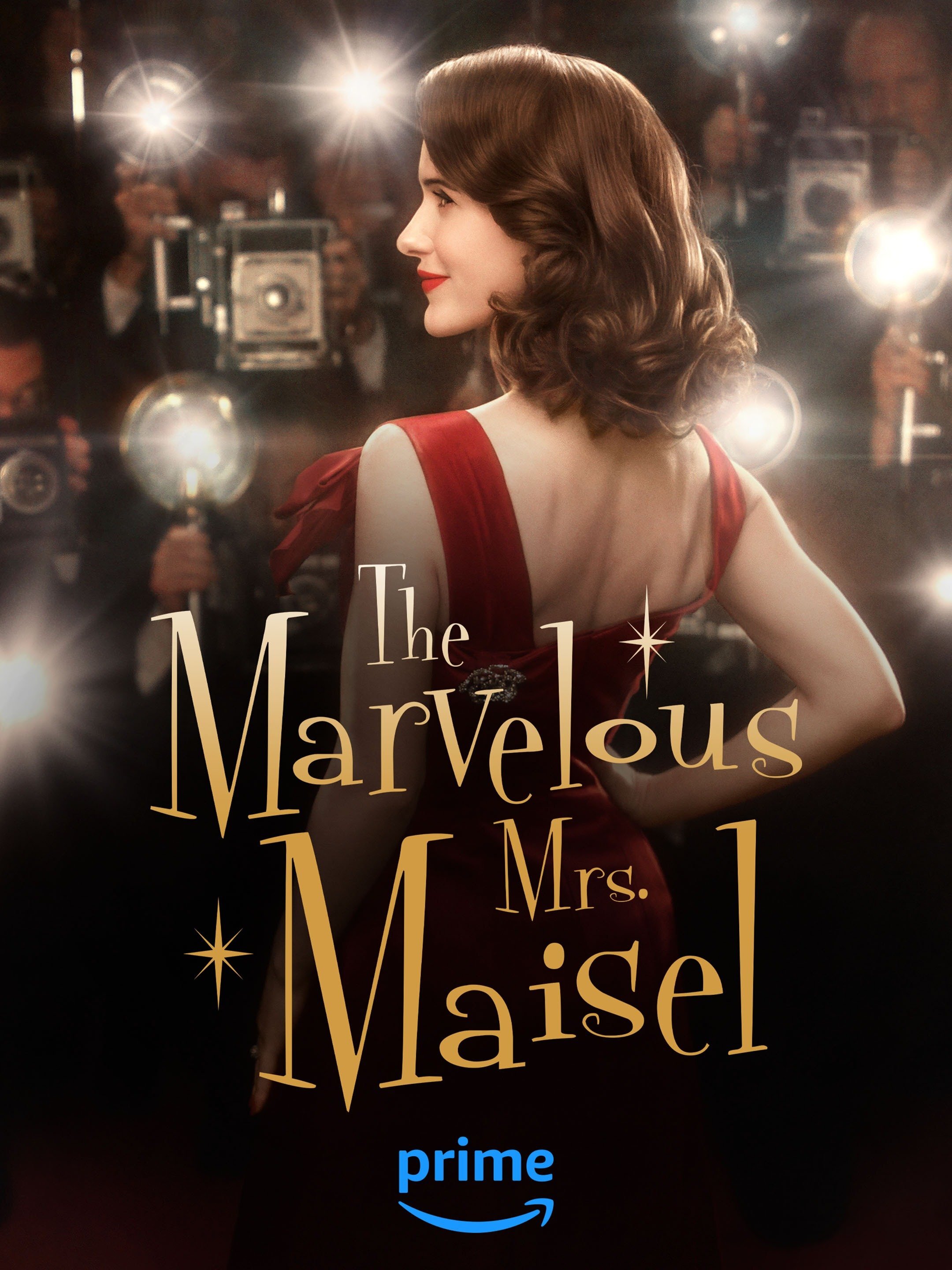
The Marvelous Mrs. Maisel2017
A woman escapes her constrained role and discovers her own voice. It's the bright-side mirror to Candy—what happens when breaking the rules leads somewhere generative rather than catastrophic.
But The constant verbal sparkle can exhaust. Some episodes prioritize charm over character consequence.
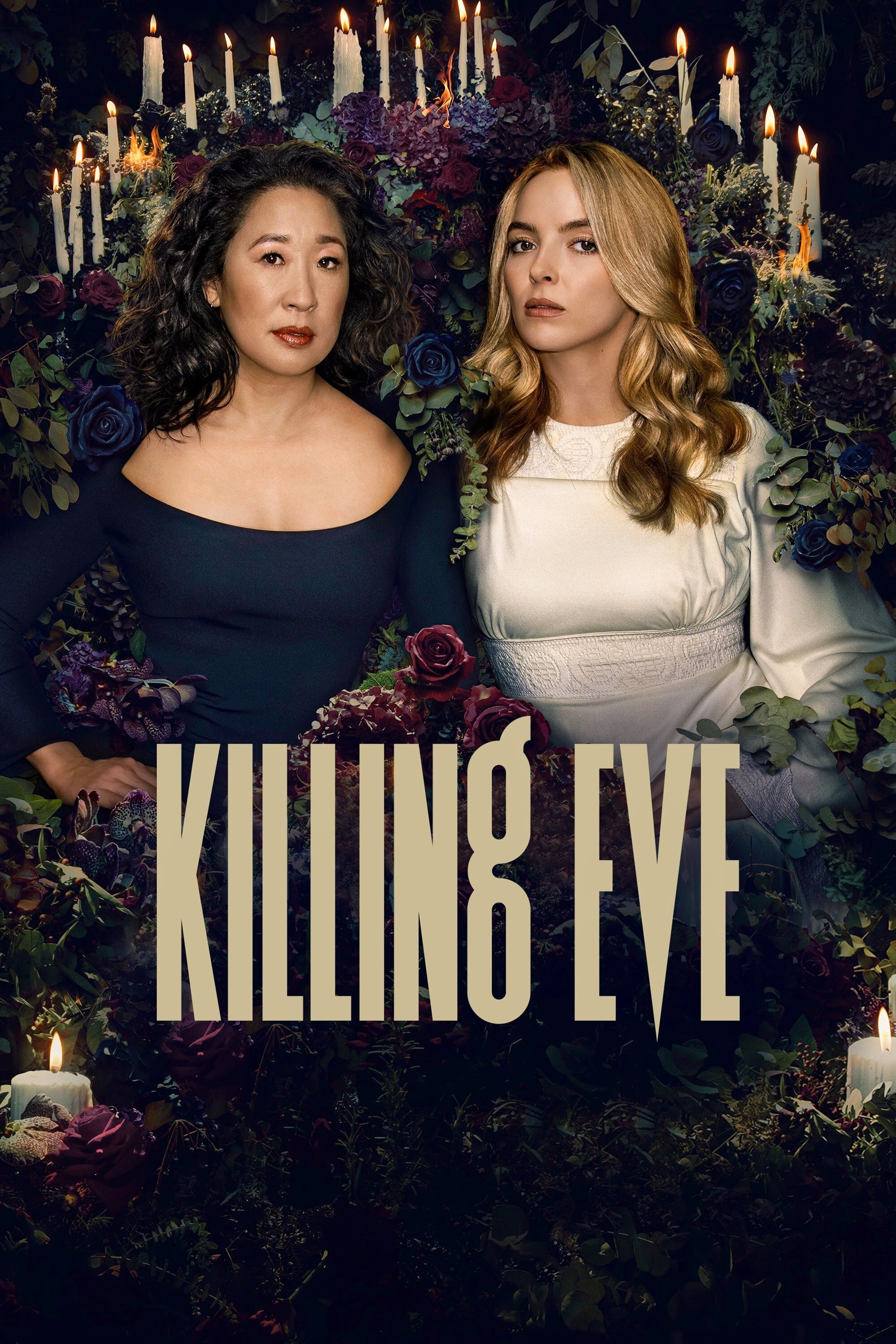
Killing Eve2018
Two women locked in mutual obsession across the law divide, each performing roles that crack and reveal hunger underneath. Kinetic, darkly funny, and unflinching about female violence and desire.
But The tonal shifts between camp and brutality don't always land. The final season disappointed viewers who'd invested in the central relationship's arc.
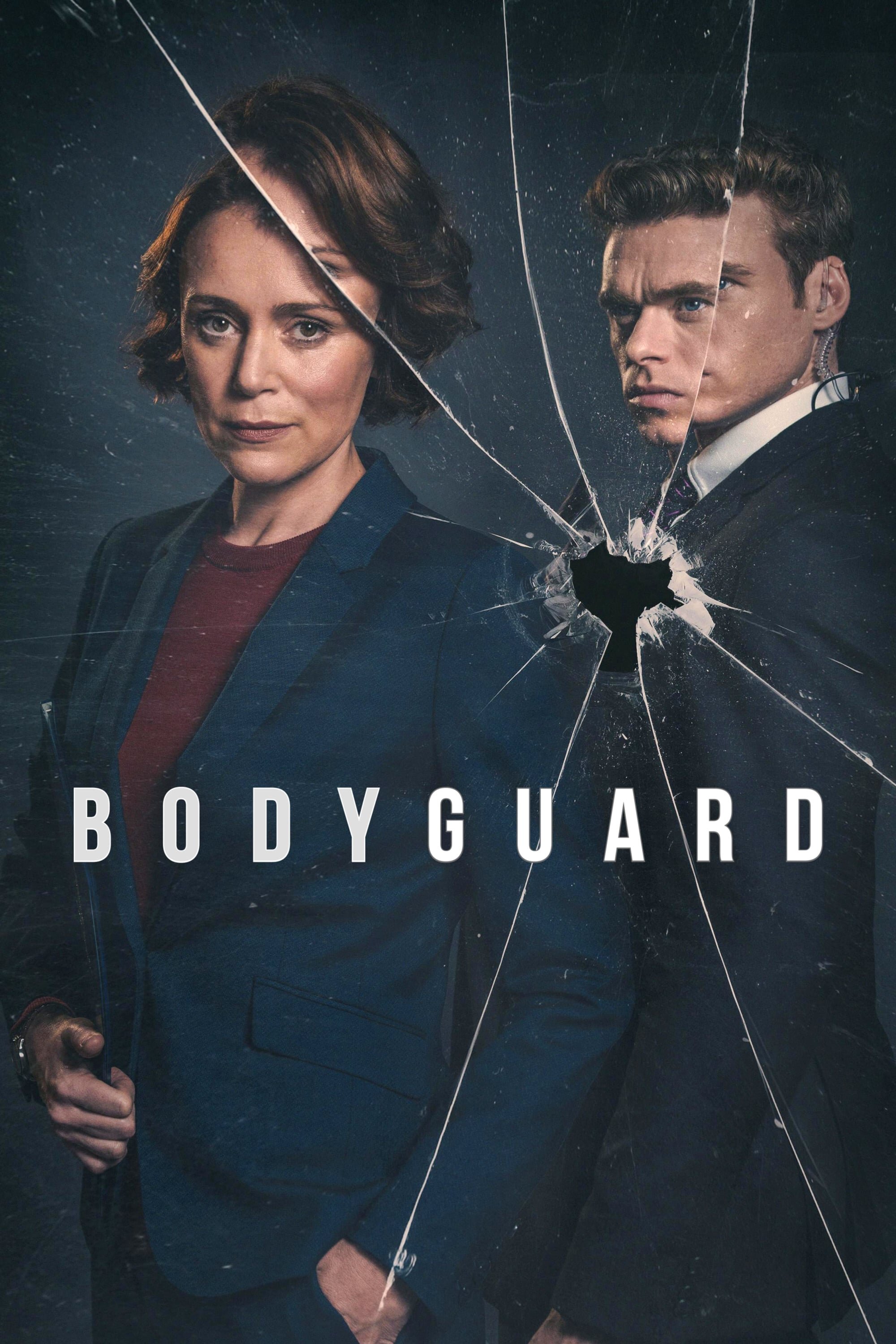
Bodyguard2018
Six hours of airtight British thriller that knows exactly how to wind tension. It's about secrets, the fragility of controlled personas, and what happens when one person knows too much about another.
But The plot resolves with logic that some viewers found convenient or undercooked for the buildup preceding it.
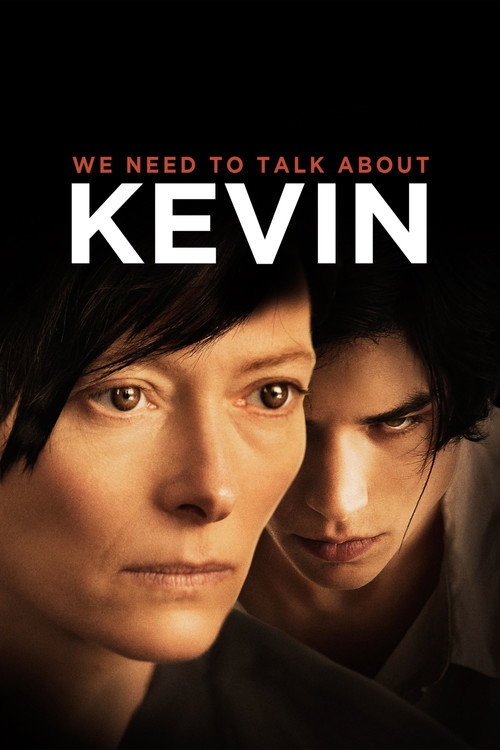
We Need to Talk About Kevin2011
Lynne Ramsay's astonishing film about a mother and the violence her son commits, structured as fragmented memory and regret. Tilda Swinton is extraordinary in a role about maternal culpability and the gap between intention and harm.
But It's bleak, visually fractured, and offers no comfort. The Columbine-adjacent event will be harrowing for some viewers, and the form can feel ostentatiously difficult.
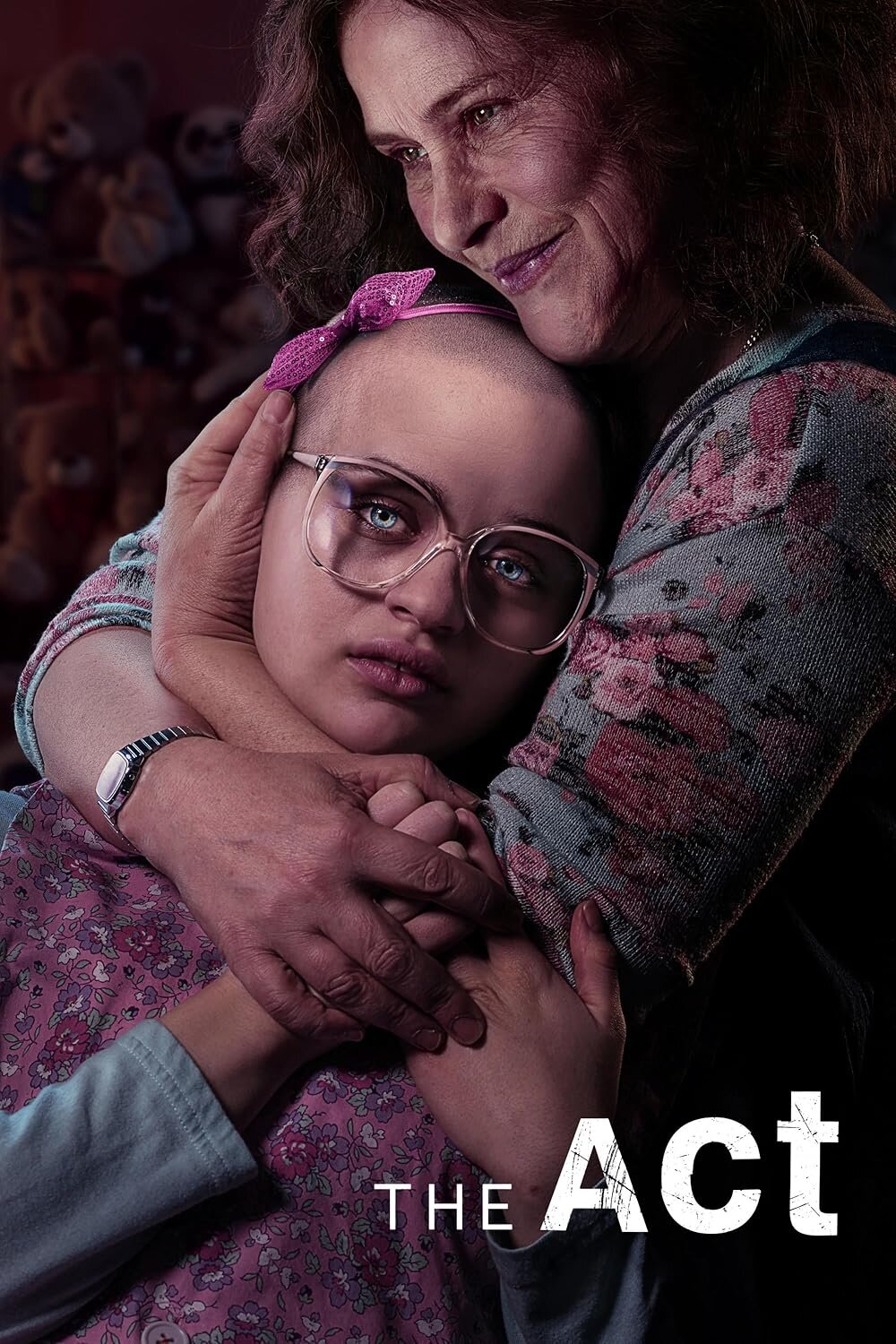
The Act2019
Both hinge on a woman performing a self that isn't hers, and the moment that performance shatters into violence. But where Candy asks how a 'good woman' becomes a killer, The Act asks how a 'sick daughter' becomes her own agent. They're complementary anatomies of the same catastrophe.
Gypsy Rose Blanchard's story—a daughter forced to perform illness by her mother, her escape planned as transgression, the murder that followed. Michelle Gomez and Joey King are extraordinary. It's Candy from the other angle: not the perpetrator's reckoning but the victim's inversion.
But The real story's Munchausen-by-proxy elements are grotesque and deeply uncomfortable. The show doesn't flinch from depicting abuse, which some viewers find exploitative.
People
Cast

Writing
- Nick AntoscaCreator
- Robin VeithCreator
- Elise BrownStaff Writer
Production
- Lynn StevensonAssociate Producer
- Brett JohnsonCo-Executive Producer
- David MatthewsCo-Executive Producer
- Jen RadzikowskiCo-Producer
- Megan DriscollCo-Producer
- Jim AtkinsonConsulting Producer
- Joe Bob BriggsConsulting Producer
- Lisa AlbertConsulting Producer
- Alex HedlundExecutive Producer
- Jessica BielExecutive Producer
- Michael UppendahlExecutive Producer
- Michelle PurpleExecutive Producer
- Nick AntoscaExecutive Producer
- Robin VeithExecutive Producer
- Mitch EngelProducer