
Television series
Caesar's Hour
Sid Caesar's 1954 follow-up to Your Show of Shows shrank the format but kept the ambition: hour-long live sketches stuffed with parody, pantomime, and manic physical comedy, scripted by a writers' room that included Mel Brooks, Carl Reiner, Woody Allen, and Larry Gelbart. It's a masterclass in controlled chaos — funny, fast, and a little exhausting, built for people who like watching comedy machinery work in real time.
If you liked this
Your Show of Shows1950
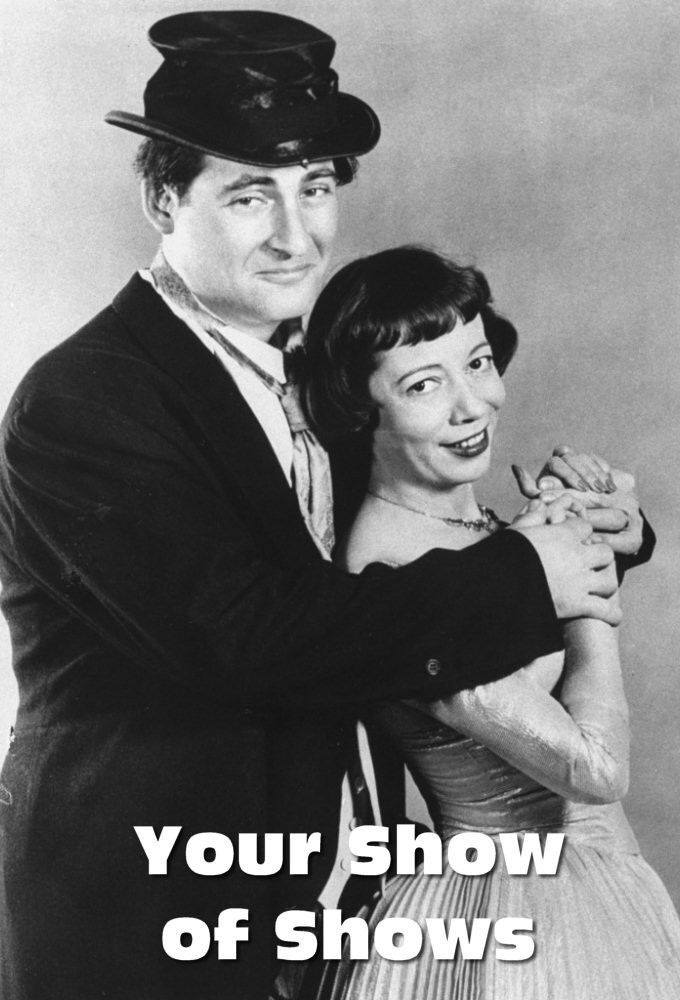
Caesar's earlier, bigger, even more legendary variety show, with Imogene Coca as his foil. Same star, same writers, same live-wire energy, arguably sharper.
But Ninety minutes of 1950s live TV sketch comedy is a big ask; pacing and references have aged unevenly.
Saturday Night Live1975
The direct descendant — live sketch comedy, topical parody, a rotating ensemble under real-time pressure. You'll see Caesar's DNA everywhere.
But Fifty years of episodes means wild quality swings; you'll need to be selective or patient.
The Dick Van Dyke Show1961
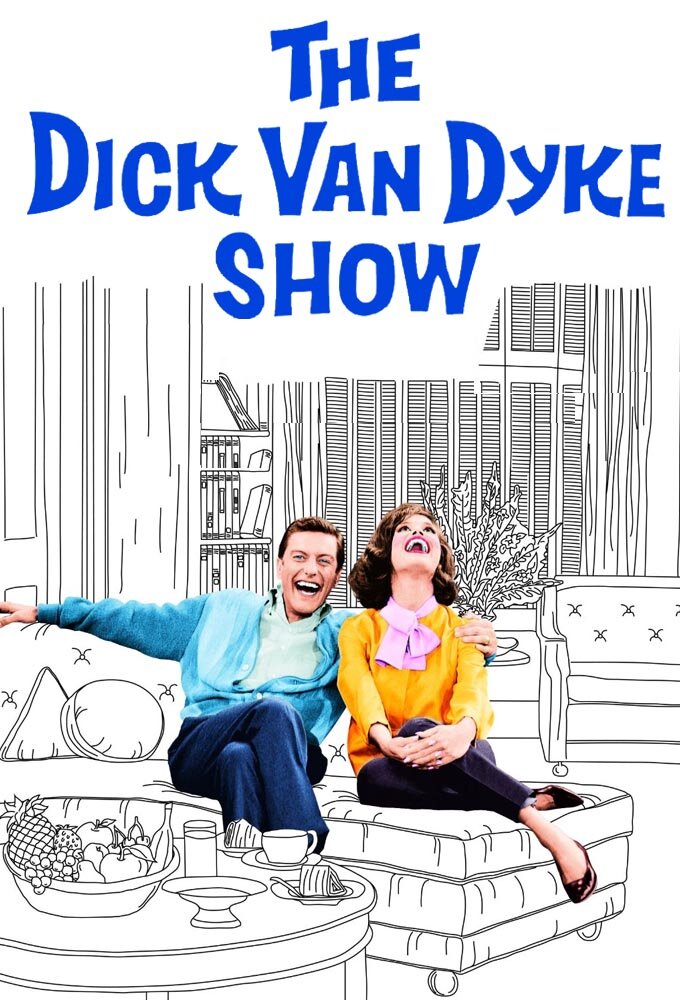
Carl Reiner turned his years writing for Caesar into this sitcom about a comedy writer's chaotic office. Warmer, gentler, but unmistakably the same world.
But It's a conventional multi-camera sitcom, not sketch comedy — different rhythm entirely.
The wildcard
Something you would not have found on your own.
My Favorite Year1982
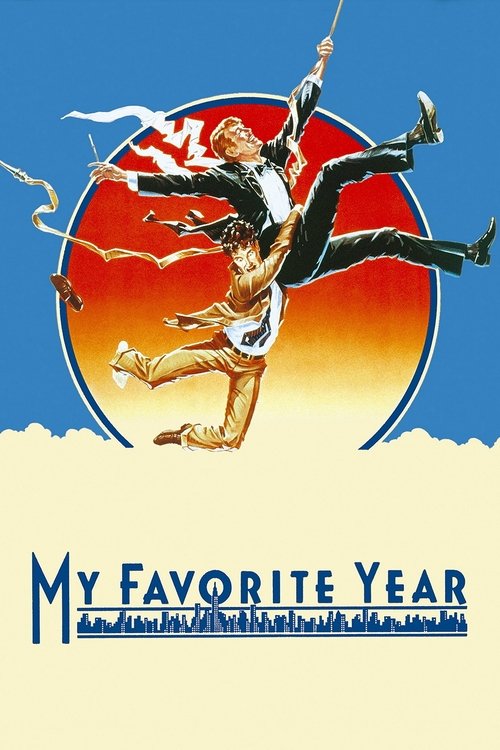
Co-written by a former Caesar's Hour writer and explicitly based on the chaos of live TV sketch production in that exact era — this is the inside story turned into a movie.
A warm, funny film about a fading movie star guesting on a live 1950s TV comedy show — modeled directly on Caesar's world, with Peter O'Toole magnificent.
But It's nostalgic and sentimental rather than sharp — a love letter, not a satire.
More like this (7)
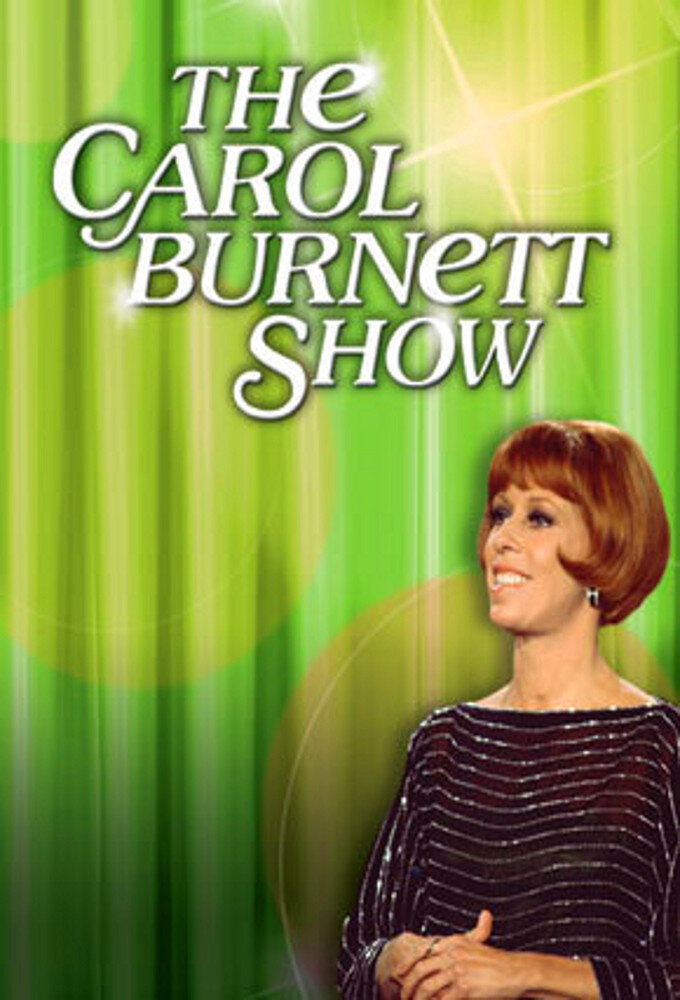
The Carol Burnett Show1967
Sketch variety at its most polished and beloved, with Burnett and her ensemble corpsing through live studio comedy the way Caesar's cast did.
But Softer and more genial than Caesar's manic energy — less edge, more warmth.
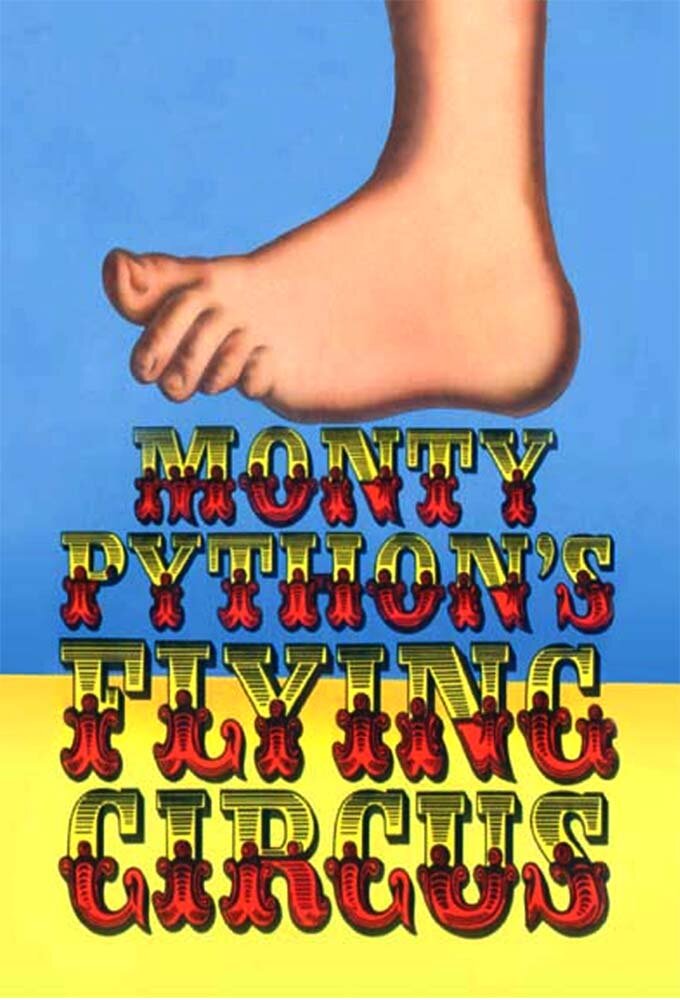
Monty Python's Flying Circus1969
Sketch comedy taken absurdist and surreal, with the same appetite for parody and blackout structure but a completely different comic sensibility.
But British, silly, and deliberately anti-narrative — some of it will simply not land for you.
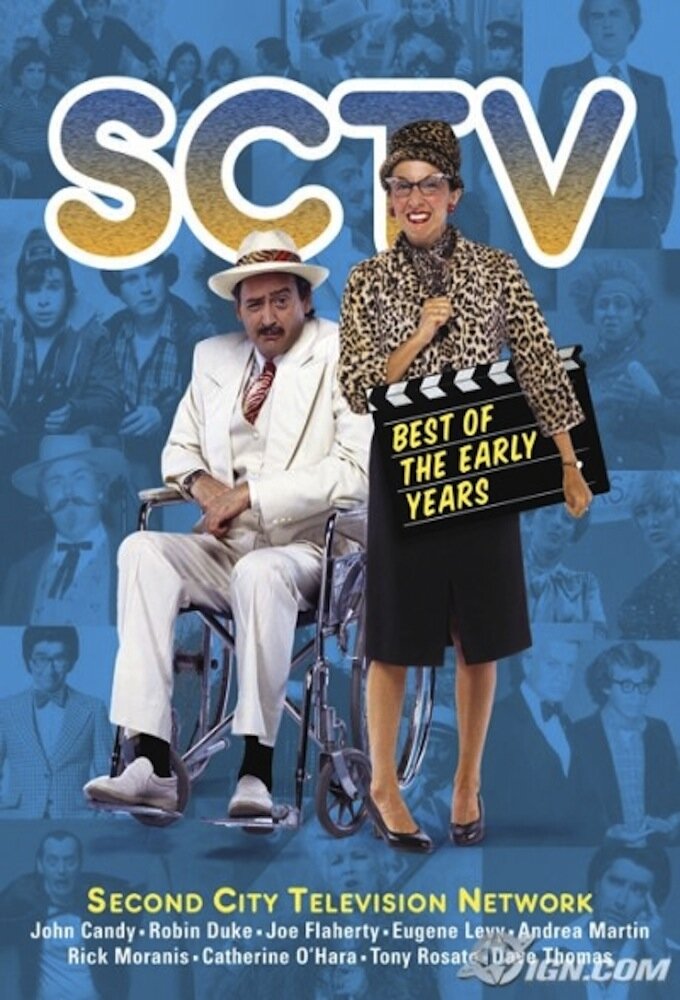
SCTV1976
A writers'-room sketch show as beloved by comedy nerds as Caesar's — dense, character-driven parody with a genuinely brilliant ensemble.
But Deep-cut show-business satire; some sketches assume familiarity with references that have faded.
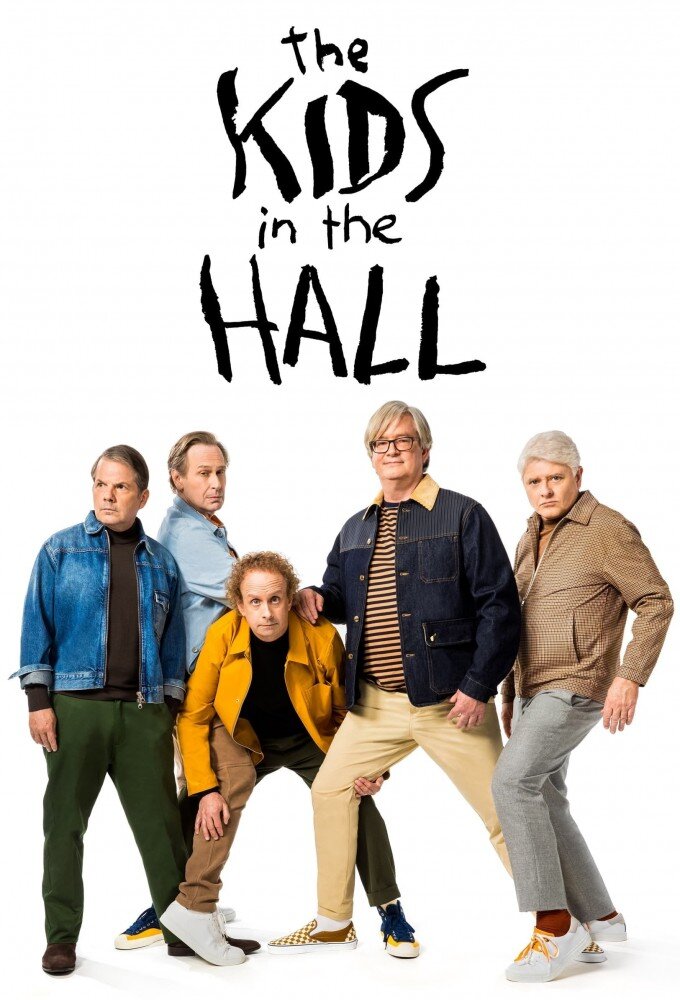
The Kids in the Hall1988
A smaller, weirder, more personal sketch show that still runs on the same engine — writer-performers doing everything themselves, fast.
But Deliberately odd and low-budget; it trades Caesar's polish for something scrappier.
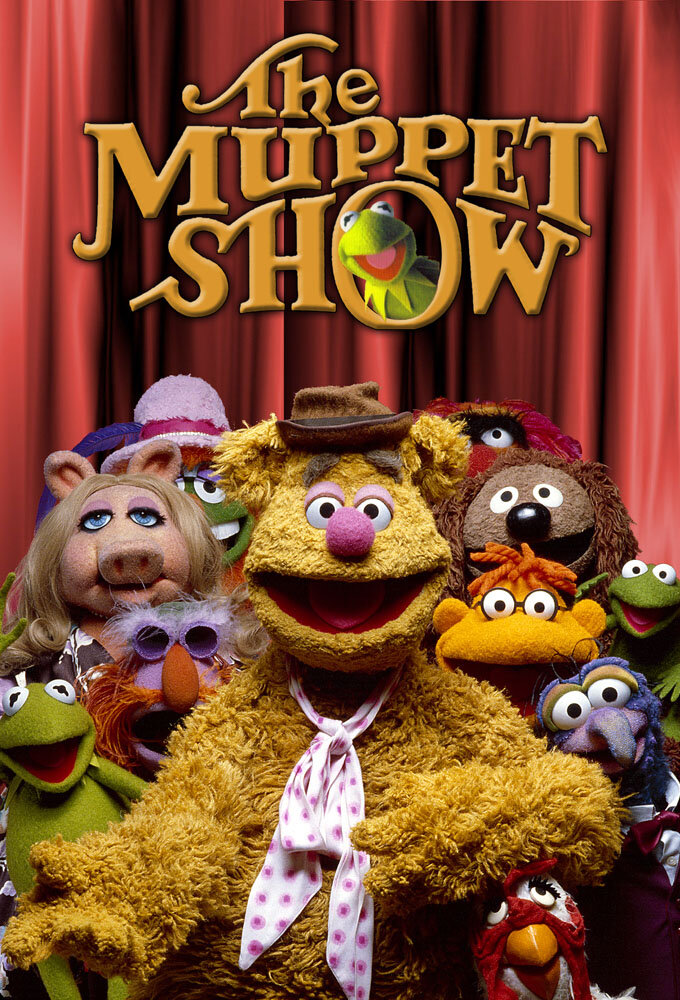
The Muppet Show1976
Variety-sketch structure with puppets standing in for guest stars and chaos — a lighter, family-friendly cousin of the format.
But Gentler and sillier throughout; not much of Caesar's manic satirical edge survives.
M*A*S*H1972
Created by Larry Gelbart, one of Caesar's Hour's sharpest writers — proof that the same comic instincts that built sketch blackouts could sustain a whole war dramedy.
Sharp, fast, wisecracking ensemble comedy set in a Korean War field hospital — the jokes fly at sketch speed even as the show takes death seriously.
But The tonal whiplash between farce and genuine grief won't suit everyone; it's darker than it looks.
Robot Chicken2005no page yet
Same sketch-comedy skeleton — quick parody, blackout structure, anything-goes premise — mutated across sixty years into trashy stop-motion animation instead of live studio performance.
Stop-motion sketch comedy firing off pop-culture parodies in rapid, blackout-style bursts — absurdist, referential, and gleefully stupid.
But Crude, juvenile, and relentlessly ironic — the opposite of Caesar's craftsmanship and polish.