
Television series
Black Books
- Absurdist comedy
- Strange
A feral Irish bookseller, his bewildered assistant, and their neurotic neighbour navigate a world of literary oddity and anarchic chaos. Absurdist, wildly inventive, and unapologetically strange—Black Books is comedy that doesn't want to be liked so much as obsessed over. For people who rewatch episodes and find new details that didn't exist before.
Should you watch it?
Watch it if you love sitcoms built on grotesque, cheerfully awful characters, where the comedy comes from people being spectacularly bad at their lives and refusing to improve, with a dry, sharp-tongued script doing the heavy lifting.
Skip it if you need characters you can root for or a warm, gently uplifting tone, because the leads are rude, drunk and often unpleasant, and the humour leans hard into cruelty and absurdity.
What it asks of you: Each episode runs about twenty-five minutes and rewards close attention to the dialogue, which moves quickly; the three seasons are short, so it is an easy commitment to finish.
Not sure? Find tonight's pick in a minute.
If you liked this
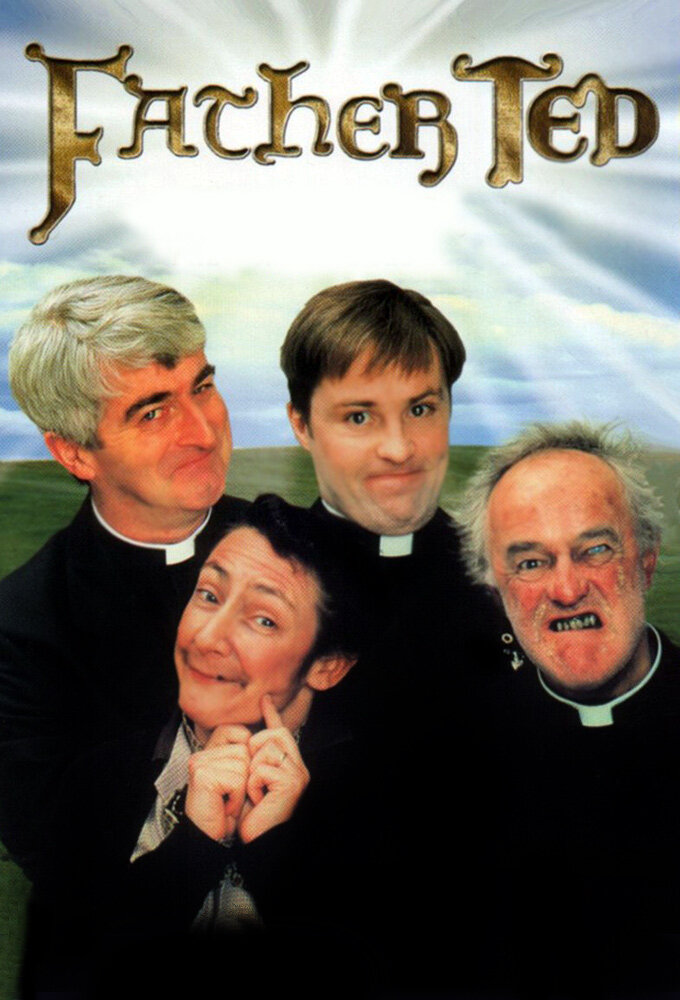
Father Ted1995
Same demented Irish sensibility and surreal logic, but set in a Catholic parish. Graham Linehan's breakthrough sketch-comedy approach to structure—nothing follows conventional sitcom rules, and every scene exists at maximum absurdity.
But The premise (priests on a remote island) is thin, and the show demands you accept its own internal weird logic rather than seeking realism or character growth.
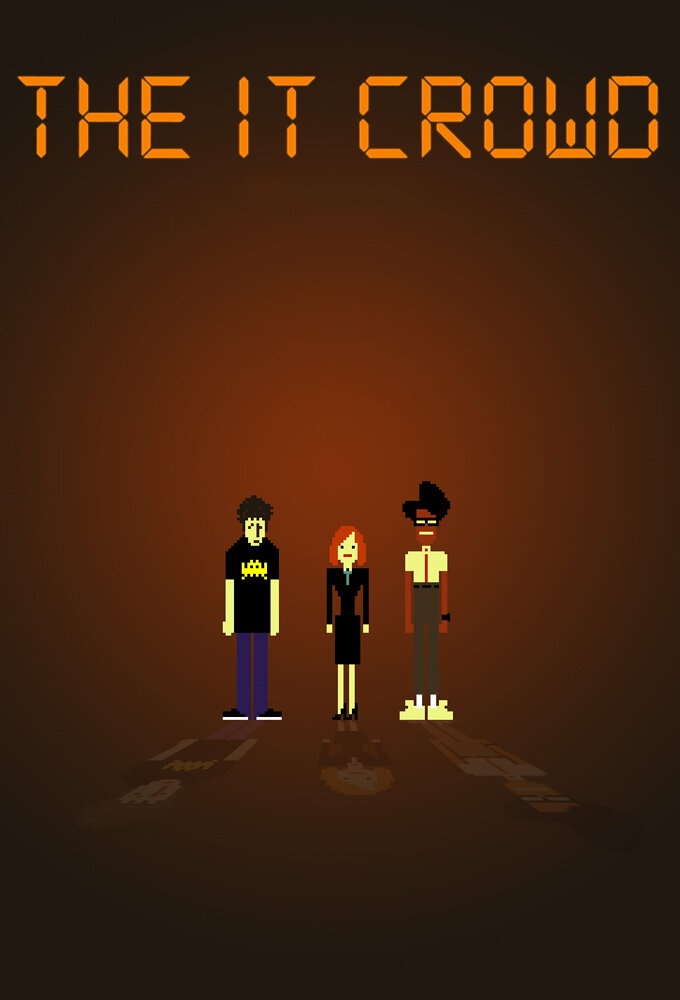
The IT Crowd2006
Linehan again, applying the same anarchic energy to a tech-support basement. Tamsin Greig is brilliant as a work nemesis; the show has the same ''characters trapped in a confined space'' energy as Black Books.
But Some sketches feel more like sketches than episodes. The later seasons lose momentum when they try to impose conventional plots on something that works best as organized chaos.
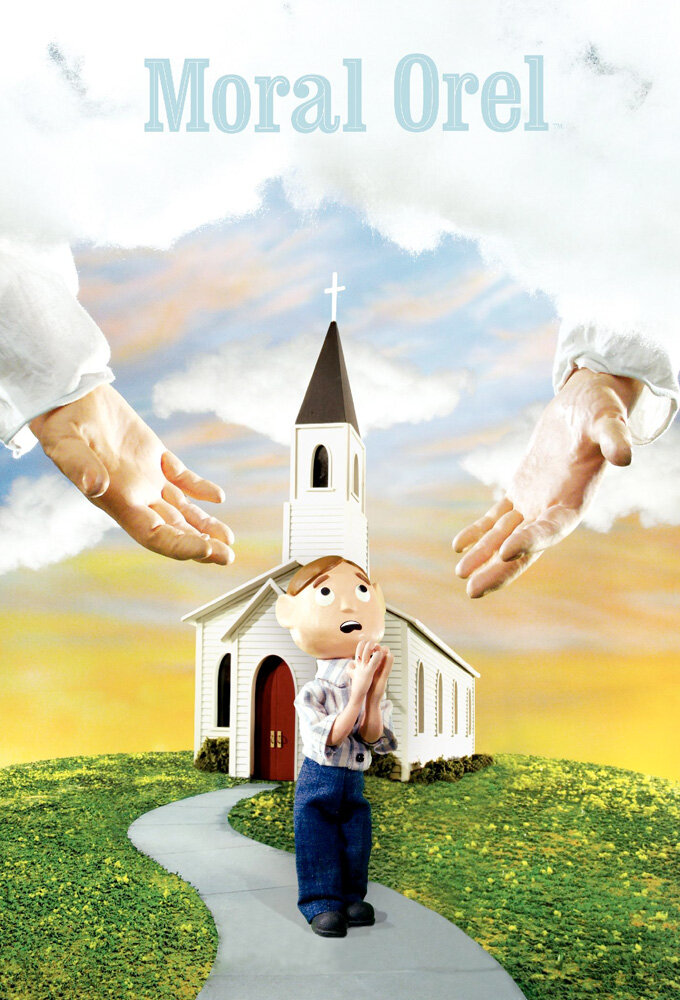
Moral Orel2005
Stop-motion animation pretending to be wholesome, then detonating into genuine nightmare fuel. Like Black Books, it uses comedy architecture to smuggle in profound weirdness—nothing here is what it pretends to be.
But It starts as parody and becomes genuinely upsetting. The shift is deliberate and brilliant, but if you want comedy to stay light, this will feel like a bait-and-switch.
Not sure tonight? Get a pick in a minute, starting from Black Books
The wildcard
Something you would not have found on your own.
Synecdoche, New York2008
Both use obsessive, brilliant people destroying themselves through refusal to engage with ordinary life. Bernard's bookshop and Manny's bewilderment are Kaufman's neurosis given British sitcom shape.
Charlie Kaufman's debut: a theatre director builds a life-sized replica of New York inside a warehouse, then stops being able to tell which is real. Baroque, collapsing, furiously inventive—same commitment to escalating absurdity and the terror of being trapped in your own mind.
But It's 124 minutes of increasingly unhinged philosophy. Not funny in the traditional sense; if you want coherent plot, you'll hate it.

More like this (7)
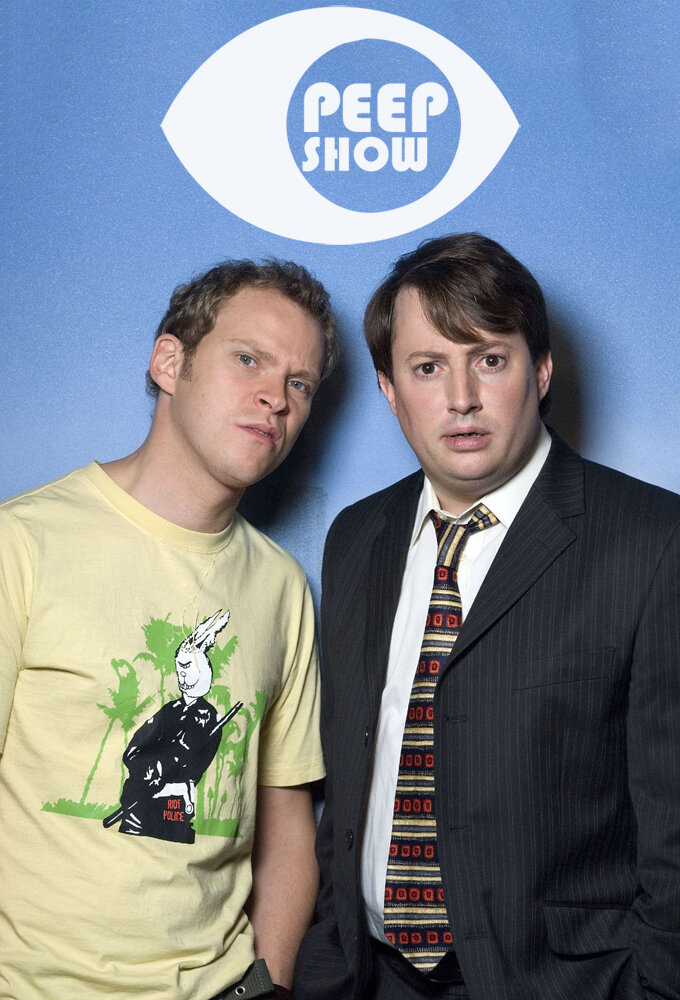
Peep Show2003
Handheld-camera chronicle of two hapless men's catastrophic lives, told with similar verbal density and dark wit. Both shows love characters who are fundamentally unsuited to existence.
But It's more mean-spirited and depressing. Where Black Books finds joy in chaos, Peep Show is relentless about failure and shame.
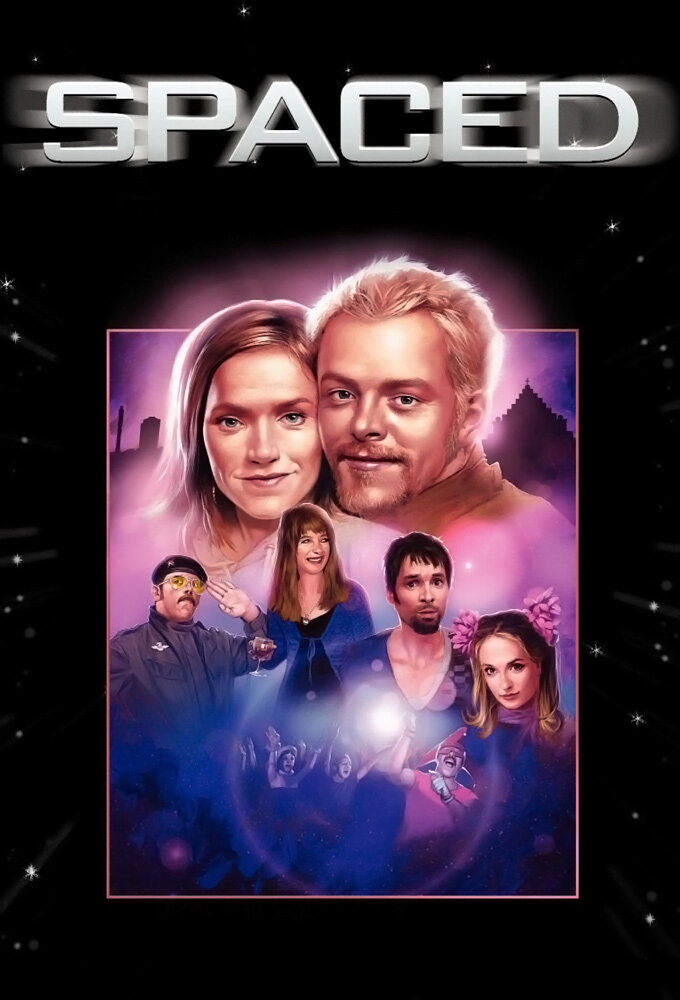
Spaced1999
Edgar Wright's debut: a show about London flat-sharers that reinvented visual comedy for a generation. Shares Black Books' refusal to be straightforward; every scene is permission to try something mad.
But Very of-the-moment (1990s London indie culture), so some references have ossified. The emotional core is stronger than the laughs, which some find schmaltzy.
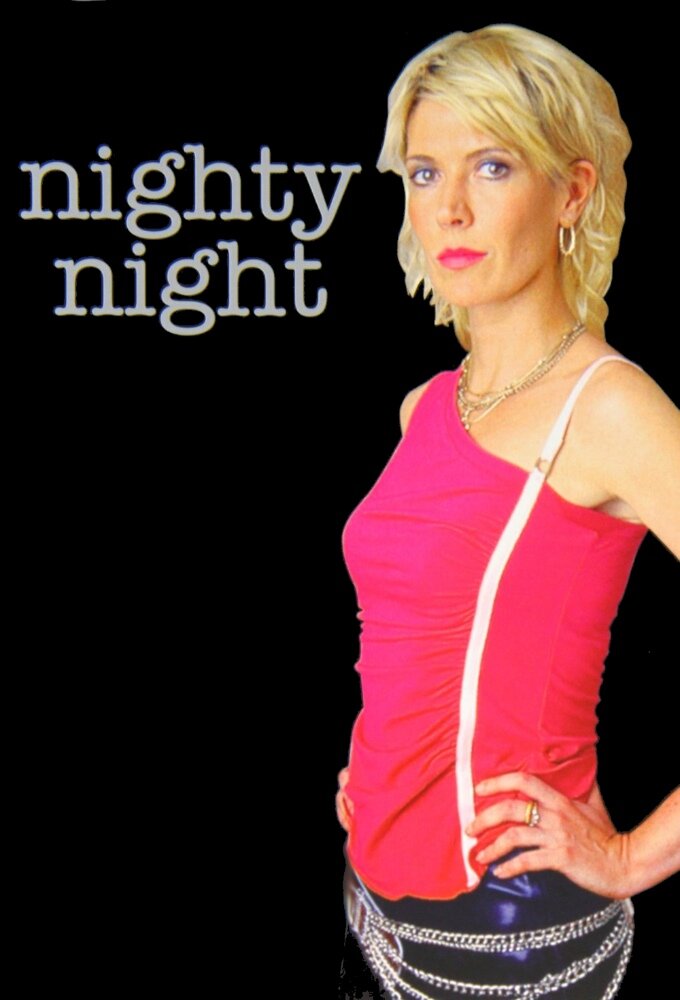
Nighty Night2004
Jenna Russell as a sociopath living next to a dying woman. Grotesque, transgressive, and genuinely hilarious—comedy operating without a safety net, in the Black Books tradition of finding horror funny.
But It's cruel. Not cruel for a joke, just cruel. Some people find that exhausting rather than liberating.
The Mighty Boosh2004
Julian Barratt and Noel Fielding's surrealist variety show: non-narrative, wildly inventive, committed to the bit no matter how strange it gets. Same DNA as Black Books—both trust the audience's appetite for weirdness.
But It's sketch-based rather than story-based, and a lot of the humour is deliberately bad taste. Harder to build emotional investment in characters.
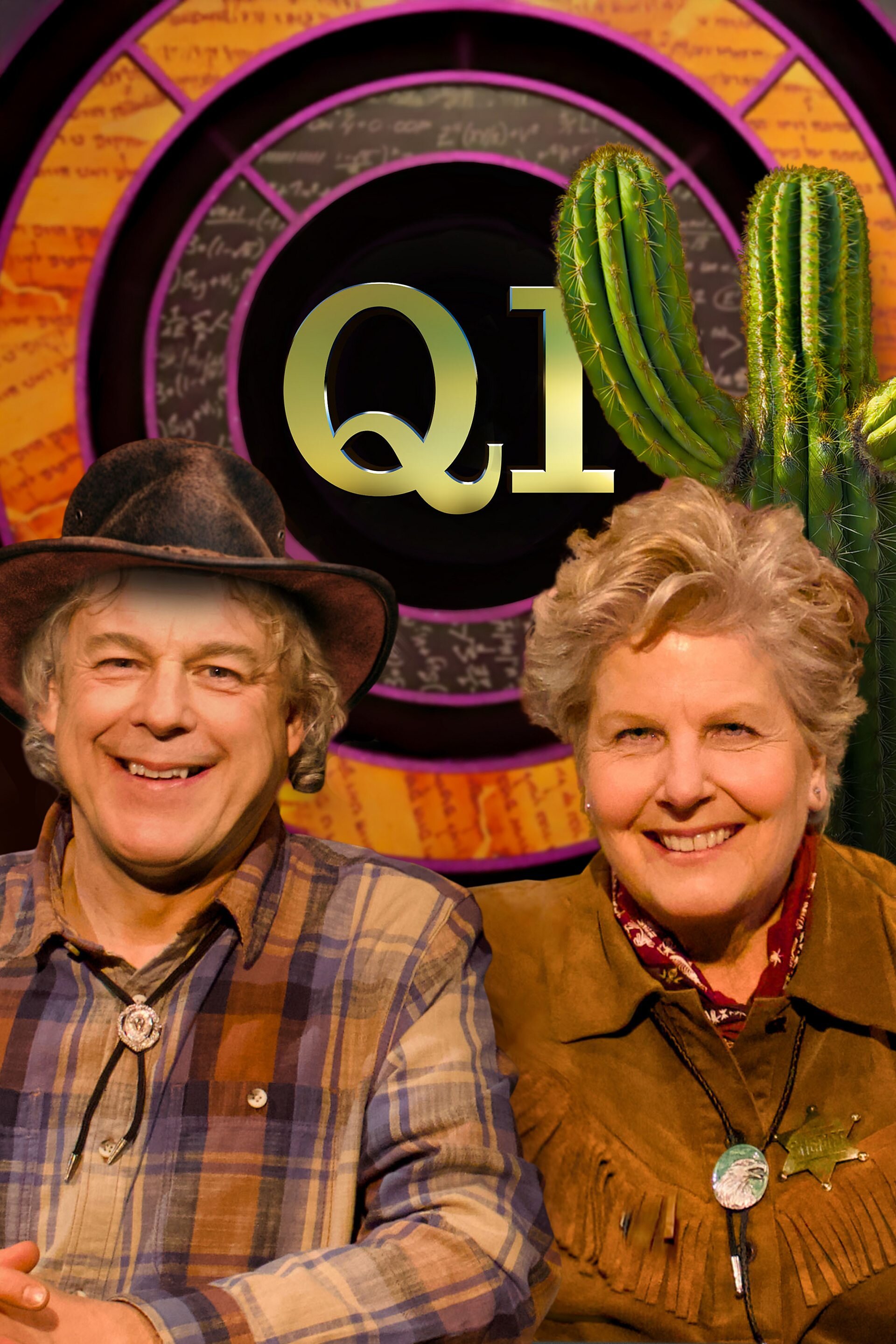
QI2003
Stephen Fry presiding over panellists riffing on odd trivia. Not narrative comedy, but it has the same ''intelligent people saying ridiculous things'' energy. Bill Bailey appears regularly, doing the same thing he does in Black Books.
But It's more game show than story. You're watching for jokes and atmosphere rather than character arcs—some find that shallow.
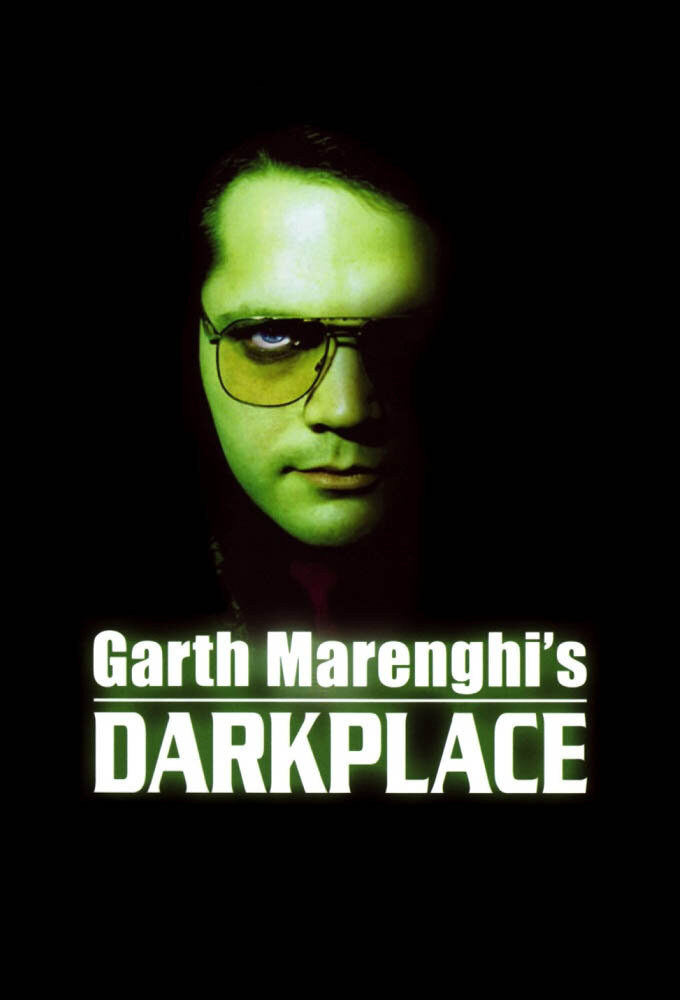
Garth Marenghi's Darkplace2004
A fictional 1980s horror show, ''discovered'' and broadcast now. Brilliantly stupid, visually cheap, written by someone playing a hack horror writer. That same gleeful confidence in its own wrongness.
But The humour is narrower and more referential. If you don't find bad acting and worse special effects inherently funny, you're locked out of the joke.
Rubber2010
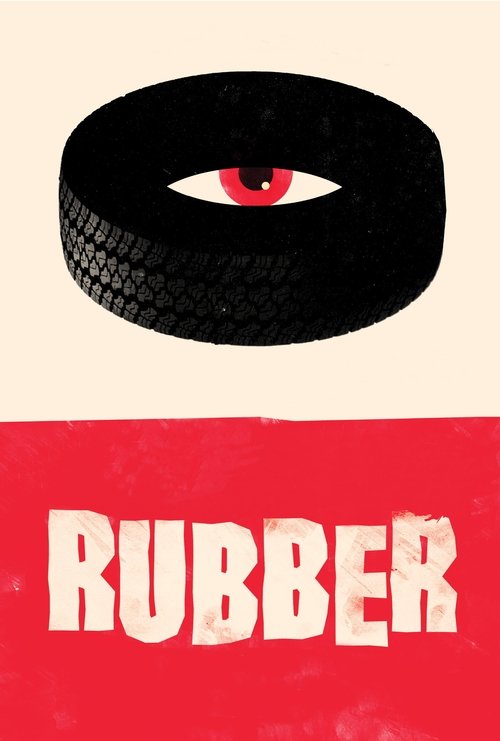
Both operate on dream logic where the rules are internally consistent but bear no relation to how the world works. The pleasure is watching talented people navigate absurdity with absolute seriousness.
A sentient tyre rolls through the American desert murdering people. Utterly committed to its own premise, refuses to explain or apologize, directed as both comedy and horror. That same ''I'm going to do this weird thing completely seriously'' energy.
But It's genuinely boring in stretches. The joke—a killer tyre—is thin, and the film knows it, which is part of the point but doesn't make it less tedious to sit through.
People
Cast
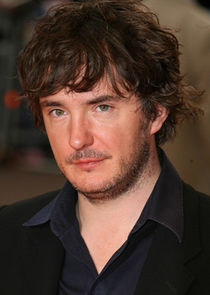
Writing
- Dylan MoranCreator
- Graham LinehanCreator