Television series
Baka and Test: Summon the Beasts
- Comedy
- Light-hearted
A Japanese high school comedy where the lowest-scoring class discovers they can summon beast avatars that fight on their behalf. It's anarchic, silly, and surprisingly warm—a show about outcasts bonding and refusing to accept their predetermined place. Perfect if you love goofy ensemble casts with real heart beneath the chaos.
Should you watch it?
Watch it if you enjoy scrappy underdog comedy where a bunch of misfits turn a rigged class system into a running gag, with loud banter, over-the-top stakes and a fantasy twist on exam battles.
Skip it if you want a tight, serious school drama; the humor is broad, the energy is relentlessly loud, and the exam-battle premise can feel repetitive across its 26 episodes.
What it asks of you: Each episode runs about 25 minutes and rewards steady attention to the rapid-fire jokes, so it works best as a light, frequent watch rather than something to half-follow.
Not sure? Find tonight's pick in a minute.
If you liked this
Hataraku Maou-sama!2013
A demon lord and fallen angel work fast food and navigate Japanese society. Hilarious misunderstandings, sharp character chemistry, and a genuine sweetness about found family and second chances that mirrors Baka's heart.
But The comedy is pun-heavy and relies on Japanese cultural references that don't always translate. Some arcs drag a little in the middle stretch.

Assassination Classroom2013
A misfit class bonds while training to kill their invincible teacher. It's got the same lovable-losers-defying-expectations core, the same breakneck comedy, and surprising emotional depth about what teaching and belonging really mean.
But The tonal whiplash between gags and genuine pathos can feel jarring. The final arc asks a lot of patience from viewers who just want jokes.

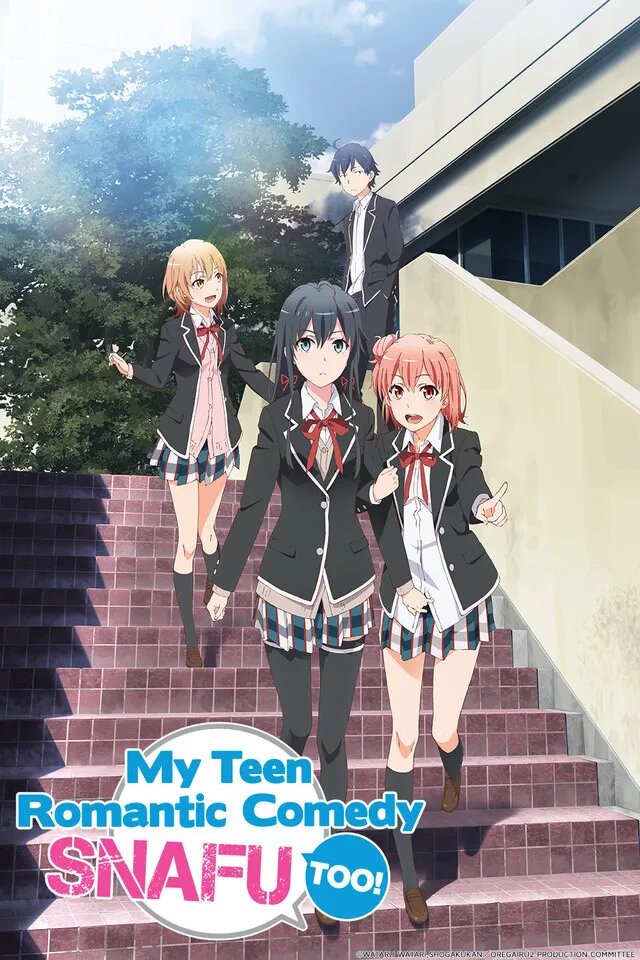
Yahari Ore no Seishun Love Comedy wa Machigatteiru.2013
A cynical loner and perfect girl forced into a club together. It has that same sharp comedy-first structure but graduates into real character examination, with nuanced romance and a cast that genuinely grows across episodes.
But It's slower and more introspective than Baka—less chaos, more psychology. Season three in particular becomes unexpectedly melancholy.
Not sure tonight? Get a pick in a minute, starting from Baka and Test: Summon the Beasts
The wildcard
Something you would not have found on your own.
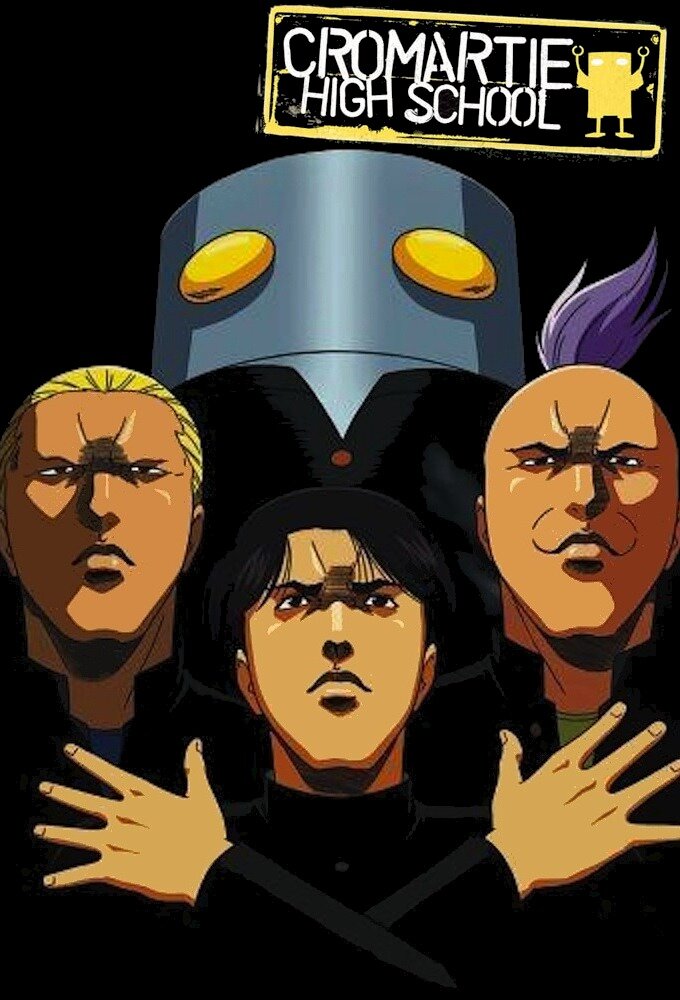
Cromartie High School2003
Both are comedies about society writing off groups of students as failures and finding that judgment completely wrong. Both love their characters too much to actually mock them.
A delinquent school where the worst kids are actually just kind-hearted goofballs trying to find belonging. Stop-motion animation, pure improv comedy, and genuine affection for its idiot characters. Same spirit, totally different execution.
But The stop-motion looks intentionally cheap and ugly. It's short sketches rather than narrative, which some find insubstantial.
More like this (8)
Seraph of the End: Vampire Reign2015
A found-family military school anime with demon powers, comedy, and stakes. Gorgeous animation, actual action sequences Baka never attempts, and real camaraderie between characters that feels earned.
But The plot gets muddled and the comedy thins out as it leans into darker themes. The anime doesn't reach a proper conclusion.

Food Wars2010
Underdog students battle through a prestigious academy using cooking instead of summoned beasts. Absurdly enthusiastic, genuinely funny, and full of the same tournament-arc structure and ragtag-team energy.
But The fanservice is aggressive and often distracting. Also, watching people cook for twenty-five minutes straight isn't for everyone.

The Irregular at Magic High School2014
Magic academy where a 'failure' student vastly outskills the gifted ones. If you like the premise of the system being wrong about people, this explores it with style and genuine cleverness.
But The protagonist is almost irritatingly overpowered and emotionally flat. The show spends a lot of time on exposition and magic mechanics.

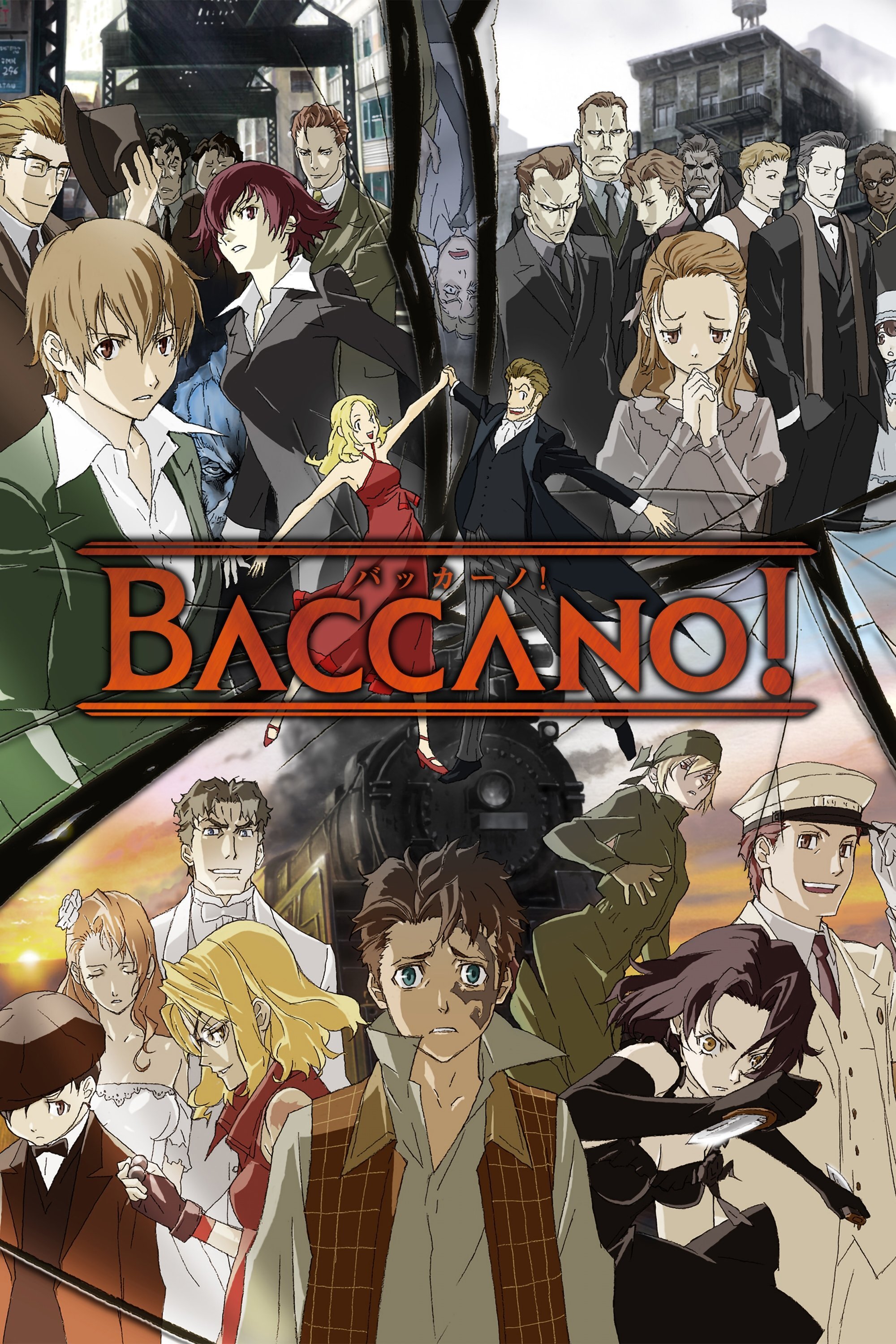
Baccano!2007
Ensemble cast, nonlinear storytelling, and absolute chaos held together by pure charm. If you love how Baka juggles multiple character perspectives and finds comedy in mayhem, this delivers that on a crime-saga scale.
But The jumping timeline is genuinely confusing on first watch. Some viewers find the vintage American setting and violence off-putting after lighter fare.
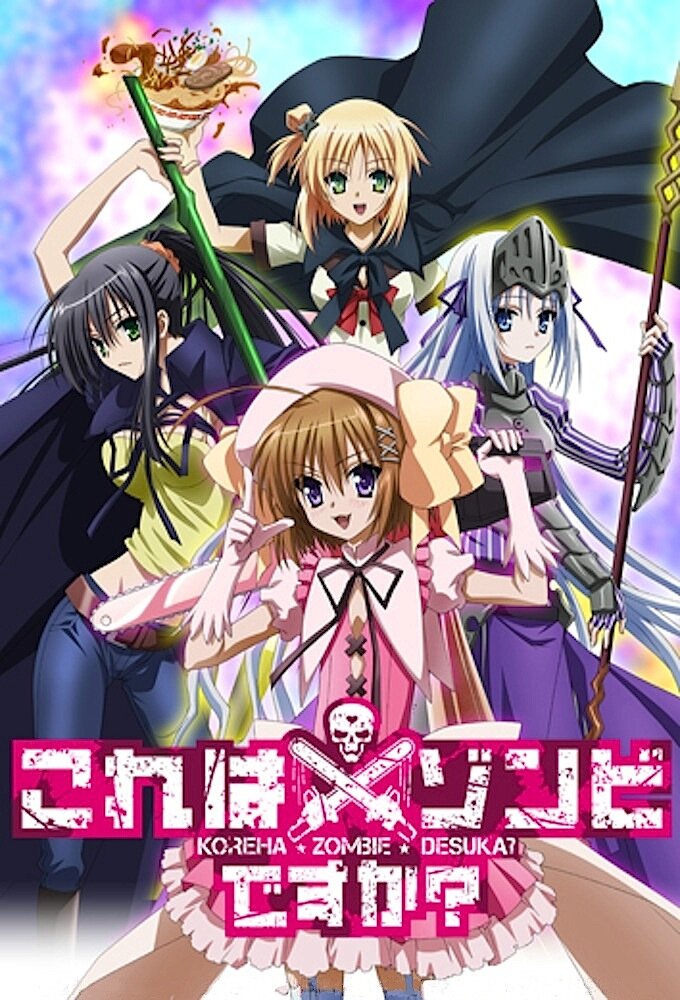
Is This a Zombie?2011
A zombie, a necromancer, a magical girl sword, and chaos. Same era, same energy—absurdist comedy that never explains its own logic and somehow ends up charming despite itself.
But The premise is deliberately nonsensical and the fanservice is clumsy. It feels dated in ways even Baka avoids.
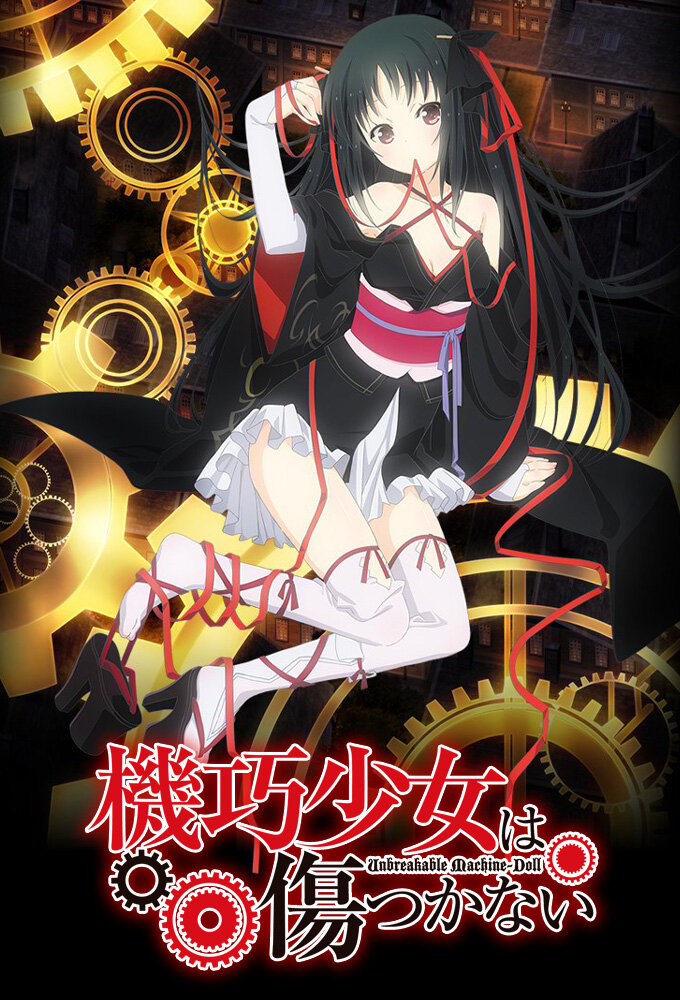
Unbreakable Machine-Doll2013
A school for magic users where students summon automatons for combat. It scratches the same itch: underdog student, school battles, ensemble chemistry, and that light-novel comedy rhythm.
But It's considerably more generic than Baka and trades jokes for action. The plot is forgettable and production values are visibly lower.
Magia Record: Puella Magi Madoka Magica Side Story2020
Both use the language of light-novel school anime while subverting your expectations about what the show is actually saying. Madoka whispers it; Baka shouts it. Both argue the system is wrong about people.
A magical-girl anime that starts cute and explodes into philosophical horror about systems that grind down the powerless. Gorgeous visual language, genuinely unsettling, and rewarding to rewatch once you know what it's doing.
But It's devastating in ways Baka never approaches. If you want comfort food, this will gut you. Also only twelve episodes long—feels incomplete to some.

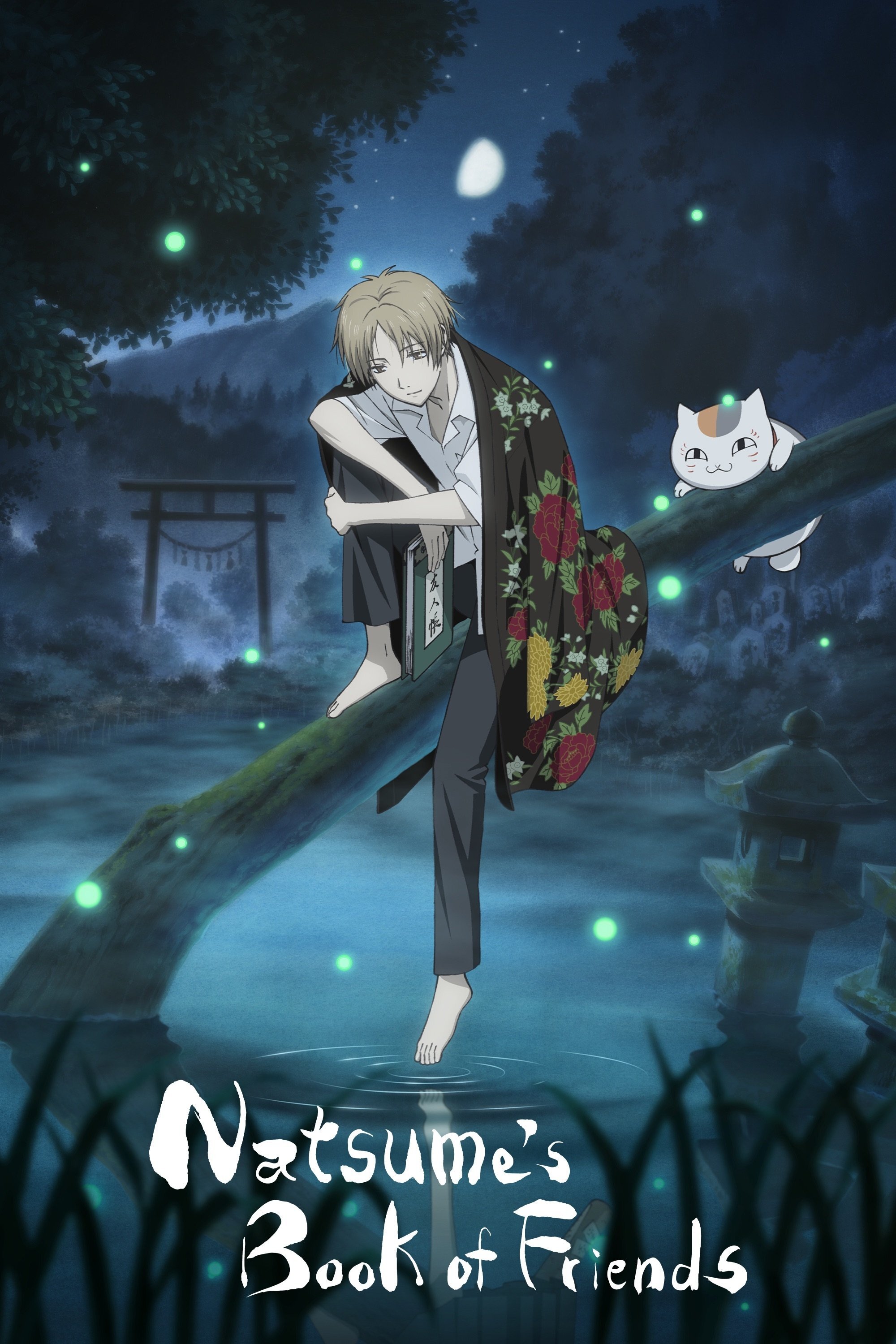
Natsume's Book of Friends2008
Both are about characters who society marks as broken or worthless finding people who see their actual worth. One explodes this with chaos; the other whispers it through folklore. Different registers, same core belief.
A lonely boy discovers he can see spirits and youkai nobody else can. Delicate, episodic, and genuinely tender—folklore becomes excuse for stories about being seen and accepted. Far quieter than Baka but asking the same question: what does it mean to be understood?
But The episodic structure means there's no overarching plot. If you need momentum and stakes, this moves like honey and delivers only emotional resolution.