Television series
Animalia
- Zombie horror
- Post-apocalyptic
- Very dark
Animalia is a taut Argentine sci-fi horror series about documentary filmmakers stranded in a remote natural park who return to find their civilization consumed by a virus that transforms people into feral, animalistic creatures. Shot in short, punchy episodes, it blends found-footage aesthetics with visceral creature horror and existential dread about what humanity loses when civilization collapses.
Should you watch it?
Watch it if you like your zombie stories slow-burning and rooted in a documentary's cool, observational eye, where the dread builds from ordinary wilderness quiet rather than gore.
Skip it if you want the undead to arrive fast and loud, because this takes its time getting to the chaos and keeps the camera-crew framing even when the shocks come.
What it asks of you: Four episodes of about twenty-five minutes each, a short commitment, but one that rewards settling into a deliberate pace and letting unease gather slowly.
Not sure? Find tonight's pick in a minute.
If you liked this
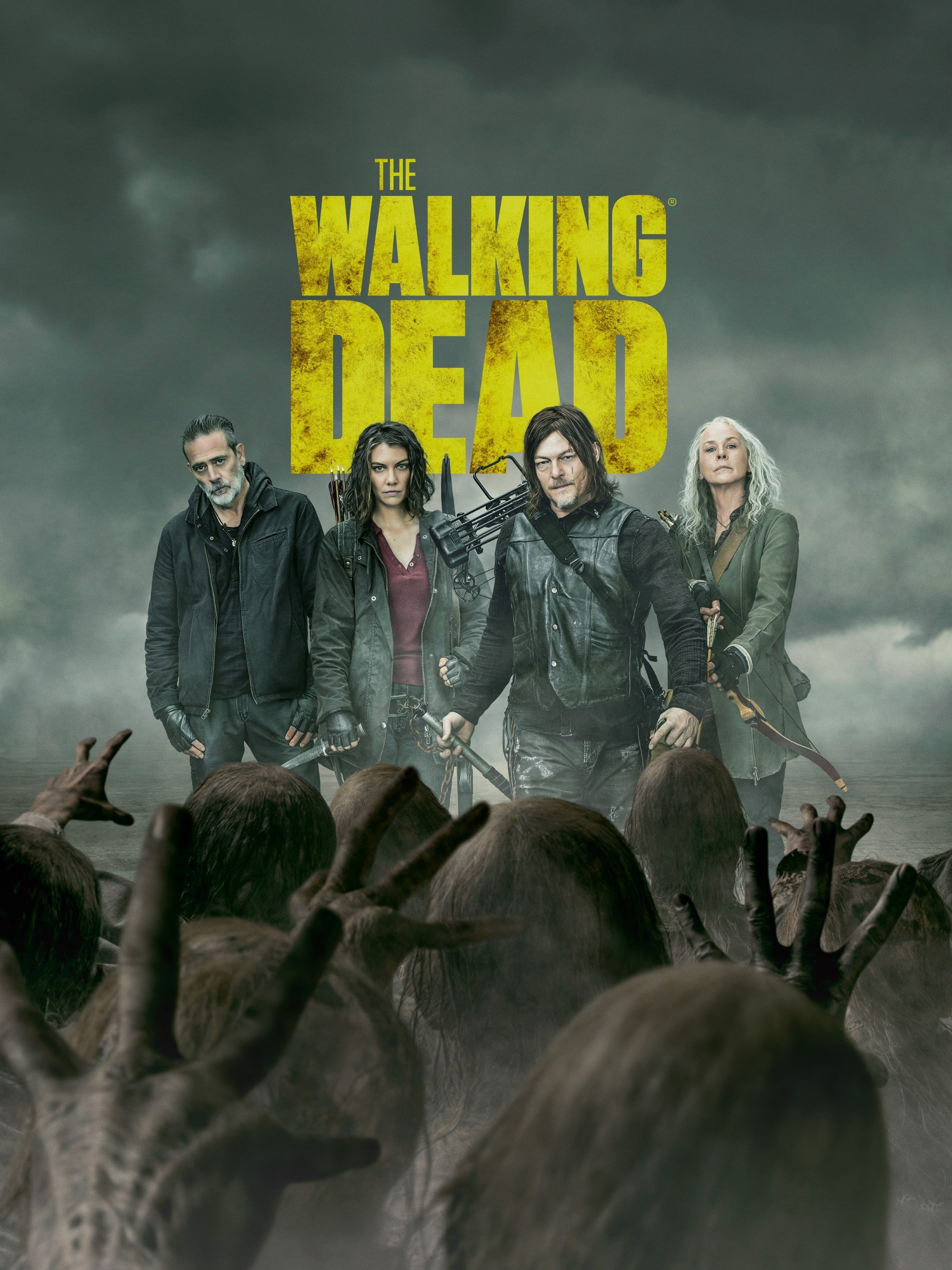
The Walking Dead2010
The gold standard for zombie narratives that care about character and community. Watches how quickly social order fragments and what people will do to survive—and what it costs them.
But Drags badly in the middle seasons, and eleven years is a serious time commitment. Some viewers find it repetitive.
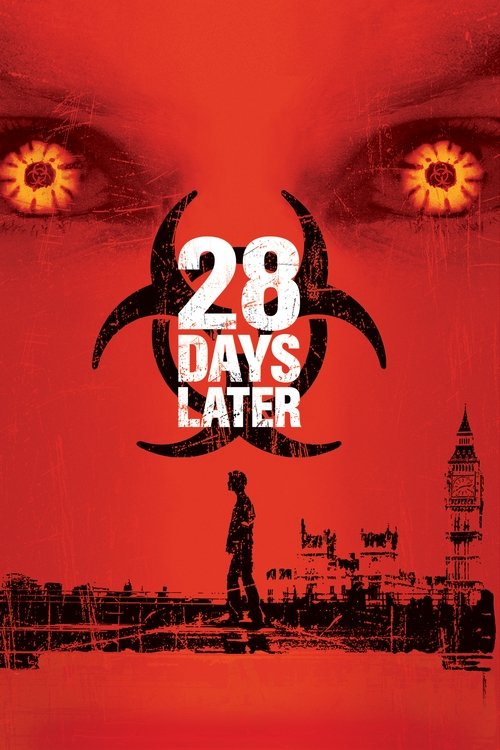
28 Days Later2002
Post-outbreak survival horror that influenced everything after it. Infected aren't undead but transformed by rage virus—faster, meaner, more terrifying than shambling zombies. Devastating pacing.
But The infected are genuinely difficult to watch, and the film doesn't flinch from despair. Some found-footage elements haven't aged beautifully.
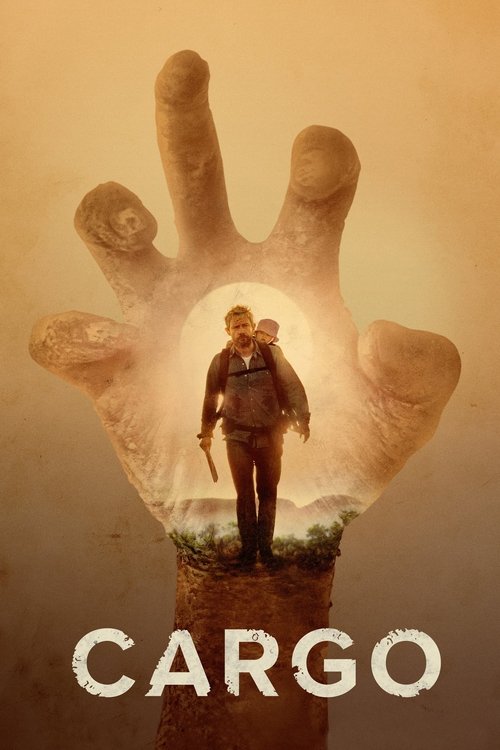
Cargo2017
Australian zombie film that asks what happens if you're infected but still conscious and fighting it. Tender, haunting, and focused entirely on one man's moral collapse as his humanity ebbs.
But Deliberately slow and contemplative. If you want action and spectacle, this will feel glacial.
Not sure tonight? Get a pick in a minute, starting from Animalia
The wildcard
Something you would not have found on your own.
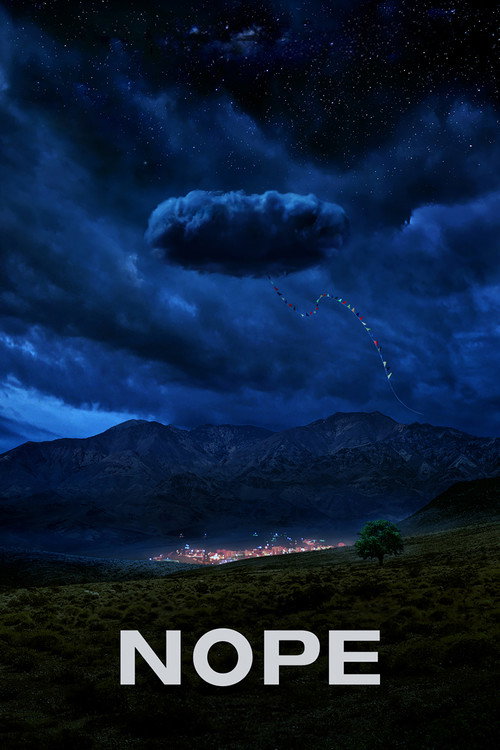
Nope2022
Both use an external biological/cosmic force to rewrite the rules of a location and the people in it—nature itself becomes the antagonist.
Jordan Peele's genre film about a UFO phenomenon that transforms everything it observes. Shares Animalia's logic of nature-as-threat and the terror of being watched by something intelligent and indifferent. Stunning, alien dread.
But More sci-fi mystery than horror. Takes long stretches to build atmosphere, and some find the UFO mythology more abstract than satisfying.
More like this (7)
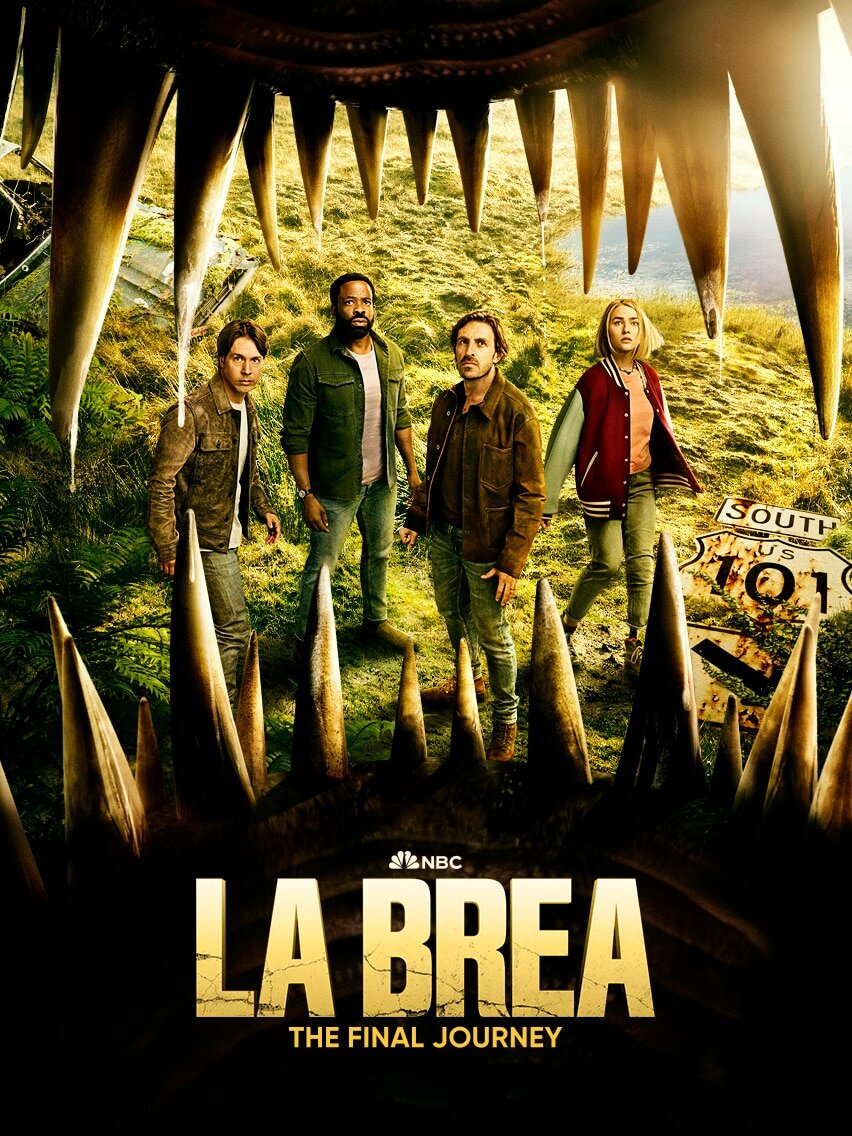
La Brea2021
Survival mystery with a community stranded in an impossible landscape. Builds mystery and dread through character discovery and escalating strangeness rather than jump scares.
But Cancelled after two seasons on a cliffhanger. The mystery was never fully resolved, which enrages some viewers.
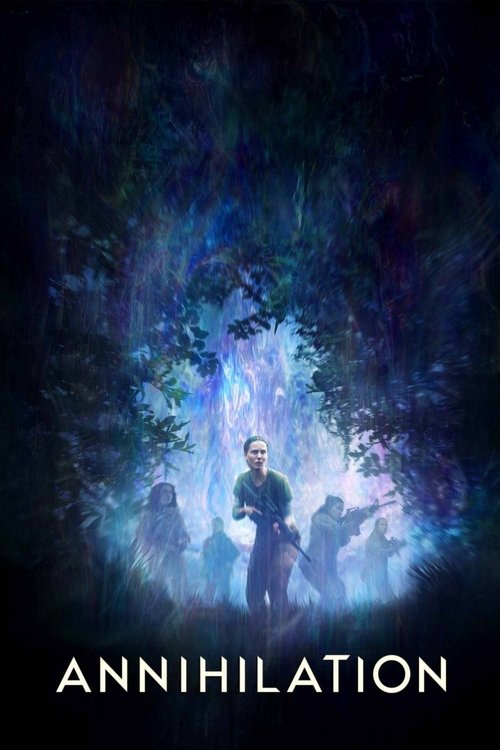
Annihilation2018
A team enters a zone where nature has fundamentally transformed into something alien and terrifying. Existential sci-fi horror about loss of self and the danger of the unknown reshaping everything.
But Visually stunning but narratively cryptic. If you need clear answers and linear plotting, you'll leave frustrated.
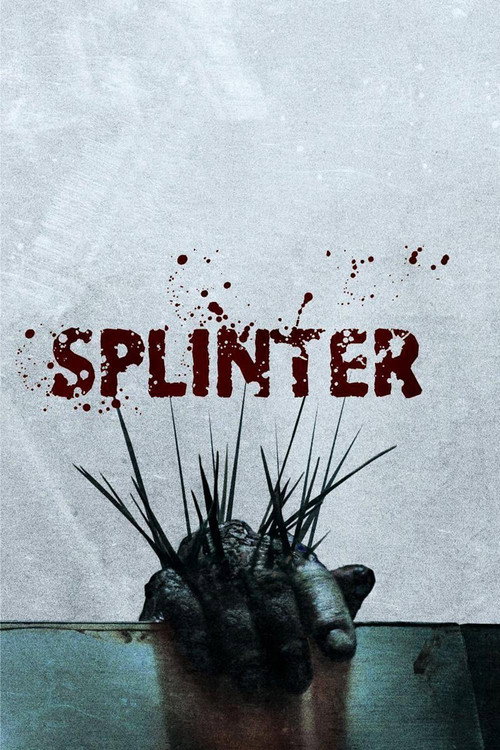
Splinter2008
Low-budget creature horror that wastes no time: parasite-infected victims become shambling, fragmented hosts. Claustrophobic, inventive, genuinely nasty practical effects on a shoestring.
But The creature design is intentionally grotesque and body-horror heavy. Extremely grimy aesthetic throughout.
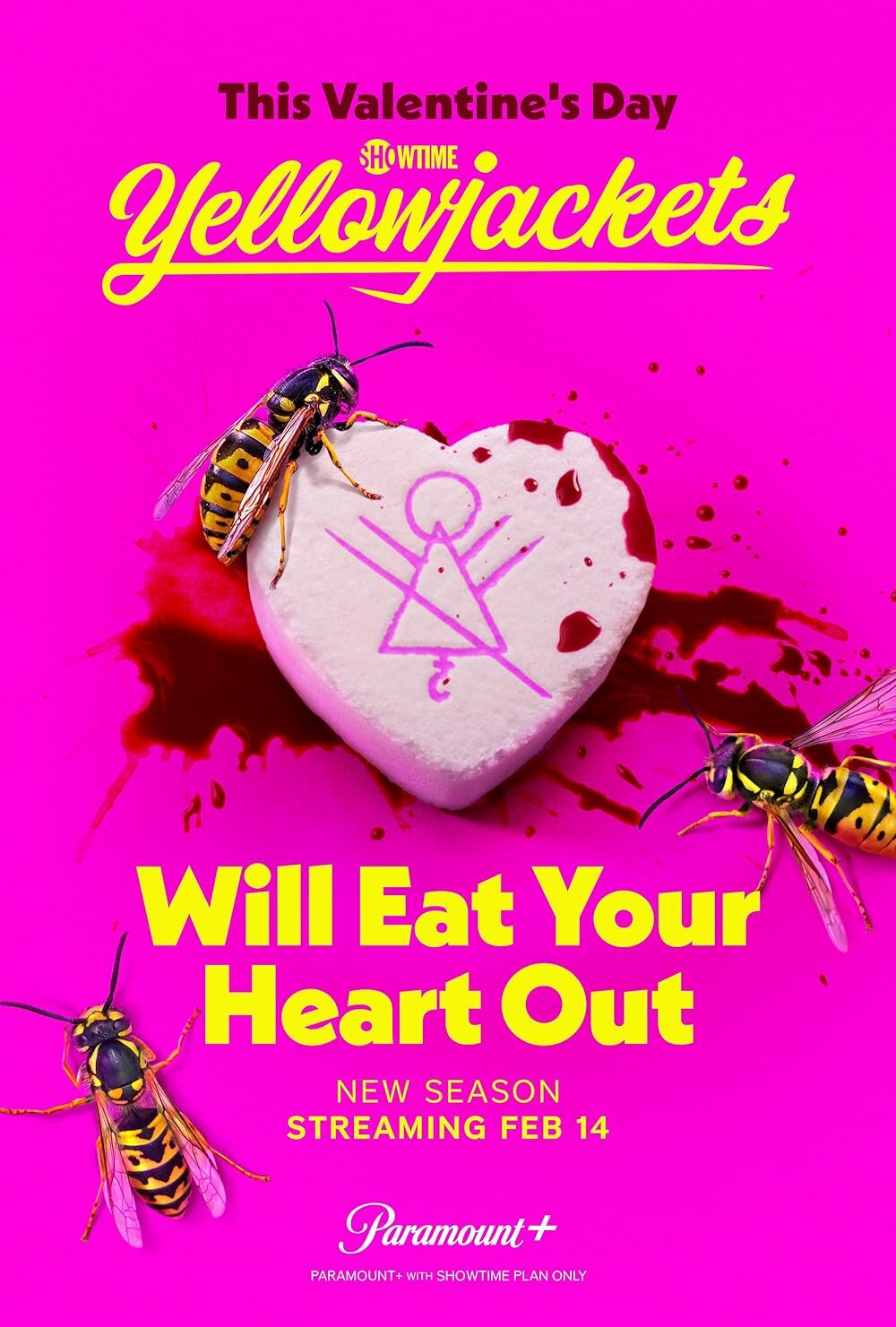
Yellowjackets2021
Plane crash survivors in the Canadian wilderness. Flips horror perspectives by making you unsure who the real threat is—nature, each other, or something stranger. Darkly compelling ensemble.
But Deliberately fragmented timeline and unreliable narrators can feel more confusing than mysterious. Pacing uneven across seasons.
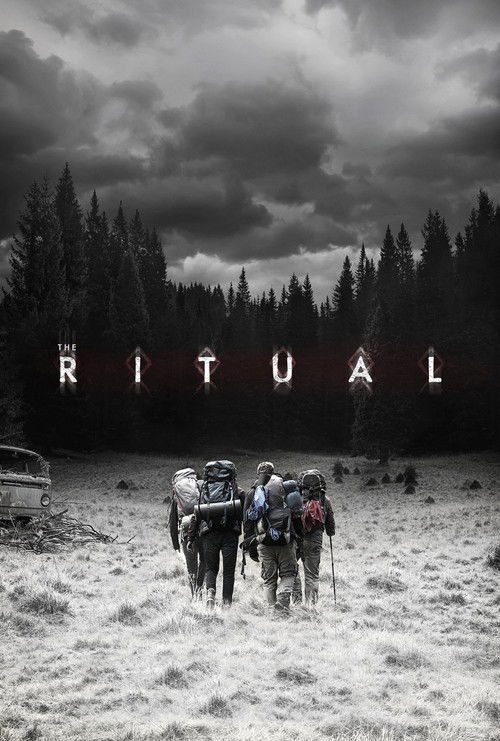
The Ritual2017
Hikers in a Scandinavian forest stumble onto ancient horror. Combines wilderness survival, folk-horror dread, and creature design into something that feels genuinely dangerous and primal.
But Third-act pivot to creature reveal feels like a shift in tone some find jarring. Character decisions get increasingly frustrating.
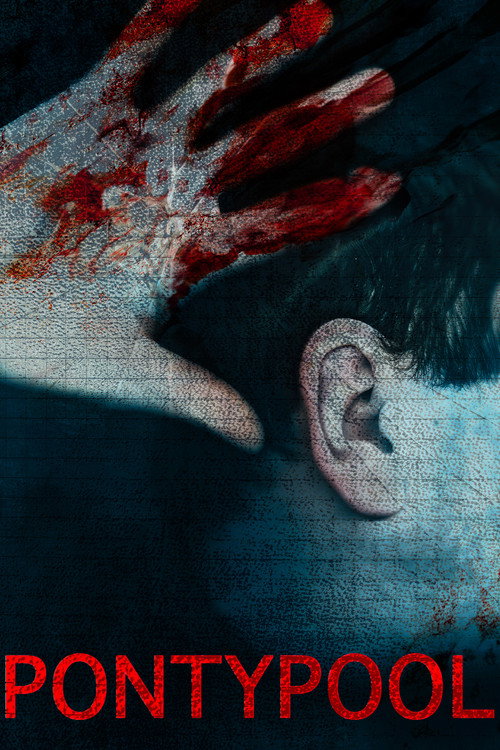
Pontypool2009
Both are economical, non-English-language-influenced approaches to infection narratives that prioritize dread and implication over budget-heavy production.
Canadian horror set almost entirely in a radio station as a contagion spreads through language itself. Outbreak horror where the infection is transmitted through words. Clever, claustrophobic, endlessly inventive.
But Extremely dialogue-heavy and conceptual. If you want visual spectacle or gore, this relies almost entirely on sound design and suggestion.
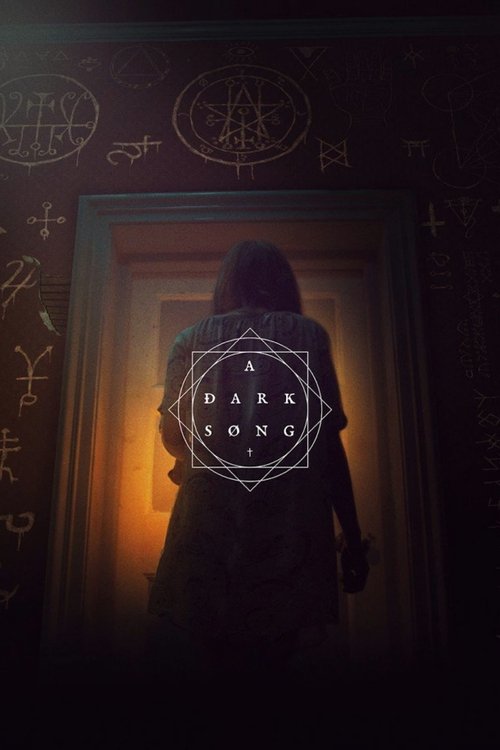
A Dark Song2016
Both explore what happens when human consciousness is fundamentally altered or severed—infected minds in Animalia, a mind fractured by grief and devotion here—and how that transforms perception of reality.
Irish psychological horror about grief, isolation, and a woman attempting spiritual communion in a rented house. Slow-burn supernatural dread with genuine philosophical weight. Feels like a fever dream about loss.
But Minimal plot, maximum mood. The supernatural elements are ambiguous. If you prefer clear horror rules and visible threats, this will feel frustratingly internal.