
Television series
Ancient Mysteries
- Mystery
- Dip in and out
A documentary series investigating genuinely puzzling moments in history—not pseudoscience or fringe theories, but real unsolved questions about how ancient peoples built, moved, and organised themselves. Mark Bazeley's narration keeps things grounded and curious rather than sensational. Perfect for viewers who like their mysteries substantive and their answers uncertain.
If you liked this
Ancient Civilizations2017
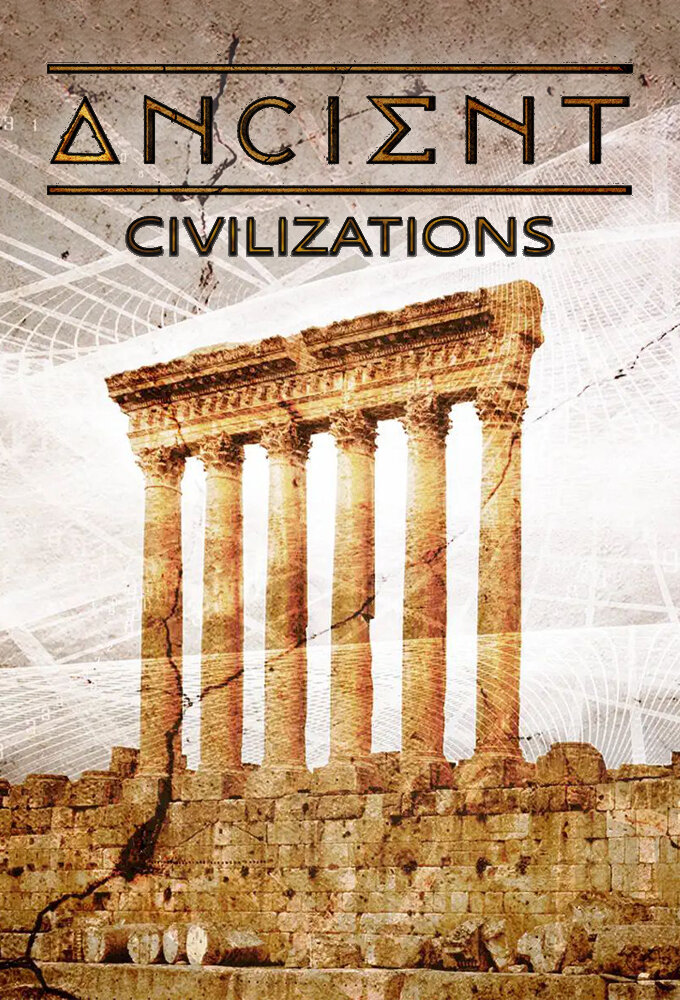
A lavish, intellectually rigorous survey of how different cultures solved the same fundamental problems. It shares Ancient Mysteries' fascination with human ingenuity and the gaps in what we know.
But Very long (nine hours total) and sometimes more celebration than investigation. You need to be in the mood for immersion rather than answers.
A History of Ancient Britain2011
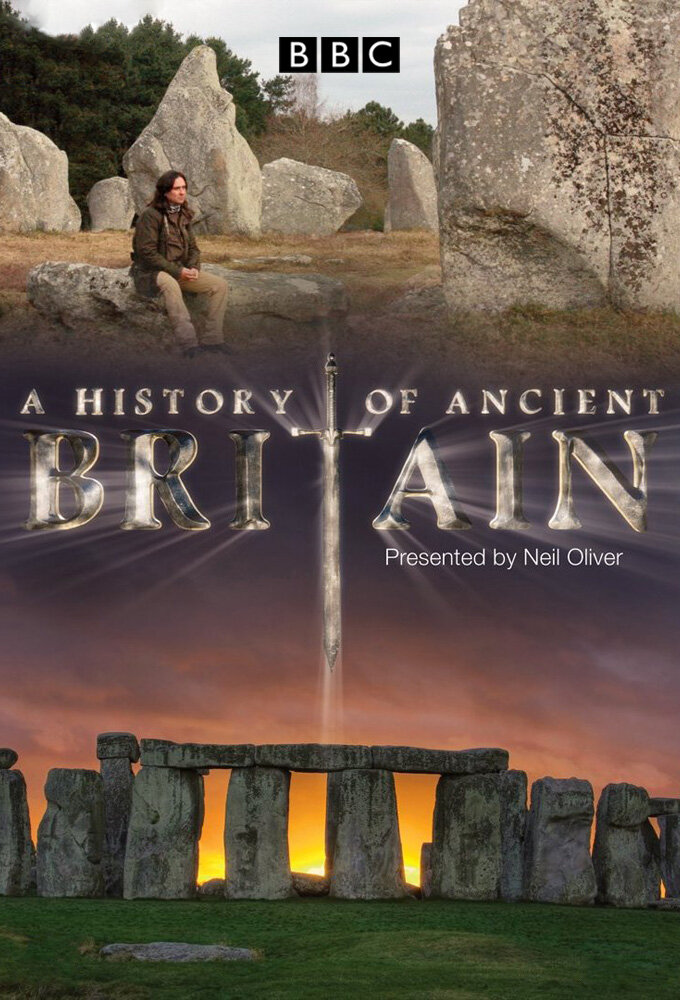
Neil Oliver brings genuine curiosity to the archaeological record, comfortable with ambiguity and contradictions. The production design and landscape cinematography are stunning without ever overshadowing the ideas.
But Focuses specifically on Britain, so if your interest is broader you'll feel a bit confined. Oliver's narration style is very particular—some find it affecting, others precious.
The Ascent of Man1973
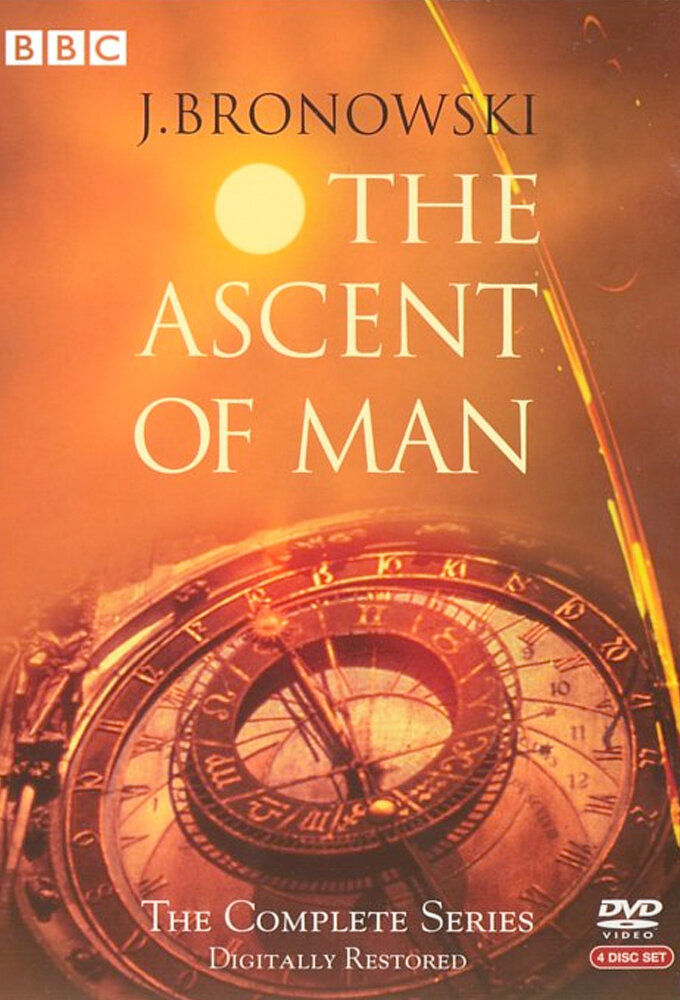
Jacob Bronowski's thirteen-part masterpiece treats human history as a series of ideas and puzzles to be investigated with genuine intellectual rigour. It models thoughtful documentary filmmaking beautifully.
But Over fifty years old now, and the production values show it. Some of Bronowski's conclusions have been revised by subsequent scholarship, which can be distracting if you're looking for current information.
Not sure tonight? Get a pick in a minute, starting from Ancient Mysteries
The wildcard
Something you would not have found on your own.
The Secret of Kells2009
Both treat ancient knowledge and artefacts as genuine mysteries, but this one embraces the magic and uncertainty rather than trying to solve it. It's what Ancient Mysteries feels like from the inside.
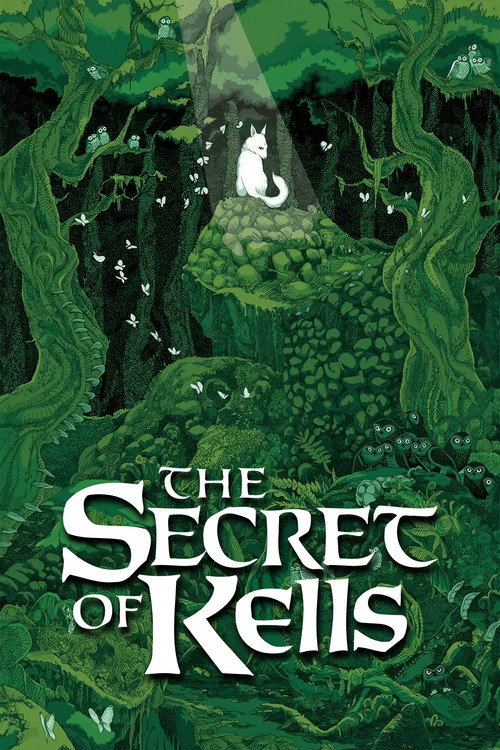
An animated feature about the creation of an ancient illuminated manuscript, told as myth and mystery. It captures the sense of puzzling craft and lost knowledge that drives Ancient Mysteries, but through visual poetry instead of investigation.
But Dreamlike and oblique rather than explanatory. It's more interested in atmosphere than answers, and the animation style feels deliberately archaic—some viewers find it frustratingly vague.
More like this (4)
Engineering an Empire2005
Charts how major civilisations solved infrastructure problems—roads, water, fortifications. It's less about mysteries than Ancient Mysteries, but shares the fascination with ingenious human problem-solving under real constraints.
But Leans toward celebration of achievement rather than interrogation of unknowns. Can feel a bit triumphalist about empire, even when trying not to be.
Time Life's Lost Civilizations1995
A genuinely curious survey of how entire societies disappeared or were forgotten, using archaeology as detective work. Each episode respects the mystery rather than pretending certainty.
But Production quality is decidedly mid-1990s, and some of the presented theories have aged better than others. Pacing sometimes drags between the interesting bits.
Secrets of the Museum2020
A behind-the-scenes look at how museums investigate and interpret historical objects. It captures the intellectual puzzle-solving at the heart of archaeology without the travel-show drama.
But Very British, very institutional. If you find museum procedurals tedious, this won't change your mind. Also tends to assume some baseline knowledge of major historical periods.
The Midnight Library
Both are fundamentally about interrogating 'what actually happened?' and sitting comfortably in uncertainty. One uses archival evidence; the other uses imagination. But the intellectual curiosity is identical.
Wait—hear this out. It's formally about parallel lives, but structurally it's a mystery box where each episode investigates a version of history-that-might-have-been. Same narrative engine as Ancient Mysteries: what if things had gone differently? What can we know about paths not taken?
But It's speculative fiction, not documentary. The tone is cosy and philosophical rather than investigative. If you watch Ancient Mysteries purely for facts and want zero fantasy, this will feel like a category error.
People
Cast
 Mark BazeleyNarrator