
Television series
Agatha Christie: Lucy Worsley on the Mystery Queen
Lucy Worsley unpacks how Agatha Christie's life—her traumas, obsessions, and secrets—fed directly into her detective fiction. Intimate, intelligent, and genuinely revelatory, it's a masterclass in literary biography that treats both the woman and her work with the seriousness they deserve. For anyone who loves her mysteries or wants to understand how personal damage becomes art.
If you liked this
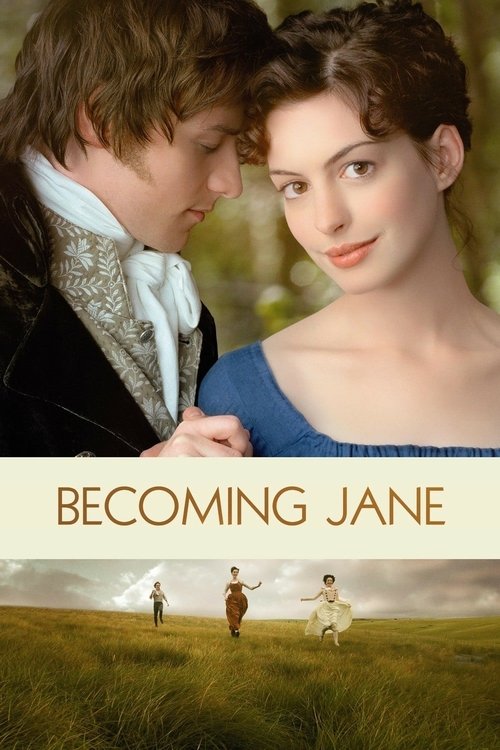
Becoming Jane2007
A richly imagined look at Jane Austen's formative years and the love affair that shaped her novels. It pursues the same idea as the Worsley series: that a writer's pain and passion are the hidden engines of their work.
But The biographical guesswork is heavy, and it occasionally sacrifices authenticity for romantic narrative convenience.
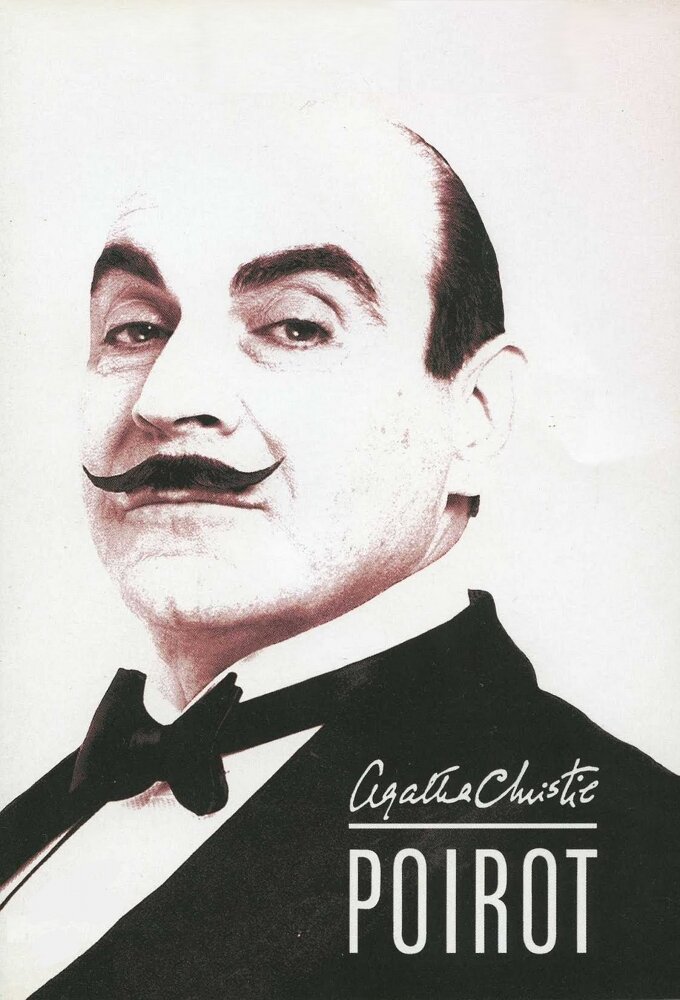
Agatha Christie Poirot1989
The definitive small-screen Agatha Christie adaptation, with David Suchet embodying the detective across four decades. It deepens your appreciation of how expertly she constructed her puzzles and characters.
But Ninety minutes per episode means some stories feel padded, and the 1980s-2010s production values won't appeal to everyone.
American Crime Story2016
Ryan Murphy uses a real crime and a real killer to explore obsession, darkness, and the fractured psyche behind elegant surfaces. Like Worsley's series, it examines how trauma shapes behaviour and art.
But It's genuinely harrowing and doesn't flinch from violence or homosexual content. Not comfort viewing.

Not sure tonight? Get a pick in a minute, starting from Agatha Christie: Lucy Worsley on the Mystery Queen
The wildcard
Something you would not have found on your own.
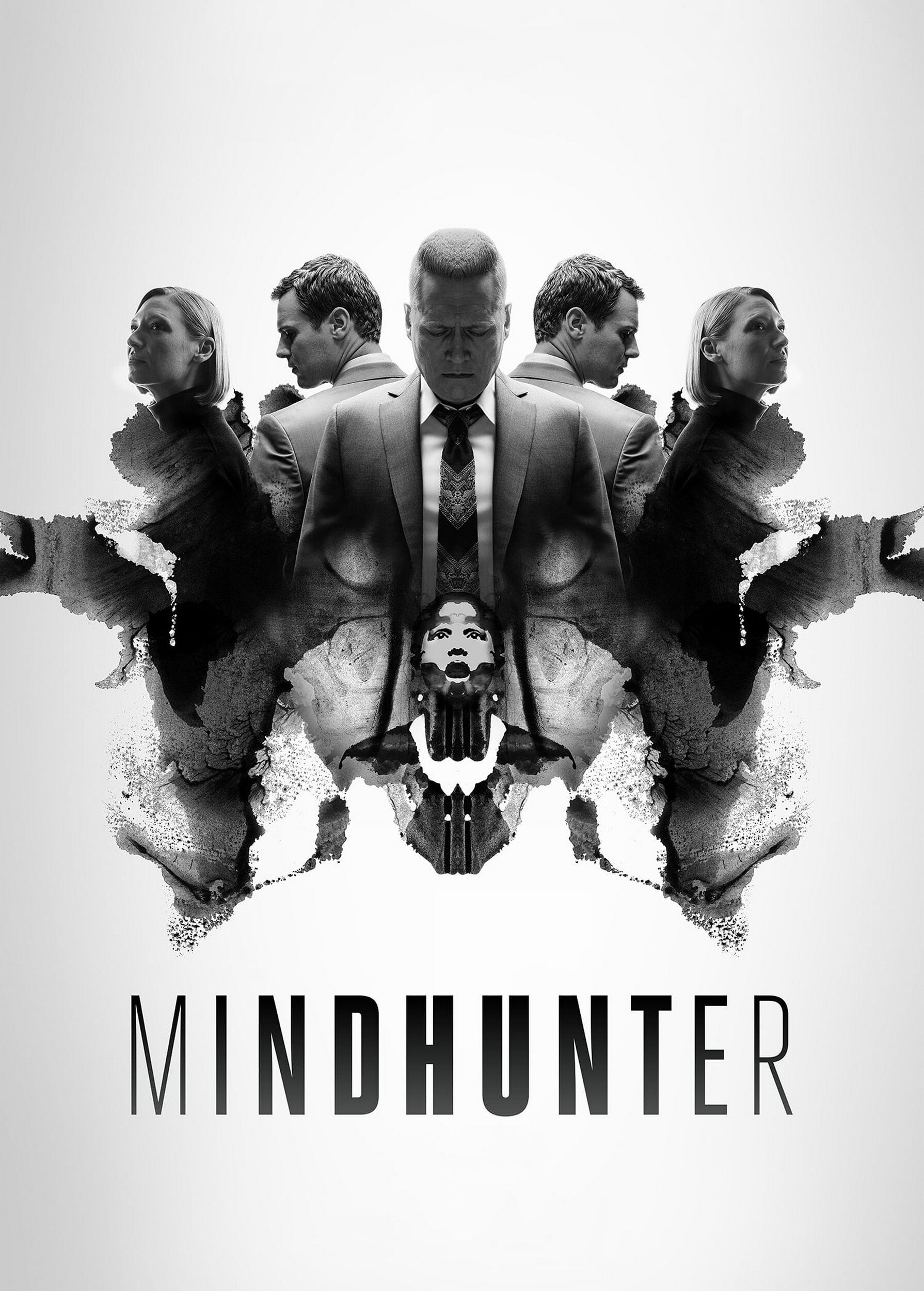
MINDHUNTER2017
Both are investigations into the psychology of violence and obsession. Worsley asks how Christie's trauma made her brilliant at imagining murder; Mindhunter asks how investigators must inhabit murderers' thinking to catch them. Same intellectual territory, opposite directions.
Not a cosy mystery at all, but a forensic dive into how profilers learned to think like killers. It shares Worsley's fundamental question: what does it mean to understand a dark mind? And how does that understanding change you?
But It's methodical, sometimes slow, and deeply uncomfortable. No puzzles to solve, only damage to witness.
More like this (6)
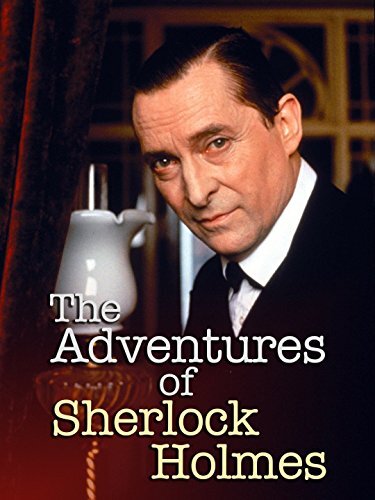
The Adventures of Sherlock Holmes1984
Mark Gatiss explores how Arthur Conan Doyle's own grief, ambitions, and spiritual crises fed into his most famous creation. The same biographical excavation, a different literary colossus.
But It's BBC history-doc pacing—contemplative to the point of slowness, with long stretches of interpretation rather than revelation.
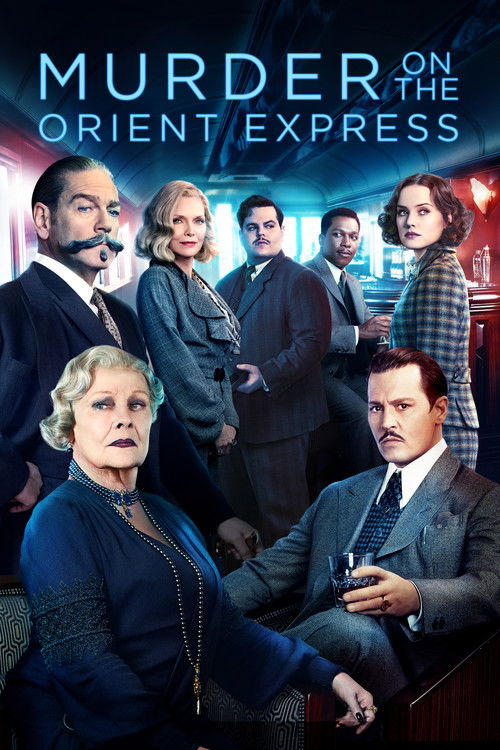
Murder on the Orient Express2017
Kenneth Branagh's lavish adaptation shows why Christie's plots still dazzle: intricate, fair-play mysteries where every detail matters. Beautifully crafted and endlessly rewatchable.
But The production is so glossy it can feel more concerned with looking stunning than with genuine suspense.
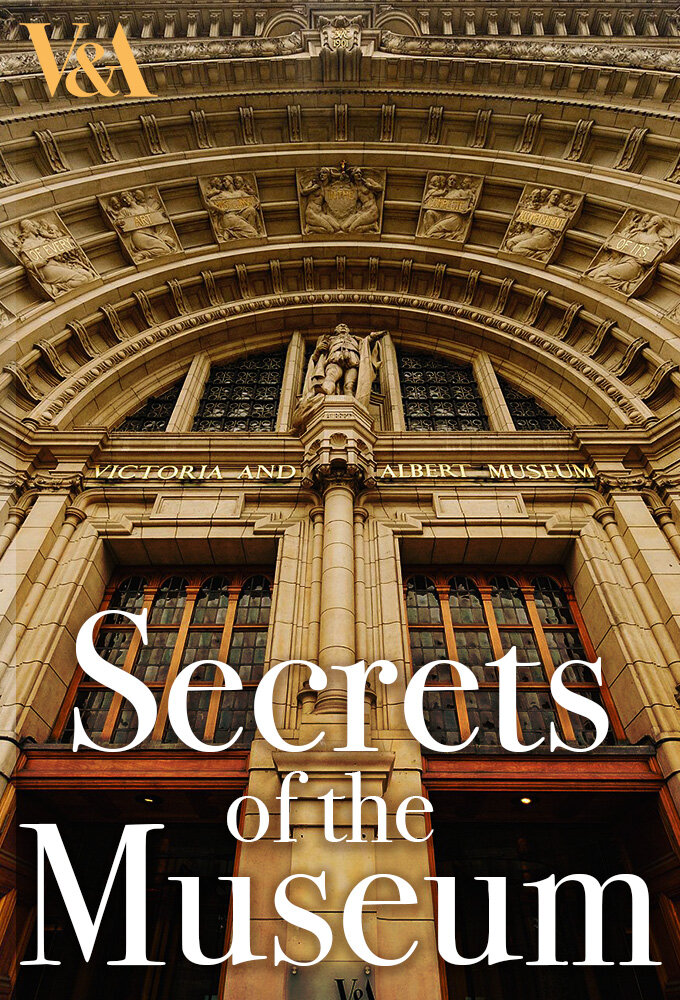
Secrets of the Museum2020
Lucy Worsley hosts this similarly intimate examination of how objects and archives reveal hidden histories. Same intelligence, same warmth, different subject matter.
But If you're coming for thriller content rather than historical curiosity, it may feel too measured and reflective.
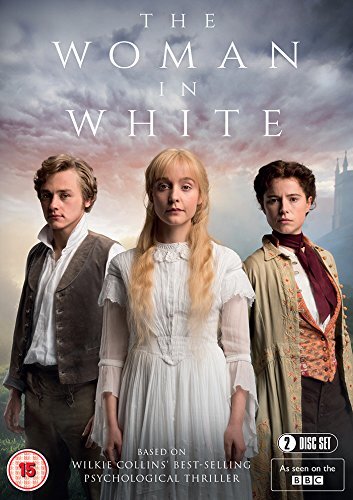
The Woman in White2018
This Wilkie Collins adaptation predates Christie but shows where her obsession with female vulnerability and gothic secrets came from. A clear ancestral line to her psychology of mystery.
But Victorian melodrama moves differently than puzzle-box plotting. Patience with period pacing required.
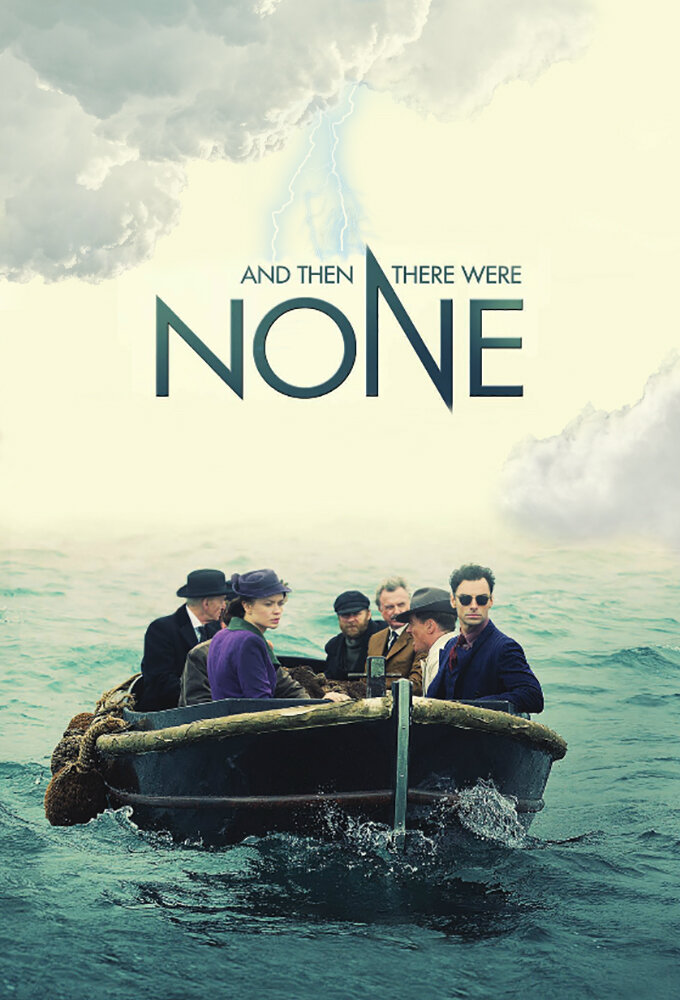
And Then There Were None2015
The BBC's sumptuous remake of Christie's masterpiece demonstrates the queasy power of her darkest work: ten strangers, an island, and no escape. Pure suspense from pure concept.
But It's significantly darker than you might expect from the title, and the nihilistic ending isn't satisfying in a traditional sense.
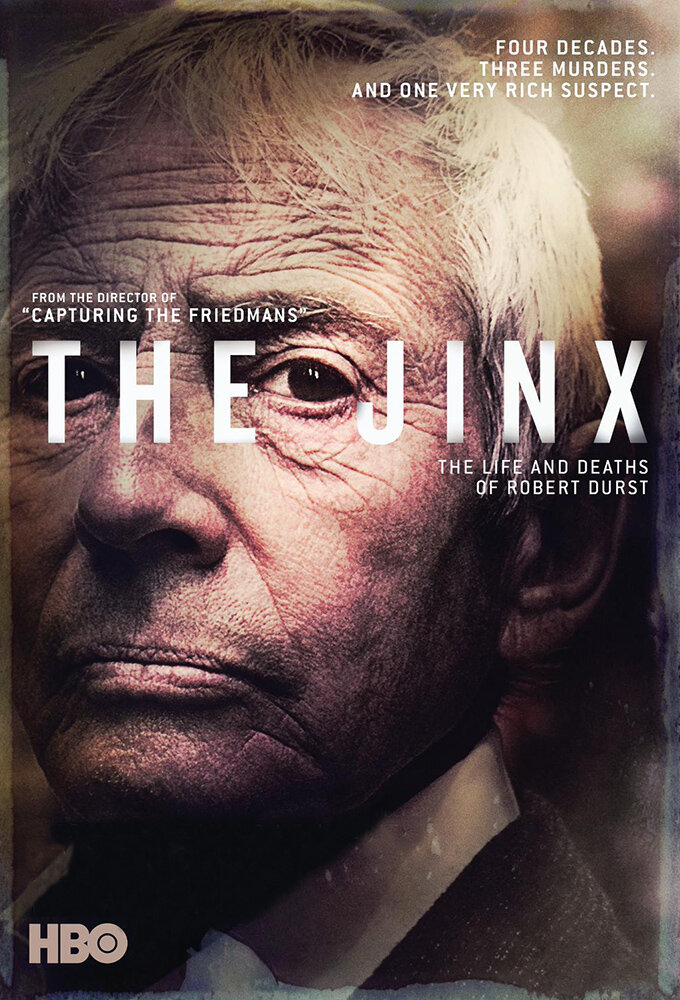
The Jinx: The Life and Deaths of Robert Durst2015
Both examine how a person's life—trauma, wealth, psychology, secrets—can read like fiction precisely because it's too tangled for fiction. Both ask: how do we narrate a life?
A true-crime miniseries that treats a real killer's life with the narrative complexity of a thriller novel. It's the real-world equivalent of what Worsley discovers: that a human life can be as baroque and inexplicable as any plot.
But It's devastating, and constructed to implicate you in voyeurism. The moral questions don't resolve neatly.
People
Cast
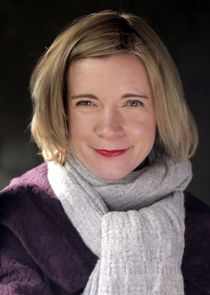 Lucy WorsleyPresenter
Production
- Alexander LeithExecutive Producer
- Eleanor ScoonesProducer
- Grace ChapmanProducer