
Film
Valley of the Wolves: Iraq
- War action
- Very dark
A Turkish action thriller that grafts real Iraq War atrocities onto a revenge narrative. Brutal, operatic, and uncompromising in its anger—this is a film that doesn't soften its edges for Western audiences. Made by and for people processing genuine trauma, it has the texture of something that needed to exist.
If you liked this
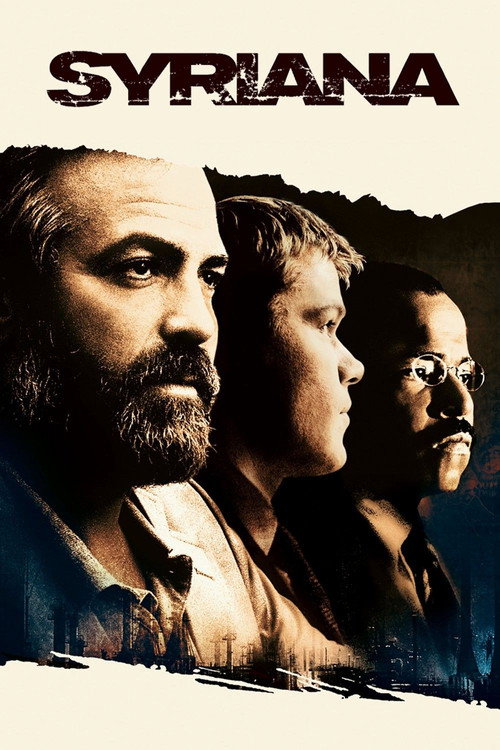
Syriana2005
Interconnected Middle Eastern power plays told with David Fincher-level control. It sprawls across continents and decades, making geopolitical corruption tangible and terrifying in ways that feel urgent and real.
But Deliberately obscure plot structure means you'll need to pay close attention. Some viewers find the intellectual scaffolding more interesting than the human story underneath it.
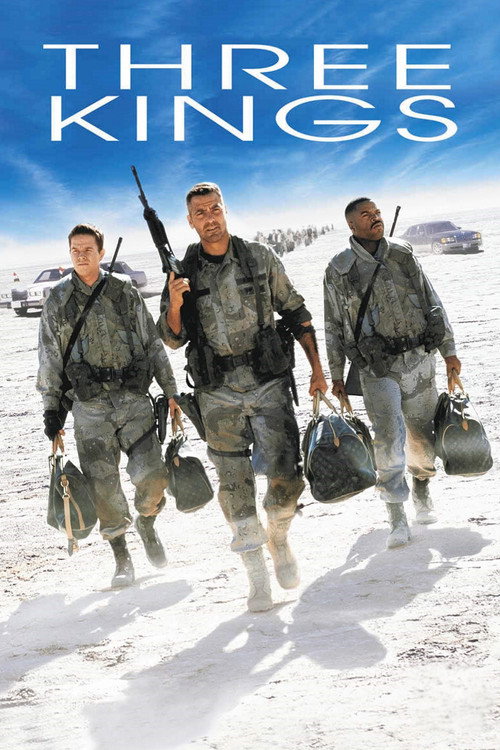
Three Kings1999
A war film that works as heist movie, moral reckoning, and pure kinetic spectacle. It asks what soldiers owe to civilians and doesn't let you feel good about the answer you arrive at.
But Shot with intentional aesthetic ugliness that some find alienating rather than powerful. The tonal shifts between action and consequence can feel jarring.
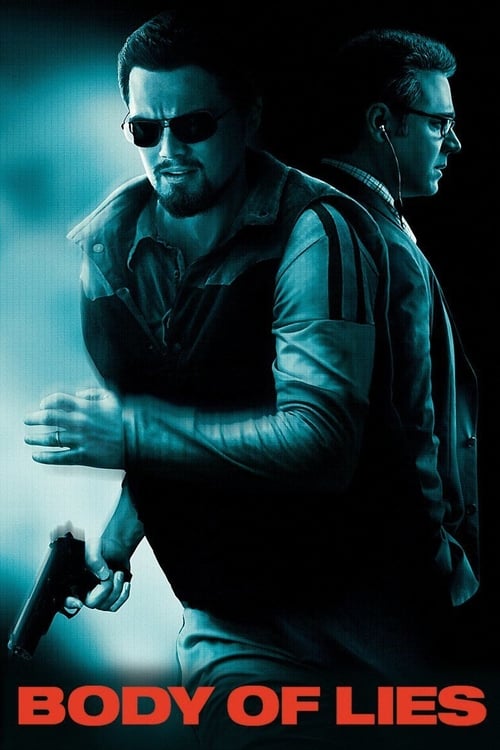
Body of Lies2008
Espionage thriller set in the Middle East that treats both American operatives and Arab civilians as complex humans. Ridley Scott directs with controlled fury; DiCaprio and Crowe generate real tension between strategy and conscience.
But Nearly two and a half hours of shadowy hotel rooms and surveillance. If you need plot momentum over atmosphere, you'll find it glacial.
Not sure tonight? Get a pick in a minute, starting from Valley of the Wolves: Iraq
The wildcard
Something you would not have found on your own.
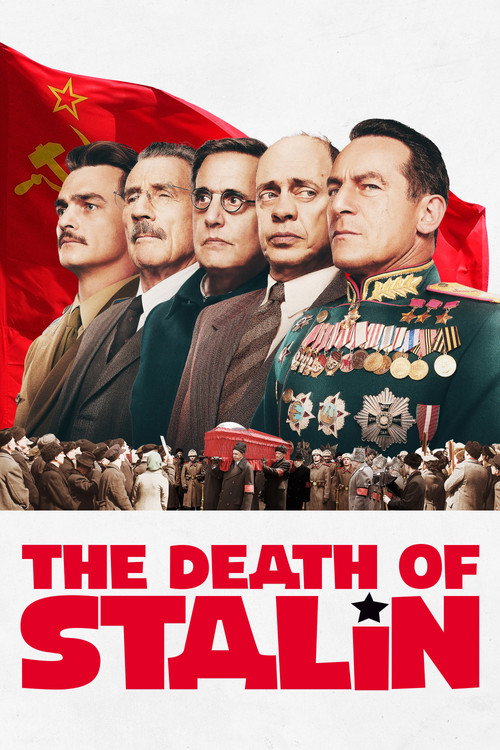
The Death of Stalin2017
Both understand that empire requires ordinary functionaries to commit extraordinary crimes. Both show how ideology shapes systems that then reshape people within them. One is angry in Turkish; one is funny in British. Same mechanism.
Armando Iannucci's brilliant, vicious farce about power, empire, and the machinery of state violence. Shot in black-and-white, set in Soviet Russia, but the machinery is universal: how bureaucracy manufactures atrocity while everyone claims clean hands.
But Political satire told as gallows comedy. If you want moral gravity and historical reverence, the comedy will feel disrespectful. The satire requires you to laugh at suffering, which demands a specific kind of viewer.
More like this (7)
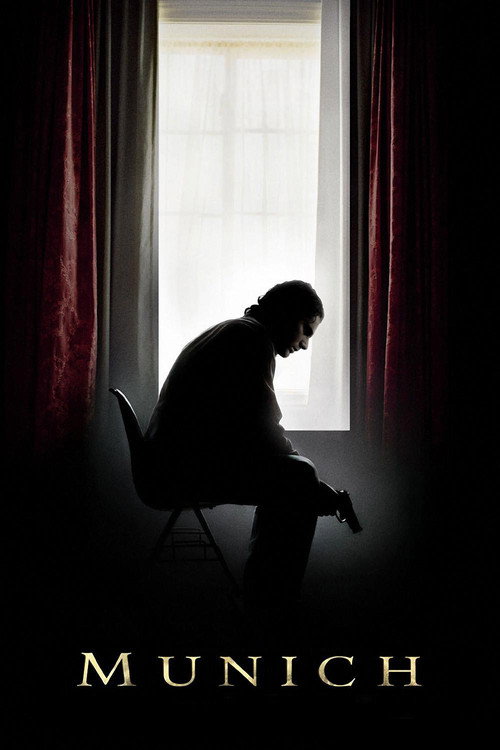
Munich2005
Spielberg's coldest film: a precise, bitter examination of revenge cycles and the cost of retribution. It moves with surgical control and asks unbearable questions without offering comfort.
But Bleak and morally ambiguous in ways that can feel punitive to the viewer. Some find it too even-handed about cycles of violence; others find it exhausting.
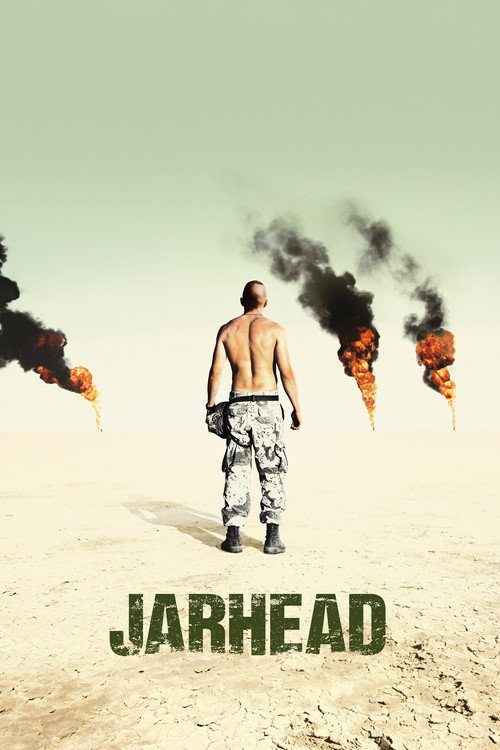
Jarhead2005
First Gulf War through the eyes of a sniper who almost never fires. Captures the claustrophobia, sexual frustration, and existential emptiness of waiting for combat that may never come.
But Deliberately avoids conventional war film excitement. Long stretches of sand and masculinity tested in quiet ways won't satisfy anyone wanting rousing combat sequences.
The Battle of Algiers1966
Gillo Pontecorvo's stark, urgent masterpiece about anti-colonial insurgency. Shot like documentary realism, it makes you understand the logic of violence without endorsing it. Still teaches military academies and still provokes.
But Deliberately made in grayscale and shot in a style that can feel dated. It's a political sermon disguised as a thriller, which some viewers resent on principle.

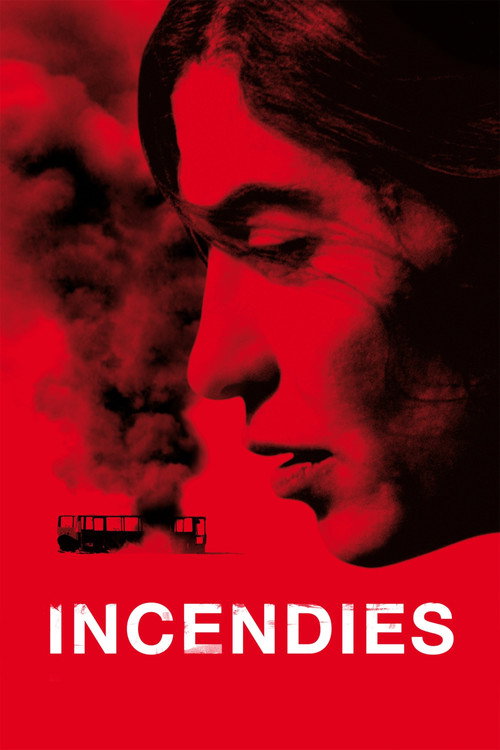
Incendies2010
Denis Villeneuve's devastating meditation on cycles of violence across generations. Two siblings unravel their mother's past across years and continents. The final revelation restructures everything you've watched.
But Emotionally devastating and philosophically grim. The violence matters specifically because it attaches to people you love, which makes it almost unbearable to sit with.
A Prophet2009
Jacque Audiard's masterpiece about a young man's ruthless education in a French prison. Kinetic, brutal, and morally complex—it understands how power corrupts from the inside out, how systems transform decent people into predators.
But Prison setting and prison logic mean sustained brutality and moral compromise from nearly everyone. It's not a story about redemption; it's about adaptation and loss.

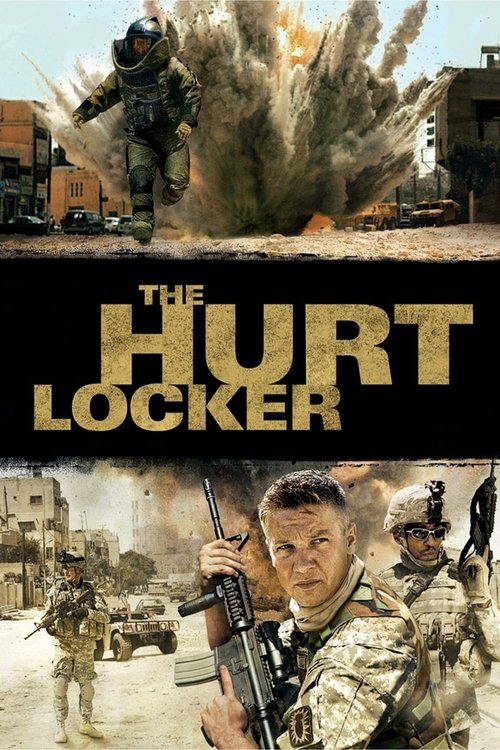
The Hurt Locker2008
Iraq War bomb-disposal unit operating at the edge of reason and protocol. Kathryn Bigelow builds unbearable tension from the ordinary and familiar—a trip to market, a casual conversation, routine work. Jeremy Renner's performance is coiled and electric.
But Single-note emotional register: constant adrenaline exhaustion. No character development or wider context, just the next bomb and the next decision. Some find it hollow beneath the technical brilliance.
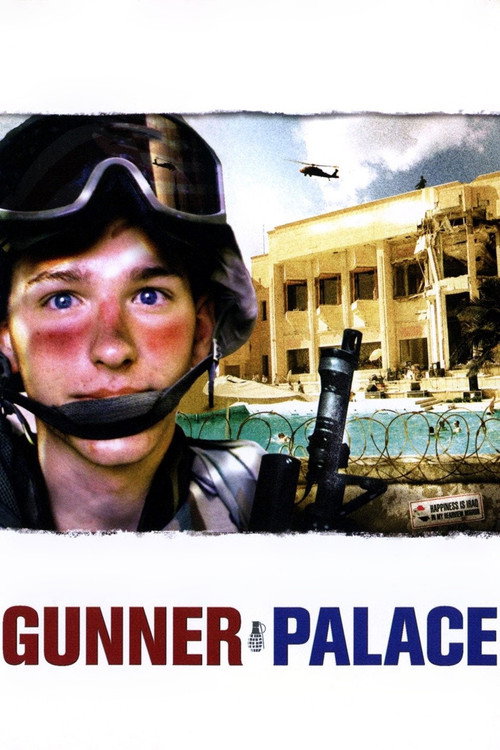
Gunner Palace2004
Valley of the Wolves channels actual events through fiction; Gunner Palace captures them raw. Both refuse to separate the occupation from the humans experiencing it. Both insist you sit with moral complexity instead of easy answers.
Documentary following American soldiers in Baghdad during the occupation. No narration, no agenda beyond letting you watch them joke, grieve, and rationalize in real time. It's devastating because it refuses to judge—and that refusal is itself a judgment.
But Structurally formless and emotionally exhausting. No plot, no resolution, no redemption. Watching people normalize horror is its own kind of horror, and some viewers find it exploitative rather than illuminating.
People
Cast
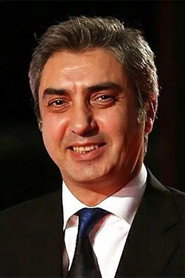 Necati ŞaşmazPolat Alemdar
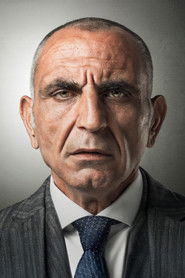 Gürkan UygunMemati Baş
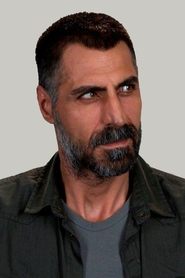 Kenan ÇobanAbdülhey Çoban
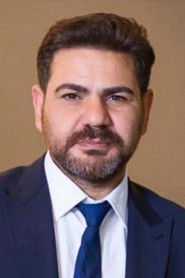 Erhan UfakErhan Ufuk
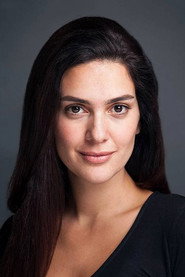 Bergüzar KorelLeyla
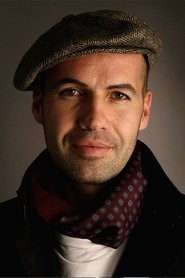 Billy ZaneSam William Marshall
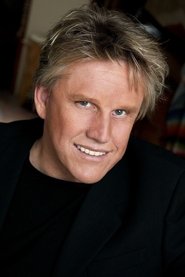 Gary BuseyDoctor
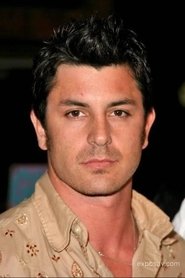 Diego SerranoDante
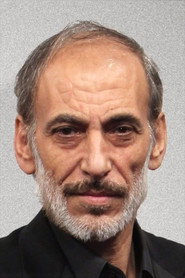 Ghassan MassoudAbdurrahman Halis Karuki
- Jay AbdoKurdish Leader (Jihad Abdou)
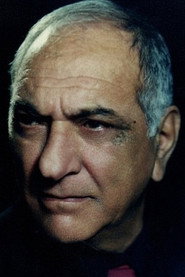 İsmet HürmüzlüArab Leader (Abu Tarik)
- Yavuz İmselTurkmen Leader (Hasan)
Directing
- Serdar AkarDirector
Writing
- Bahadır ÖzdenerScreenplay
- Raci ŞaşmazScreenplay
Production
- Zübeyr ŞaşmazExecutive Producer
- Raci ŞaşmazProducer