
Film
The Story of Alexander Graham Bell
A 1939 biography of Alexander Graham Bell that balances invention with romance. Don Ameche brings charm to a man torn between ambition and love, while the film moves briskly through Bell's struggles to transmit sound. It's earnest studio filmmaking—handsomely mounted, occasionally stiff, driven by sentiment as much as history. For those who enjoy old Hollywood taking on big ideas without cynicism.
If you liked this
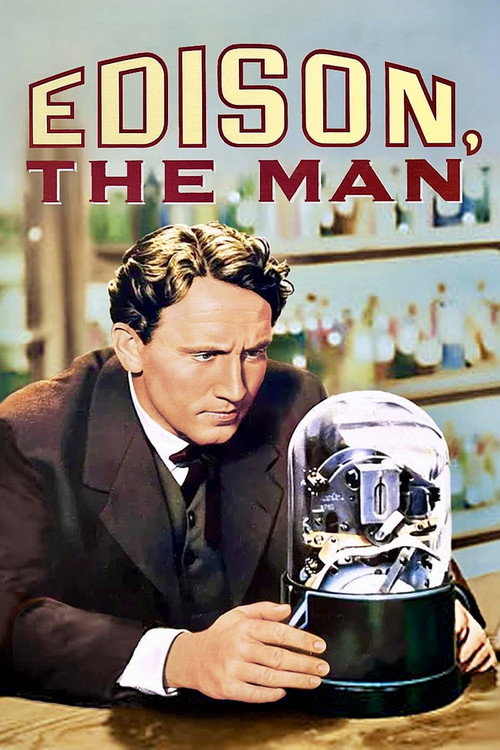
Edison, the Man1940
Spencer Tracy as Thomas Edison in another Edison-era biography that shares similar DNA: the lonely genius, the supportive woman, the legal battles that nearly destroy him. A companion piece made the same year, equally committed to romance and invention.
But The film is deeply reverential—there's no real conflict beyond external obstacles, and the pace drags in the middle acts.
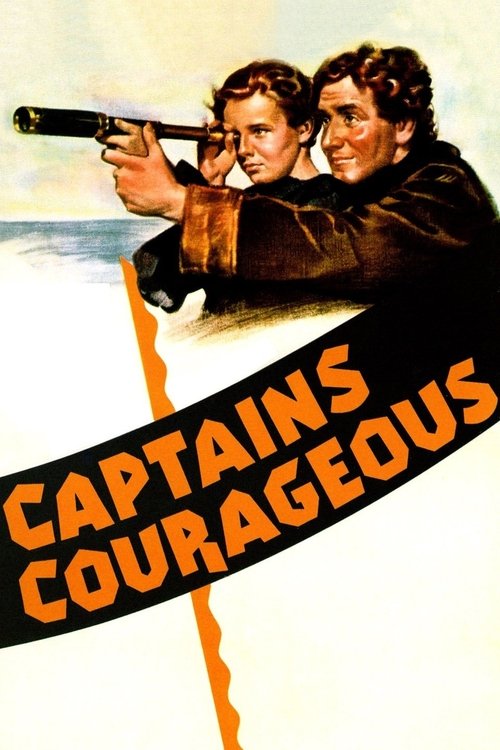
Captains Courageous1937
Also stars Don Ameche and shares that '30s MGM gloss, with Spencer Tracy in a role that won him an Oscar. It's about redemption and transformation, character-driven in ways that reward patient watching. A stunning production.
But It's a boys' adventure film at heart, so if you're hoping for Bell's romantic storyline to dominate, this pivots elsewhere.
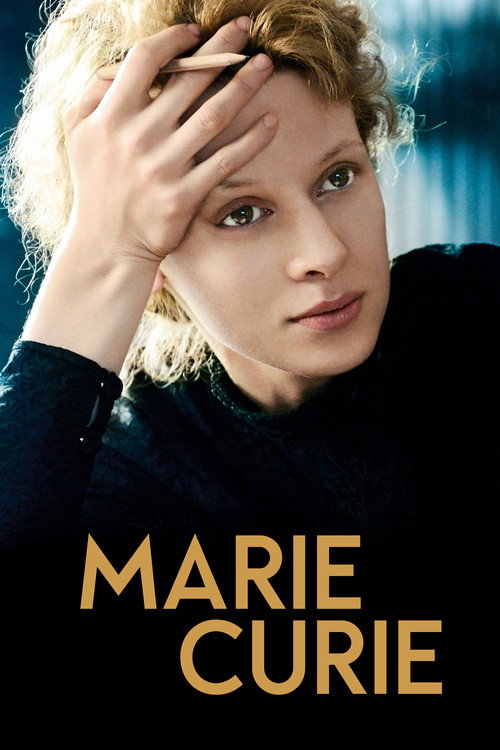
Marie Curie2016
Greer Garson as the scientist and her husband Pierre, wrestling with genius, discovery, and the personal cost of ambition. It's a similar emotional register—the woman who stands behind the great man, the stakes that matter beyond the lab.
But It's even more melodramatic than Bell's film, and the science itself takes a backseat to the marital drama.
Not sure tonight? Get a pick in a minute, starting from The Story of Alexander Graham Bell
The wildcard
Something you would not have found on your own.
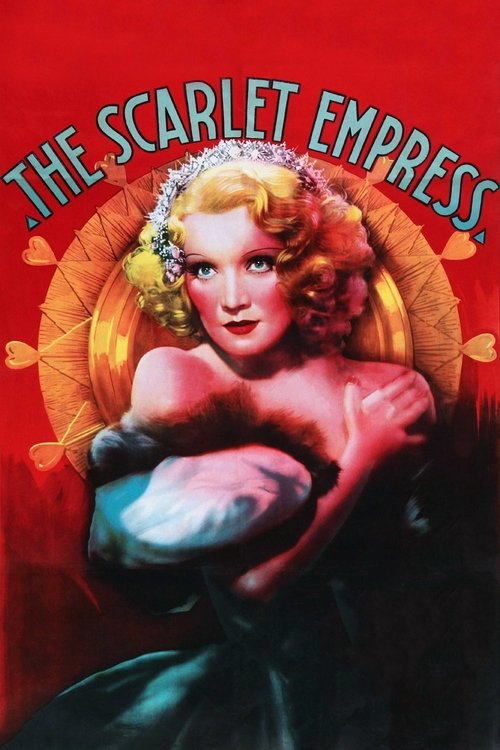
The Scarlet Empress1934
Both are biopics about the pursuit of greatness, but Sternberg uses the form to explore desire and ego where the Bell film explores duty and progress.
Marlene Dietrich as Catherine the Great, but this is Josef von Sternberg's visionary fever dream, not historical record. It's about ambition, seduction, and the machinery of power—the same themes as Bell, but rendered as baroque expressionist cinema instead of earnest biography. Visually stunning in ways the Bell film doesn't attempt.
But It's stylized to the point of artificiality; if you're watching for historical accuracy or straightforward narrative, you'll be frustrated.
More like this (7)
The Wright Brothers1997
A contemporary newsreel and early documentary footage capturing Wilbur and Orville Wright's actual flights at Kitty Hawk. You're watching the moment itself—no actors, no invention of drama. Raw and moving in ways fiction can't match.
But It's only five minutes long and silent, so expectations need recalibrating entirely from the Bell film.
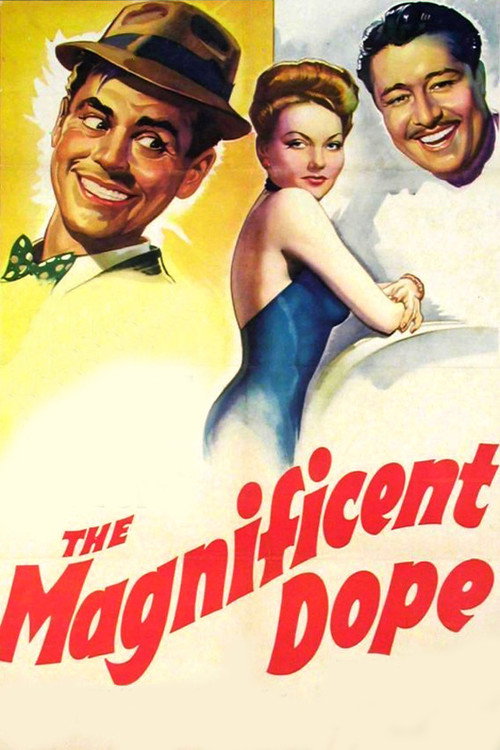
The Magnificent Dope1942
Don Ameche again, this time in a lighter role—a con man and a rube trading places. If you want to see him outside the earnest hero space, this shows his comic timing and charm in a completely different register.
But It's a B-picture with modest ambitions; there's no grand theme about invention or American progress here.
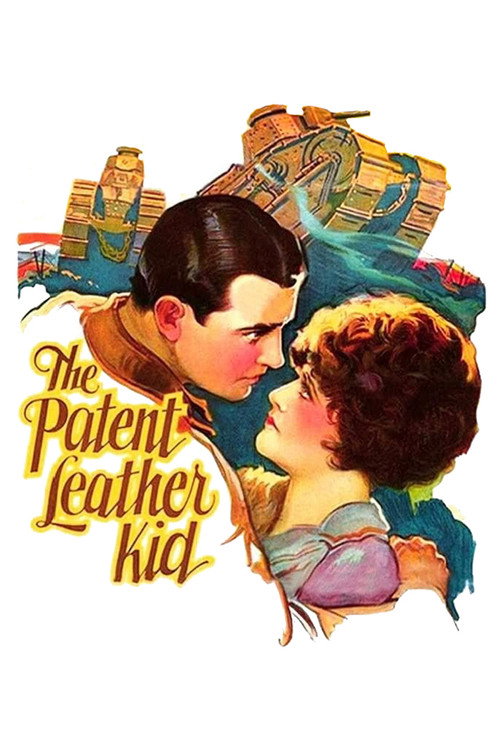
The Patent Leather Kid1927
A silent film about a boxer learning humility and duty during World War I, it captures that same early-talkie sincerity about hard-won character growth. The melodrama is pure, unapologetic, and genuinely moving if you're attuned to it.
But Being silent, it requires a different pace of attention, and the boxing sequences look quaint by modern standards.
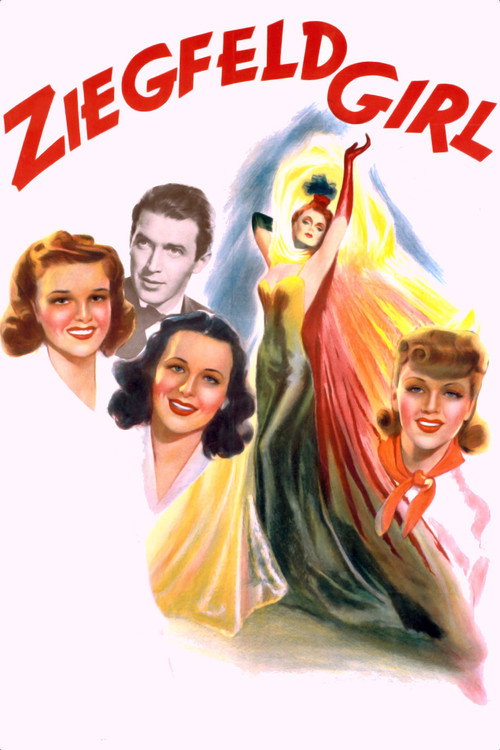
Ziegfeld Girl1941
An ensemble backstage drama with Hedy Lamarr and James Stewart, it's MGM at peak production value. Like Bell, it's about ambition and sacrifice, but filtered through entertainment rather than invention—less stuffy, more glamorous.
But It's a showcase for spectacle over substance, and the narrative threads don't always land with equal weight.
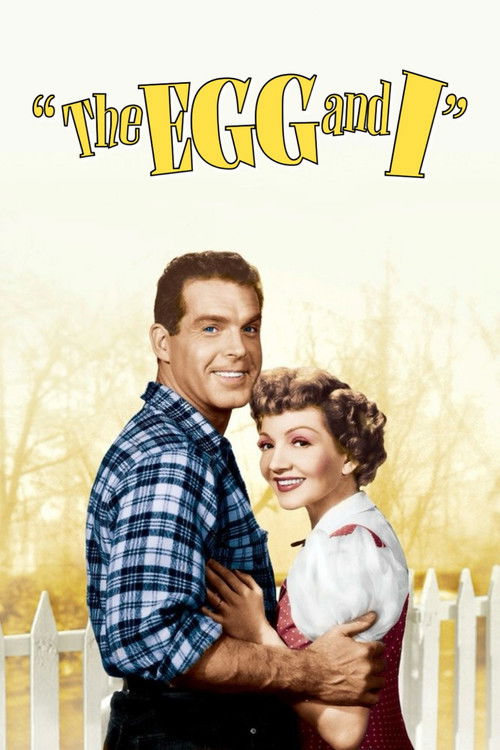
The Egg and I1947
Claudette Colbert and Fred MacMurray in a comedy about marriage and rural life, it shares the Bell film's interest in how ambition and love collide. But it's funny—genuinely, warmly funny—rather than solemn about it.
But The tone is considerably lighter, so if you're drawn to Bell for its period gravitas, this might feel too breezy.
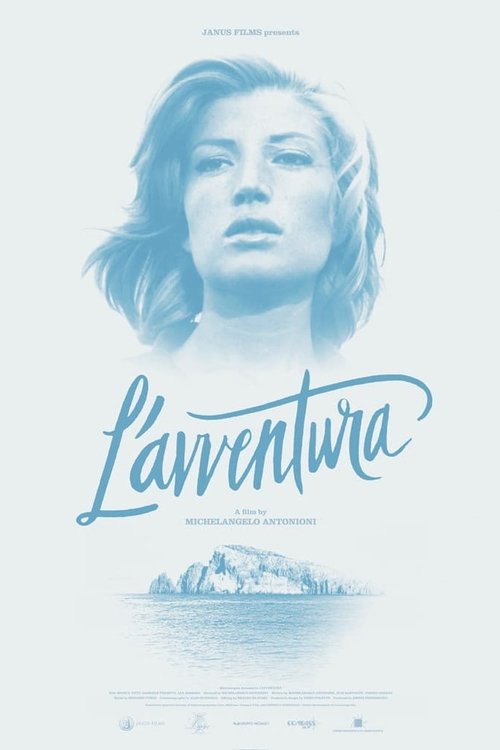
L'Avventura1960
The Bell film is about humanity's triumph in inventing connection; Antonioni asks whether invention can cure the loneliness it was meant to solve.
Michelangelo Antonioni's three-hour meditation on modernity, alienation, and whether connection is even possible. It's slow cinema about people adrift in technological society. Not a biography, not American, not reassuring—but it asks the inverse question of what the telephone's promise actually meant.
But It's deliberately paced, plotless, and ends without resolution. It will feel like nothing happens, and that's the entire point.
Singin' in the Rain1952
Both celebrate the moment sound technology transformed culture, but one does it through earnest biography and one through ecstatic dance.
Gene Kelly, Donald O'Connor, and Debbie Reynolds in what many call the greatest musical ever made. It's also, buried under the tap dancing and joy, about the technology of sound changing everything—how the talkies forced the industry to remake itself. Similar era, similar themes, utterly different energy.
But If musicals feel like a detour from drama, this is 103 minutes of pure genre commitment. No apologies, no realism.

People
Cast
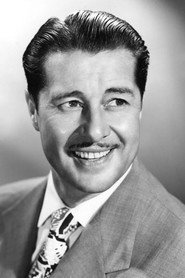 Don AmecheAlexander Graham Bell
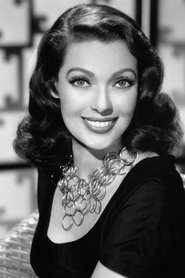 Loretta YoungMrs. Mabel Hubbard Bell
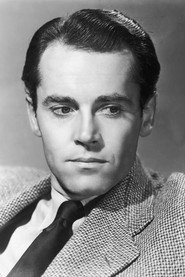 Henry FondaThomas Watson
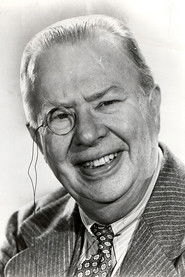 Charles CoburnGardner Hubbard
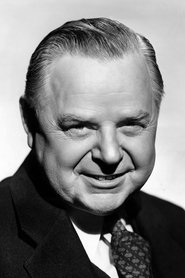 Gene LockhartThomas Sanders
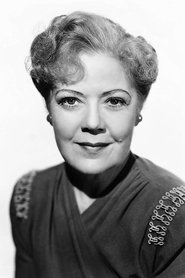 Spring ByingtonMrs. Hubbard
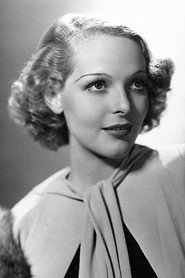 Sally BlaneGertrude Hubbard
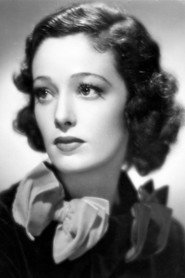 Polly Ann YoungGrace Hubbard
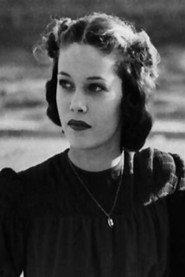 Georgiana YoungBerta Hubbard
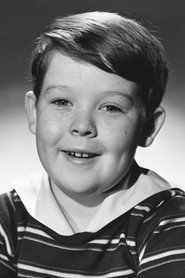 Bobs WatsonGeorge Sanders
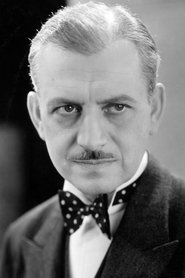 Russell HicksMr. Barrows
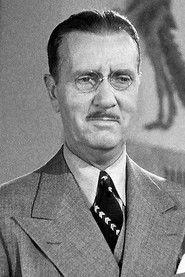 Paul StantonChauncey Smith
Directing
- Ad SchaumerAssistant Director
- Irving CummingsDirector
Writing
- Lamar TrottiScreenplay
- Ray HarrisStory
Production
- Kenneth MacgowanAssociate Producer
- Darryl F. ZanuckProducer