
Film
The Last Vermeer
A tense postwar mystery about a Dutch resistance fighter investigating Nazi-looted masterpieces, centred on a charismatic forger and a Vermeer sold to the Reich. Handsomely mounted, deliberately paced, it offers the intellectual pleasures of art-world intrigue wrapped in moral ambiguity. For viewers who enjoy procedural patience and questions without easy answers.
Should you watch it?
Watch it if you enjoy courtroom-style moral sparring and stories where a clever fraud forces everyone to question who the real villains are, especially when the wit stays sharp even as the postwar setting darkens.
Skip it if you want a brisk thriller, since this is a measured, talky film that spends much of its two hours on interviews, hearings and quiet manoeuvring rather than on action.
What it asks of you: Settle in for just under two hours of patient, dialogue-led scenes, with the tone shifting between dry humour and the grim aftermath of war as the investigation unfolds.
Not sure? Find tonight's pick in a minute.
If you liked this
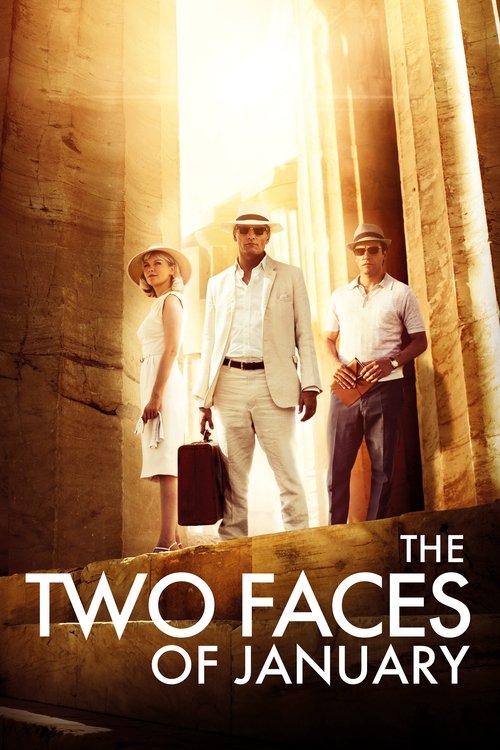
The Two Faces of January2014
Viggo Mortensen and Oscar Isaac navigate Mediterranean crime and deception in this languid, morally slippery thriller. Like *The Last Vermeer*, it's less interested in plot momentum than in watching intelligent people lie to one another.
But It moves at a funeral pace and resists clear heroes or villains. If you need your thriller to climax, this will frustrate you.
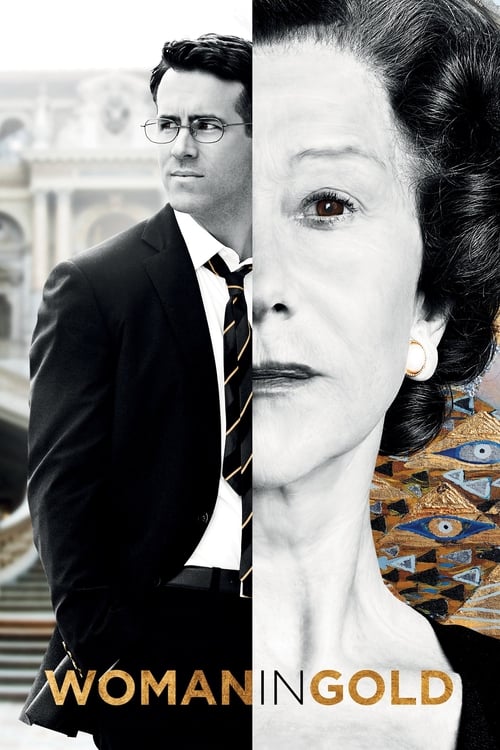
Woman in Gold2015
Helen Mirren pursues a stolen Klimt through postwar bureaucracy and memory. Both films balance personal obsession with institutional resistance, and both argue that some truths demand more than legal victory.
But The sentiment can tip into earnestness. Some will find the resolution too tidy for the moral complexity it proposes.
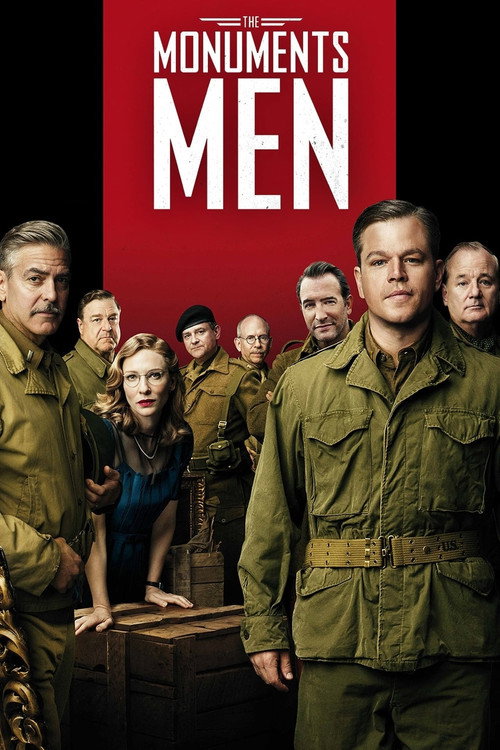
The Monuments Men2014
George Clooney's ensemble chases stolen art across Europe at war's end. Shares the same historical moment and the puzzle of recovering beauty from catastrophe, with more humour and warmth.
But It's considerably lighter and more Hollywood-shaped. If you want a less compromised view of postwar reckoning, you'll find that here is softened.
Not sure tonight? Get a pick in a minute, starting from The Last Vermeer
The wildcard
Something you would not have found on your own.
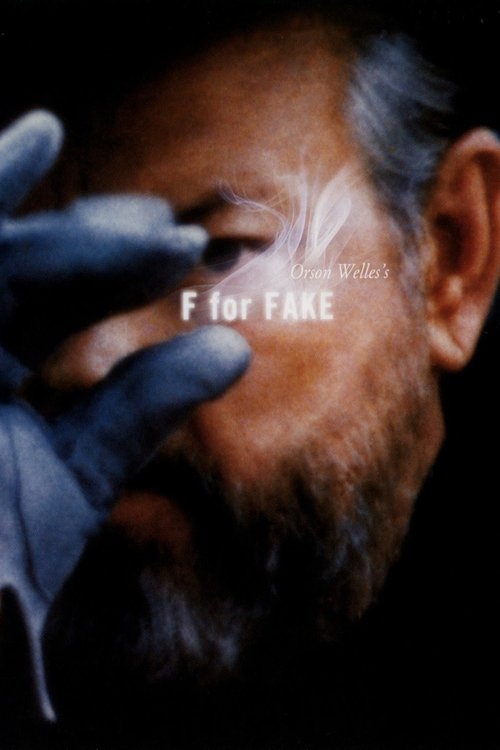
F for Fake1973
Both are obsessed with the gap between authenticity and convincing reproduction, and with the seduction of a good story over a true one. Welles shows why forgery works; *The Last Vermeer* shows why we care when it fails.
Orson Welles' essay-film about forgery, illusion, and the mechanics of belief. A meditation on how authentication itself is a kind of theatre, and who decides what's real. Structurally it's the inverse of *The Last Vermeer*: Welles celebrates the forger's ingenuity and the viewer's gullibility.
But It's a 1973 experimental essay, not a narrative. Welles speaks to you directly, the form dissolves, and the meaning is hidden in montage and misdirection. If you want plot, this will seem like cinema playing tricks on you.
More like this (6)
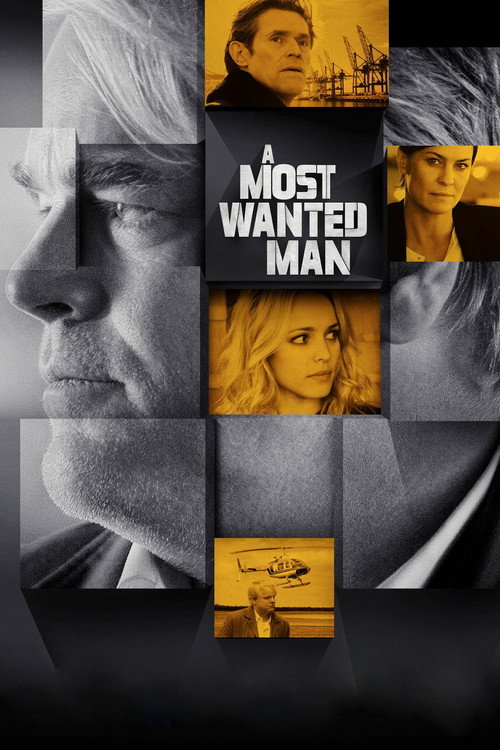
A Most Wanted Man2014
le Carré's spy craft transplanted to post-9/11 Hamburg. Like *The Last Vermeer*, it's about systems of investigation where bureaucracy and morality collide, and nothing resolves cleanly.
But Philip Seymour Hoffman's final film carries grief in it. The ending offers no catharsis, only compromise, which some will find bleak rather than honest.
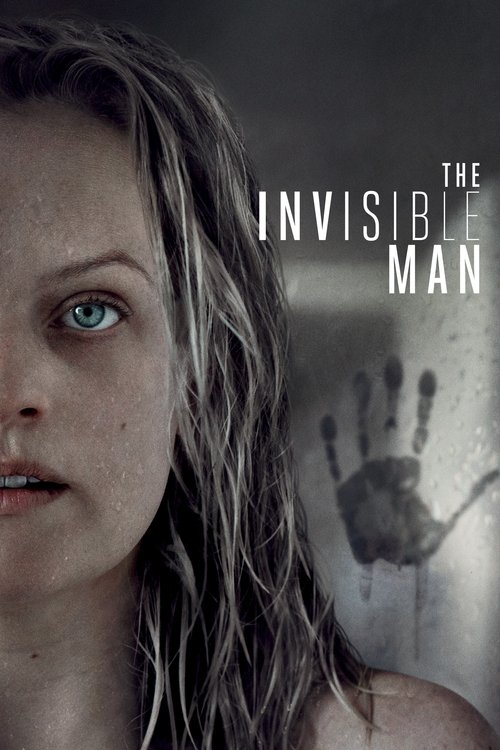
The Invisible Man2020
Elisabeth Moss hunted by what cannot be seen. Both films use historical or invisible threats to examine how institutions fail to protect us, and how we're forced to become detectives of our own survival.
But This is a modern Australian horror-thriller with political fury, nothing like *The Last Vermeer* in tone. The shift might feel jarring if you're seeking period continuity.
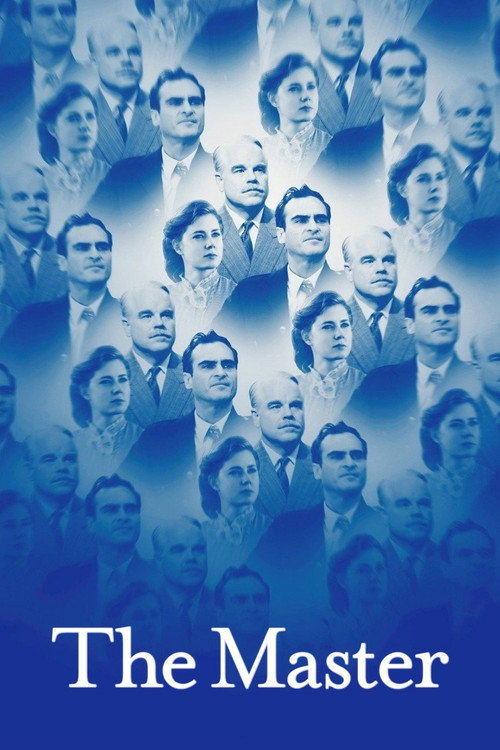
The Master2012
Paul Thomas Anderson's study of two men circling a charismatic lie. Like the forger and his investigator, it's built on the question of who's being seduced by whom, and what belief costs.
But It's abstract and demanding, more interested in performance and psychology than plot. If you want narrative clarity, this won't provide it.
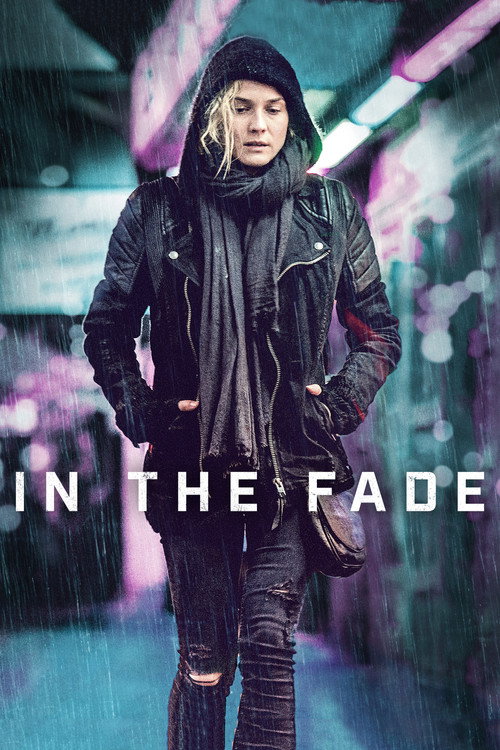
In the Fade2017
Diane Kruger searches for justice after terrorism. Both are European dramas about the limits of institutional investigation, and both understand that knowing the truth doesn't necessarily mean surviving it.
But It's bleak and offers no redemption. The violence is not abstracted. Some viewers will find it too dark, too unresolved, too much.
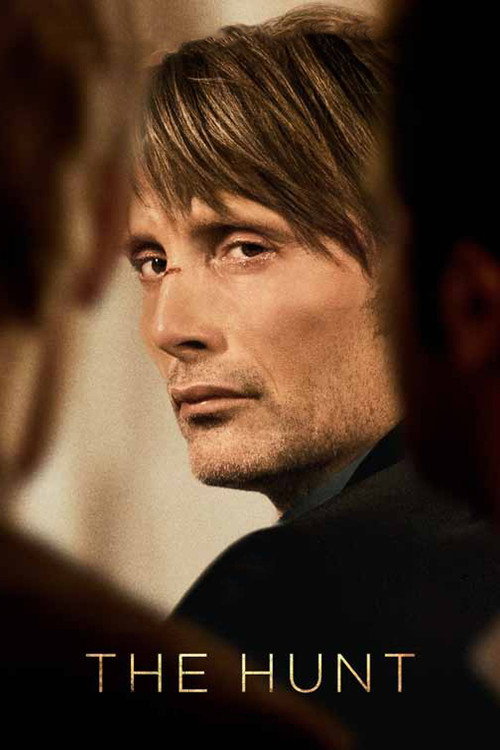
The Hunt2012
Mads Mikkelsen accused of a crime he didn't commit in a small Danish town. A study of how investigation can become persecution, and how innocence offers no protection from collective certainty.
But The accusation is sexual and involves a child. Even knowing the truth, the film refuses to fully restore dignity. It's punishing in ways some will find unnecessary.
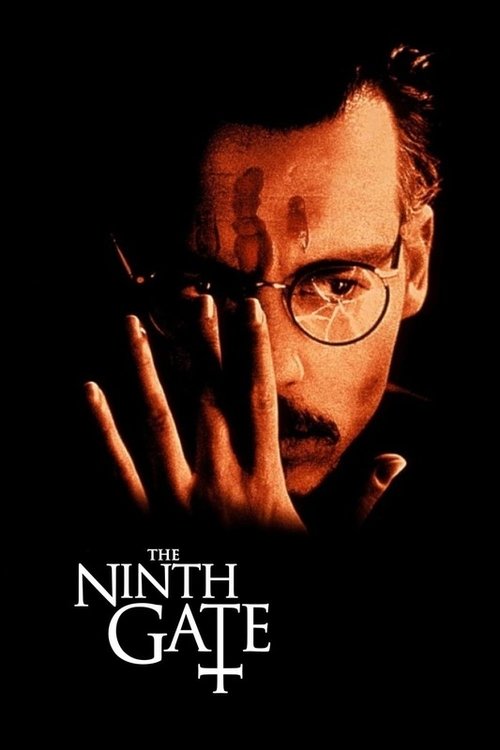
The Ninth Gate1999
Both are about investigators who become entangled in the objects they're pursuing, and neither trusts its audience enough to explain everything. The real art is in the mystery, not the answer.
Johnny Depp as a rare-book detective hunting a cursed manuscript through European shadow-worlds. Roman Polanski's baroque mystery-thriller shares the same texture: obsessive scholarship, continental intrigue, and the question of whether the prize is real or whether the search itself is the trap.
But It's a 90s Polanski film with supernatural overtones and misdirection. The plot wobbles, the resolution is ambiguous, and it traffics in occult aesthetics rather than realism. If you want clarity or modernity, steer elsewhere.
People
Cast
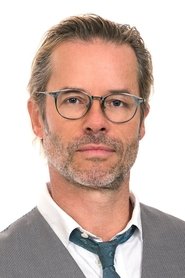 Guy PearceHan van Meegeren
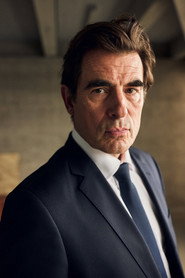 Claes BangJoseph Piller
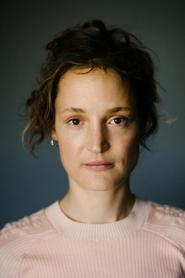 Vicky KriepsMinna Holmberg
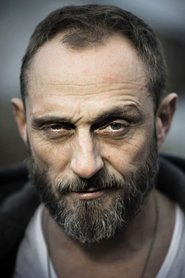 Roland MøllerEsper Dekker
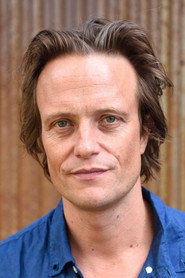 August DiehlAlex De Klerks
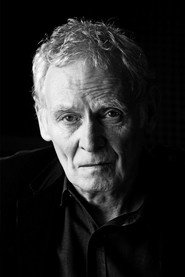 Karl JohnsonBernard Bakker
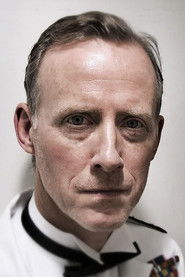 Andrew HavillMaarten Wooning
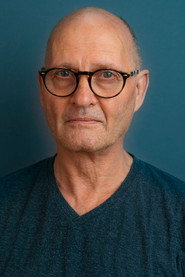 Paul BentallChief Judge
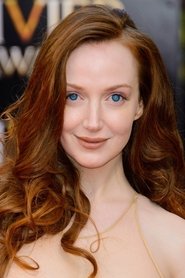 Olivia GrantCootje Henning
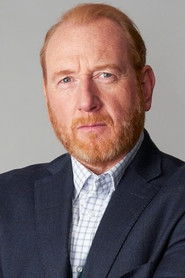 Adrian ScarboroughDirk Hannema
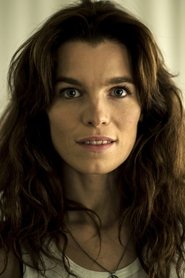
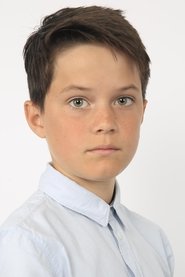 Tom MulheronFinn
Directing
- Josie MorganAssistant Director
- Dan FriedkinDirector
- Richard GoodwinFirst Assistant Director
- Frazer Fennell-BallSecond Assistant Director
Writing
- Jonathan LopezBook
- Hawk OstbyScreenplay
- John OrloffScreenplay
- Mark FergusScreenplay
Production
- Kate RingsellCasting
- Richard GoodwinCo-Producer
- Gino FalsettoExecutive Producer
- Peter HeslopExecutive Producer
- Ridley ScottExecutive Producer
- Elwin LooijeLine Producer
- Bradley ThomasProducer
- Dan FriedkinProducer
- Ryan FriedkinProducer
- Sabine BrianProducer