
Film
The Descent: Part 2
The Descent: Part 2 traps you underground again with claustrophobia, creature carnage, and the kind of relentless dread that doesn't let up. It's a lean, efficient horror film that trades subtlety for pure survival instinct. For anyone who wants their scares served with genuine tactical peril and minimal mercy.
Should you watch it?
Watch it if you loved the claustrophobic dread of the first film and want its sequel to double down on frantic, blood-soaked momentum rather than slow-build atmosphere, with a sharp, lean sense of scares.
Skip it if you need a film that rests on character work or quiet moments, since this one barrels forward with chases, panic and gore and rarely lets the tension breathe.
What it asks of you: Ninety-odd minutes of nearly nonstop running, screaming and dark tunnels, so bring a strong stomach and be ready to stay tense for the whole ride.
Not sure? Find tonight's pick in a minute.
If you liked this
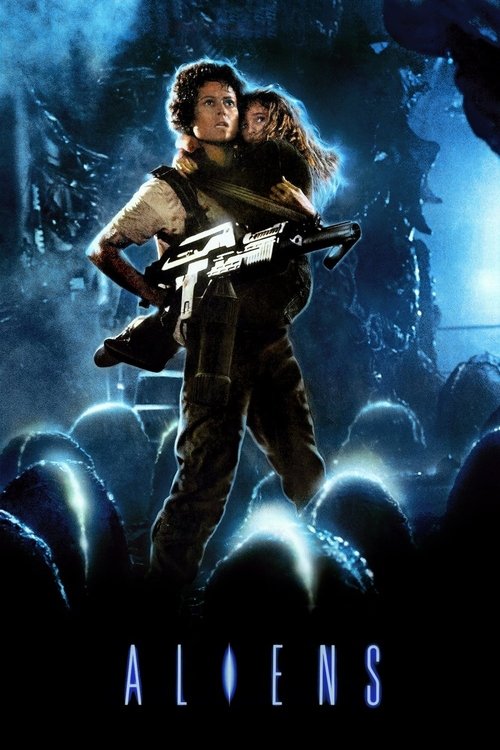
Aliens1986
James Cameron's masterclass in escalating tension: a small team versus overwhelming odds in an alien nest. The same engine as Descent—claustrophobia, teamwork dissolving under pressure, creatures that are tactically smart and merciless.
But It's 137 minutes and belongs to a franchise that didn't need a sequel. The pacing can feel slow if you're expecting nonstop action.
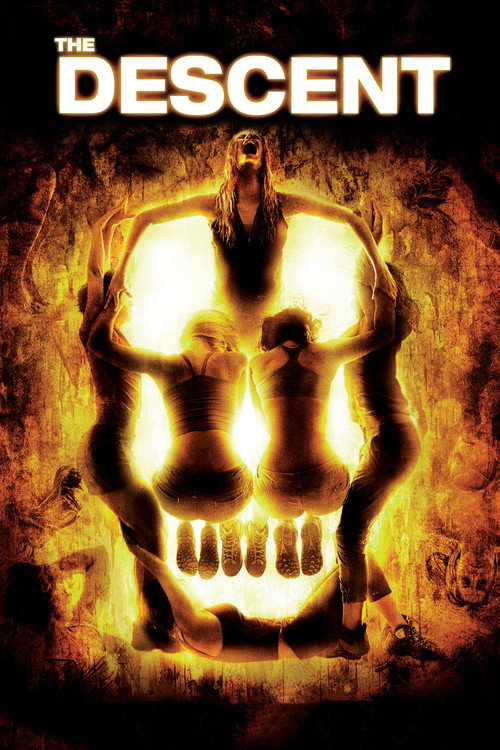
The Descent2005
The first film is why this one exists, and it's essential viewing—tighter, smarter, genuinely inventive. You need it to understand what Part 2 is trying to do and why the claustrophobia cuts so deep.
But If you've already seen it, you won't get the visceral shock of discovering those creatures for the first time. It can't be recaptured.
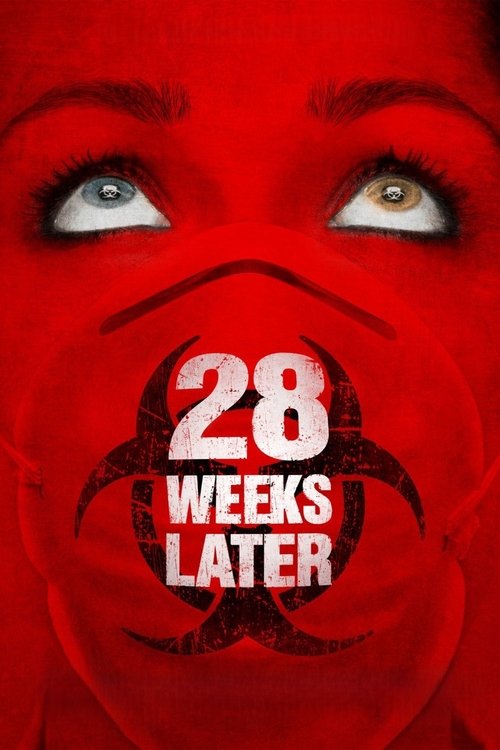
28 Weeks Later2007
Juan Carlos Fresnadillo brings kinetic, anxious energy to outbreak horror. The infected aren't intelligent, but the siege mentality and collapse of safe spaces mirrors Descent's suffocating pressure cooker perfectly.
But It's more action-focused than horror-focused, and some of the military tactics feel unrealistic. The tone can swing tonally in ways that undercut the dread.
Not sure tonight? Get a pick in a minute, starting from The Descent: Part 2
The wildcard
Something you would not have found on your own.
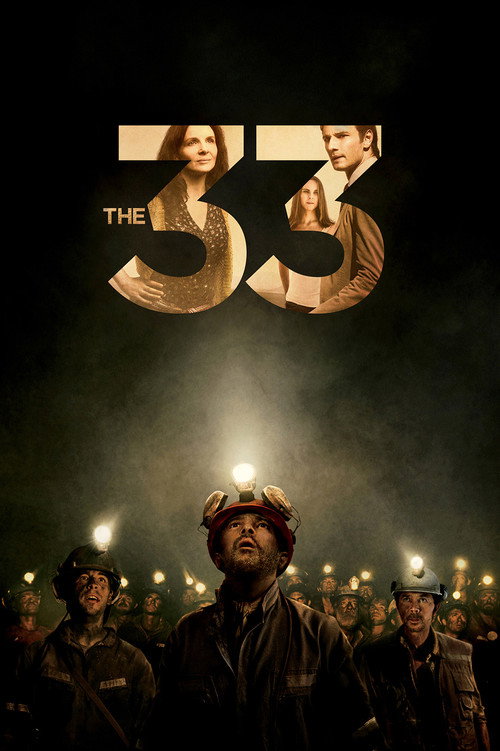
The 332015
Both trap characters underground in impossible situations and ask how long the human mind holds together. Where Descent uses horror, The 33 uses geology and geology alone.
True story of the Chilean miners trapped 700 meters underground. It shares Descent's suffocating entrapment and desperation, but the opposite register—documentary-style, grounded in real survival procedure and human endurance. No creatures, just the weight of rock.
But It's a procedural that moves slowly and deliberately. If you want action and terror, this is meditative and focused on patience, faith, and waiting. Some find it dull; others find it profound.
More like this (8)
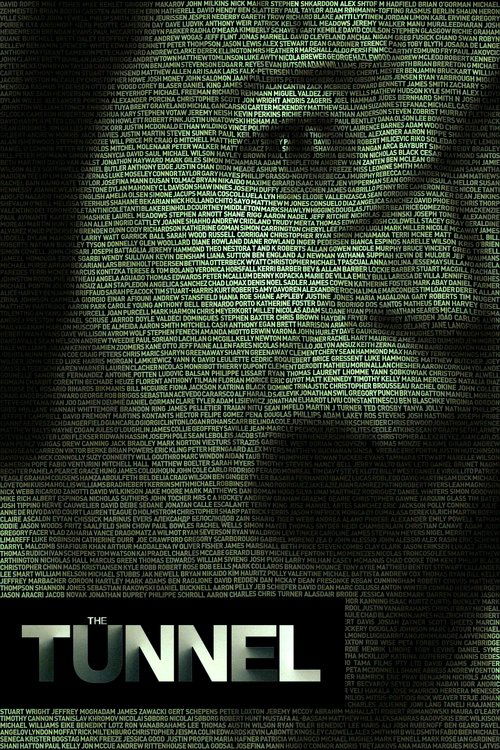
The Tunnel2011
Australian horror that traps you in underground tunnels with genuine claustrophobia and social breakdown. Found-footage style, low budget, and it never gives you a moment to breathe or think clearly.
But The found-footage conceit is dated now. The handheld camera work is deliberately disorienting, which some find unwatchable rather than immersive.
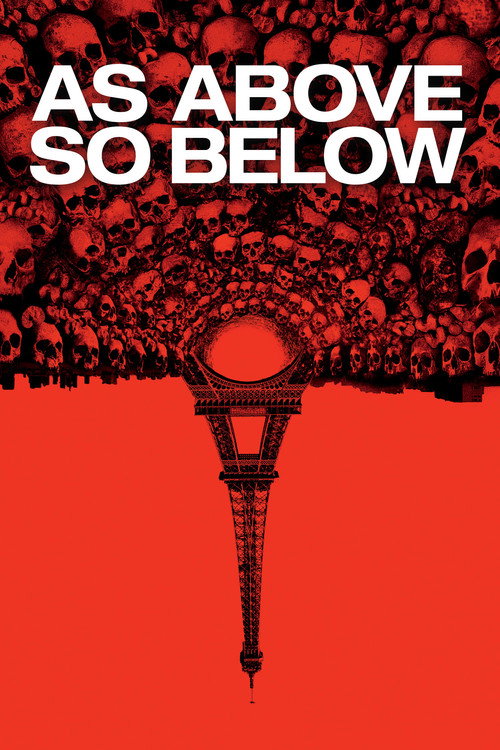
As Above, So Below2014
Another descent into Paris catacombs with found-footage dread, moral weight, and the sense that going deeper means losing your mind. It's ambitious about what underground horror can symbolize beyond just physical threat.
But It gets increasingly surreal and abstract. If you want grounded survival horror, it abandons that contract halfway through and goes metaphysical.
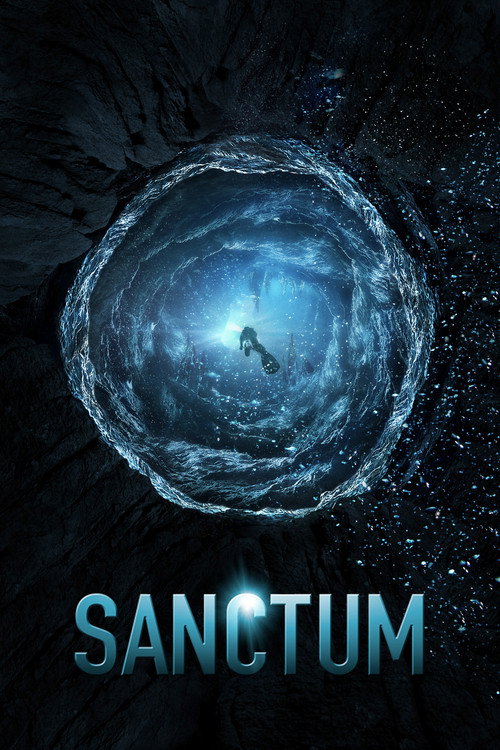
Sanctum2011
James Cameron produced this cave-diving thriller that nails the specific terror of running out of air and being lost in unmapped underground systems. Real claustrophobia, real stakes, real geology involved.
But It's more survival procedural than horror film. The 3D conversion is aggressive and distracting, and the family drama subplot feels tacked on.
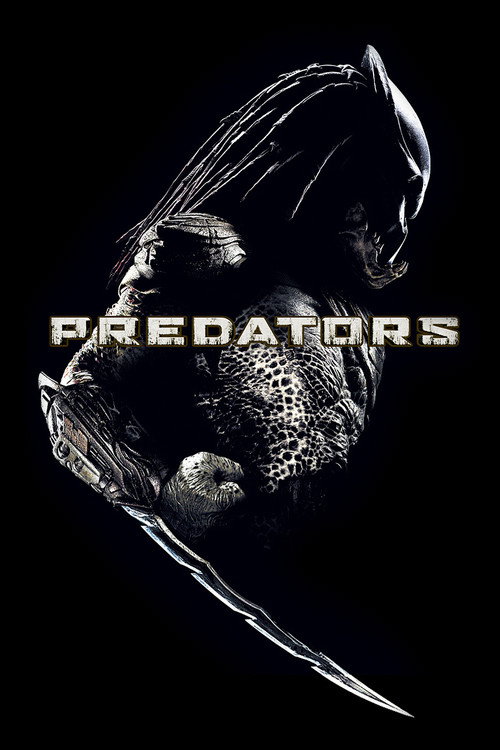
Predators2010
A trapped team facing intelligent, lethal hunters in hostile terrain. It's survival horror without supernatural elements—just tactics, fear, and the realization that you're not equipped for this. Sharp, mean-spirited fun.
But It's dependent on your affection for the Predator franchise. If you come in cold, it's a well-made but disposable action movie in an unfamiliar universe.
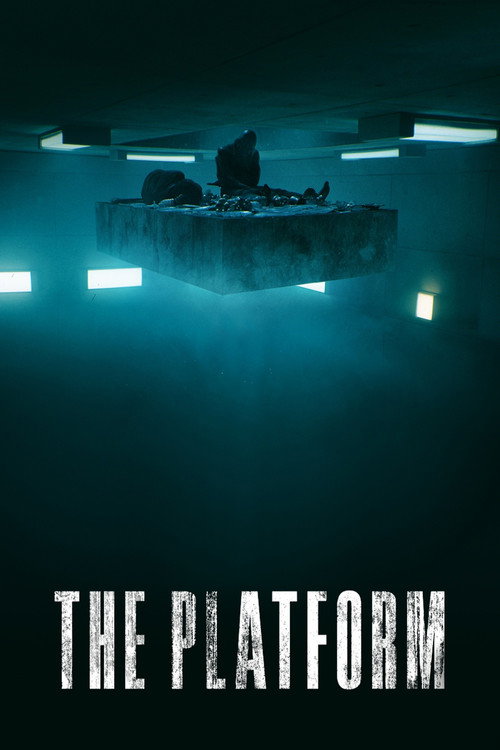
The Platform2019
Spanish sci-fi horror that uses a vertical prison to explore the same themes as Descent—desperation, resource scarcity, the speed at which civility collapses. Utterly original premise, genuinely unsettling.
But It's bleak and repetitive by design. The allegory can feel heavy-handed, and it doesn't resolve so much as exhaust you.
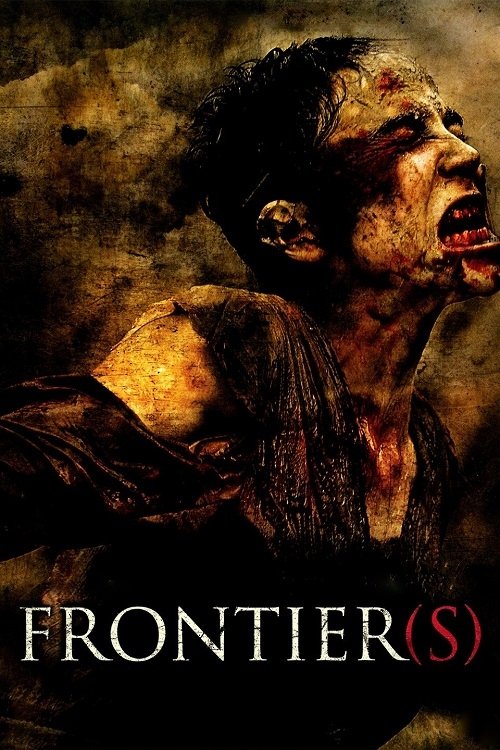
Frontier(s)2007
French extreme horror about a group cornered in hostile territory. It has the same breakneck pacing and the same sense that nobody's getting out of this intact. Uncompromising and visceral.
But It's genuinely transgressive—some viewer thresholds won't survive it. It's exploitation horror done with real conviction, which means it's not for casual viewing.
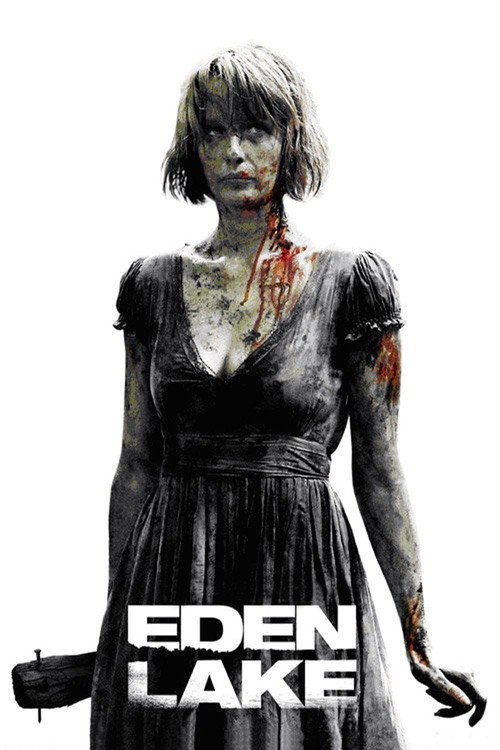
Eden Lake2008
Both abandon the idea of escape or victory. Instead they ask: how much violence can a human being absorb and still survive it? The creatures in Descent are mirrors for human cruelty.
South African horror-thriller about a couple hunted on land they don't control by people who move like a coordinated pack. It has Descent's sense of asymmetric threat and the same logic: you are not winning this. It gets worse instead of better.
But It's aggressively bleak and punishes goodwill. The villain isn't a monster—it's organized human malice, which for some is harder to stomach. It doesn't offer catharsis.
Requiem for a Dream2000
Both use physical spaces and mounting pressure as metaphors for psychological entrapment. Descent is horror about caves; this is horror about the cave inside your head.
Darren Aronofsky's descent into addiction uses claustrophobia and desperation as pure cinematic language. It's not about being hunted; it's about being trapped by your own mind. The editing, pacing, and visual repetition create the exact suffocation Descent achieves through caves.
But It's bleak to the point of devastating. There are no jump scares, just the slow collapse of four people's lives. It requires emotional stamina and it doesn't offer relief.

People
Cast
 Shauna MacdonaldSarah Carter
 Natalie MendozaJuno Kaplan
 Gavan O'HerlihyVaines
 Josh DallasGreg
 Anna SkellernCath
 Saskia MulderRebecca Vernet
 Krysten CummingsEllen Rios
 Michael J. ReynoldsEd Oswald
 Jessika WilliamsSusanne Small
 Doug BallardDoctor Roger Payne
- Josh ColeLynch
Directing
- Jon HarrisDirector
- Jack RavenscroftFirst Assistant Director
- Harriet WorthSecond Assistant Director
- James WatkinsSecond Unit Director
Writing
- J BlakesonScreenplay
- James McCarthyScreenplay
- James WatkinsScreenplay
Production
- Gail StevensCasting
- Kelly Valentine HendryCasting Associate
- Cameron McCrackenExecutive Producer
- François IvernelExecutive Producer
- Neil MarshallExecutive Producer
- Paul SmithExecutive Producer
- Steve MortimoreLocation Manager
- Christian ColsonProducer
- Ivana MacKinnonProducer
- Paul RitchieProducer
- Alison BanksProduction Manager