
Film
The Cockettes
The Cockettes were San Francisco's gleeful anarchists of gender and propriety, a sprawling troupe of drag performers, trans artists, and queers who burst into mainstream consciousness in the early 1970s with sequins, chaos, and unshakeable joy. This documentary captures their dizzying rise, intimate friendships, and the cost of visibility. It's a love letter to beautiful outlaws who refused to apologize.
Should you watch it?
Watch it if you love ragged, joyful backstage stories about artists who made glamour out of thrift-store chaos and didn't care who was watching.
Skip it if you want a tidy, polished history with a clear narrative spine; this is loose, recollection-driven, and wanders from one anecdote to the next.
What it asks of you: A hundred minutes of vintage footage and reunion chatter, best taken slowly, letting affectionate memories pile up at their own loose pace.
Not sure? Find tonight's pick in a minute.
If you liked this
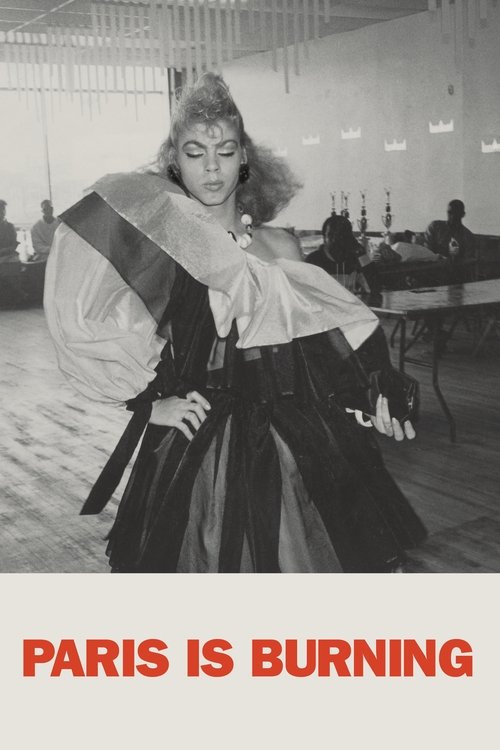
Paris Is Burning1991
Jennie Livingston's epochal documentary of New York's ballroom culture in the 1980s. Like The Cockettes, it's about performance as survival, chosen family, and the absolute refusal to be invisible. Mesmerizing and heartbreaking.
But It's a film about a community devastated by AIDS, poverty, and violence. The joy is real, but the sorrow is inescapable. Not a light watch.
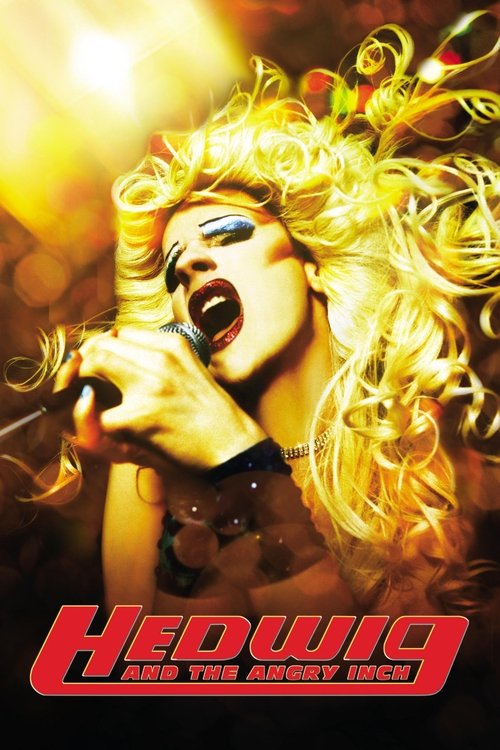
Hedwig and the Angry Inch2001
A gender-bending rock musical that channels the Cockettes' DNA: fearless, trashy, philosophical, and unafraid to blow up the stage. John Cameron Mitchell's film version pulses with the same ragged ecstatic energy.
But It's deliberately abrasive and anarchic—the music is deliberately grating at moments. If you want polish, look elsewhere. The rough edges are the point.
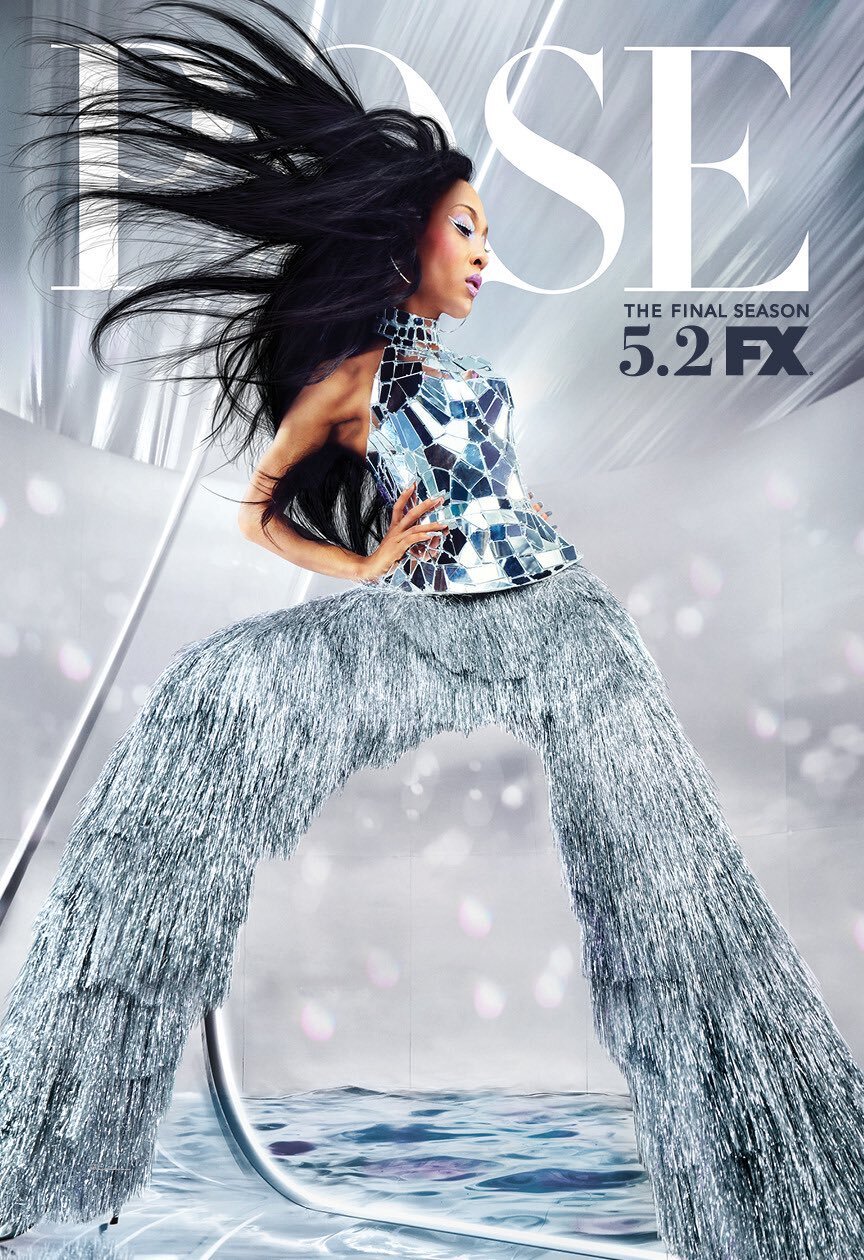
Pose2018
Ryan Murphy's series about 1980s ballroom culture in New York and the chosen families within it. It has the Cockettes' DNA: celebration of radical self-invention, fierce community bonds, and the way performance becomes survival. Gorgeously shot.
But It's more polished and earnest than anarchic, and sometimes leans toward network-friendly sentimentality. The Cockettes were weirder and messier.
Not sure tonight? Get a pick in a minute, starting from The Cockettes
The wildcard
Something you would not have found on your own.
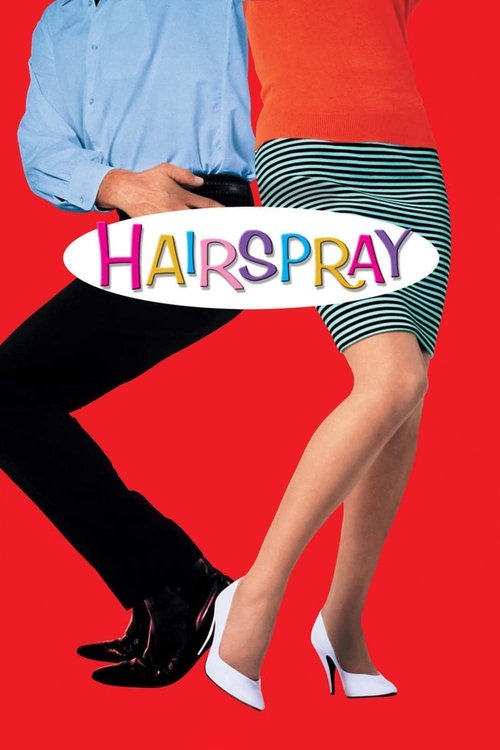
Hairspray1988
Both are documents of communities who understood that becoming what you truly are means defying the world's idea of decency. Waters and the Cockettes speak the same gospel of joyful monstrosity.
John Waters' musical about Baltimore's 1960s dance television show, where integration, weight acceptance, and radical self-expression are literally danced into being. Waters is the Cockettes' theoretical parent: he believed that the uncouth were more truthful than the refined.
But It's deliberately cheap and trashy, shot on a budget. The acting is broad. If you want craft, you might mistake this for incompetence. It's intentional.
More like this (7)
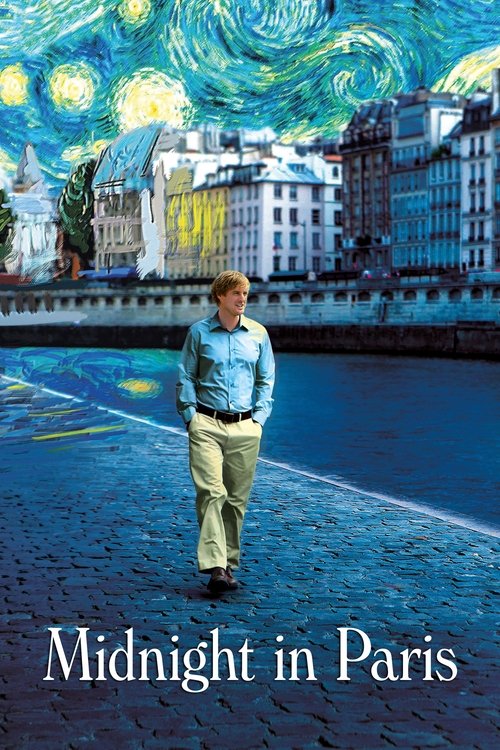
Midnight in Paris2011
A sideways recommendation: Woody Allen's fantasy about nostalgia for a lost era of bohemian freedom. The Cockettes embodied that same hunger to escape into a more liberated time and place, even if it was their own moment.
But It's Allen being Allen—whimsical, self-absorbed, set in Europe. Light as air. The Cockettes had stakes The film doesn't.
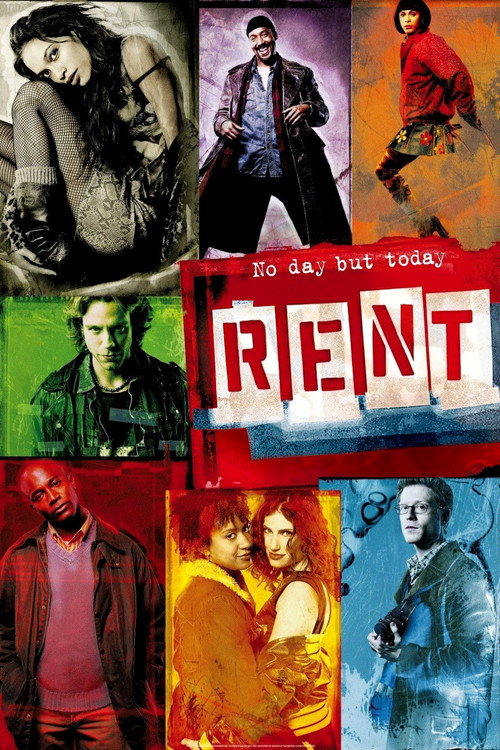
Rent2005
Jonathan Larson's musical about bohemians in 1980s New York, wrestling with desire, identity, and community. It's a direct spiritual descendant of the Cockettes' project: art as defiance, chosen family as salvation.
But The film version is visually flat and emotionally manipulative in a way that undercuts its own radical intentions. The stage production is much better.
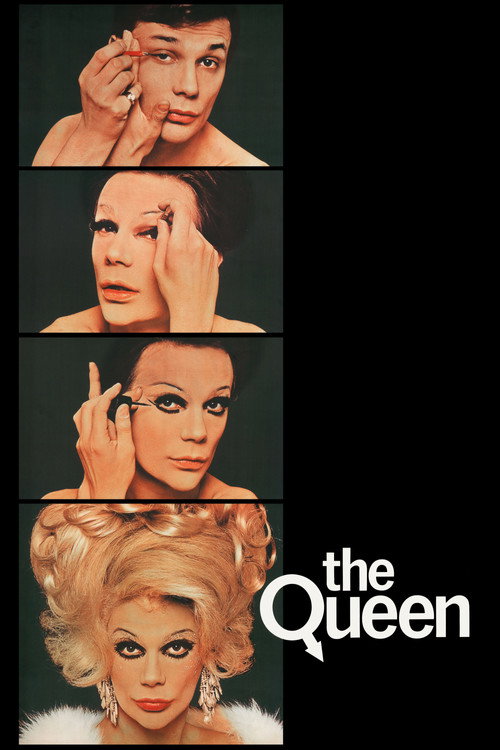
The Queen1968
Frank Simon's raw, unflinching documentary of the 1967 Miss All-American Camp Beauty Pageant. It captures trans and drag performers at a moment of vulnerability and performance, with the same intimate camera that The Cockettes uses.
But It's in black and white, shot in a grainy Super 8 style. The pacing is deliberate. Some will find it precious; others will find it essential.
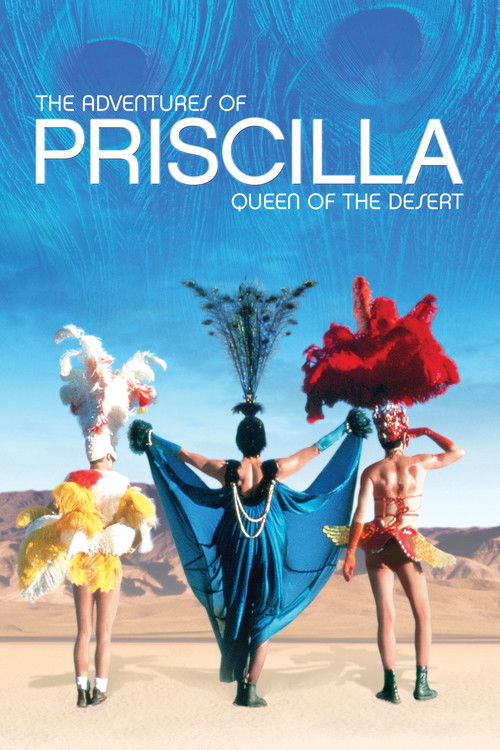
The Adventures of Priscilla, Queen of the Desert1994
A drag road trip through Australia. It's broader and campier than The Cockettes but shares the DNA: survival through performance, friendship forged in transformation, and the belief that being fabulous is its own form of rebellion.
But It's a mainstream comedy, not a documentary. Sometimes it feels like it's winking at its own queerness rather than living inside it.
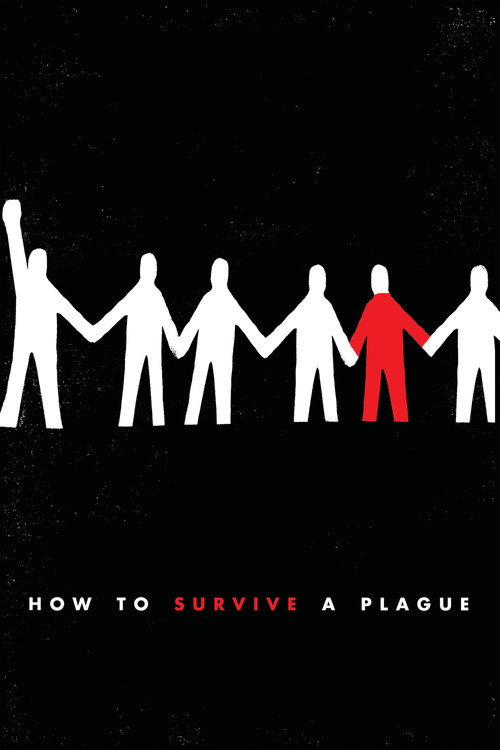
How to Survive a Plague2012
David France's documentary about ACT UP in the 1980s and 90s. Structurally and thematically linked to The Cockettes: communities forced into visibility, art as activism, friendship as resistance in the face of death.
But It's harrowing and political in ways that demand engagement. This is urgent, not escapist. Some will find it exhausting.
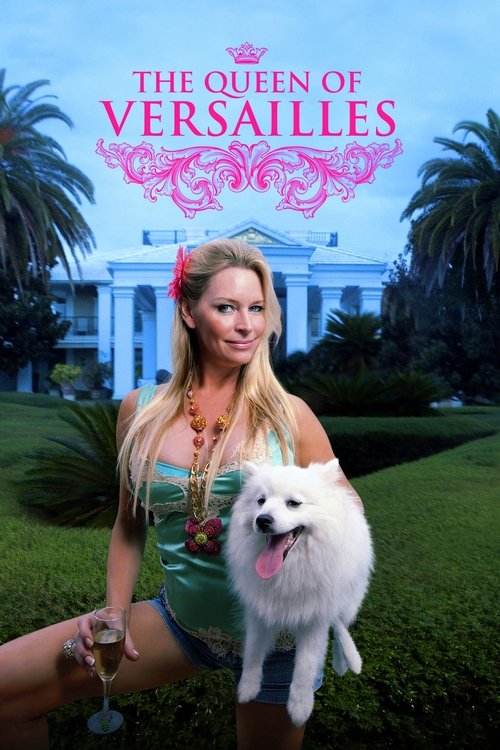
The Queen of Versailles2012
Both are about people who refuse to live within society's script. The Cockettes did it through radical visibility; the Greenfels through radical consumption. Both films are watching what happens when people insist on being absolutely, unapologetically themselves.
Lauren Greenfield's documentary about a billionaire couple building an obscene mansion during the 2008 financial collapse. It's a radical inversion: where The Cockettes used performance to resist the system, this film watches the system consume itself through performance.
But It's about wealth and excess, not queerness or art. Some will see it as just laughing at the rich, which is a valid criticism. It's more complex than that, but you have to meet it halfway.
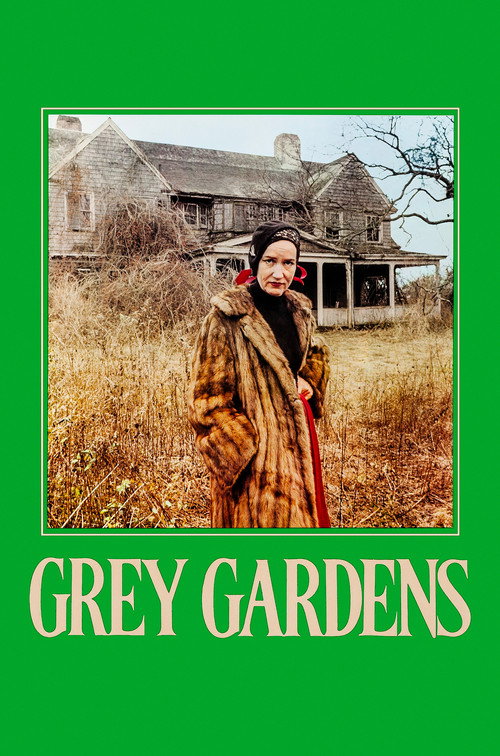
Grey Gardens1976
Both films document people whose performance of self is inseparable from their identity, their survival, and their resistance to the world's expectations. Both ask: where does authenticity end and performance begin? The answer is: nowhere. They're the same thing.
Albert and David Maysles' documentary of Big Edie and Little Edie, recluse aristocrats living in a decaying mansion on Long Island. It's intimate, grotesque, and absolutely transfixing—a record of two women performing wildly eccentric versions of themselves as survival.
But It's slow, claustrophobic, and uncomfortable. There's a predatory quality to watching the Edies; the film knows this and doesn't look away. It's genuinely unsettling.
People
Cast
- Larry BrinkinSelf
- Dusty DawnSelf
- Anton DunniganSelf
- John FlowersSelf
 Goldie GlittersSelf
- Ann HarrisSelf
- Fayette HauserSelf
- JilalaSelf
- Michael KalmenSelf
- Richard KoldewynSelf
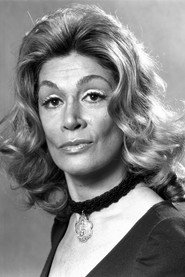 Sylvia MilesSelf
- Peter MintunSelf
Directing
- Bill WeberDirector
- David WeissmanDirector
Production
- David WeissmanProducer