
Film
Take the Lead
A seasoned ballroom dancer arrives at a rough New York public school to teach kids who've never touched dance. It's a feel-good story about dignity, discipline, and finding grace in unexpected places. Banderas brings genuine warmth to a mentor role that could've been rote, and the film never insults its young cast by making them punchlines.
Should you watch it?
Watch it if you love underdog stories built around rehearsal rooms, where a skeptical crowd slowly becomes a team and the dancing carries the emotional weight more than the dialogue does.
Skip it if you find inspirational school dramas predictable, since the film follows a familiar arc of resistance, breakthrough and triumph with few surprises along the way.
What it asks of you: Settle in for just under two hours of steady, warm-hearted drama, with the dance numbers doing much of the storytelling and the tone staying hopeful throughout.
Not sure? Find tonight's pick in a minute.
If you liked this
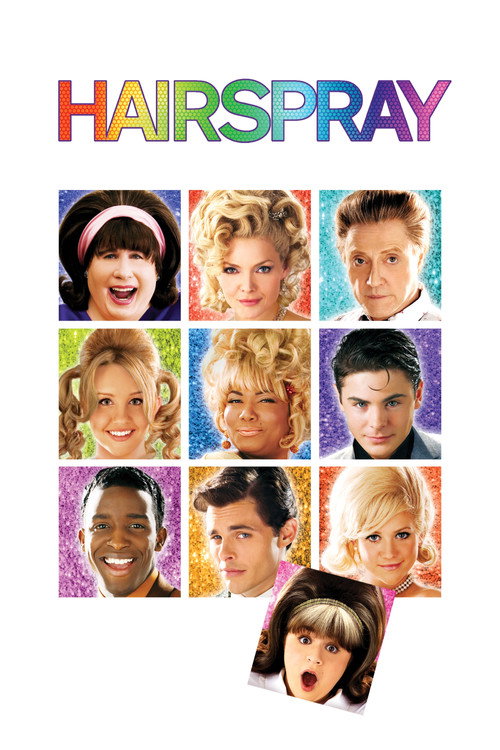
Hairspray2007
A joyful musical about dance, community, and integration that shares the same belief in rhythm as a force for transformation. The ensemble energy and the pleasure Banderas takes in movement are close cousins.
But If you want a contemporary setting without the musical numbers—this leans fully into Broadway spectacle and staginess, which some find exhausting.
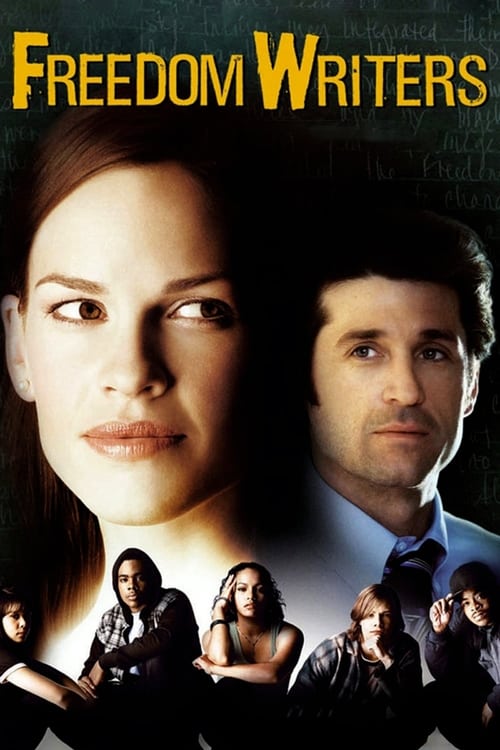
Freedom Writers2007
Another true story of a dedicated teacher reaching disengaged students through creativity and self-expression. It has the same earnest faith in human connection and the same willingness to let young people surprise you.
But The earnestness is sustained throughout with little irony or humour to break it up. Some viewers find that exhausting rather than inspiring.
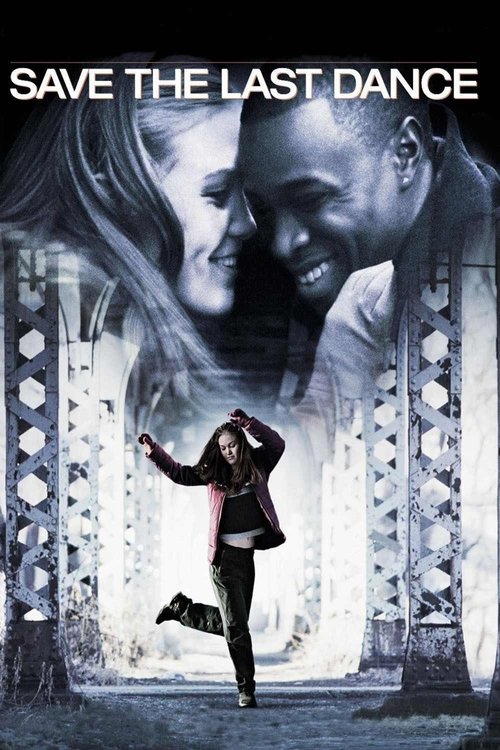
Save the Last Dance2001
A romance built around ballroom and hip-hop dance, with genuine joy in movement and a heroine who learns to let loose. The dance sequences are alive in a way that matters to the story.
But The romance plot feels obligatory, and the film softens some of its edges around class and race that deserve sharper treatment.
Not sure tonight? Get a pick in a minute, starting from Take the Lead
The wildcard
Something you would not have found on your own.
Strictly Ballroom1992
Both films understand ballroom as a lived practice, not just a backdrop. Both are about what happens when you teach the rules well enough that someone can break them beautifully.
A young dancer breaking rigid ballroom rules to dance his own way. The film is visually wild, anarchic, genuinely funny, and shot through with the same faith that dance is a language of freedom. Baz Luhrmann before spectacle became his whole personality.
But The style is aggressively theatrical and the satire of ballroom culture is broad and unsubtle. If you hate artifice in cinema, this will feel like too much.

More like this (8)
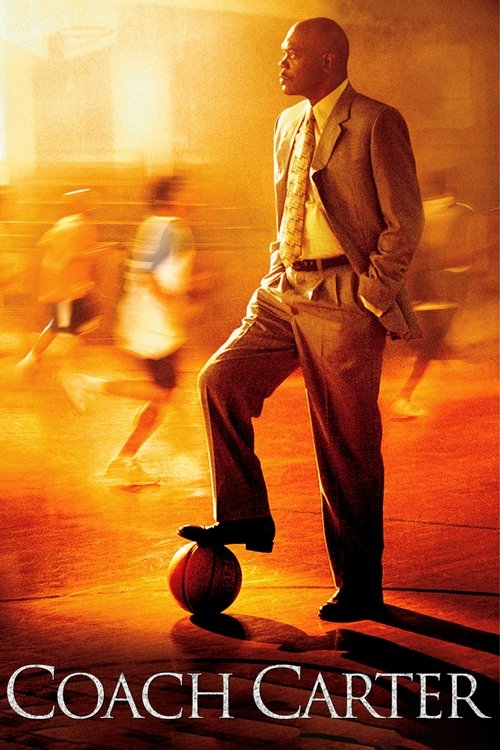
Coach Carter2005
Samuel L. Jackson as a coach who demands discipline and dignity from young men everyone else has written off. Like Take the Lead, it's about standards, respect, and what kids can achieve when someone believes in them.
But The sports-film formula is predictable—you know exactly which beats are coming and in what order.
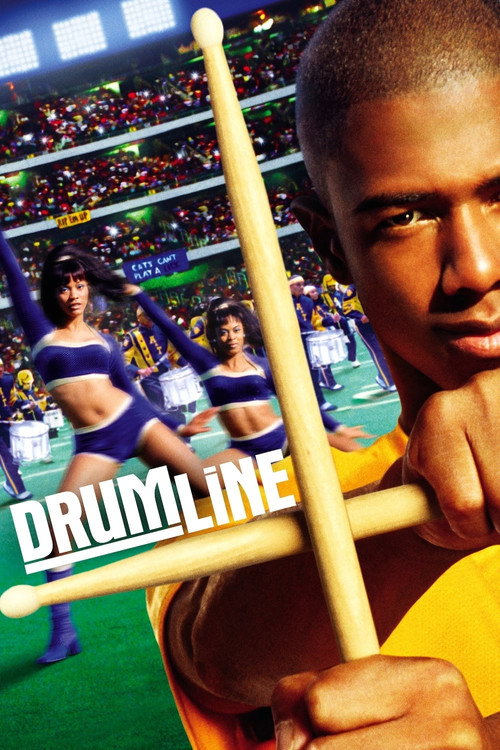
Drumline2002
A celebration of rhythm, discipline, and finding your tribe through music. It captures the intoxicating sense of belonging that Take the Lead reaches for, and treats its Black characters as fully realized people, not obstacles.
But The story is fairly thin and the climax relies on clichés about rivalry and redemption that feel unearned.
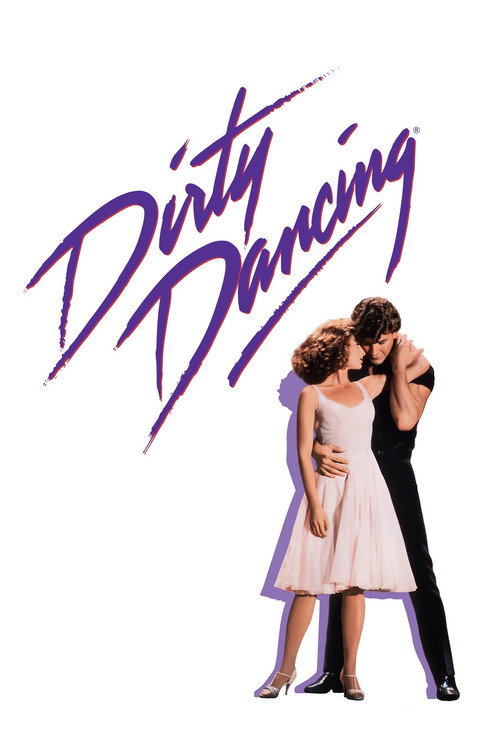
Dirty Dancing1987
The original dance-as-salvation film. It understands that learning to move is learning to feel, and that the body remembers things the mind won't acknowledge. Patrick Swayze is magnetic.
But The framing story is dated and flat, and the film stops the music whenever it needs to develop character, which slows momentum.
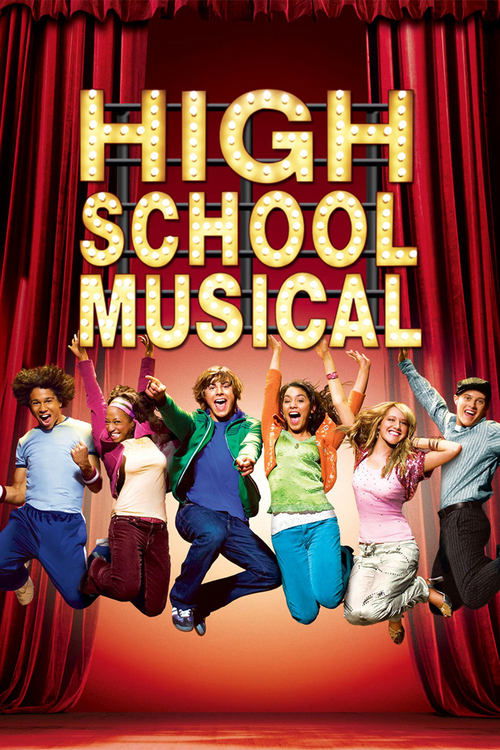
High School Musical2006
Made the same year as Take the Lead and powered by the same engine: the transformative magic of bringing a school together through song and dance. It's genuinely fun and never pretends otherwise.
But If you're older than fourteen and not in the mood for unironic sincerity, the Disney earnestness will feel cloying rather than charming.
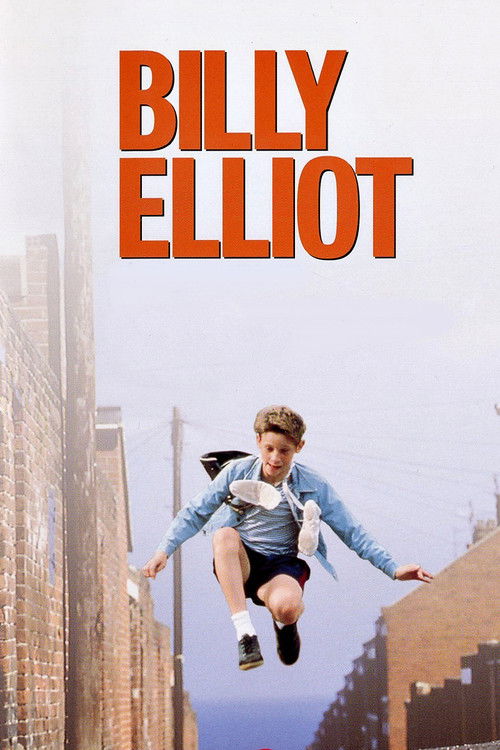
Billy Elliot2000
A boy in a mining town discovers ballet and has to fight his family and community to pursue it. It's about shame, class, and the courage to move differently than everyone around you expects.
But The working-class British setting and the social realism mean it's grimmer and less uplifting than Take the Lead, with a slower burn.
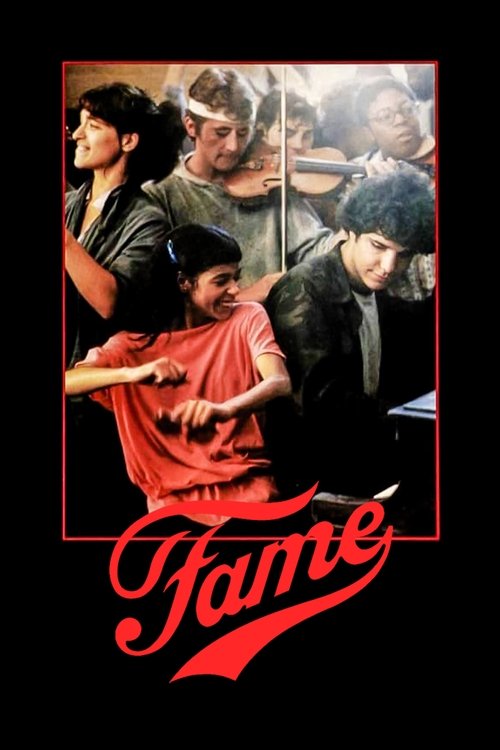
Fame1980
An ensemble film about art students at a performing arts high school, committed to showing what discipline and talent actually look like. The dance sequences are extraordinary and the characters feel real.
But It's a product of 1980—the fashion, music, and attitudes feel very much of that era, which some viewers will find dated rather than charming.
La Haine1995
Both centre young people from overlooked communities and treat them with complete seriousness. But while Take the Lead believes in individual transformation, La Haine shows why that's not enough—they're about hope and its limits.
A searing, poetic black-and-white film about three young men in a Paris housing project, shot with such visual intelligence and human respect that it transforms rage into art. It's about the same impulse as Take the Lead—giving dignity to young people society has dismissed.
But It's in French, it's bleak, and there's no redemption or uplift. It shows the systems that defeat people rather than individuals triumphing over them.

Pose2018
Take the Lead teaches ballroom to kids who've never seen it. Pose shows where ballroom came from—the underground spaces where people invented it as survival and art. They're the same art form seen from opposite ends of its history.
A series about the New York ballroom scene of the 1980s, where queer and trans people of colour created and performed a completely new language of dance and presentation. It's ravishing, historically grounded, and lets its characters be complex, funny, and real.
But The first season takes time to build. It's also much darker about violence, death, and systemic neglect than a feel-good school drama, which shifts the emotional register completely.

People
Cast
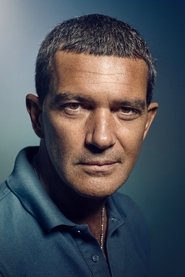 Antonio BanderasPierre Dulaine
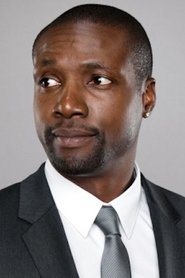 Rob BrownRock
 Yaya DaCostaLaRhette
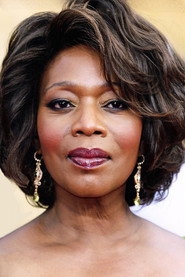 Alfre WoodardAugustine James
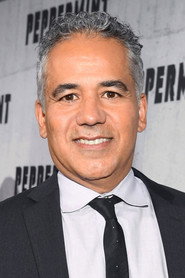 John OrtizMr. Temple
 Laura BenantiTina
- Katya VirshilasMorgan
 Jenna DewanSasha
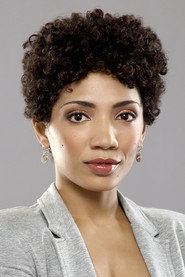 Jasika NicoleEgypt
- Jo ChimGretchen
 Dante BascoRamos
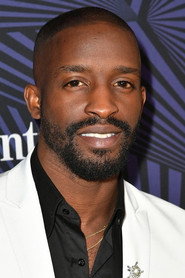 Elijah KelleyDanjou
Directing
- Liz FriedlanderDirector
Writing
- Dianne HoustonScreenplay
Production
- Avy KaufmanCasting
- Mark KaufmanExecutive Producer
- Mathew HartExecutive Producer
- Matt MooreExecutive Producer
- Ray LiottaExecutive Producer
- Toby EmmerichExecutive Producer
- Christopher GodsickProducer
- Diane NabatoffProducer
- Michelle GraceProducer