
Film
Take Care of Maya
A harrowing documentary about a family destroyed by a medical misdiagnosis and the state apparatus that followed. When a child's legitimate illness is mistaken for abuse, the film watches justice become indistinguishable from persecution. It's furious and clear-eyed, asking hard questions about institutional power with no comforting answers in sight.
Should you watch it?
Watch it if you want a patient, unflinching account of how a system can tighten around an ordinary family, and you would rather sit with anger and institutional failure than be handed a neat resolution.
Skip it if the subject is distressing and the film stays close to a family's fear for long stretches, so if you need lightness or distance, it will feel heavy going.
What it asks of you: Just under two hours of patient, often infuriating watching, with slow-building dread and little relief; you have to stay with procedure and paperwork as much as with people.
Not sure? Find tonight's pick in a minute.
If you liked this
The Toys That Made Us2017
Netflix's documentary series dissects how beloved products shaped culture and childhood. Each episode is a masterclass in storytelling that makes consumer history genuinely gripping and touching.
But Some episodes feel more like extended commercials than critical examinations. The nostalgia can overshadow substantive critique.
Spotlight2015
Methodical, powerful journalism drama about the Boston Globe's investigation into Catholic Church abuse. It shows how institutions protect themselves and how persistence matters. Best Picture for good reason.
But It's deliberately paced—no action sequences, just meetings and phone calls. If you need momentum over substance, you'll check your watch.

The Bleeding Edge2018
Netflix documentary following a woman injured by a faulty medical implant as she battles the device manufacturer and regulators. Precise, infuriating, and deeply personal without losing sight of systemic failures.
But It's a narrow focus that won't appeal if you prefer broader narratives. Some sections wade into technical detail.
Not sure tonight? Get a pick in a minute, starting from Take Care of Maya
The wildcard
Something you would not have found on your own.
Tickled2016
Both films begin with something that seems impossible—surely this isn't really happening?—and then methodically document how institutions and powerful people make the impossible routine. Both are about what happens when nobody believes the victim.
Starts as a curiosity about competitive tickling videos online and spirals into a genuinely disturbing investigation of exploitation, coercion, and predatory networks hidden in plain sight. Darkly funny, then deeply unsettling.
But The subject matter becomes genuinely upsetting. Some viewers find the tonal shifts between comedy and horror disorienting.
More like this (6)
Going Clear: Scientology and the Prison of Belief2015
Alex Gibney's meticulous investigation into Scientology's manipulation, abuse, and institutional protection of powerful members. Methodical, damning, and impossible to look away from.
But It's dense with allegations and detail. If you want a quick explainer, this demands real attention and emotional investment.
Fyre2019
Netflix's dissection of a catastrophically fraudulent music festival reveals how charisma, social media, and lack of accountability can bilk thousands. Darkly funny and weirdly addictive.
But It occasionally treats fraud as entertainment rather than harm. The tone can feel too light for the actual human cost involved.

The Pharmacist2020
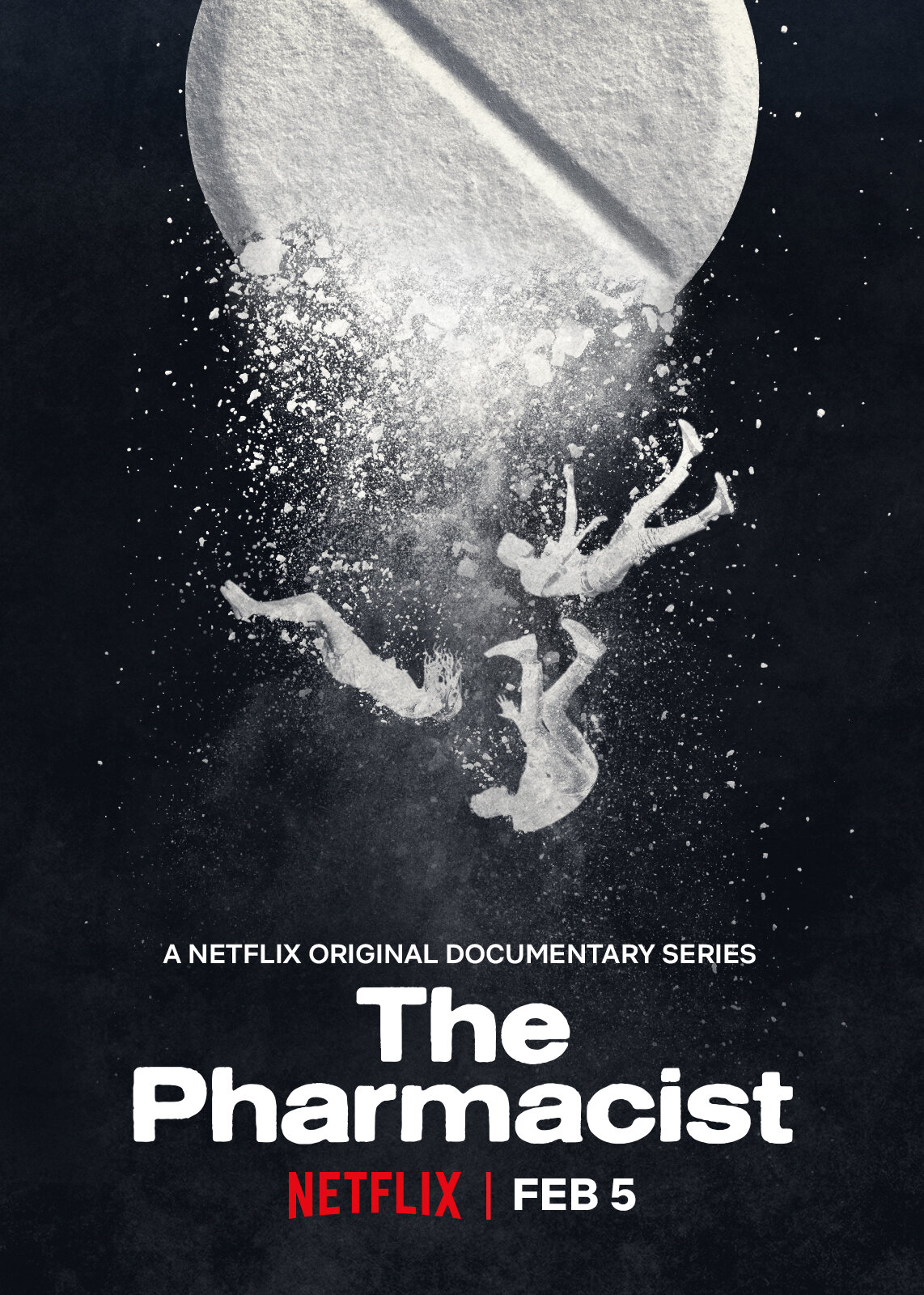
A grieving pharmacist investigates his son's drug overdose and uncovers the opioid industry's calculated deception. Grief-driven and deeply personal, it reveals how corporations weaponise healthcare.
But It's emotionally exhausting. The subject matter—addiction, death, institutional cruelty—takes a toll.
An American Crime2007
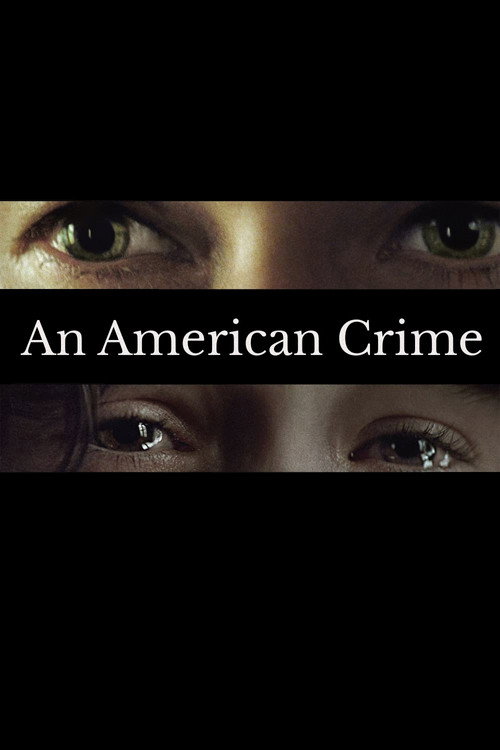
Based on the true story of Sylvia Likens, tortured to death by her guardian. Catherine Keener is unforgettable. It examines how communities enable cruelty through inaction and indifference.
But This is one of cinema's most brutal depictions of abuse. It's difficult not as an artistic choice but as a moral weight.
The Witch in the Window2018
Both examine how one person's absolute conviction of danger can metastasize into family destruction. Both ask: what if the threat is not the thing you're afraid of, but your own certainty?
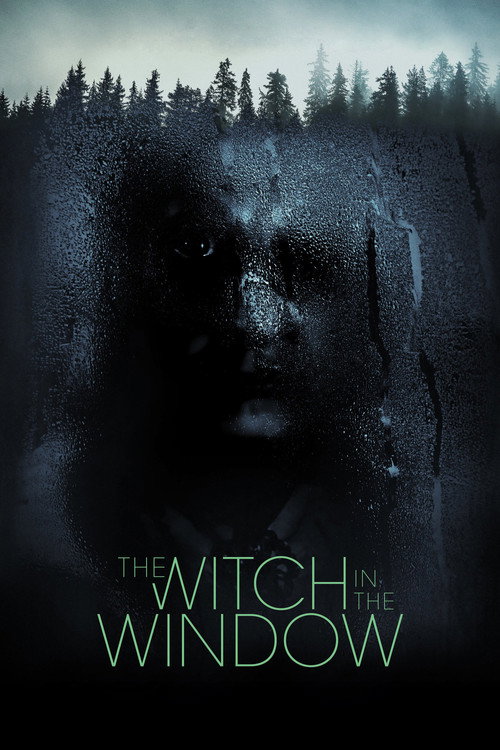
A horror film about a parent's paranoia and obsession destroying a family, shot with genuine dread. It's a psychological suspense story about how certainty—even wrong certainty—can be more dangerous than doubt.
But It's slow-burn arthouse horror, not a conventional scare film. Very low on jump-scares, very high on creeping unease.
The Apology2022
Both centre on families destroyed by what institutions claim happened versus what actually happened. Both expose how power protects itself by controlling the narrative, and how the burden of proof falls on the people who have already lost everything.
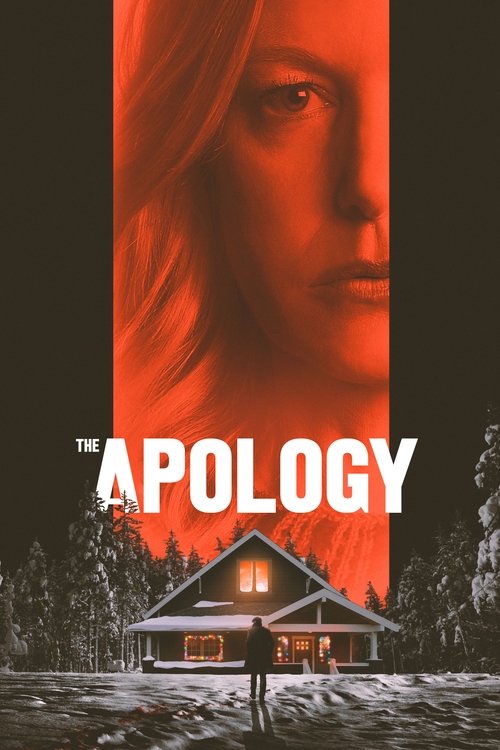
A woman confronts her abusive father on film, attempting (failing, succeeding, failing again) to make him acknowledge what he did. It's less about resolution than about the impossible work of being heard by someone determined not to listen.
But It's achingly confrontational and there is no cathartic ending. The abuse is never 'solved.' Some find it frustrating rather than powerful.
People
Directing
- Henry RooseveltDirector
Production
- Ben RooseveltCo-Producer
- Colton SorefCo-Producer
- Dan CoganExecutive Producer
- Henry RooseveltExecutive Producer
- Jon BardinExecutive Producer
- Kate BarryExecutive Producer
- Liz GarbusExecutive Producer
- Rylan SorefExecutive Producer
- Caitlin KeatingProducer
- Zoe PotkinSupervising Producer