
Film
Maze Runner: The Death Cure
- Survival adventure
- Dystopian sci-fi
- Relentless
The final chapter of the Maze Runner trilogy sends its survivors into the heart of WCKD's Last City for a last stand against the organisation that's hunted them since the beginning. It's a propulsive action-thriller that trades mystery for spectacle, built on the chemistry between its ensemble cast and their genuine stakes. For fans who've invested in Thomas's journey, it delivers payoff; for newcomers, it's a loud, competent blockbuster that assumes you know what's come before.
If you liked this
The Hunger Games: Mockingjay - Part 22015
A young ensemble fights against an oppressive system in a final confrontation. It has the same blend of practical action, emotional stakes between characters, and a focus on dismantling authoritarian control that gives The Death Cure its weight.
But If you found the political messaging heavy-handed or preferred the earlier films' survival tension to their militaristic plotting, this will frustrate you further.

Allegiant2016
Another YA dystopia's final chapter where the protagonist must infiltrate a dangerous fortress to stop an enemy force. Similar pacing, similar ensemble dynamics, similar stakes—and it commits fully to its ending rather than hedging bets.
But The plot twist divides fans sharply, and if you haven't seen the prior films, you'll be completely lost and exhausted trying to catch up.

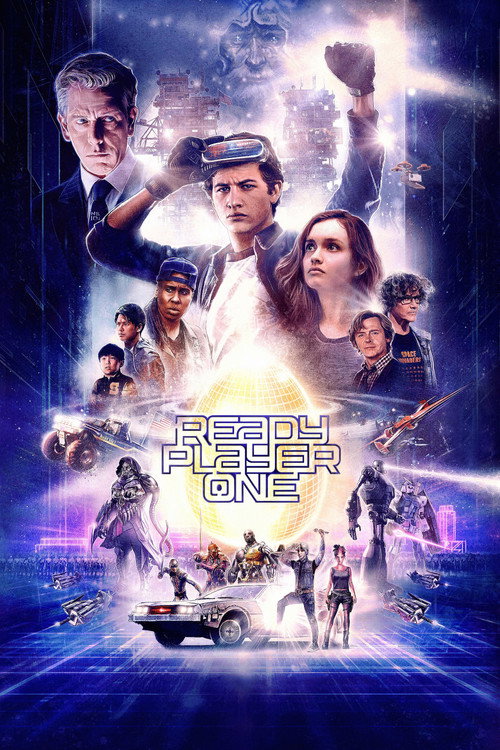
Ready Player One2018
Released the same year, it shares Death Cure's visual exuberance and sense that anything is possible in a constructed world. It's also about a group breaking into a system to claim what's rightfully theirs, with similar tech-noir aesthetics.
But It's more whimsical than thrilling, and Spielberg's direction prioritises spectacle over emotional stakes in ways that might feel hollow after the Gladers' journey.
Not sure tonight? Get a pick in a minute, starting from Maze Runner: The Death Cure
The wildcard
Something you would not have found on your own.
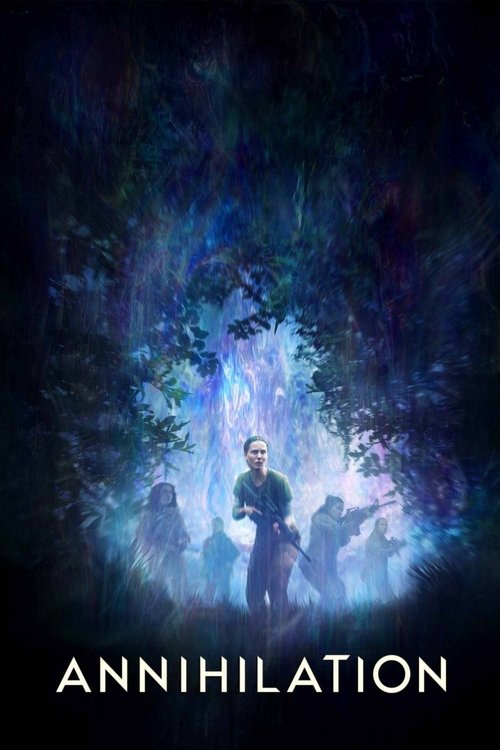
Annihilation2018
Both explore the cost of infiltrating a system designed to be lethal and unknowable; both ask whether survival is worth the cost of your humanity.
Released the same year as Death Cure, it's a completely different kind of sci-fi film—meditative, unsettling, built on atmosphere rather than plot momentum. Yet it shares Death Cure's fascination with environments that transform and corrupt, and characters who must traverse them knowing they may not return. Both films are ultimately about what you're willing to sacrifice to understand something larger than yourself.
But It's cerebral and deliberately ambiguous where Death Cure is concrete and conclusive. If you want answers tied up neatly, Annihilation will frustrate you—it suggests that some mysteries aren't meant to be solved.
More like this (8)
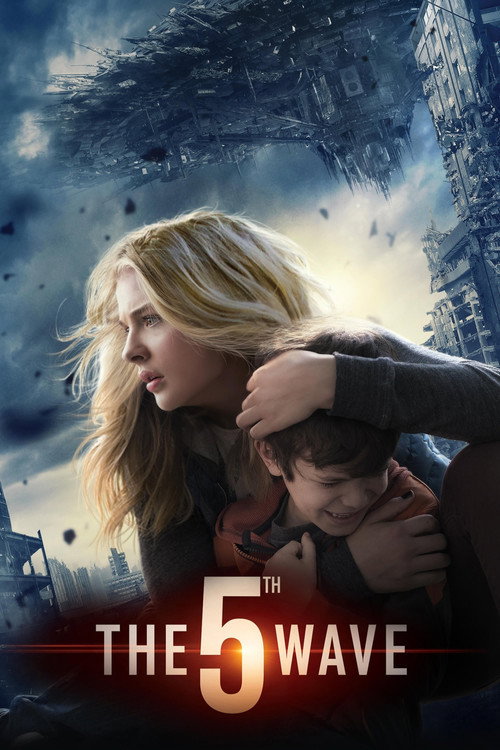
The 5th Wave2016
YA sci-fi action with a young ensemble trying to survive and resist an alien invasion. It has the same earnestness about ordinary kids forced into extraordinary circumstances, and similar kinetic chase sequences.
But Critics largely dismissed it as derivative, and it lacks the novelty or the character work that made Maze Runner distinctive—it feels like the template without the spark.
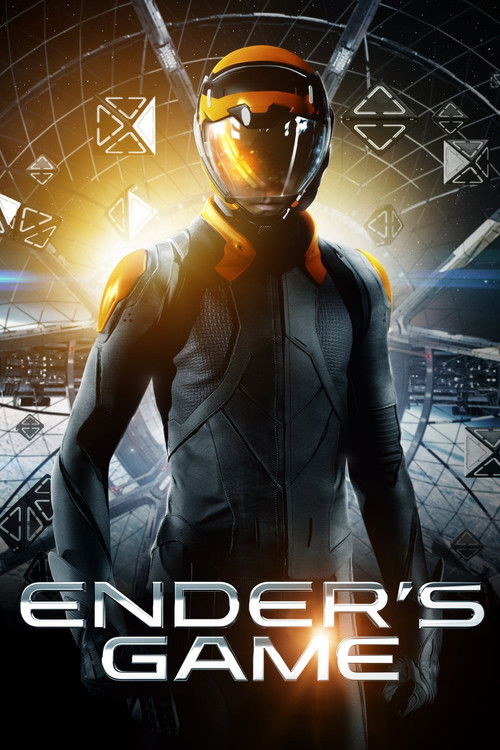
Ender's Game2013
A brilliant young protagonist must navigate a militarised system designed to control him, leading to a finale that interrogates the morality of the entire setup. Thematically deeper and more meditative about power structures.
But It's slower and more cerebral; if you came for chases and explosions, you'll find philosophical questions frustrating rather than enriching.
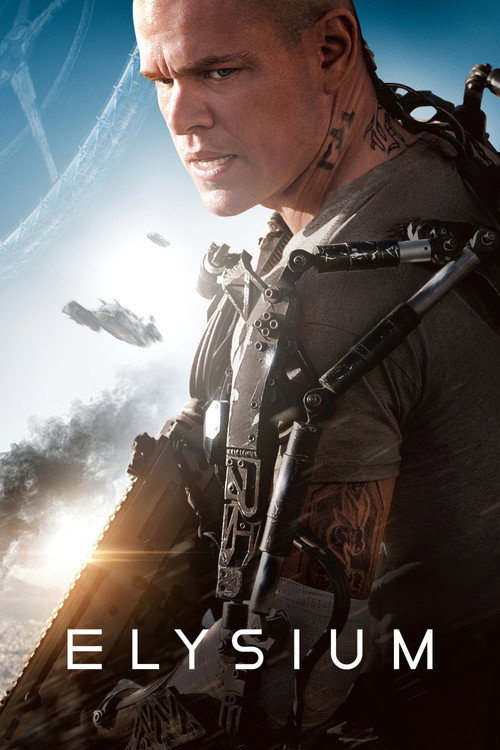
Elysium2013
Matt Damon's working-class hero infiltrates an oppressive high-tech fortress to save the people he loves. Same DNA as Death Cure—action rooted in class struggle, retrofuturistic design, stakes that matter beyond the plot mechanics.
But The social commentary is blunt, and the action, while solid, doesn't have quite the inventiveness you'd hope for from a Neill Blomkamp film.
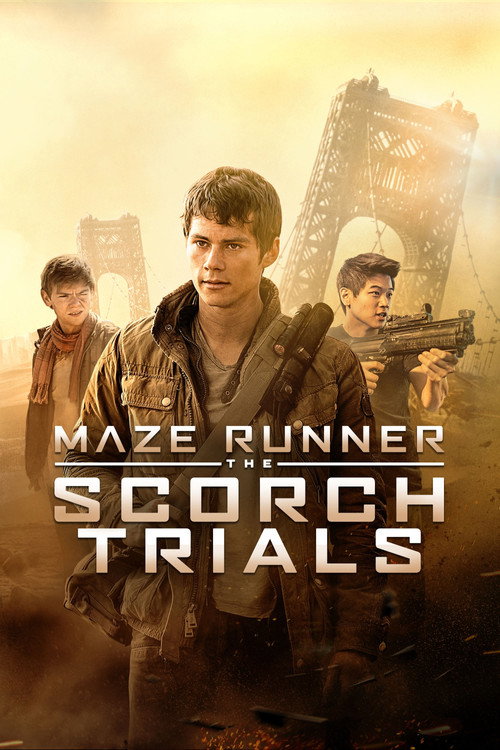
Maze Runner: The Scorch Trials2015
If you haven't seen it, this is essential setup for Death Cure. The middle chapter where the Gladers escape the maze and discover the world beyond it—all the character bonds you'll care about in the finale are forged here.
But It's the middle chapter, so it functions largely as exposition and table-setting; the narrative doesn't fully satisfy on its own.
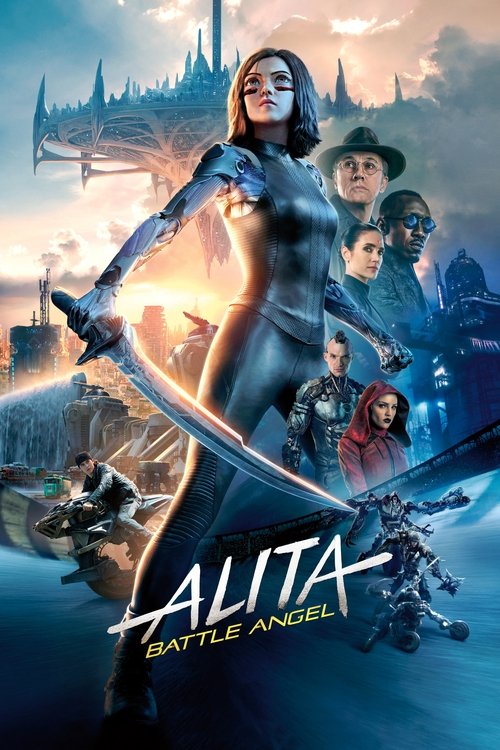
Alita: Battle Angel2019
A gifted young protagonist with augmented abilities fights against a corrupt system that wants to control or destroy her. Cyberpunk aesthetics, brutal action, and genuine world-building that feels lived-in rather than generic.
But The plot is straightforward to the point of simplicity, and some found the tonal shifts between intimate character moments and massive action sequences jarring.
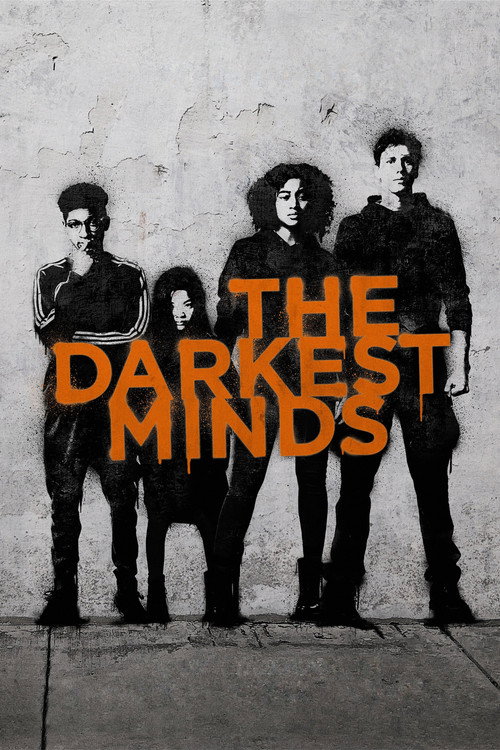
The Darkest Minds2018
Another ensemble of young people with powers on the run from a government programme designed to weaponise them. Similar structure, similar ensemble dynamics, released the same year with comparable ambitions.
But It's a crowded YA adaptation that arrived in the shadow of bigger franchises; it's competent but forgettable, and the character arcs feel obligatory rather than earned.
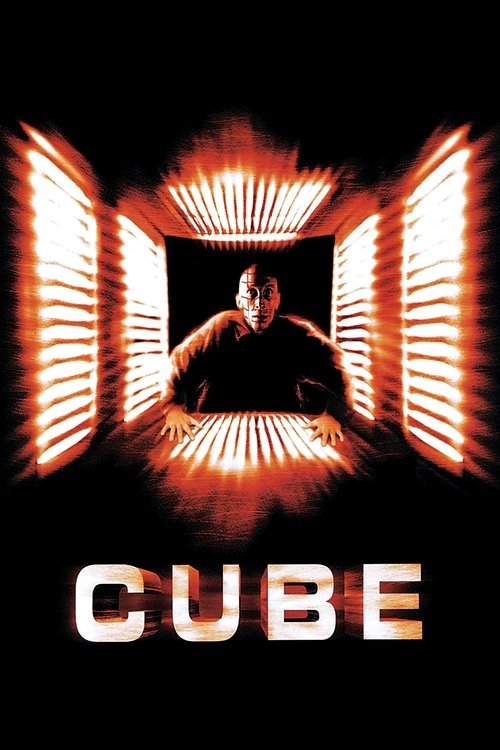
Cube1998
Both films use a maze as metaphor for systems designed to control or destroy; both suggest the maze itself is the true antagonist, not the people running it.
A lean, ingenious Canadian thriller where strangers wake in a lethal maze and must solve it to escape. It's the philosophical skeleton underneath what Maze Runner built into a blockbuster. Stunning practical design, genuine dread, and a premise so elegant it spawned sequels and a legacy—all on a micro budget.
But It's dialogue-heavy and low-tech where Death Cure is visual and expansive. Some find the mathematical conceit cold, and the acting occasionally strains under the weight of the ideas. It's cerebral body horror, not action-adventure.
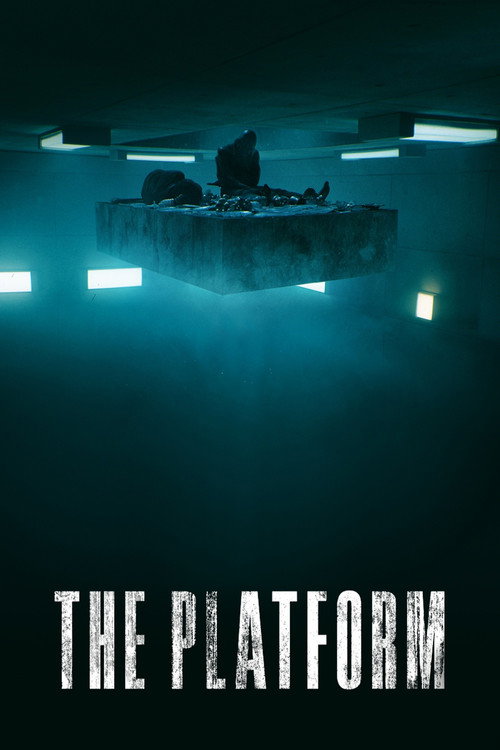
The Platform2019
Both films trap characters in elaborate architectural nightmares designed by unseen rulers. Both ask: what is the nature of a system built to be inescapable, and does knowing how it works change anything?
A Spanish science-fiction thriller set entirely in a vertical prison where inmates must navigate brutal hierarchies to survive. It's less about plot than the systemic horror of the structure itself. Visceral, darkly funny, and utterly original in its refusal to offer easy heroics or escape routes.
But It's bleak and body-horror focused, with a queasy relationship to violence that some find exploitative. If you came for an uplifting story about triumph over oppression, this goes the opposite direction—it suggests the system is too vast to beat, only to endure.
People
Cast
 Dylan O'BrienThomas
 Kaya ScodelarioTeresa Agnes

 Ki Hong LeeMinho
 Dexter DardenFrypan
 Rosa SalazarBrenda
 Giancarlo EspositoJorge
 Will PoulterGally
 Aidan GillenJanson
 Patricia ClarksonAva Paige
 Barry PepperVince
 Walton GogginsLawrence
Directing
- Kim RobinsonContinuity
- Wes BallDirector
- Vincent LascoumesFirst Assistant Director
- Joecy ShepherdScript Supervisor
- Reinier SmitScript Supervisor
- Suze DunbarScript Supervisor
- Vinca CoxScript Supervisor
- David KlohnSecond Assistant Director
- Nadia BrandSecond Assistant Director
- Leroy TitusSecond Second Assistant Director
- Megan TruterSecond Second Assistant Director
- William BookerSecond Unit First Assistant Director
- Benjamin CairnsThird Assistant Director
- Cameron HadlowThird Assistant Director
Writing
- James DashnerNovel
- T.S. NowlinScreenplay
Production
- Johnny GidcombADR Voice Casting
- Denise ChamianCasting
- Beth DayCasting Associate
- Liz LudwitzkeCasting Associate
- Lorenzo di BonaventuraExecutive Producer
- J.P. van der MerweExtras Casting
- Lauren ClaretFirst Assistant Accountant
- Ellen Goldsmith-VeinProducer
- Joe Hartwick Jr.Producer
- Lee StollmanProducer
- Marty BowenProducer
- Wes BallProducer
- Wyck GodfreyProducer
- Julieann SnowProduction Accountant
- Morgan BradyProduction Coordinator
- Nicole OguchiProduction Supervisor
- Tamara AllenProduction Supervisor
- James PowersUnit Production Manager
- Nicola UnsworthUnit Production Manager