
Film
Lord of the Dance
Michael Flatley's 1997 stage film is a thunderbolt of pure kinetic spectacle: ninety minutes of virtuosic Irish dancing married to moody Celtic mythology and an orchestra that swells like it's conducting the weather itself. It's not subtle—it's a showcase, a fever dream, a love letter to the body's capability. For anyone who's felt their foot start moving without permission, or who wants to see what happens when one person's discipline and ambition occupy an entire theatre.
If you liked this
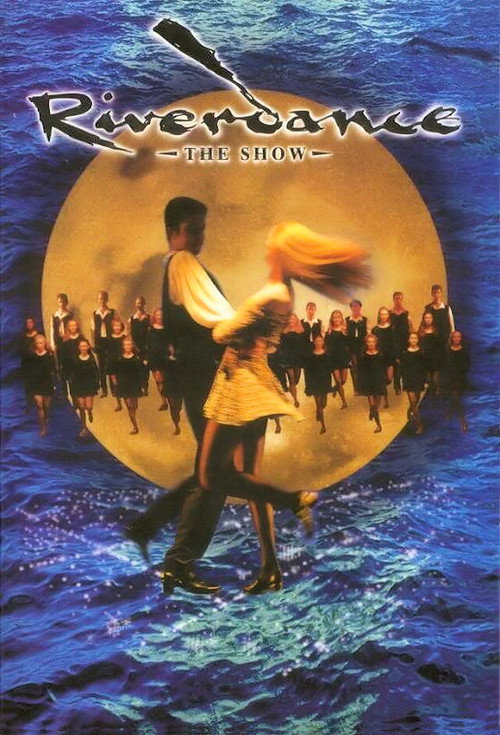
Riverdance: The Show1995
The spiritual predecessor that proved Irish dance could transcend tradition and become global spectacle. Seductive, rhythmically hypnotic, and a genuine cultural moment captured on stage.
But Slightly more restrained than Flatley's maximalism, which might feel tame if you want pure bombast. Some of the theatrical flourishes feel dated now.
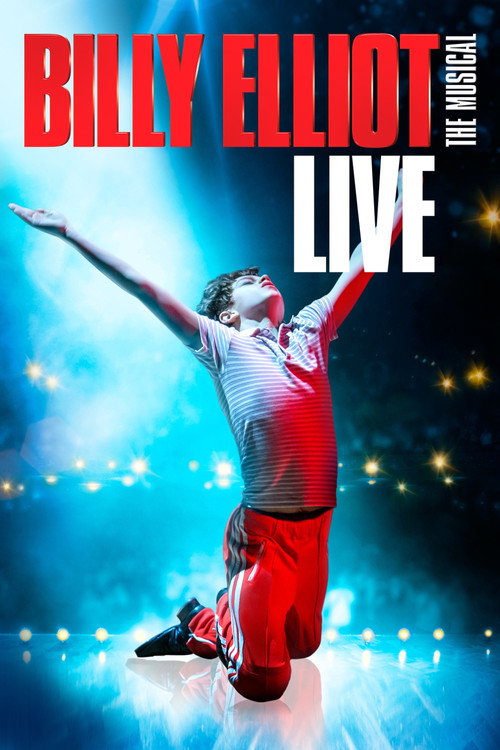
Billy Elliot: The Musical Live2014
Dance as rebellion and transcendence, performed live in a theatre. The same stakes—a body proving something to the world—but grounded in a real emotional story that doesn't rely on myth.
But Framed in coming-of-age and class struggle, so the tone is earnest where Lord of the Dance is mythic. Less purely about watching bodies move.
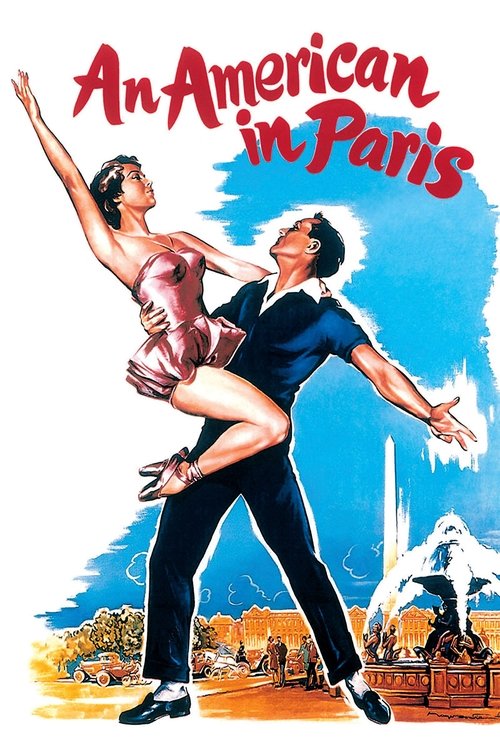
An American in Paris1951
Gene Kelly at peak prowess: dance as a way to say things words can't, set design and music that amplify rather than diminish the movement. A masterclass in spectacular dancing.
But It's a different tradition entirely—ballet-influenced, American. If you're hungry for Irish culture specifically, you won't find it here.
Not sure tonight? Get a pick in a minute, starting from Lord of the Dance
The wildcard
Something you would not have found on your own.
Synecdoche, New York2008
Both are theatre pieces transformed into films, both believe in spectacle as truth-telling, both pit one person's vision against the stage itself. Both are aggressively alive.
Charlie Kaufman makes a three-hour film about an artist staging a live theatre piece inside a warehouse, and it becomes a meditation on scale, ambition, and the ecstasy of making. Like Lord of the Dance but for the mind: baroque, overwhelming, operatic.
But It's bewilderingly abstract, moves at its own tempo, and the story dissolves into metaphor. You have to be patient with formal experiment and willing to feel confused in service of something deeper.

More like this (6)
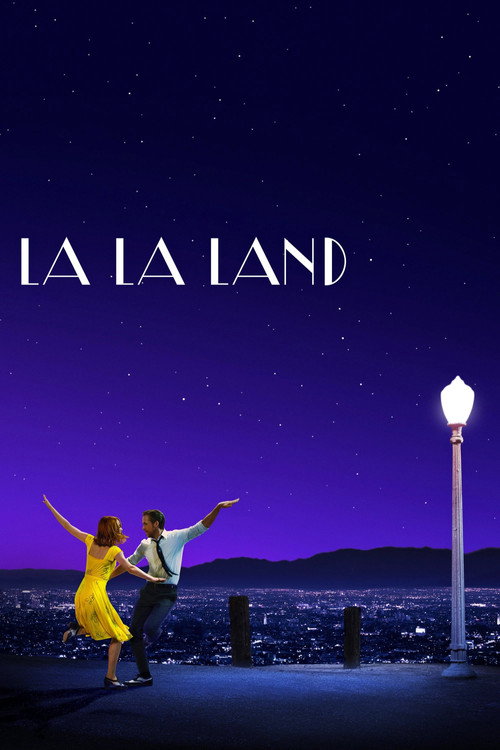
La La Land2016
Modern cinema finally remembering that watching people move beautifully to music is its own complete reason to exist. Designed entirely around the pleasure of the image and the beat.
But Character and plot matter here, which can dilute the pure spectacle-for-spectacle's-sake feeling. Some find the melancholy undercuts the fun.
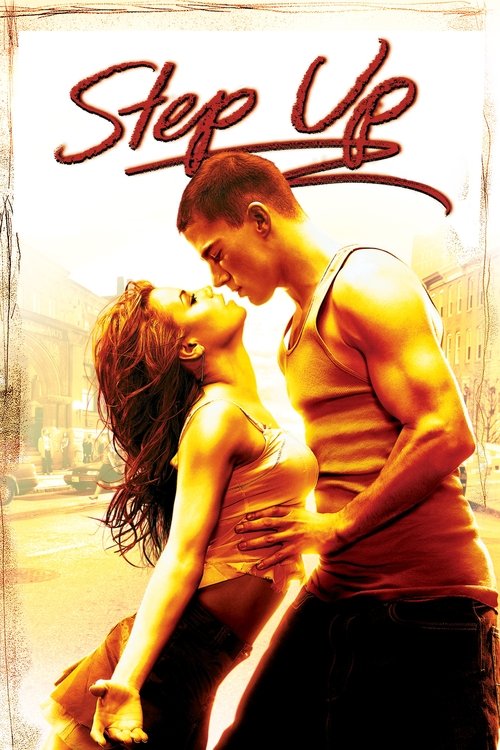
Step Up2006
Dance as embodied intelligence and class transcendence. Street styles meeting classical discipline, filmed with genuine joy in movement. Pure feel-good spectacle with a pulse.
But The plot is formulaic romance, and the film never quite trusts the dance enough to be the only story. It reaches for mainstream drama you might find distracting.
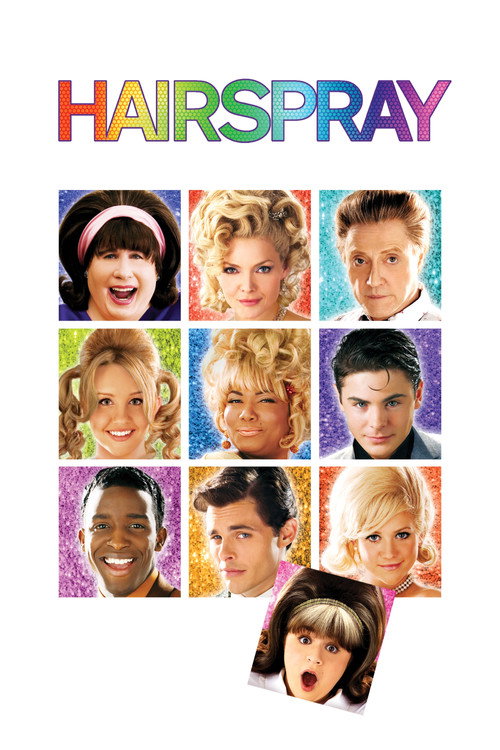
Hairspray2007
Christopher Walken dancing, John Travolta in a wig, genuine pleasure in bodies moving. A film about the rapture of dance and acceptance, made by someone who loves both.
But It's comedy and social message first, spectacle second. The tone is deliberately campy, which changes the energy from Lord of the Dance's mythic intensity.
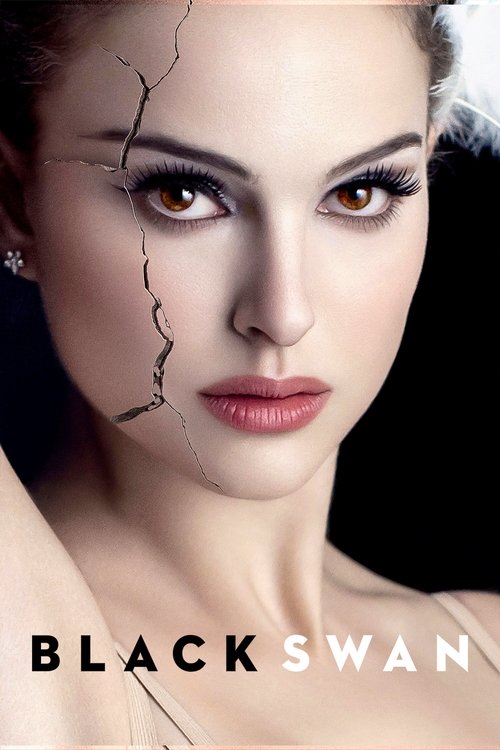
Black Swan2010
Dance as possession, obsession, transformation. A film that treats movement as seriously as any drama, where technique becomes psychological terror. Virtuosity pushed into nightmare.
But It's a psychological horror film that uses dance as its language, not a celebration of dancing. The darkness is relentless and the ending is devastating.
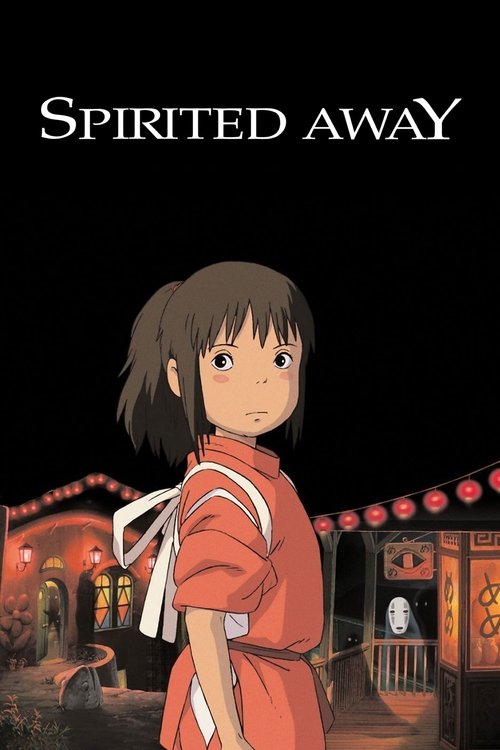
Spirited Away2001
Both transform folk mythology into spectacular movement. Both understand that traditional forms—Irish step dancing, Japanese animation—can become portals to something ancient and alive at once.
Animation that moves like dance: every frame composed with such intention that the image itself feels choreographed. Japanese folklore as visual ecstasy, beauty as both comfort and vertigo.
But It's animated, in Japanese, steeped in a completely different cultural mythology. If you need live human bodies and Irish tradition, this trades both away.
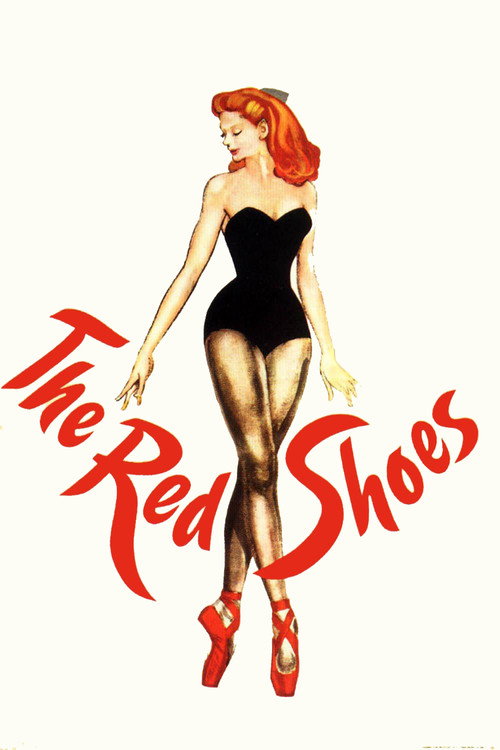
The Red Shoes1948
Both stake everything on believing that dance can carry the weight of myth, meaning, and human longing. Both are exercises in making the body speak what words cannot.
A film about dance and obsession made by visionaries who treat the frame as a stage. A seventeen-minute ballet sequence so breathtaking it functions as spiritual experience. Colour, music, movement in perfect alignment.
But It's a period film with melodramatic plot wrapped around the dancing, and the central character's arc is tragedy, not triumph. The beauty comes wrapped in darkness.
People
Cast
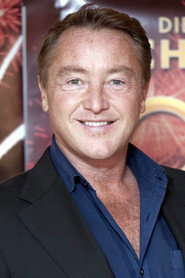 Michael FlatleyLord of the Dance
- Bernadette FlynnSaoirse, the Irish Coleen
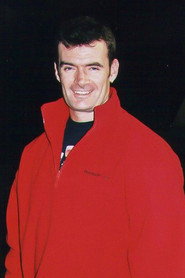 Daire NolanDon Dorcha, the Dark Lord
- Gillian NorrisMorrighan, the Temptress
- Helen EganThe Little Spirit
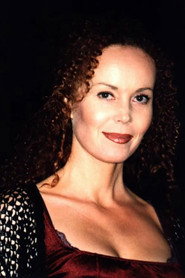 Anne BuckleyErin, the Goddess
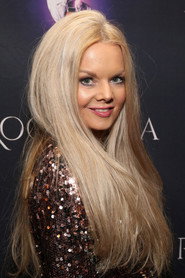 Máiréad NesbittViolinist
- Cora SmythViolinist
- Desmond BaileyThe Lord of the Dance Troupe Member
- Steven BrunningThe Lord of the Dance Troupe Member
- Declan BuckeThe Lord of the Dance Troupe Member
- John CareyThe Lord of the Dance Troupe Member
Directing
- David MalletDirector