
Film
Jesus' Son
Jesus' Son follows a drifter in recovery, moving through the wreckage of addiction with dark humour and sudden tenderness. It's a character study that treats damage as human rather than moral failure, finding grace in small moments and flawed connections. For anyone who loved the messy authenticity of early Linklater or the Coen Brothers' compassion beneath the chaos.
If you liked this
Requiem for a Dream2000
A brutal, unflinching portrait of addiction's machinery across four lives. Aronofsky's visual ingenuity makes the spiral feel immediate and terrible. Essential viewing on what drugs actually do.
But It's deliberately punishing. The ending doesn't offer catharsis or redemption, only consequence. Emotionally exhausting in ways that linger.

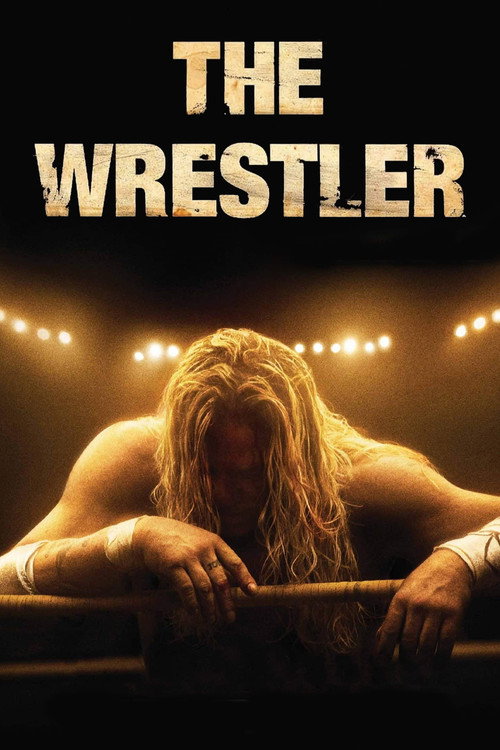
The Wrestler2008
Darren Aronofsky and Mickey Rourke on decline, damage, and the stubborn need to feel alive. Raw performances about men refusing to disappear quietly, even as their bodies betray them.
But Repetitive by design—that's the point, but it can feel gratuitous. The ending is deliberately bleak and offers no resolution.
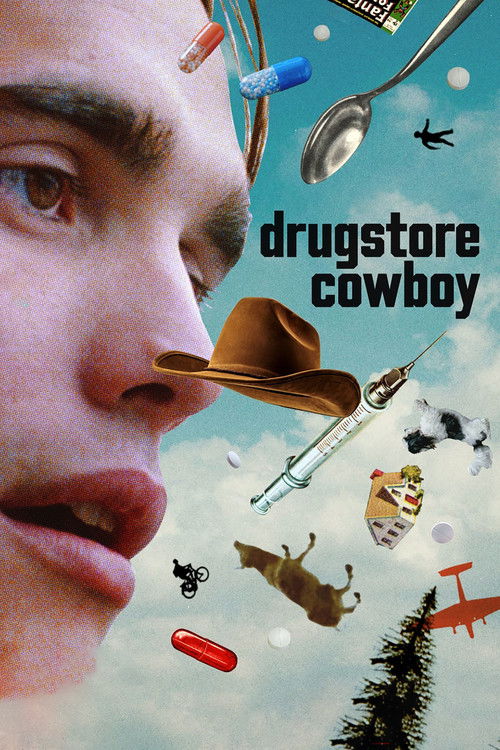
Drugstore Cowboy1989
Gus Van Sant's portrait of small-time pharmacy robbers living hand to mouth. Stylish, tragicomic, and genuinely interested in why people choose this life over escape.
But The pacing is deliberately languid. Nothing happens fast, and the moral ambiguity might frustrate viewers wanting clearer stakes.
Not sure tonight? Get a pick in a minute, starting from Jesus' Son
The wildcard
Something you would not have found on your own.
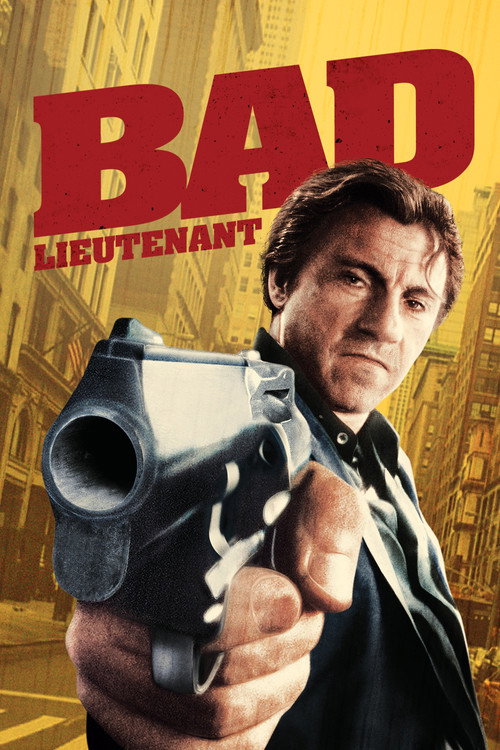
Bad Lieutenant1992
Both track moral failure in real time without breaking eye contact. Each finds unexpected tenderness within ruin. Both understand that addiction is a spiritual crisis, not just a medical one.
Abel Ferrara's descent into a cop's cocaine spiral. Shot like a fever dream, theologically obsessed, and genuinely interested in whether grace is possible for the irredeemable. Harvey Keitel at his most exposed.
But Transgressive and occasionally gratuitous. The film doesn't distance itself from its protagonist's worst moments, which can feel complicit. Not for viewers needing moral clarity.
More like this (8)
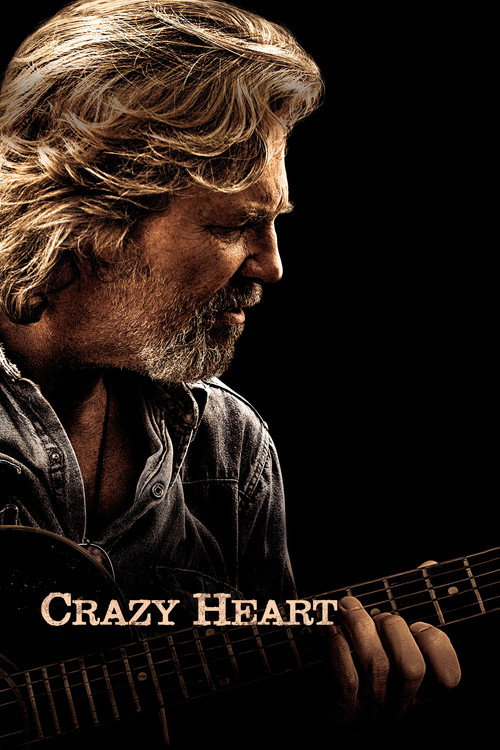
Crazy Heart2009
Jeff Bridges as a washed-up country singer drinking himself to death. Gentle where it could be harsh, but unflinching about the cost of self-destruction and the possibility of repair.
But Feels safer and more redemptive than Jesus' Son. If you want something harder-edged, this may feel like it's letting everyone off easy.
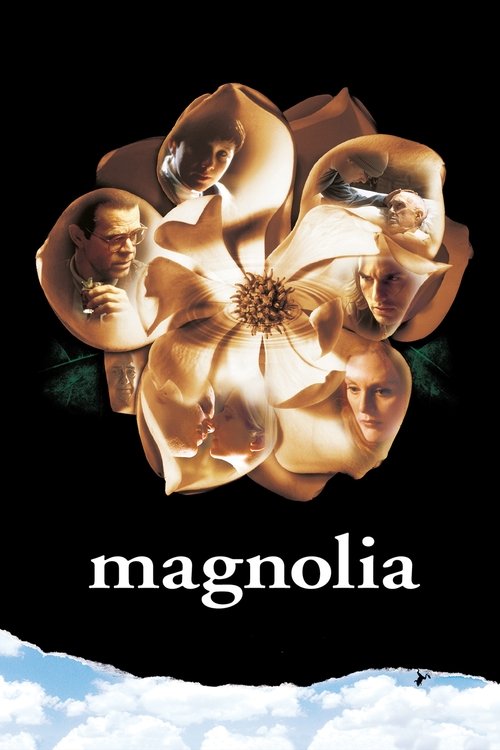
Magnolia1999
Paul Thomas Anderson's ensemble sprawl of broken people in Los Angeles. Funny, devastating, and genuinely interested in grace arriving for the wrong reasons. Connects strangers across the night.
But Three and a half hours. The tonal whiplash between comedy and catastrophe will alienate people wanting consistency. The ending divides rooms.
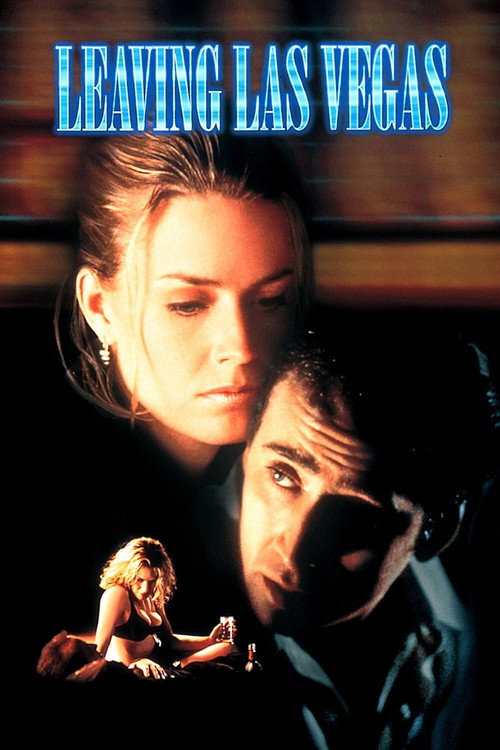
Leaving Las Vegas1995
Nicolas Cage won an Oscar for this—a portrait of a man actively choosing oblivion. Unflinching, intimate, and utterly devoid of sentimentality about alcohol's pull.
But Relentlessly dark. There is no redemption arc and no comfort. If you need hope in your stories, this isn't it.
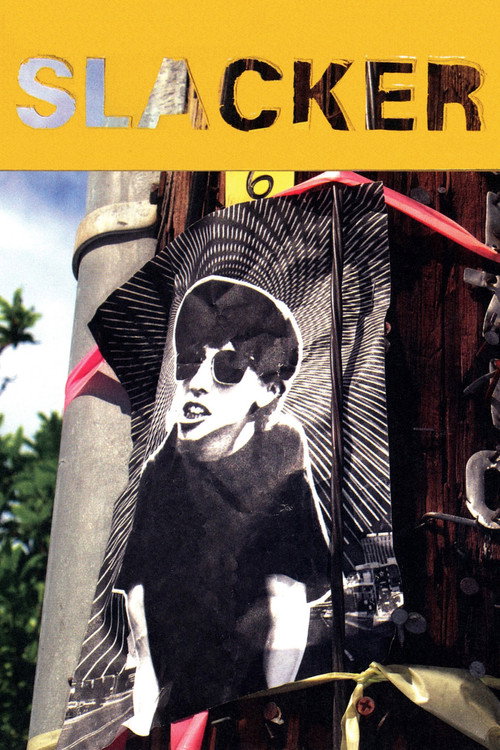
Slacker1990
Richard Linklater's debut: a day in Austin following dozens of aimless conversations. Funny, digressive, and genuinely interested in how people think when they're not doing anything important.
But Nothing happens. It's all dialogue and digression. If you need plot momentum or character arcs, you'll be frustrated within twenty minutes.
The Florida Project2017
Sean Baker's portrait of families living in motels, seen through children's eyes. Warm and devastating—joy and precarity existing in the same frame without cancelling each other out.
But Understated to the point of quietness. Long takes, naturalistic performances. The poverty on screen might feel exploitative depending on your tolerance for observation.

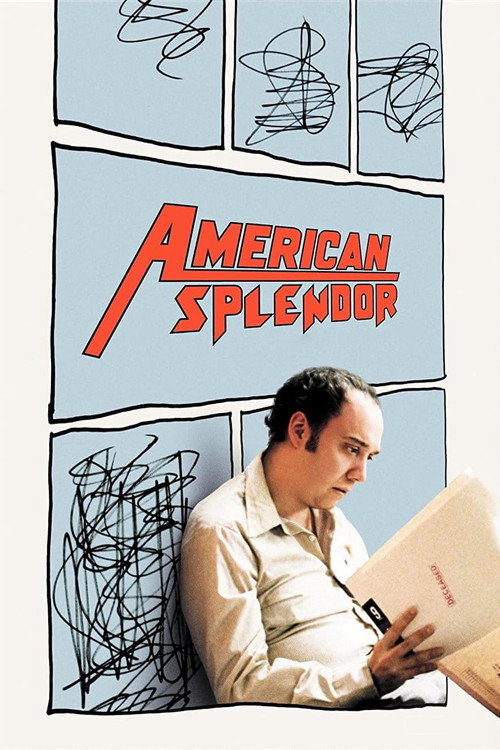
American Splendor2003
Comic book legend Harvey Pekar's life adapted by mixing animation, live action, and Pekar himself. Small, sardonic, genuinely funny about mundane disappointment and the dignity in noticing it.
But Formally experimental in ways that can feel cute rather than earned. The tone is resolutely unglamorous—some will find that limiting.
Synecdoche, New York2008
Both are essentially about the distance between the life you live and the life you think you're living. Both locate strange grace in the gap. Both trust incomprehensibility as a form of truth.
Charlie Kaufman's only film, a director's hallucinatory portrait of a theatre director losing grip on reality and identity. Devastating, funny, about art and love and death. Keeps revealing new layers.
But Deliberately confusing. The narrative collapses intentionally, which some find pretentious. Requires patience and surrender; resists interpretation even as it demands it.

The Ballad of Little Jo1993
Both are about reinvention through necessity and exile. Both follow people who don't fit and don't apologize. Both understand that transformation is less about redemption than about survival wearing a new face.
Maggie Greenwald's strange, true story of a woman living as a man in the 1880s West. Outsider cinema that feels like a history lesson and a spiritual autobiography at once. Utterly singular.
But Formally quiet and narratively sparse. The Western genre gets subverted rather than celebrated. Historical and feminist in ways that might feel didactic to some viewers.

People
Cast
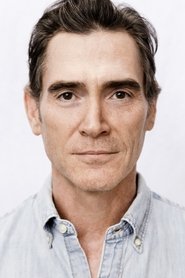
 Samantha MortonMichelle
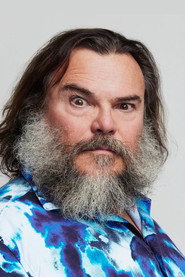 Jack BlackGeorgie
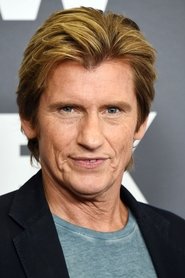 Denis LearyWayne
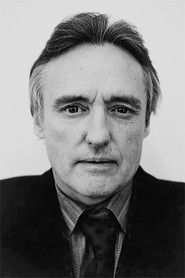 Dennis HopperBill
 Holly HunterMira
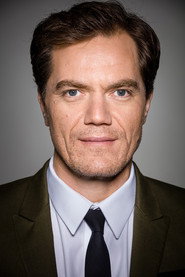 Michael ShannonDundun
 John VentimigliaMcInnes
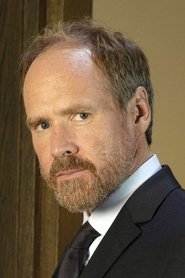 Will PattonJohn Smith
 Miranda JulyBlack-Eyed Nurse
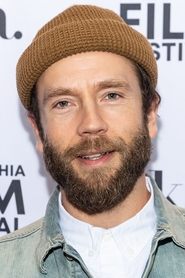 Mark WebberJack Hotel
- Scott OsterStan
Directing
- Alison MacleanDirector
Writing
- Denis JohnsonBook
- David UrrutiaScreenplay
- Elizabeth CuthrellScreenplay
- Oren MovermanScreenplay
Production
- Oren MovermanAssociate Producer
- Ali FarrellCasting
- Laura RosenthalCasting
- Margot BridgerCo-Producer
- Steven TuttlemanExecutive Producer
- David UrrutiaProducer
- Elizabeth CuthrellProducer
- Lydia Dean PilcherProducer
- Marshall HicksUnit Production Manager