
Film
Instrument
- Musical
- Slow-burning
Jem Cohen's intimate documentary follows Fugazi across eleven years, built from super 8, 16mm, and video shot by the band and their director. It's a portrait of disciplined creative process, devoted fans, and a group that treats music as serious work without pretension. For anyone curious about how artists actually live and think, not just perform.
Should you watch it?
Watch it if you love the grit of a band at work, the practice-room chatter and the do-it-yourself ethic over any rock-star myth, and you don't need a tidy narrative.
Skip it if you want a conventional story with a clear arc, since this is a loose mosaic of shows, rehearsals and fan portraits that rewards patience over momentum.
What it asks of you: Expect nearly two hours at an unhurried, observational pace, with long stretches of music and talk and few things happening on cue.
Not sure? Find tonight's pick in a minute.
If you liked this
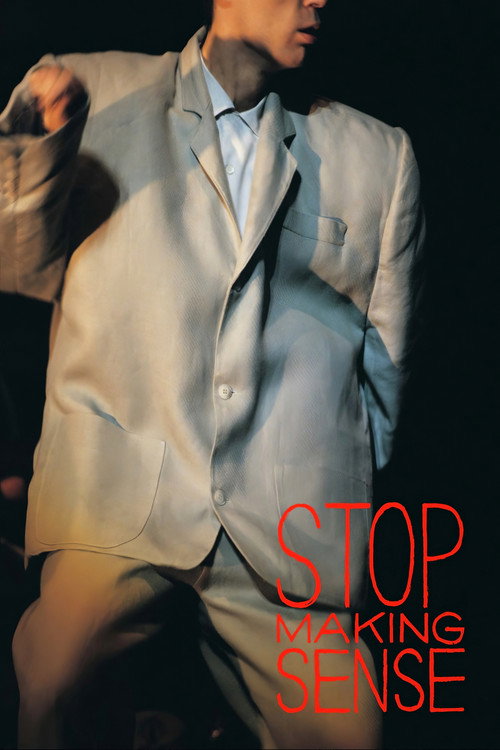
Stop Making Sense1984
Jonathan Demme's concert film captures Talking Heads at their creative peak—precise, joyful, theatrical. Like Instrument, it lets you see how musicians *think* through their bodies and the space around them.
But It's a concert film first and foremost. If you want narrative momentum or character development, you won't find it here.
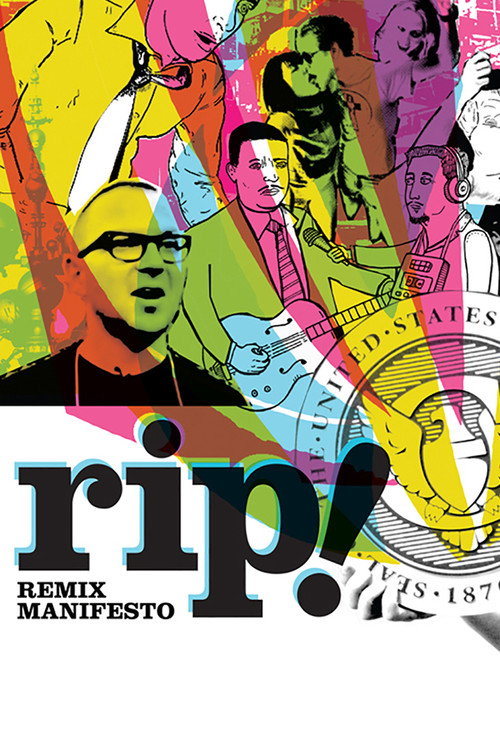
RiP!: A Remix Manifesto2008
Brett Gaylor's documentary about creative ownership and sampling culture shares Instrument's faith in artistic integrity over commercial pressure. It's angry, clear-eyed, and makes a genuine argument.
But The film is didactic by design. If you prefer to come to ideas organically rather than have them explained, this will feel preachy.
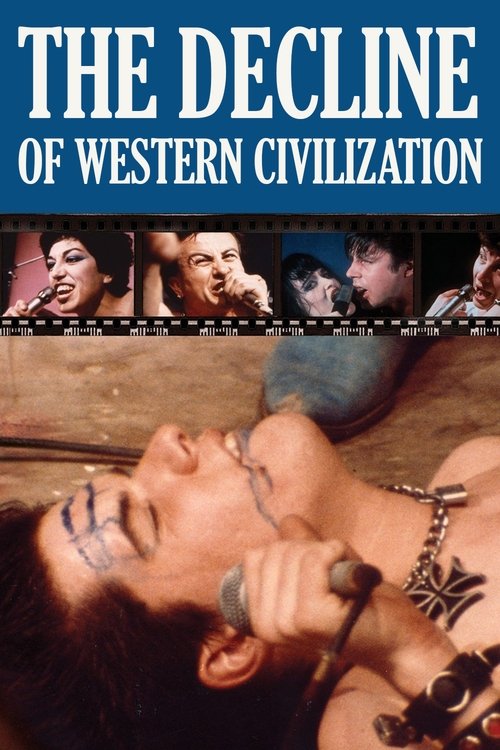
The Decline of Western Civilization1981
Penelope Spheeris documents LA punk with the same unflinching eye Cohen brings to Fugazi. It's about the culture, the bands, the fans—the whole ecosystem that makes music matter.
But It's chaotic, sometimes hard to follow, and captures a scene that was deliberately hostile to outsiders. The audio quality is rough by design.
Not sure tonight? Get a pick in a minute, starting from Instrument
The wildcard
Something you would not have found on your own.
Grey Gardens1976
Both films use extended observation and absence of judgment to build empathy. They trust duration over explanation.
The Maysles brothers' documentary about two reclusive women in a decaying mansion is built entirely from observation—no narration, no editorializing. Like Instrument, it trusts the audience to draw conclusions from sustained attention.
But It's slow, claustrophobic, and sad. Nothing happens in the conventional sense. Some experience it as invasive and uncomfortably intimate.

More like this (5)
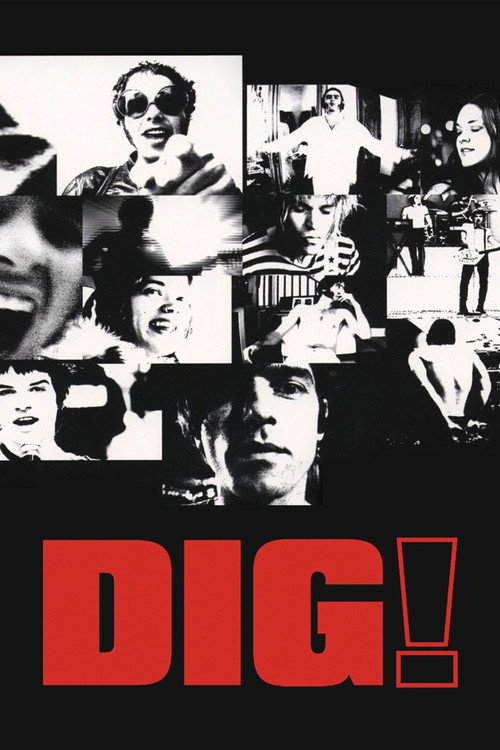
Dig!2004
Ondi Timoner's film about the Brian Jonestown Massacre and Dandy Warhols parallels Instrument's interest in how creative choices define a band. It's messier, sadder, but cuts to the same bone.
But It's genuinely depressing. The film documents self-destruction and wasted potential with unflinching clarity.
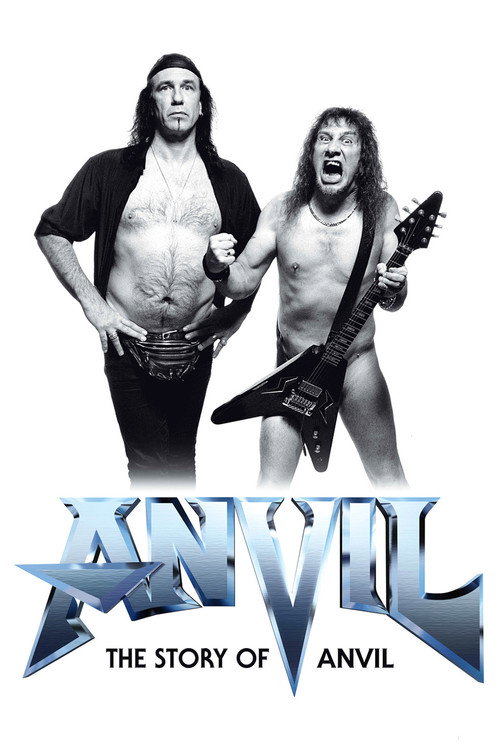
Anvil! The Story of Anvil2008
Sacha Gervasi follows a band that has maintained integrity and vision for decades with almost no success. Like Instrument, it asks: what keeps you going when the world doesn't care?
But It's heavy metal, and if that music doesn't speak to you, the emotional stakes may feel small. Some find it painfully earnest.
24 Hour Party People2002
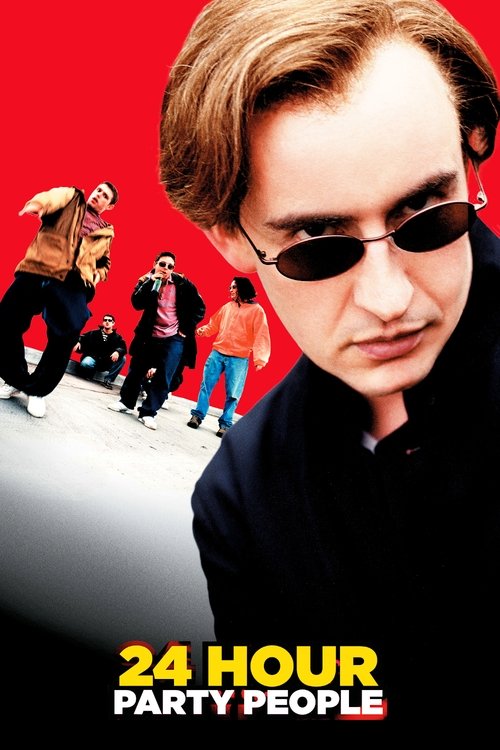
Michael Winterbottom's film about Factory Records and rave culture in Manchester has Instrument's interest in creative scenes, authority, and how music builds community. It's funnier, looser, equally obsessive.
But It's chaotic and self-aggrandizing. The protagonist is often unlikeable, and the film doesn't always distinguish history from ego.
The Punk Singer2013
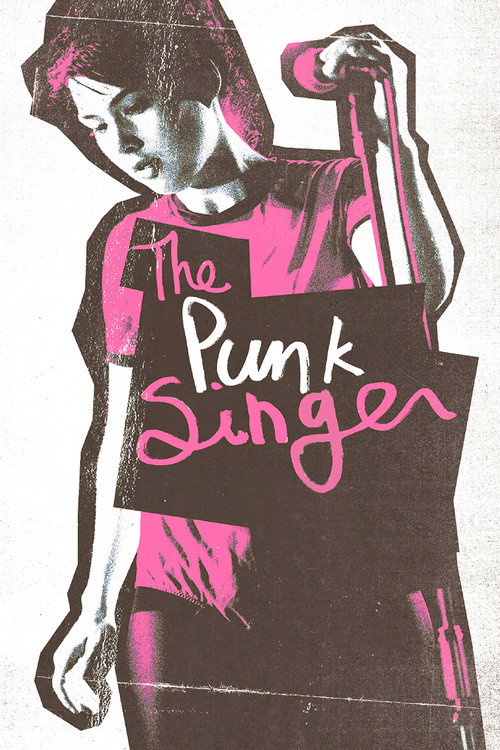
Barbara Kopple's film about Kathleen Hanna and Riot Grrrl uses similar methods—archives, interviews, live footage—to capture a movement built on creative autonomy and refusal to compromise.
But It focuses on one person's story within a larger movement, which some find limiting. The film is also sometimes sentimental about its subject.
There Will Be Blood2007
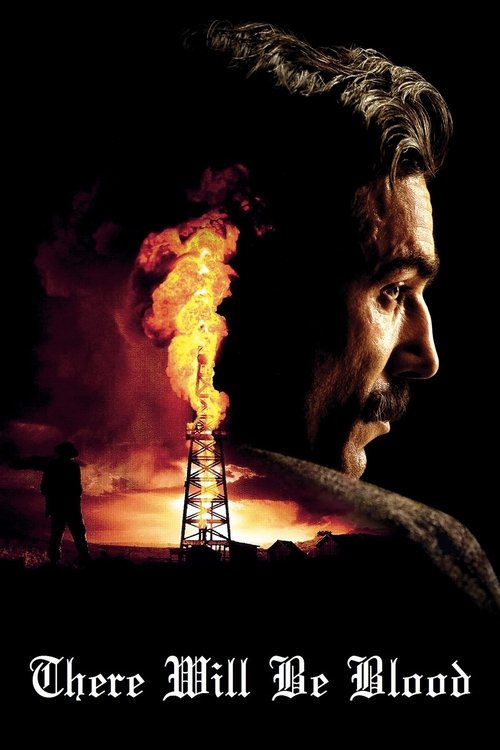
Both are concerned with the psychology of the artist as obsessive—the refusal to compromise, the single-minded vision. One is documentary, one is fiction, but they ask the same question.
Paul Thomas Anderson's film about capitalism, ambition, and artistic obsession. Daniel Day-Lewis plays a man consumed by work and vision. Like Instrument, it examines what drives someone to make something at any cost.
But It's slow, baroque, and its protagonist is morally reprehensible. If you need to like the person at the center, you'll struggle.
People
Cast
 Ian MacKayeSelf
- Brendan CantySelf
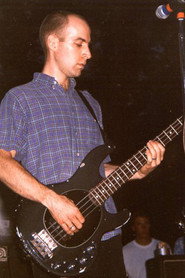 Joe LallySelf
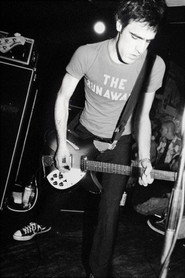 Guy PicciottoSelf
Directing
- Jem CohenDirector
Recommended by
American Hardcore, We Jam Econo: The Story of the Minutemen, Scratch