
Film
In Search of the Castaways
- Treasure hunt
- Light-hearted
A 1962 Disney adventure where two teenagers and a bumbling French professor search for their shipwrecked father across exotic lands. Chevalier's charm anchors a rollicking old-fashioned romp with elaborate sets, practical stunts, and that particular brand of mid-century adventure where the journey matters more than logic. It's for anyone who loves Jules Verne adaptations or wants to see how studios once made spectacle without CGI.
If you liked this
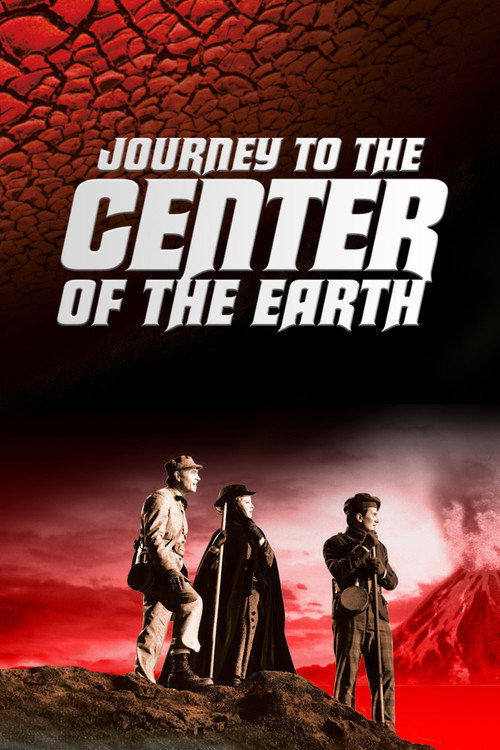
Journey to the Center of the Earth1959
Another Jules Verne adaptation with similar earnest adventure-serial energy, practical effects that feel lived-in, and a professor leading youngsters into impossible terrain. Same era, same spirit of discovery-as-spectacle.
But The pacing is deliberate and occasionally sluggish; it assumes patience with setup. Special effects that charmed 1959 audiences now read as quaint rather than thrilling.
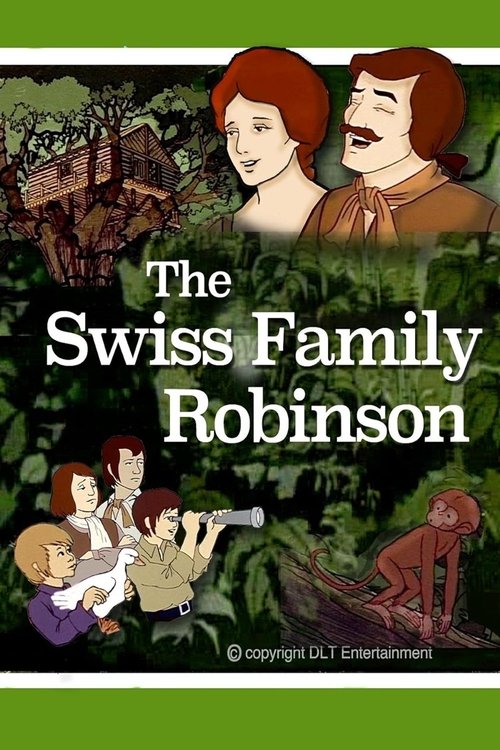
The Swiss Family Robinson1973
Identical DNA: marooned families, ingenious survival, stunning location work, and that Disney golden-age sensibility where adventure means problem-solving and resourcefulness. John Mills leads with the same warmth Chevalier brings.
But The colonial attitudes embedded in the story are harder to ignore now. The runtime feels generous—nearly two-and-a-half hours of island engineering.
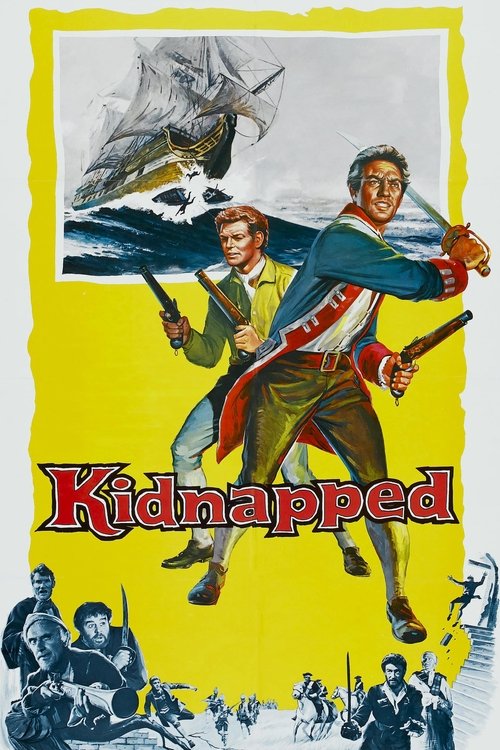
Kidnapped1960
A Scottish adventure of similar vintage with Peter Finch as a roguish guide, stunning highlands cinematography, and that same mixture of swashbuckling and coming-of-age. Adapted from Robert Louis Stevenson with comparable theatrical energy.
But It prioritizes atmosphere over plot momentum; long stretches are more about mood than incident. The dialogue can feel theatrical in ways modern ears find mannered.
Not sure tonight? Get a pick in a minute, starting from In Search of the Castaways
The wildcard
Something you would not have found on your own.
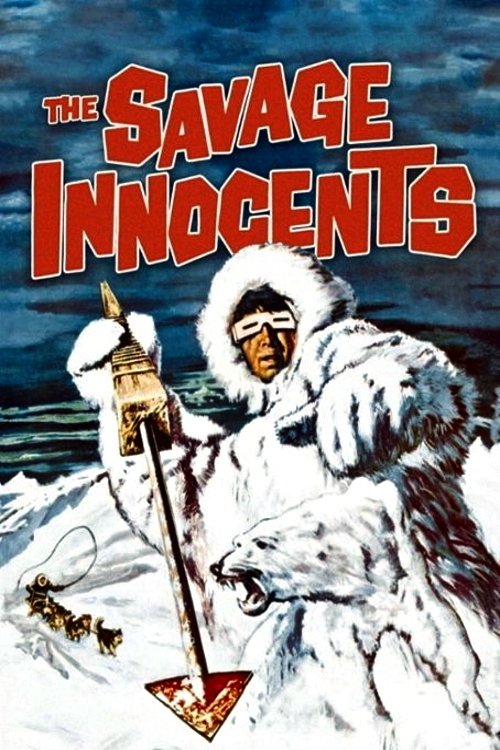
The Savage Innocents1960
Both are journey films where movement across landscape becomes spiritual and moral voyage. The difference: one treats exploration as romance, the other as tragedy of contact.
An Inuit man navigates the boundary between his world and the encroaching Western one—a journey film about cultural collision and moral disorientation. Shot on location in genuine Arctic harshness, with Anthony Quinn in a role that strips away Hollywood performance. It's adventure as existential crisis.
But Glacially paced; the meditative register will feel like nothing happening if you want thrills. The film doesn't sentimentalize its subject, which some find cold. Running nearly two-and-a-half hours of snow and silence requires commitment.
More like this (8)
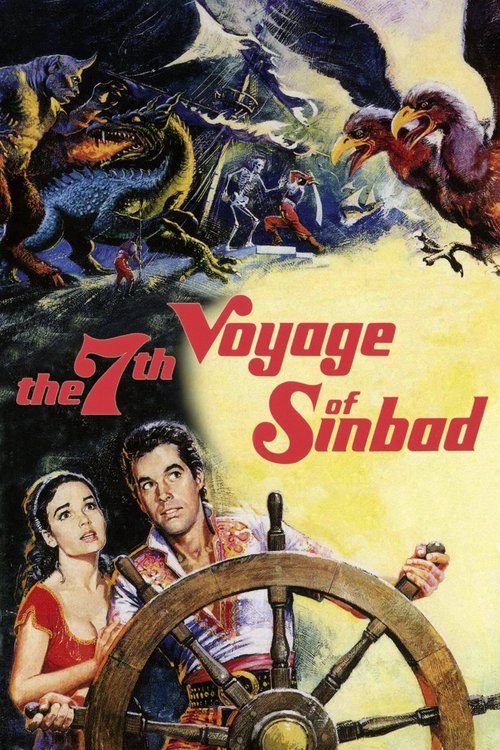
The 7th Voyage of Sinbad1958
Adventure spectacle in the same key: impossible quests, exotic locales, practical effects you can see the craft in, and Kerwin Mathews as an earnest hero facing ridiculous challenges with straight-faced determination. Pure adventure mechanics.
But The stop-motion creatures, while beautiful, move jerkily. The misogyny in the treatment of female characters is pretty pronounced, even for 1958.
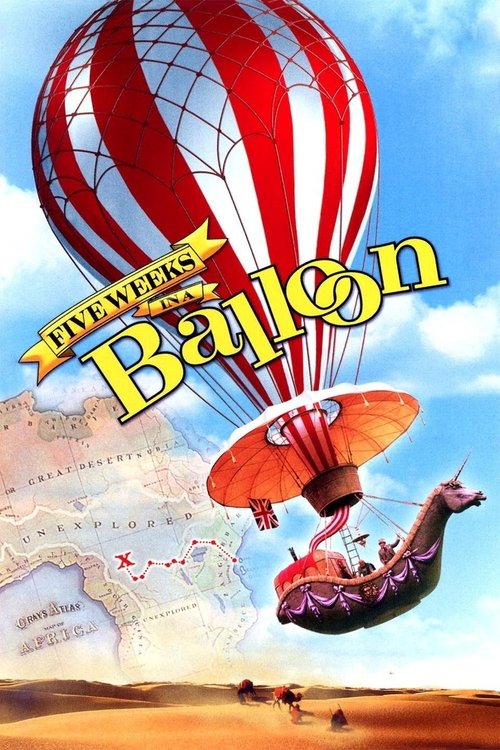
Five Weeks in a Balloon1962
Released the same year, from the same Verne adaptation moment, with the same globe-trotting energy and a stellar ensemble cast (Steve Reeves, Cedric Hardwicke, Peter Lorre). Eccentric adventure that doesn't take itself too seriously.
But The tone wavers between whimsy and adventure without committing fully to either. The African sequences are uncomfortable and patronizing by any standard.
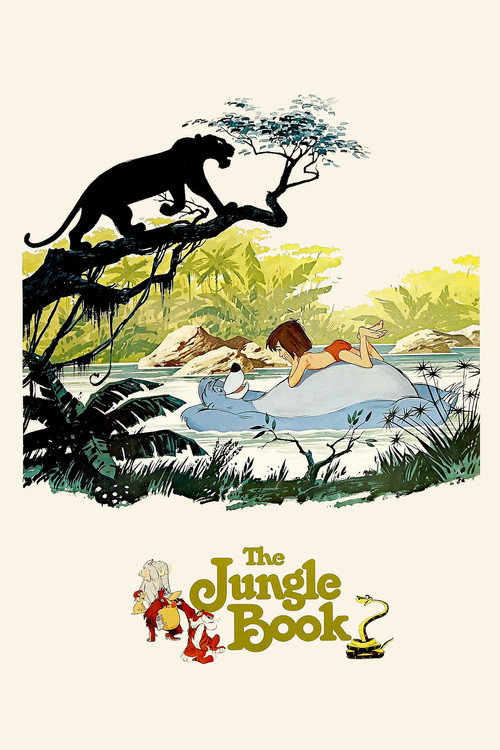
The Jungle Book1967
Disney's answer to adventure-with-heart, where a lost child finds found family in an alien landscape. The animation is gorgeous, the character work is strong, and the film understands that journey narratives are really about connection.
But It's animated, so the kinetic pleasures are different. Romanticizes the 'wild' in ways that feel dated. Some find the voice acting precious.
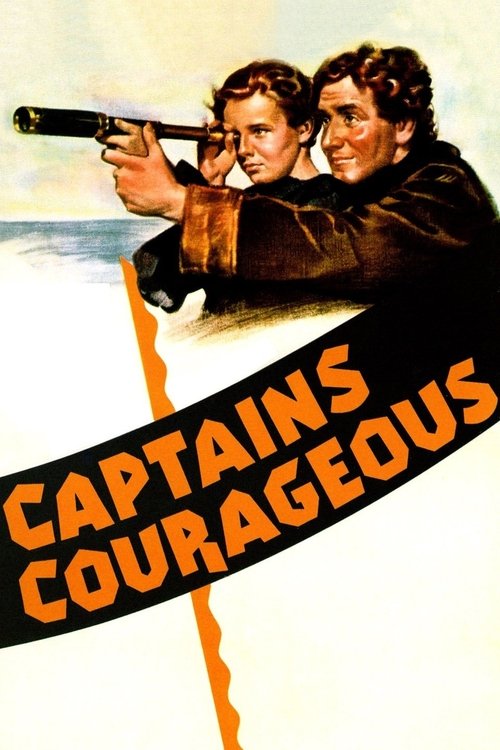
Captains Courageous1937
Spencer Tracy in a maritime adventure with genuine emotional stakes: a spoiled boy learns character through hardship at sea. The craftsmanship is meticulous and the relationships feel earned. Pre-war Hollywood adventure at its most solid.
But Black-and-white and slower by modern pacing; it's a character study dressed as adventure. The class politics haven't aged well.
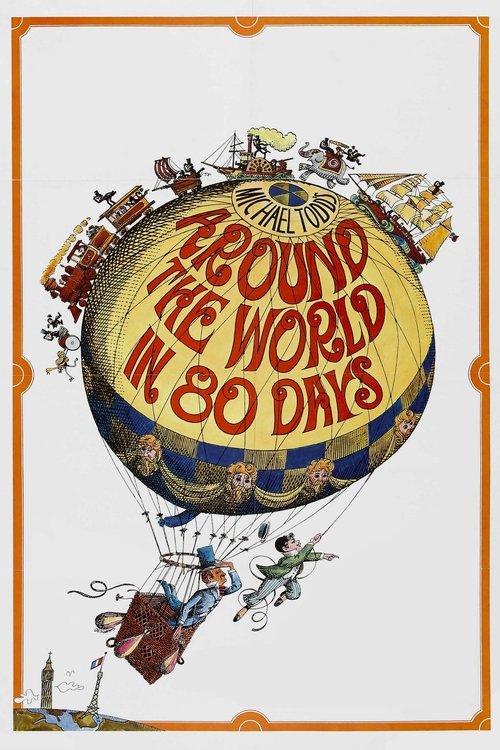
Around the World in 80 Days1956
Epic Verne adaptation with David Niven, Cantinflas, and a literally globe-trotting plot. The supporting cast is a who's-who, the locations are lavish, and the whole thing has the confidence of peak adventure-cinema.
But Nearly three hours of picaresque plotting can feel episodic and shapeless. Some of the cultural representations are cringeworthy.
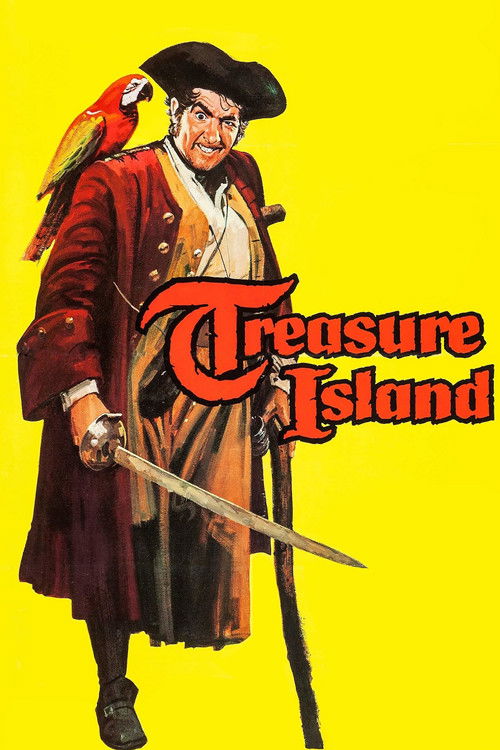
Treasure Island1950
Robert Newton as Long John Silver is unforgettable; the film captures the novel's moral complexity in a way most adventure films don't. Adventure here has consequences. Beautifully mounted and genuinely thrilling.
But The Technicolor can feel garish now. It's darker in tone than lighter adventure fare—the greed and betrayal linger.
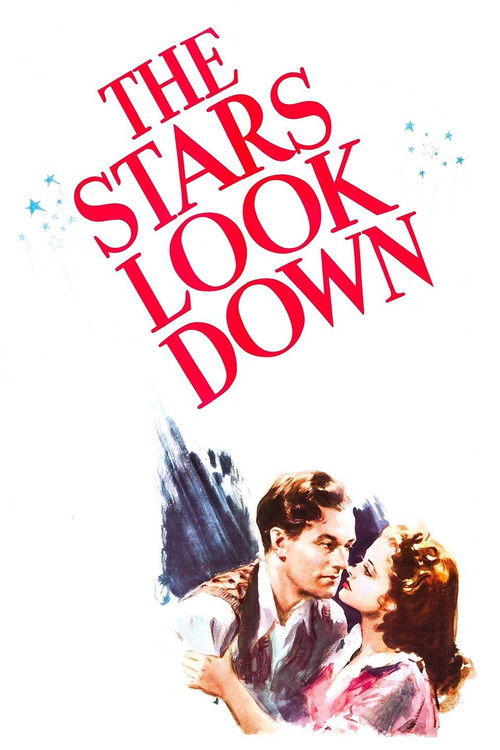
The Stars Look Down1940
Both feature younger protagonists learning the world through travel and trial. This one asks what we owe the places we come from; the other film doesn't ask at all.
A working-class British adventure where the protagonist escapes poverty through aviation—a story of ambition and self-invention. Michael Redgrave as a young man reaching upward. The film's moral framework is entirely different from Disney spectacle: dignity through labour, not fortune-seeking.
But It's a social drama, not an action film; there's no sword-fighting or exotic landscapes. Aesthetically grey and reserved. British cinema of this period demands patience with restraint.
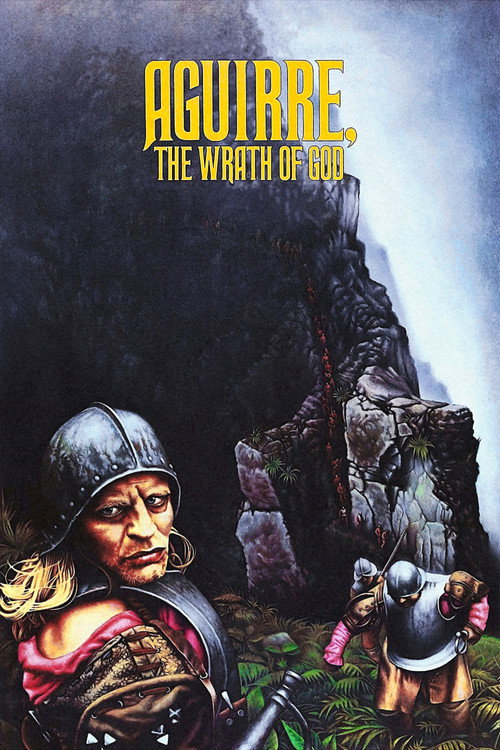
Aguirre, the Wrath of God1972
Same Verne-adjacent structure: expedition into wilderness, treasure sought, landscape as antagonist. But Herzog strips away all Disney reassurance and asks: what does this search *cost*, and who pays it? The film loves the jungle; Herzog hates it.
Werner Herzog's fever-dream of a Spanish conquistador leading men downriver into the heart of South America seeking El Dorado. A search expedition that becomes a descent into madness. Klaus Kinski in a role of pure obsession. Shot on location in the actual jungle, and it shows—hallucinatory and terrifying.
But Profoundly bleak. The film is hostile to its audience and offers no comfort or resolution. Some shots are hard to watch. Not an entertainment; an ordeal.
People
Cast
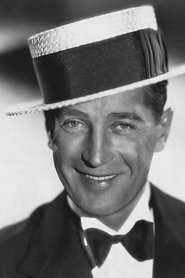 Maurice ChevalierJacques Paganel
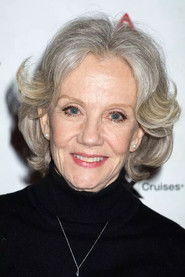 Hayley MillsMary Grant
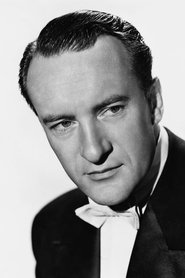 George SandersThomas Ayerton
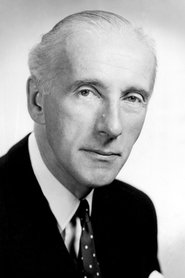 Wilfrid Hyde-WhiteLord Glenarvan
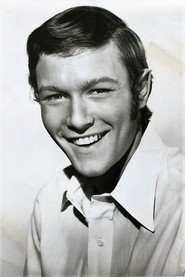 Michael Anderson Jr.John Glenarvan
 Antonio CifarielloIndian Chief
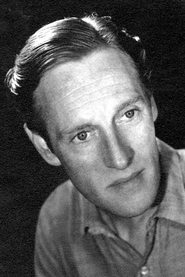 Wilfrid BrambellBill Gaye
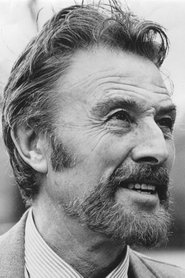 Jack GwillimCaptain Grant
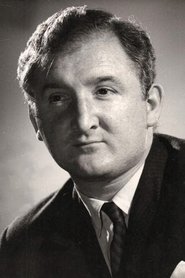 Ronald FraserGuard at Dockyard Gate
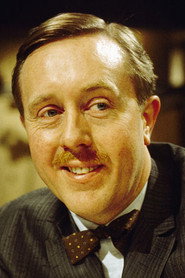 Norman BirdSenior Yacht Guard
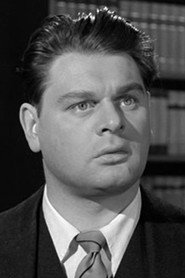 George MurcellAyerton's Assistant
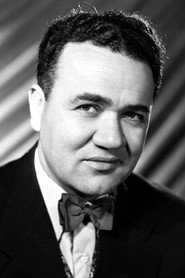 Inia Te WiataMaori Chief
Directing
- Robert StevensonDirector
- Peter BoltonSecond Unit Director
Writing
- Lowell S. HawleyWriter
Production
- Hugh AttwoollAssociate Producer
- Walt DisneyProducer
- Peter ManleyProduction Manager