
Film
Hollywood Ending
Woody Allen plays a washed-up director who gets a comeback opportunity directing a studio film for his ex-wife—but there's a catch: he's gone psychosomatically blind. It's Allen doing what Allen does best: mining neurosis for comedy while exploring whether professional desperation and romantic history can coexist. Ideal for fans of his '80s work who don't mind broad premise-comedy mixed with genuine melancholy.
If you liked this
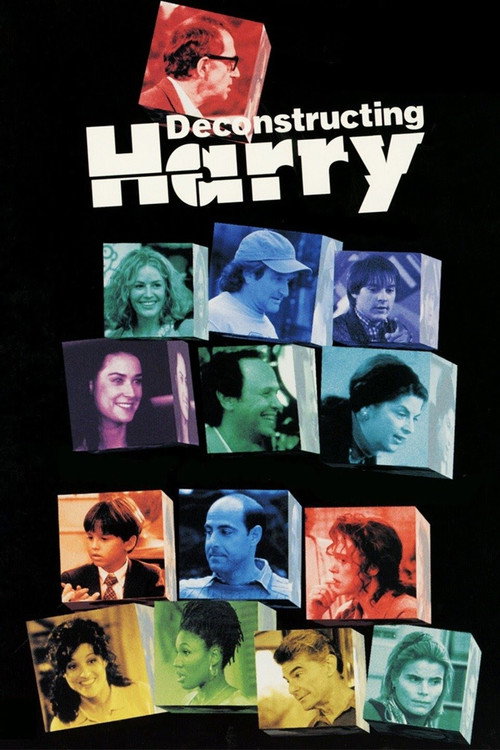
Deconstructing Harry1997
Allen's most unhinged riff on artistic failure and personal chaos. A filmmaker's life implodes across interconnected scenes; it's messier and funnier than Hollywood Ending, with the same DNA of self-loathing genius.
But The structure is deliberately fractured and can feel scattershot. Some sketches land harder than others, and Allen's cynicism here borders on caustic.
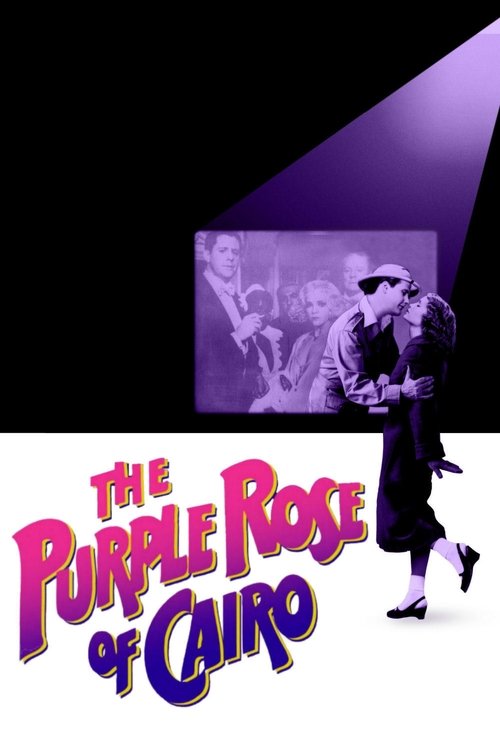
The Purple Rose of Cairo1985
Allen's most tender exploration of how cinema rescues us from ordinary life. A Depression-era woman falls for a fictional character who steps off the screen. It has Hollywood Ending's romantic vulnerability without the neurotic overdrive.
But It moves slowly and relies on a gentle, almost wistful tone. If you want rapid-fire jokes, you'll find it precious instead.
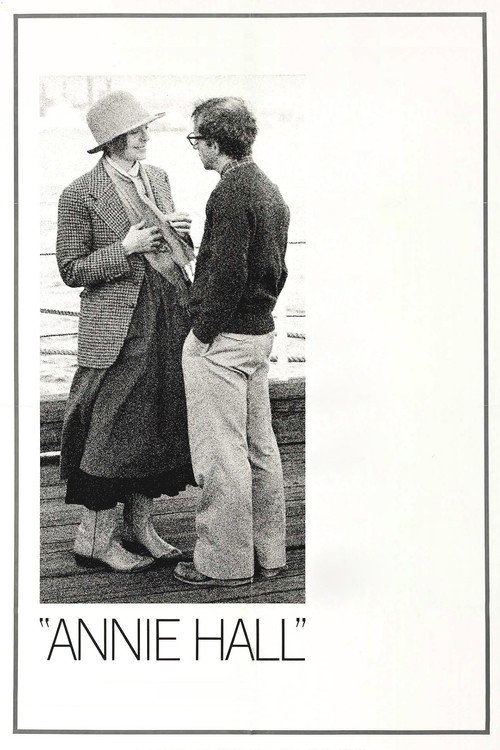
Annie Hall1977
The template for Allen's neurotic-romantic comedies. Still the sharpest, funniest dissection of how smart people sabotage their own happiness. Every scene is pitch-perfect; it's why Hollywood Ending exists.
But It's been canonized to death. The constant references and homages have calcified it into 'important' rather than fresh.
Not sure tonight? Get a pick in a minute, starting from Hollywood Ending
The wildcard
Something you would not have found on your own.
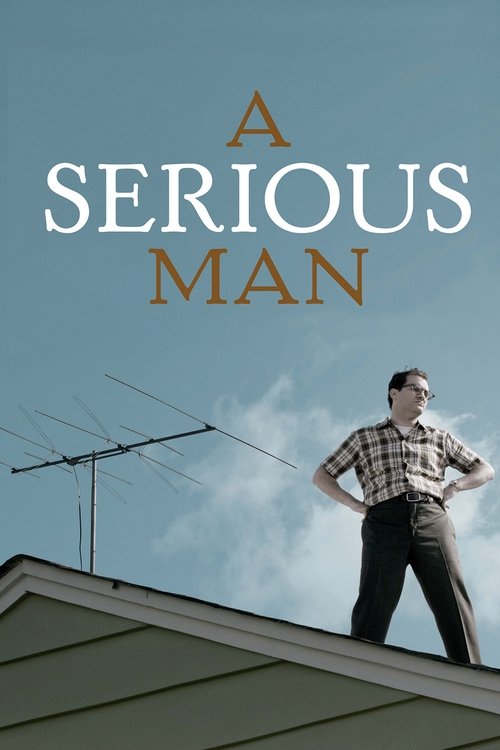
A Serious Man2009
Both films use physical or psychological disability as metaphor for a man's inability to see his own complicity in his failure. Both pivot on a professional comeback that hinges on someone else's emotional investment.
The Coen Brothers make a film that IS Woody Allen—a Jewish intellectual unable to parse the logic of his own suffering—but infinitely darker and more formally inventive. Larry Gopnik's blindness is spiritual, not literal, but the desperation is real.
But It's bleak. There's no cathartic ending or romantic resolution. It ends with you unsure if the protagonist has learned anything.
More like this (8)
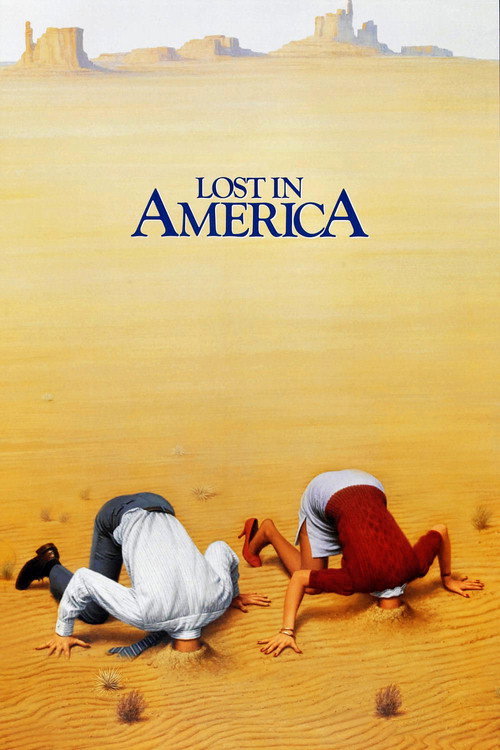
Lost in America1985
Albert Brooks directs and stars as a marketing executive having a midlife crisis. It has Hollywood Ending's premise-comedy energy but fiercer satire about ambition, marriage, and reinvention. Criminally underrated.
But The tone is more abrasive than Allen's. Brooks' character becomes increasingly unlikeable, and the film doesn't soften that for comedy's sake.
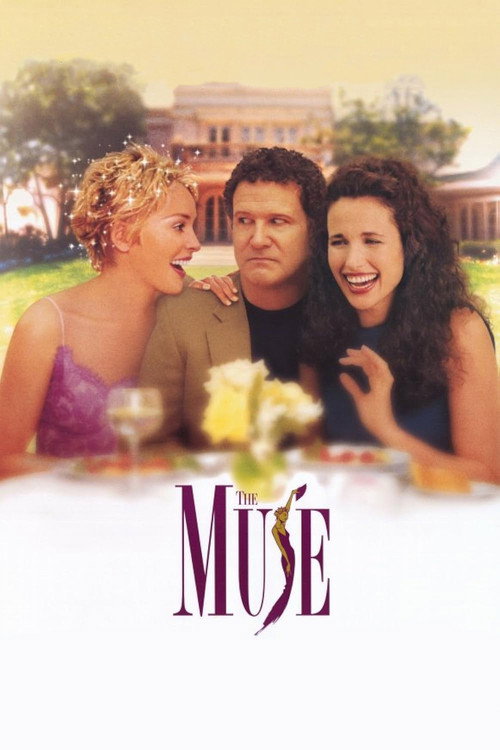
The Muse1999
Albert Brooks again, this time playing a blocked screenwriter who hires a woman claiming to be a muse. It shares Hollywood Ending's show-business backdrop and the premise that creative desperation makes you do ridiculous things.
But It's uneven. Some satirical jabs at Hollywood land; others feel thin and overexplained.
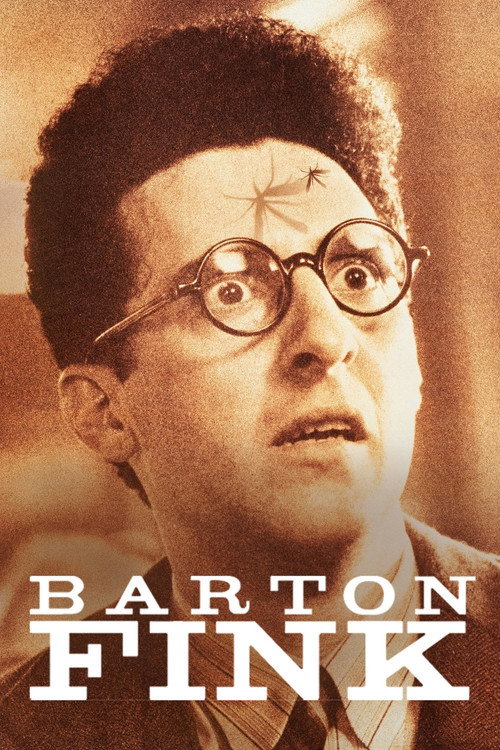
Barton Fink1991
The Coen Brothers' best film about artistic paralysis. A playwright moves to Hollywood and encounters a nightmare of compromised talent, real madness, and the gap between integrity and survival. Infinitely richer than Hollywood Ending.
But It's dark, sometimes grueling, and the ending is deliberately oblique. It won't give you easy answers or much comfort.
Sullivan's Travels1941
Preston Sturges' masterpiece about a successful comedy director who decides to make 'important' films about suffering. It's the ancestor of every movie about show business and self-delusion. Funny, heartbreaking, and wise.
But It's from 1941 and requires patience with mid-century pacing. The tonal shifts from comedy to genuine darkness can feel abrupt.

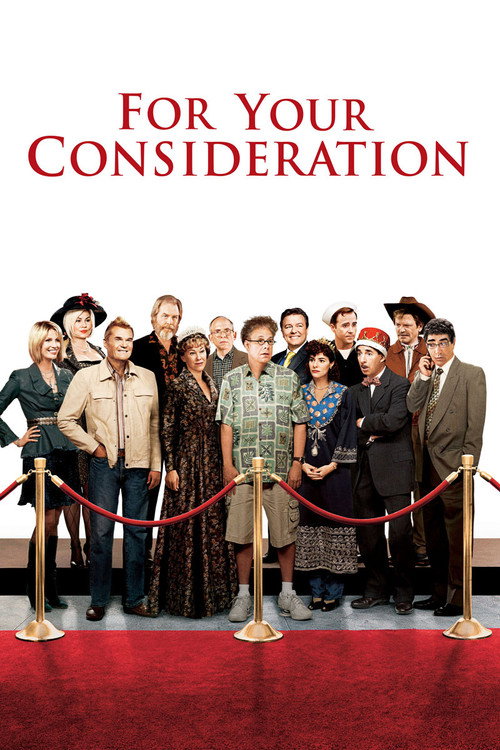
For Your Consideration2006
Christopher Guest's mockumentary about small-town actors making an independent film that suddenly gets Oscar buzz. It captures the desperation and delusion of show business with savage precision and genuine affection.
But It's a mockumentary with an ensemble cast and no clear protagonist. If you prefer focused narratives, it'll feel scattered and cold.
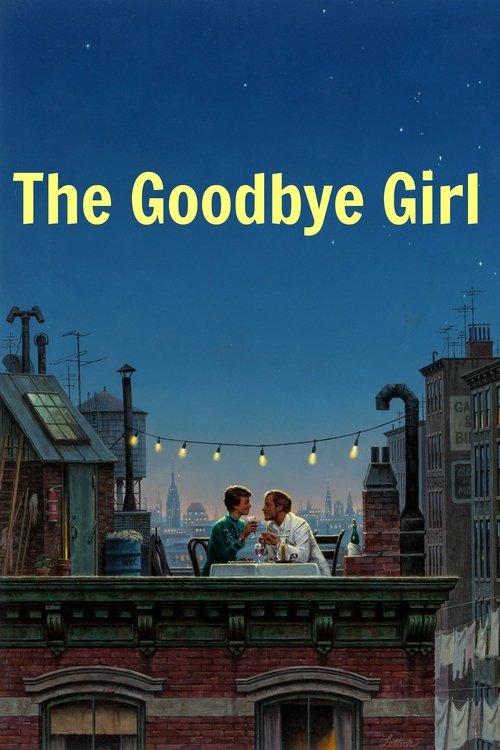
The Goodbye Girl1977
Richard Dreyfuss as an actor who moves in with Marsha Mason after her ex leaves her for his mistress. It's romantic comedy about theater people with real heart, chemistry, and none of Allen's neurotic performances.
But It's sentimental and straightforward. If you're after Allen's specific brand of intellectual anxiety, this trades that for earnestness.
Synecdoche, New York2008
Both films are about a middle-aged man of the arts whose professional desperation bleeds into personal and romantic chaos. Both use the act of making art as the central metaphor for unraveling identity.
Charlie Kaufman's only directorial feature. A theater director begins constructing an impossibly elaborate replica of New York inside a warehouse; the film becomes a hall of mirrors about art consuming life. It's what happens if Allen's premise gets fed through a fever dream.
But It's dense, deliberately confusing, and demands active work from the viewer. Three hours of metatheatrical collapse can feel suffocating rather than illuminating.

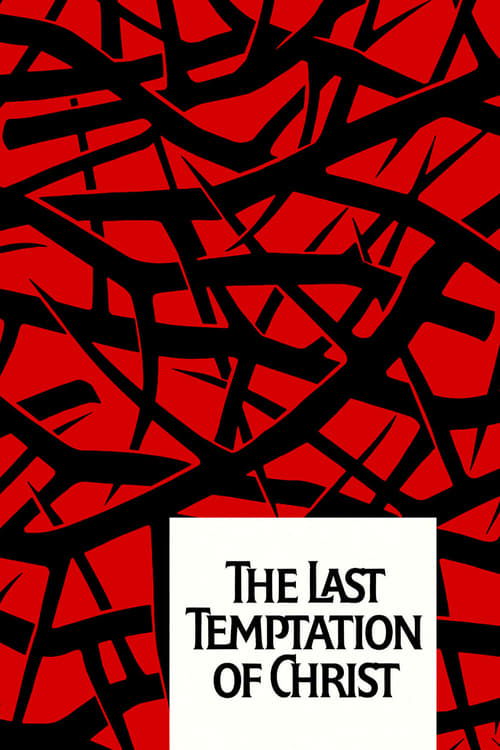
The Last Temptation of Christ1988
Both films are about a man who questions whether he's the right person for a world-historic job—and whether that doubt disqualifies him entirely. Both use their protagonists' crisis as a lens for larger questions about faith, identity, and meaning.
Martin Scorsese's Kazantzakis adaptation plays like Allen's premise—what if the central figure can't do his job?—but recasts it as theological emergency. Willem Dafoe's Christ doubts his mission; Scorsese's technique is baroque, ecstatic, formally daring in ways Allen never attempts.
But It's explicitly about doubt and failure as spiritual states, which can feel bleak and sometimes self-pitying. Some will find it blasphemous; others, pretentious.
People
Cast
 Woody AllenVal
 Téa LeoniEllie
 Debra MessingLori
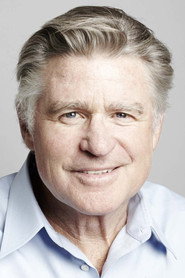
 Jodie MarkellAndrea Ford
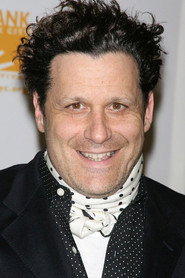 Isaac MizrahiElio Sebastian
 Marian SeldesAlexandra
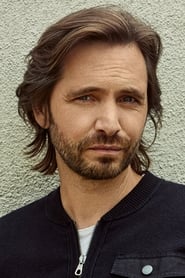 Aaron StanfordActor
 Tiffani ThiessenSharon Bates
 Mark WebberTony Waxman
Directing
- Woody AllenDirector
- Richard PatrickFirst Assistant Director
- Kay ChapinScript Supervisor
- Danielle RigbySecond Assistant Director
Writing
- Woody AllenScreenplay
Production
- Abby BaileyAssistant Accountant
- Lynn H. PowersAssistant Location Manager
- Alicia HaldenwangAssistant Production Coordinator
- Juliet TaylorCasting
- Laura RosenthalCasting
- Patricia Kerrigan DiCertoCasting Associate
- Charles H. JoffeCo-Executive Producer
- Jack RollinsCo-Executive Producer
- Helen RobinCo-Producer
- Stephen TenenbaumExecutive Producer
- Karen E. EtcoffExtras Casting
- Christie MullenLocation Manager
- Steve GuilbaudPayroll Accountant
- Letty AronsonProducer
- Pietro Lorino, Jr.Production Accountant
- Janice WilliamsProduction Supervisor
- Helen RobinUnit Production Manager