
Film
High Hopes
Mike Leigh's portrait of working-class London in the Thatcher era, following a couple caught between desire for stability and fury at a neighbourhood transforming around them. Painfully funny and achingly human, it finds comedy in real strain—the kind that makes you laugh and wince simultaneously. For anyone who loves character-driven stories about ordinary people under pressure.
If you liked this
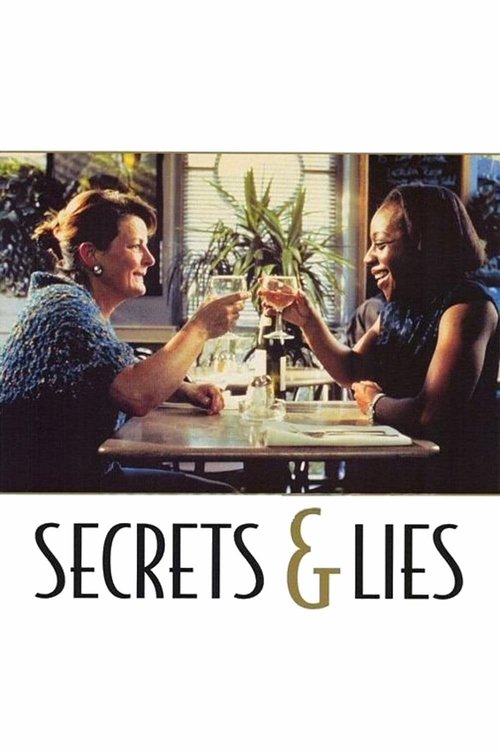
Secrets & Lies1996
Another Leigh masterpiece about family fracture and class anxiety, with an even larger ensemble unravelling across a dinner party. If you connected with High Hopes' blend of cringe and tenderness, this deepens everything you loved.
But Three hours long and the emotional payoff requires patience. Some find Leigh's improvisational style deliberately uncomfortable rather than revelatory.
Another Year2010
Leigh again, this time examining a happy couple and the broken people who orbit them. Quieter than High Hopes but equally sharp about class, time, and the ways lives diverge. Devastatingly perceptive.
But The perspective is almost cruelly detached. You won't feel warmth toward most characters, which some find exhausting rather than enlightening.

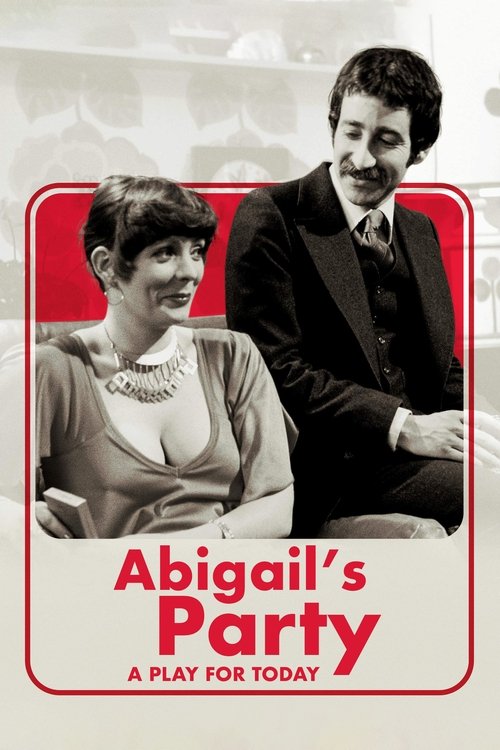
Abigail's Party1977
A single dinner party unfolds into a portrait of suburban anxiety and marital strain. Raw, dialogue-driven, and achingly funny about people trying desperately to belong. Made for television but unmissable.
But Shot entirely in one room with theatrical pacing. If you need narrative momentum or spectacle, the claustrophobia will wear thin fast.
Not sure tonight? Get a pick in a minute, starting from High Hopes
The wildcard
Something you would not have found on your own.
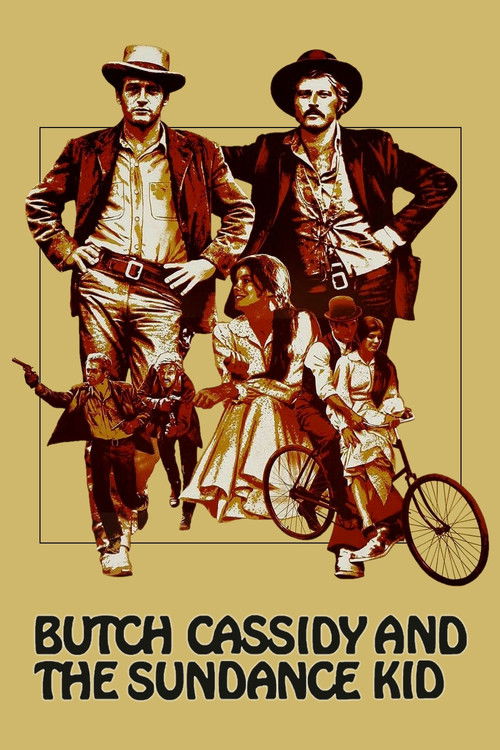
Butch Cassidy and the Sundance Kid1969
Both are kitchen-sink realist portraits of working-class Britain where economic strain becomes emotional and domestic ruin. Same era, same anger, different registers.
Ken Loach's parallel work—a boy and his hawk in industrial Yorkshire. Shot documentary-style with non-professionals, it captures the same class-conscious fury as High Hopes but through a child's eyes and with even greater tenderness. Utterly devastating.
But The ending is brutal and there's no mercy. The film's message—that the system crushes the vulnerable—is relentless.
More like this (7)
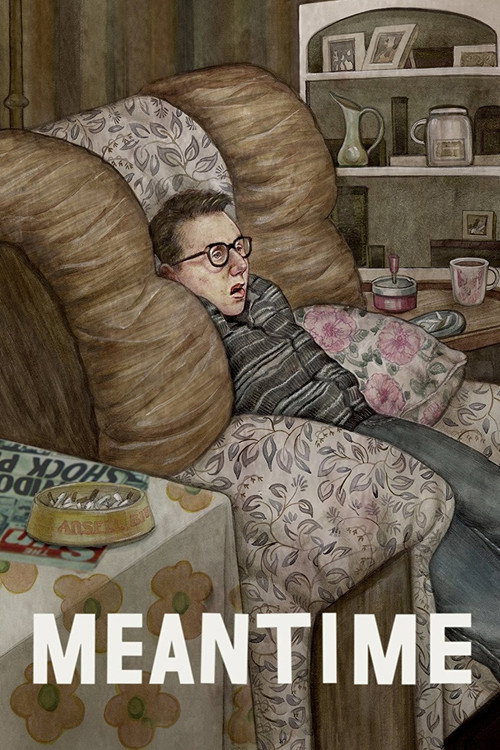
Meantime1983
Leigh's earlier work about unemployment and young men adrift in Thatcher's Britain. Darker and sharper than High Hopes, with a documentary urgency that cuts deep. Essential context for understanding his rage.
But Genuinely bleak and somewhat dated in its video aesthetic. The despair doesn't lighten, which some find punishing rather than purposeful.
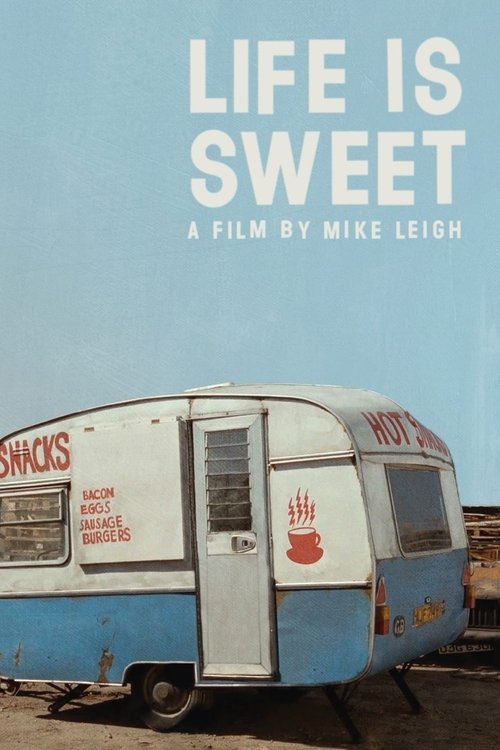
Life Is Sweet1991
Released just after High Hopes, another Leigh ensemble about family and aspiration, but sunnier in tone. Finds comedy in the same class tensions but with more affection for its characters' dreams, however modest.
But The warmth and eccentricity might feel slight compared to High Hopes' sharper edges. Less interested in anger than acceptance.
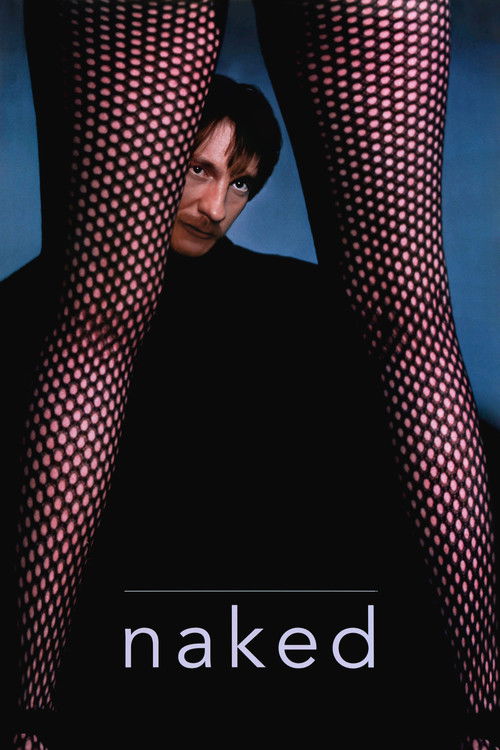
Naked1993
Leigh's darkest, most intellectually ferocious film. A brilliant, misanthropic wanderer through London observing the same world as High Hopes but with apocalyptic vision. Unflinching and magnificent.
But Relentlessly bleak, sexually violent, and philosophically exhausting. The protagonist's contempt for nearly everyone makes it a difficult watch, even for Leigh fans.
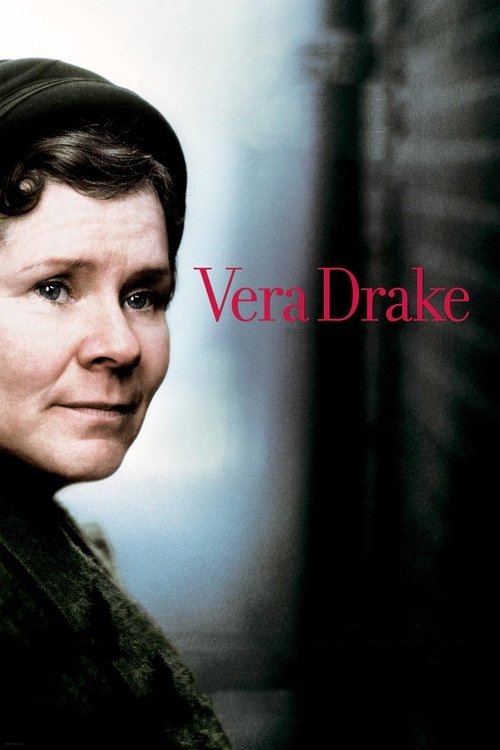
Vera Drake2004
A woman providing illegal abortions in 1950s London faces reckoning. Heartbreaking, precise, and morally complex in ways that feel urgent decades later. Proof Leigh's compassion deepens with age.
But Heavy subject matter treated with such restraint it can feel slow. Some find the period setting distance the material emotionally.
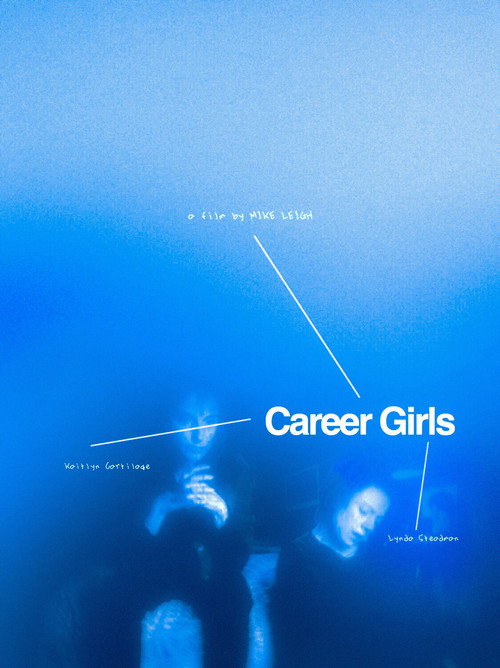
Career Girls1997
Two women reunite after years apart and reflect on choices made. Lighter in register than High Hopes but built on the same foundation of class observation and intimate character knowledge. Genuinely warm.
But The optimism might feel unearned if you prefer Leigh's sharper work. The flashback structure dilutes rather than deepens.
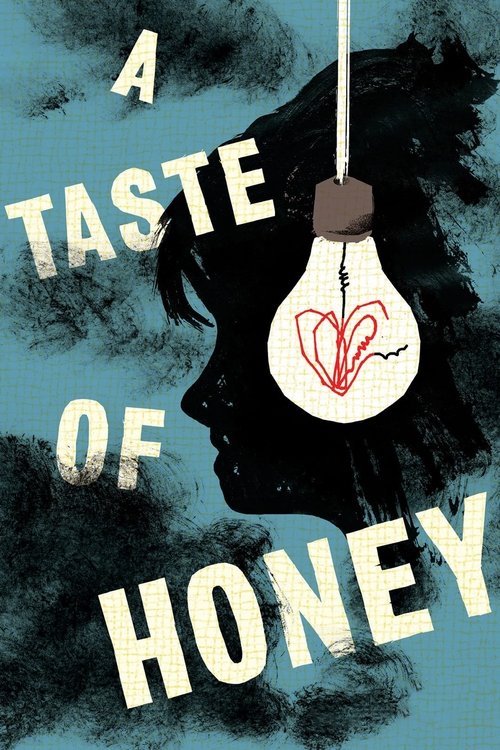
A Taste of Honey1961
Both films use working-class domestic spaces as stages for intimate moral dramas. Same world, same precision about how people actually speak and love, separated by decades but twins in spirit.
A young girl, her absent mother, and an unexpected friendship in industrial Manchester. Made in the same Loach tradition but earlier, it's tender and rebellious in equal measure. The class detail is anthropological. Stunning.
But The pacing is glacial by modern standards and the social attitudes around race and sexuality, though progressive for 1961, can feel dated. Black and white and slow.
In the Mood for Love2000
Both films understand that intimacy is often about proximity without connection. Cyril and Shirley's inability to truly reach each other, despite living together, mirrors the geometric separation of Wong's lovers. Same loneliness, different worlds.
Wong Kar-wai's ravishing, melancholic film about two neighbours who discover their spouses are having an affair. Gorgeously composed, it's a study of restraint and desire quite unlike High Hopes—but it shares the same architecture: two people in a confined space, unable to bridge the gap between them.
But Entirely visual language; dialogue matters less than colour, shadow, and posture. If you need plot momentum or explicit emotion, the mannered beauty will feel like constraint rather than revelation.

People
Cast
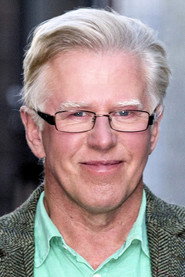 Phil DavisCyril Bender
 Ruth SheenShirley
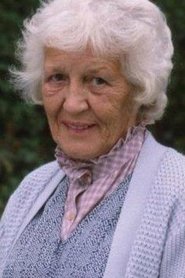 Edna DoréMrs Bender
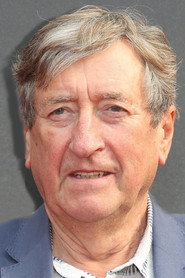 Philip JacksonMartin Burke
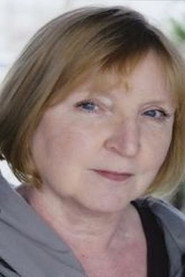 Heather TobiasValerie
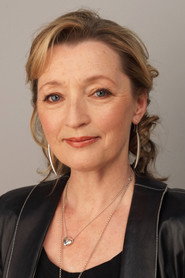 Lesley ManvilleLætitia Boothe-Brain
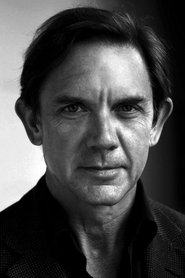 David BamberRupert Boothe-Brain
- Cheryl PrimeMartin's Girlfriend
- Judith ScottSuzi
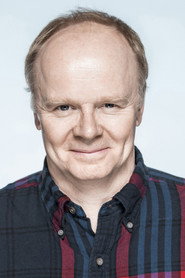 Jason WatkinsWayne
 Diane-Louise JordanChemist Shop Assistant
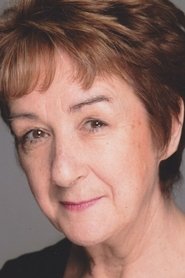 Linda BeckettReceptionist
Directing
- Dom ShawAssistant Director
- Mike LeighDirector
- Howard ArundelFirst Assistant Director
- Heather StorrScript Supervisor
- Marc MundenSecond Assistant Director
- David CarriganThird Assistant Director
Writing
- Mike LeighWriter
Production
- Mike D'SilvaAccountant
- John SiversAccounting Supervisor
- Sue WhatmoughCasting Director
- Tom DonaldExecutive Producer
- Micky MoynihanLocation Manager
- Maddy HallOther
- Simon Channing WilliamsProducer
- Victor GlynnProducer
- Claudine AidenbaumProducer's Assistant
- Pat HowellProduction Accountant
- Britt HarrisonProduction Coordinator
- John Paul ChappleProduction Executive
- Caroline HillProduction Manager
- Graham BroadbentProduction Runner
- Sue HayesUnit Manager