
Film
Doug Stanhope: No Refunds
Doug Stanhope's raw, unflinching stand-up captures a comedian operating without a net—unpolished, profane, and genuinely dangerous. He targets hypocrisy, mortality, and the absurdity of existence with the precision of someone who's lived hard enough to know what he's talking about. This is comedy for people who want to feel something real, not reassured.
If you liked this
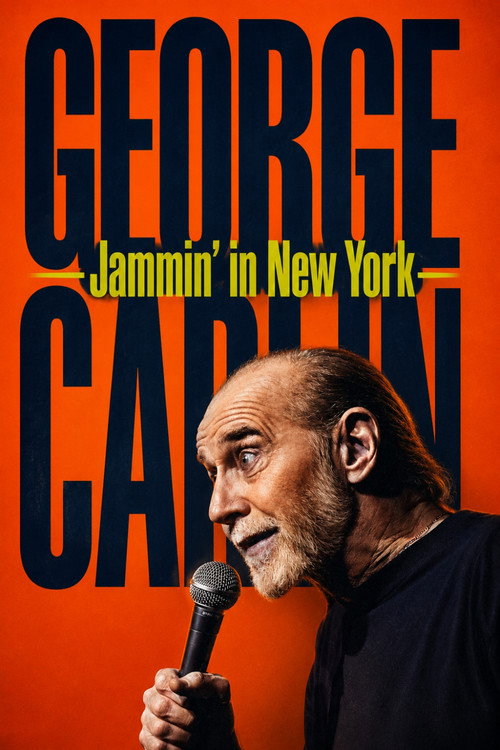
George Carlin: Jammin' in New York1992
The spiritual predecessor to Stanhope's approach: Carlin dismantles American institutions with surgical clarity and genuine rage. His rhythm and refusal to soften the landing set the template for comedians who see stand-up as truth-telling, not entertainment.
But His material is dated in specifics, and the 90s HBO aesthetic feels distant. Some targets feel obvious now, even if they weren't then.
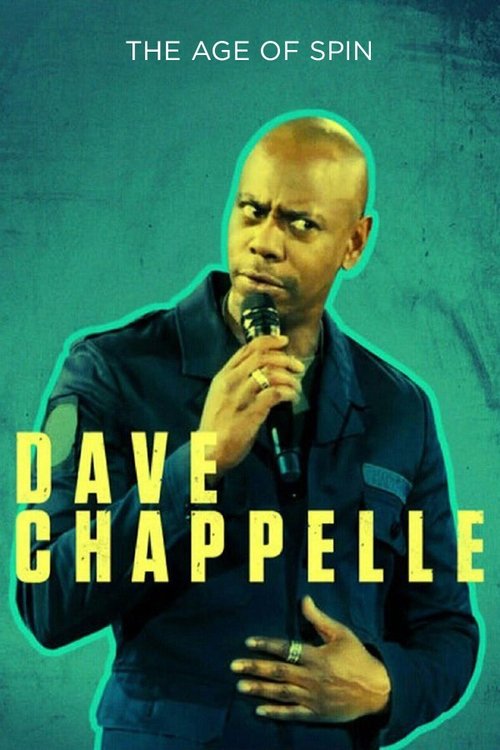
Dave Chappelle: The Age of Spin2017
Chappelle proves you can be wildly funny, deeply political, and structurally brilliant at the same time. His control and historical awareness show what stand-up becomes when a comedian refuses to play small.
But His later specials have stirred controversy; some find his perspective narrow or punching in directions that feel safer than transgressive.
Anthony Jeselnik: Thoughts and Prayers2015
Dark comedy at its most surgical. Jeselnik doesn't explain or soften—he commits fully to the bit's logic, trusting the audience to follow. It's a masterclass in comedic architecture from someone operating in the same uncompromising zone.
But His subjects are grim (suicide, tragedy, loss). The jokes land because they're precise, but they're jokes about genuinely awful things. That's the whole point, but it's not for everyone.

Not sure tonight? Get a pick in a minute, starting from Doug Stanhope: No Refunds
The wildcard
Something you would not have found on your own.
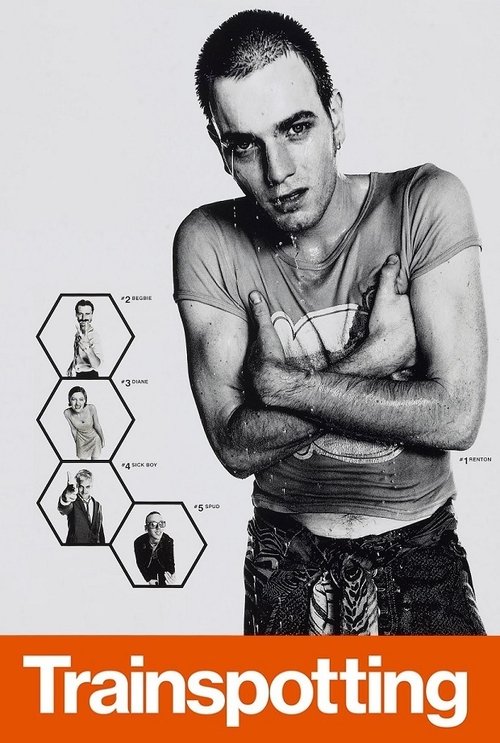
Trainspotting1996
Both operate in the same register: unflinching documentation of choices made by people who know better and do it anyway. Neither punches down or softens for comfort.
Danny Boyle captures the same moral recklessness and self-destruction as Stanhope's comedy, but in narrative form. It's unpolished, profane, and refuses redemption or easy answers. The texture of living badly is the entire point.
But It's viscerally disturbing—addiction, poverty, and degradation shown without flinching. Beautiful cinematography doesn't soften what you're watching.
More like this (4)
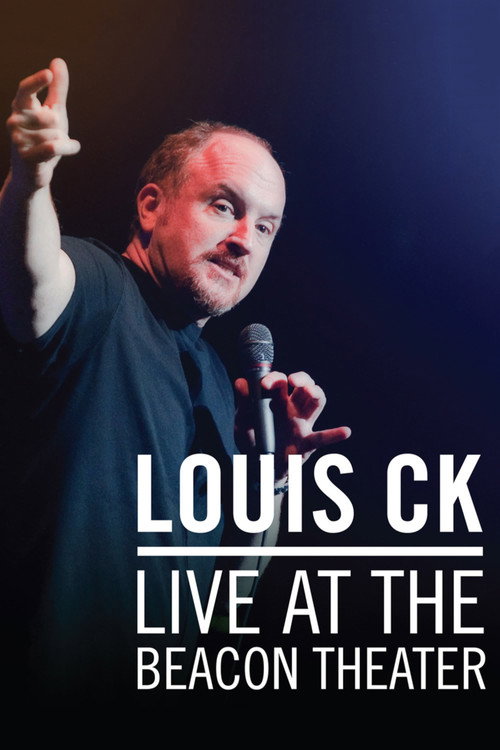
Louis C.K.: Live at the Beacon Theater2011
Louis strips away everything but himself and an idea. His willingness to follow thoughts to uncomfortable places, to change his mind mid-bit, mirrors Stanhope's refusal to polish. The texture of thought itself becomes the comedy.
But His pacing is deliberate and slow by design. You have to sit with the discomfort; there's no rhythm to ride on if you're not interested in the actual argument.
Maria Bamford: The Special Special Special!2012
An comedian with bipolar disorder making comedy about psychosis, medication, and mental illness without sentimentalizing it. The honesty is radical; she refuses the role of inspiration or cautionary tale. Just true.
But The meta-theatrical framing might feel precious to some. The subject matter requires a willingness to sit with real pain, not just edge-lord performance.

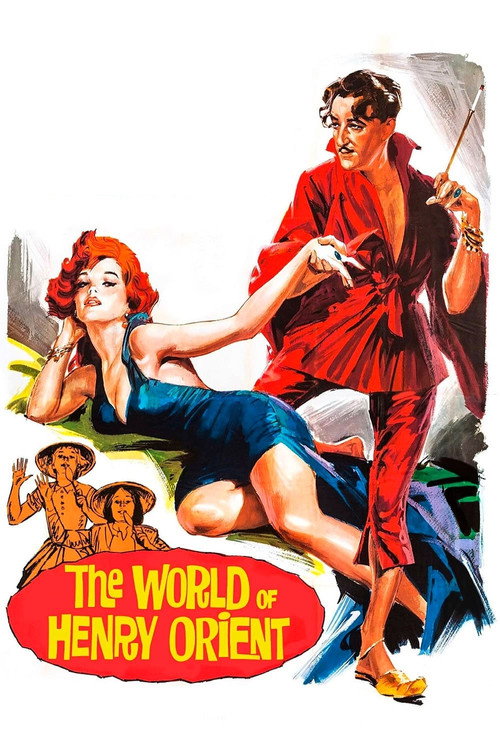
The World of Henry Orient1964
Both find comedy in unpolished truth rather than engineered bits. Neither is interested in making anyone comfortable, and both trust the audience to handle discomfort.
A 1960s comedy that's genuinely weird, unafraid of meanness, and structurally loose in ways modern movies won't allow. It finds comedy in moral failure and social misfits. That sensibility—comedy from character rather than setup—predates Stanhope but feels kin to it.
But The film is dated in ways that go beyond aesthetics; some jokes don't land now, and the pacing feels slow if you expect modern rhythm.
Requiem for a Dream2000
Both see self-destruction not as moral failure but as the human condition. Neither offers redemption or easy takeaways. The unflinching gaze is the entire work.
Aronofsky's film about addiction, delusion, and self-destruction across four lives has the same exhausting honesty as Stanhope's best work. It refuses to separate addiction into 'drug people' and 'normal people'—we're all running the same game.
But It's relentlessly dark and formally punishing. The repetitive editing becomes the point, which means it's designed to be difficult to watch. Not cathartic; devastating.

People
Cast
 Doug StanhopeHimself
Directing
- Milton LageDirector
Writing
- Doug StanhopeWriter