
Film
Deprogrammed
This 2015 documentary explores Ted Patrick's controversial deprogramming movement, where concerned parents hired professionals to forcibly extract and deindoctrinate cult members. It's a nuanced look at a shadowy 1970s practice that occupied a murky legal and moral space—presented straight, letting you wrestle with whether desperate interventions justified coercive methods. Essential viewing for anyone interested in cults, family trauma, or how far we'll go to save people.
If you liked this
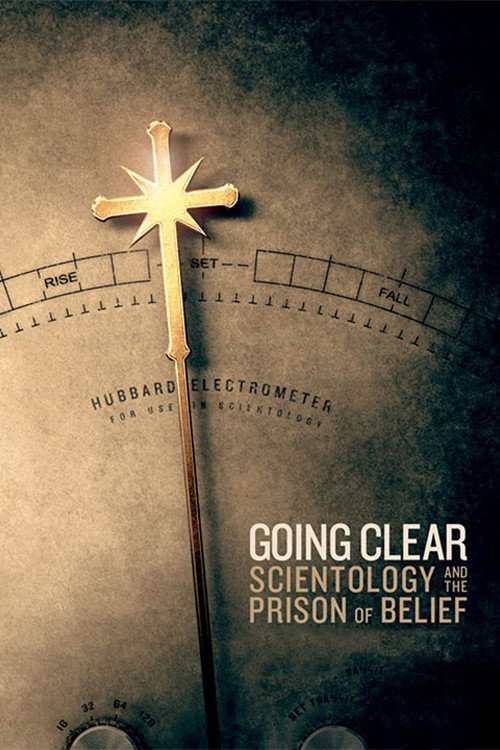
Going Clear: Scientology and the Prison of Belief2015
HBO's meticulous examination of Scientology's structure and methods offers illuminating parallels to deprogramming's central question: when is intervention justified? Gibney's investigative rigor grounds the same moral complexity.
But It's nearly two hours of institutional critique without much narrative momentum. Some scenes of testimony can feel repetitive if you're already familiar with Scientology's public controversies.
The Vow2020
This HBO series follows survivors escaping NXIVM, a real modern cult. It captures the psychological manipulation and family fracture that motivated deprogrammers, showing why parents became desperate enough to pursue illegal interventions.
But Some survivors' decision-making gets frustrating to watch. Pacing sags in the middle stretch before the legal resolution kicks in.
The Staircase2022
Like Deprogrammed, it's a meticulous examination of disputed methods and contested truth. Both films ask hard questions about what's admissible when families are at stake, and whether the system actually serves justice or just power.
But At eight episodes it demands real commitment. If you're watching purely for cult content, you'll find this is primarily a crime drama with philosophical undertones.
Not sure tonight? Get a pick in a minute, starting from Deprogrammed
The wildcard
Something you would not have found on your own.
Marjoe1972
Both documents the gap between what participants believe they're part of and what's actually happening—one from the outside forcing exit, one from inside exposing the machinery.
This Oscar-winning documentary is the inverse: a charismatic televangelist voluntarily revealing how he manipulates his congregation. Where Deprogrammed asks who gets to extract people from influence, Marjoe shows the mechanics of influence itself from the inside.
But It's shot on 70mm film stock with the grain and color saturation of its era, which can feel distant. The preachy subject matter bores some viewers regardless of the exposé angle.
More like this (6)
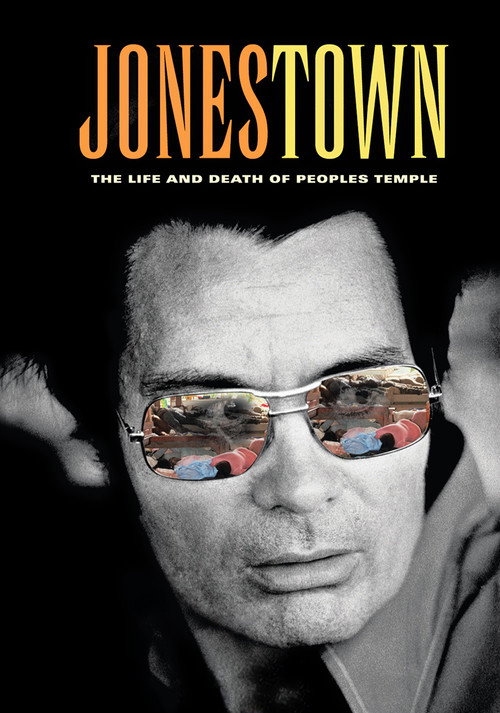
Jonestown: The Life and Death of Peoples Temple2006
This PBS documentary contextualizes the desperation that fueled deprogramming movements. Understanding Jonestown's tragedy explains why families felt they had no legal recourse and turned to underground methods.
But The archival footage and subject matter are inherently disturbing. It's essential but heavy, and offers less direct engagement with deprogramming as practice.
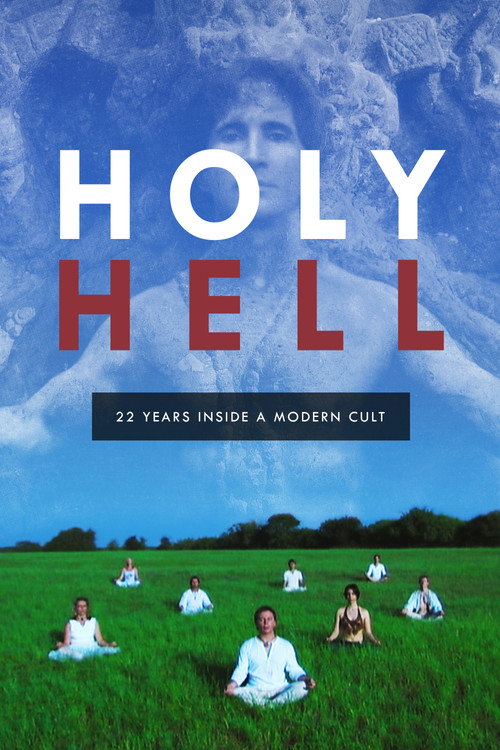
Holy Hell2016
Shot almost entirely from inside a Los Angeles cult across two decades, this is visceral documentation of how indoctrination actually works day-to-day. It's the lived experience that deprogrammers claimed they were fighting against.
But The repetitive cult footage can feel numbing. Some viewers find the protagonist's passivity maddening rather than clarifying about cult psychology.
Tickled2016
A stranger documentary that shares Deprogrammed's interest in obsession, coercion, and the question of consent. Both films examine how people get trapped in situations they can't easily escape or articulate as problems.
But The subject matter is bizarre enough that some viewers find it trivializes more serious coercion. The tonal whiplash between absurdity and darkness won't work for everyone.
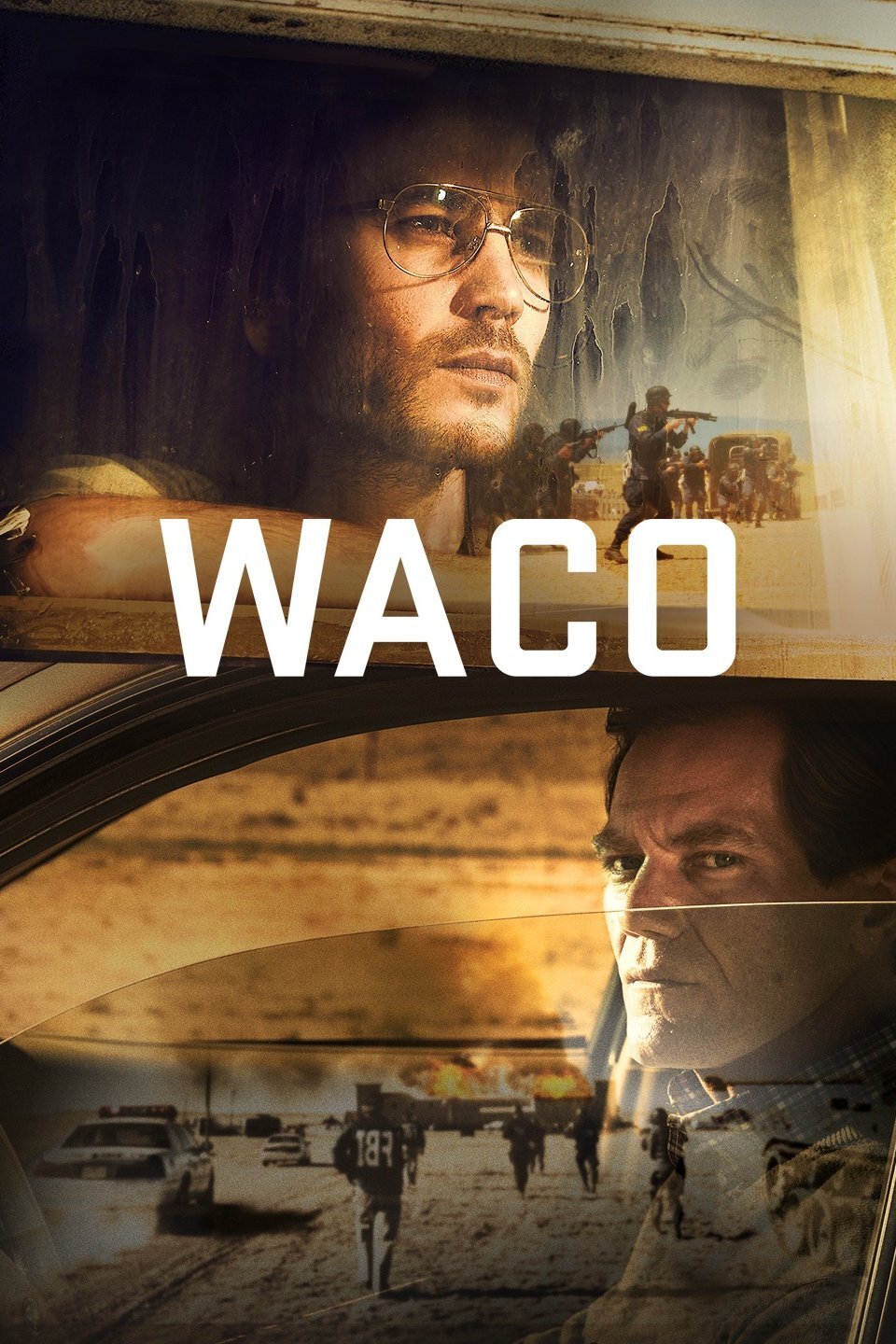
Waco2018
This Paramount+ miniseries dramatizes a siege that deprogrammers' methods helped inspire law enforcement thinking about. It's the institutional aftermath of the deprogramming era, showing how coercion escalated into tragedy.
But As dramatization rather than documentary, it takes liberties that some find frustrating. The pacing is deliberately slow in ways that feel more like prestige TV than urgent investigation.
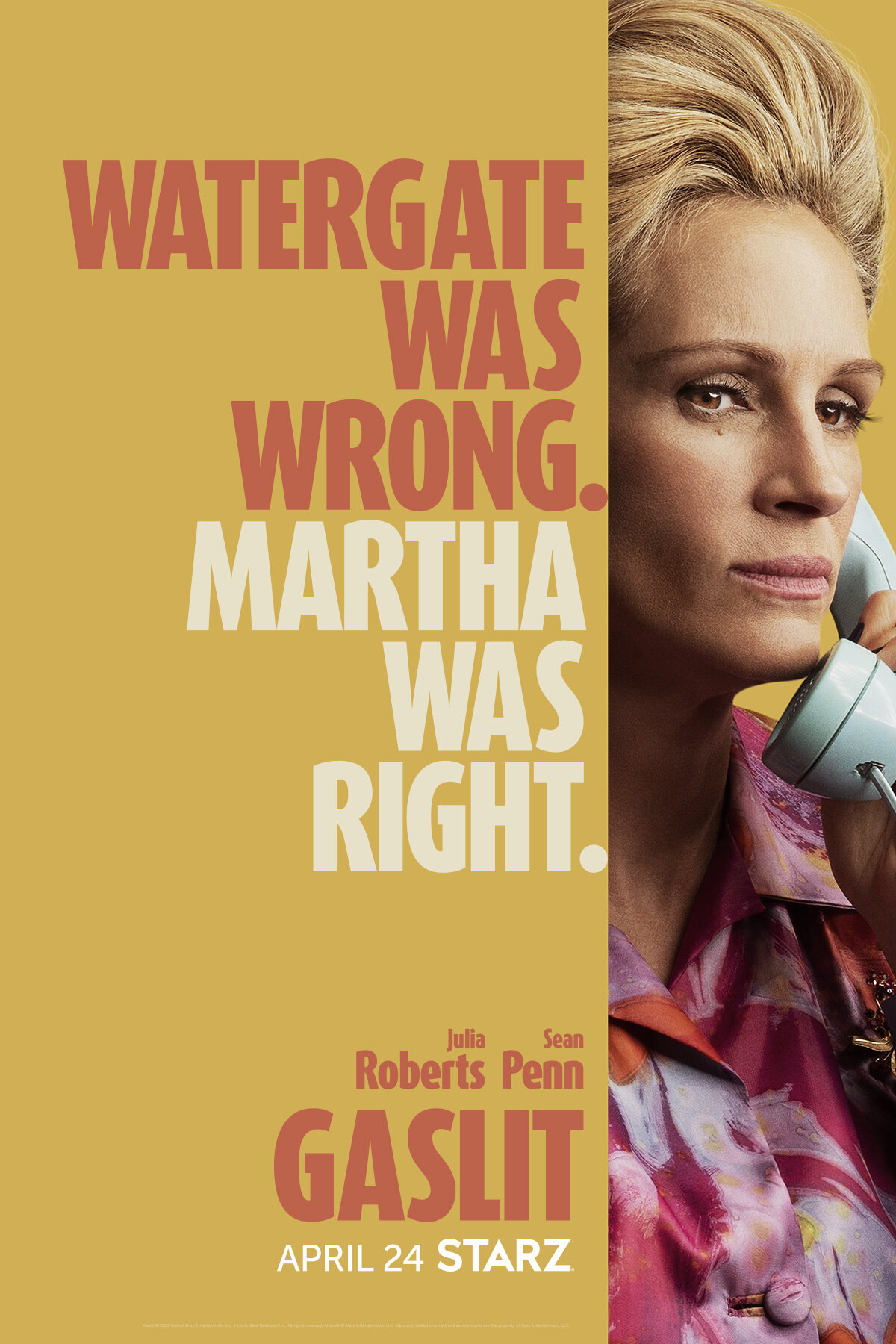
Gaslit2022
Both explore what happens when families become convinced someone they love is captured by false consciousness—and how that conviction justifies extraordinary measures, legal or otherwise.
This Starz miniseries dramatizes Martha Mitchell's fight against institutional gaslighting and family pressure during Watergate. It's about coercion and isolation in a completely different context, but the psychological warfare mirrors deprogramming's core tension: whose reality counts?
But It's a period political drama first, not a documentary. Some find Julia Roberts' performance mannered, and the historical-fiction format feels safer than actual testimony.
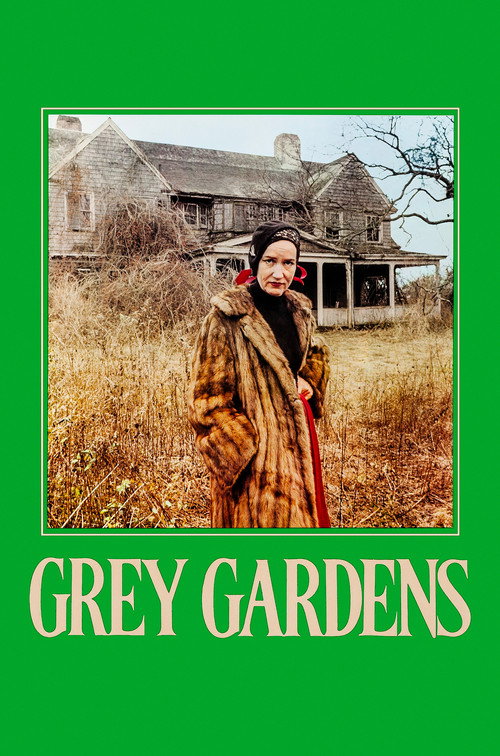
Grey Gardens1976
Both films refuse easy judgment about when someone is 'captured' versus when they're simply making choices you wouldn't make. Both ask whether love justifies forced intervention.
The Maysles' unsettling documentary about two isolated wealthy women living in decay. It has nothing to do with cults, but everything to do with deprogramming's core fear: the moment you stop recognizing the person you're looking at, and whether intervening is rescue or violation.
But There's no narrative resolution and no clear moral stance. It's deliberately ambiguous about whether the women are victims or simply living as they choose, which some find insufferably pretentious rather than honest.
People
Cast
- Ted PatrickSelf - Deprogrammer
 Mia DonovanSelf / Narrator (voice)
- Matthew RobinsonSelf
- Aaron ChristSelf - The Christ Family
- Steve CapelliniSelf - Former member of The Unification Church (Moonies)
- Stephen A. KentSelf - Professor of New Religions
- Jim SiegelmanSelf - Author
- Flo ConwaySelf - Author
- Cheryl ProkoshSelf - Former member of The Christ Family
- Kathy CramptonSelf - Former member of the Love Family
- Rick Alan RossSelf - Deprogrammer/Cult Expert
- Dan EyinkSelf - Rudrananda Ashram
Directing
- Mia DonovanDirector
Writing
- Mia DonovanWriter
Production
- Daniel CrossExecutive Producer
- Mila Aung-ThwinExecutive Producer
- Bob MooreProducer