
Film
Batman & Robin
Joel Schumacher's 1997 Batman film is a neon-drenched, earnestly campy take on the Dark Knight mythos. It's wildly ambitious in how little it cares about coherence, tone, or the source material's darker edges. Built for viewers who find entertainment in spectacle, excess, and unironic earnestness—and for those fascinated by how badly a megabudget can go sideways.
Should you watch it?
Watch it if you love campy, candy-coloured superhero spectacle where the gloss, the one-liners and the neon set pieces matter more than moody realism, and you're happy to laugh with a film rather than at it.
Skip it if you want the brooding, grounded Batman of recent years; this one leans hard into puns, cartoonish villains and big-budget excess, and the tone can feel loud and wearing over two hours.
What it asks of you: It runs a little over two hours and keeps moving at a brisk, hyperactive clip, so you'll need to surrender to the chaos rather than hunt for logic or subtlety along the way.
Not sure? Find tonight's pick in a minute.
If you liked this
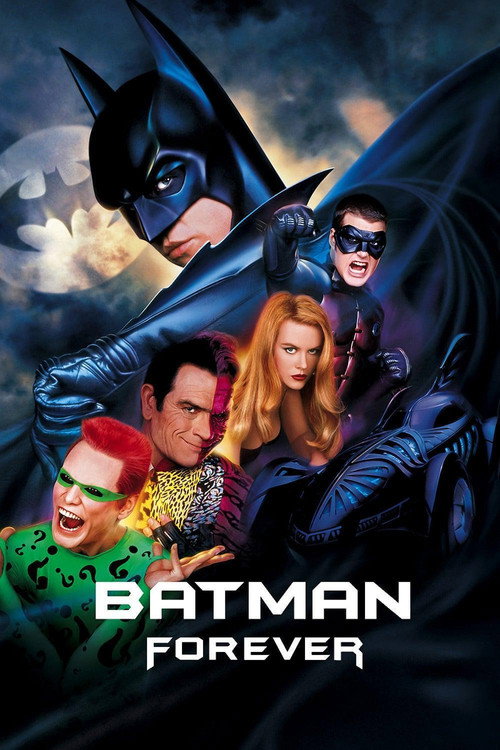
Batman Forever1995
The direct predecessor to this film, equally stylized but slightly more restrained. Schumacher's template is here in embryo: garish Gotham, theatrical villains, rubber nipples. It's the rehearsal for the main event.
But Val Kilmer's Batman is weirdly introspective and slow-paced. The film struggles between camp and darkness without committing to either, which makes it frustrating rather than fun.
Superman III1983
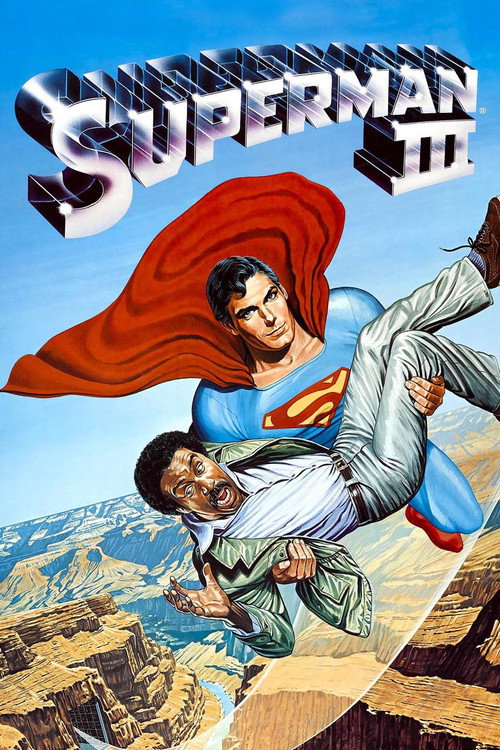
The patron saint of tone-deaf blockbuster sequels: Richard Pryor, a possessed supercomputer, and Richard Lester's bewildering direction. It shares Batman & Robin's refusal to play it straight, minus the self-awareness that makes some camp work.
But It's genuinely boring despite its chaos. The good will from the first two films is almost completely squandered, and it shows.
The Flash2023
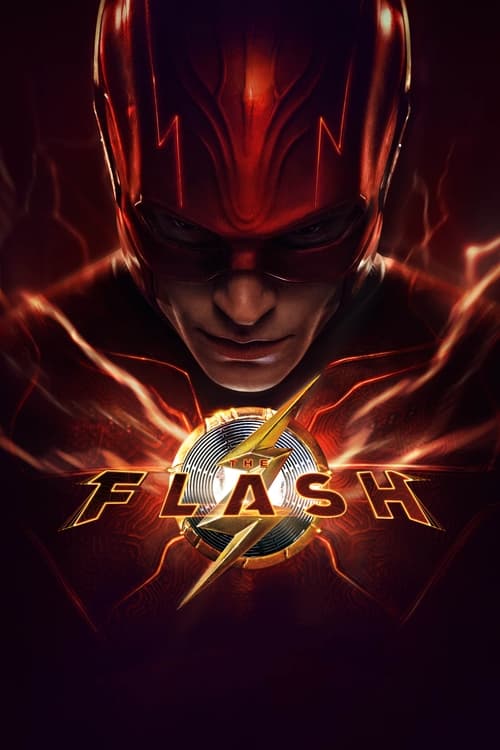
A recent DC film that similarly struggles with multiple heroes, villain motivations that don't hold up, and a tone that lurches unpredictably. It's proof the studio hasn't solved these problems two decades later.
But It's bloated and murky where Batman & Robin at least commits to its luridness. There's no pleasure in its incoherence.
Not sure tonight? Get a pick in a minute, starting from Batman & Robin
The wildcard
Something you would not have found on your own.
Judge Dredd1995
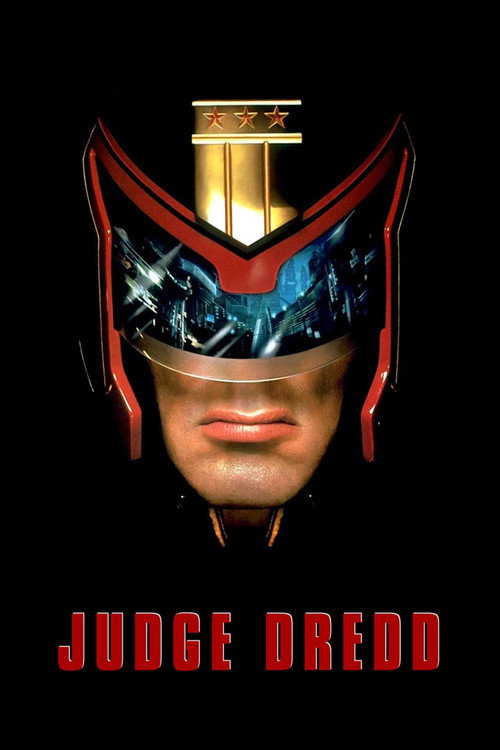
Both are blockbusters from the same era that chose spectacle and tone-deafness over narrative coherence, and both have aged into cult favorites precisely because they refused to play it safe.
Sylvester Stallone in a massive future-dystopia that commits fully to its own silliness: exploding buildings, over-the-top dialogue, Rob Schneider as comic relief in a tech-noir hellscape. It knows exactly what it is and doesn't apologize. Pure spectacle without the pretense.
But It's not visually coherent—the production design is chaotic and the editing is harried. The pacing assumes you're entertained just by things happening.
More like this (8)
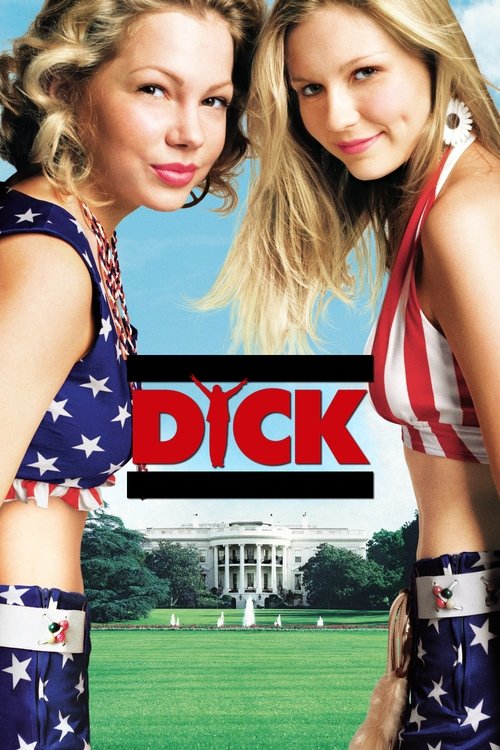
Dick1999
Andrew Fleming's film about two teenage girls who accidentally discover Batman's identity. It's genuinely funny, affectionate toward superhero absurdity, and understands what's actually entertaining about the genre's sillier moments.
But It's a comedy about Batman, not a Batman film. If you want the spectacle and stakes, this isn't it.
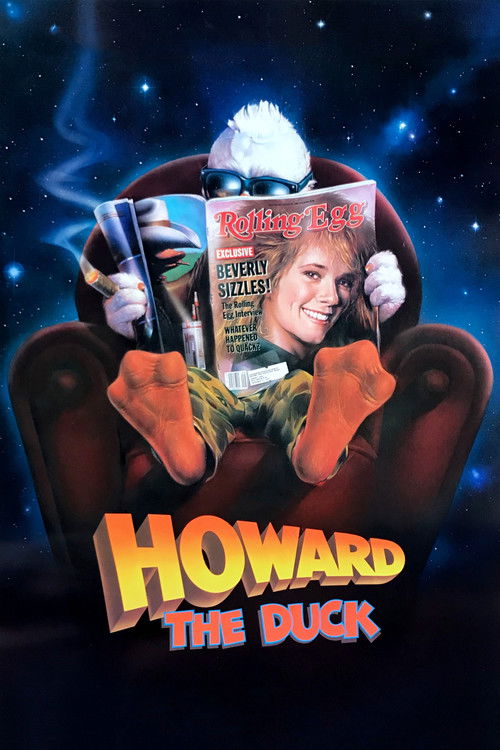
Howard the Duck1986
Willard Huyck's legendarily terrible adaptation has more honest weirdness in it than films ten times its budget. It swings for the fences and misses spectacularly, which is somehow more interesting than competent mediocrity.
But It's genuinely difficult to sit through. The awfulness isn't charming; it's just wearing.
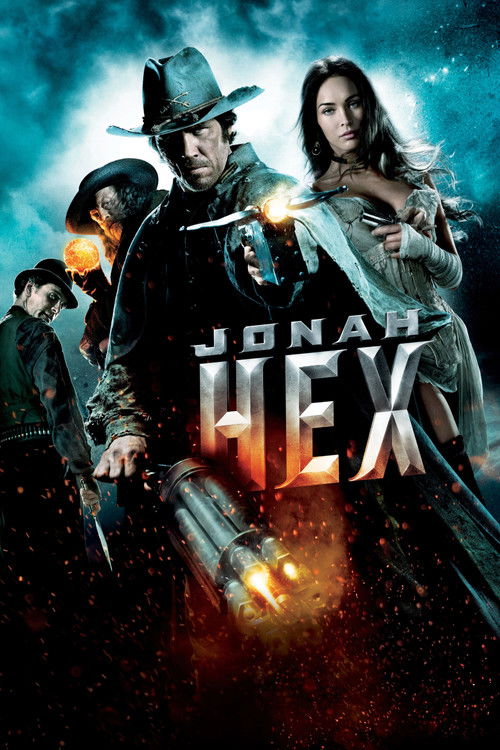
Jonah Hex2010
Josh Brolin as a Western antihero with a scarred face, time-traveling steampunk weapons, and Megan Fox as a prostitute with a heart of gold. It's a B-movie that somehow got a $100 million budget and the results are hilariously mismatched.
But At 81 minutes it's a slog. The pacing is baffling and nothing lands, not even the bad taste moments that might redeem it.
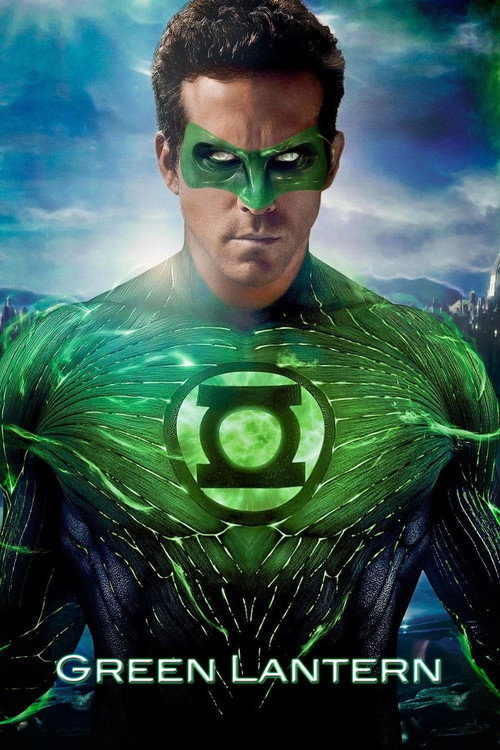
Green Lantern2011
Ryan Reynolds, a billion dollars, and absolutely no idea what story to tell. The suit is all bad CGI, the villains are shapeless, and the whole thing plays like a feature-length proof of concept for technology that didn't work.
But It's aggressively dull. Even Reynolds's natural charm can't cut through the incompetence.
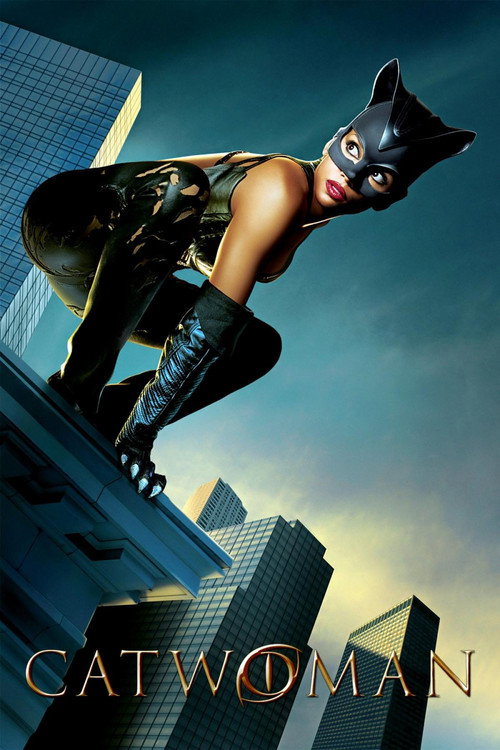
Catwoman2004
Halle Berry as Catwoman in a film with no Batman, no Gotham, no connection to anything—just a woman who gets scratched by a cat and gains superpowers. The commitment to its own wrongness is almost admirable.
But It's a chore to watch. The action sequences are poorly shot, the plot is nonexistent, and it mistakes randomness for energy.
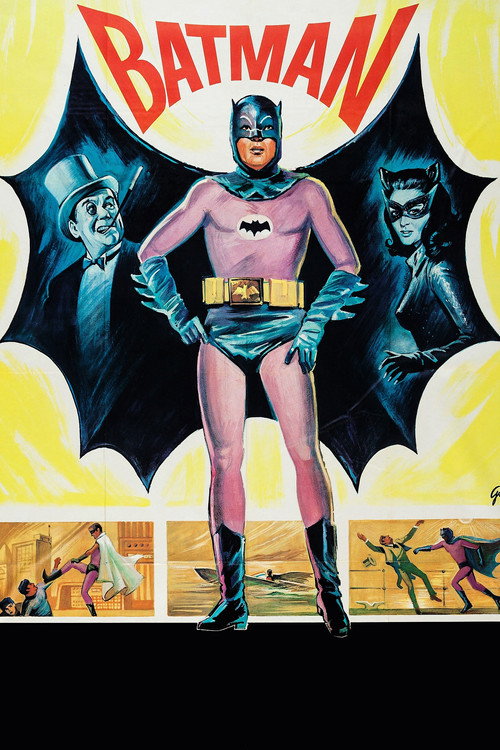
Batman1966
Adam West and Burt Ward's feature-length Batman film, campy by design and genuinely clever about it. This is what intentional camp looks like—everything Batman & Robin wants to be but achieves by accident rather than design.
But It moves slowly and relies on 1960s sensibilities. Modern viewers expecting action will find it mannered and static.
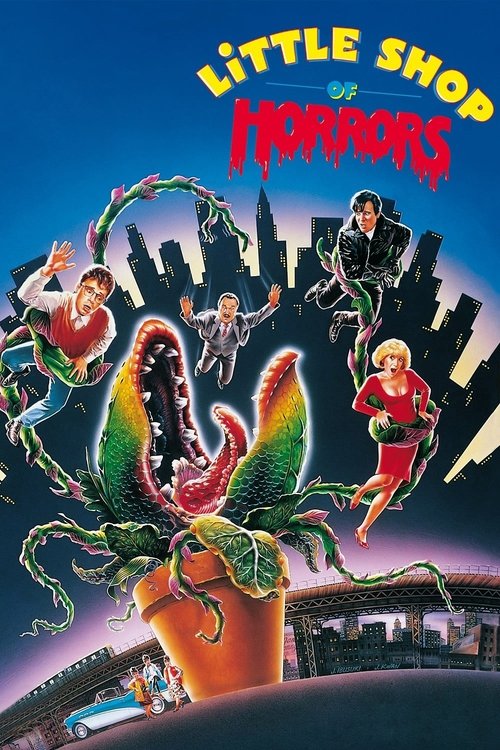
Little Shop of Horrors1986
Both films abandon realism for heightened theatricality and rubber creatures, but where Batman & Robin's camp is accidental, this film's is engineered and earned through craft and commitment.
Frank Oz's musical takes camp seriously as a register and makes it sing. Steve Martin as a dentist obsessed with pain, a man-eating plant that wants to destroy civilization, and every note of pure theatrical joy. This is how to do excess with actual technique.
But It's a full musical. If you don't enjoy that particular form of storytelling, the artificiality will feel like a barrier rather than a feature.
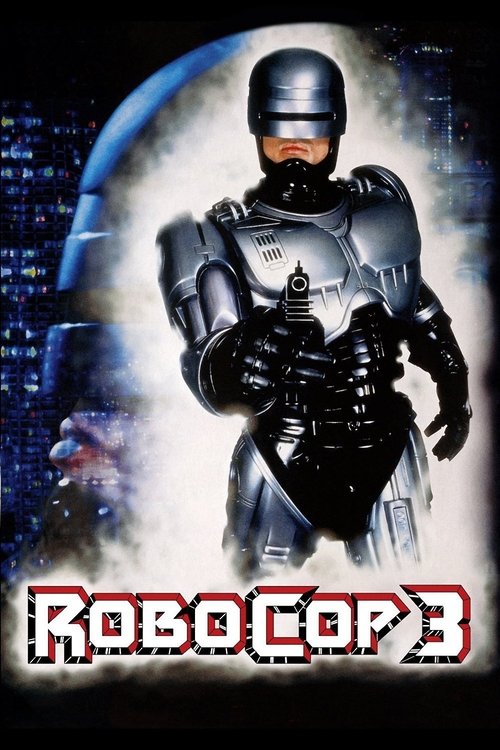
RoboCop 31993
Both are big-budget sequels that abandoned their franchise's identity and commitment to a single tone, instead embracing pure mayhem as a structural principle.
Fred Dekker's film trades the original's satire for outright absurdism: a jet-pack-equipped RoboCop, cartoonish villains, a 12-year-old hacker, exploding bodies. It's a franchise abandoned to chaos and the results are strangely liberating.
But It disrespects everything the first film established. If you want continuity or coherence, this actively resists it.
People
Cast
 George ClooneyBatman / Bruce Wayne
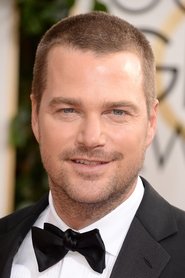 Chris O'DonnellRobin / Dick Grayson
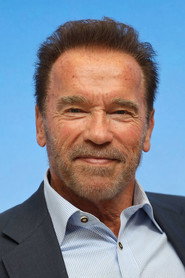 Arnold SchwarzeneggerMr. Freeze / Dr. Victor Fries
 Uma ThurmanPoison Ivy / Dr. Pamela Isley
 Alicia SilverstoneBatgirl / Barbara Wilson
 Michael GoughAlfred Pennyworth
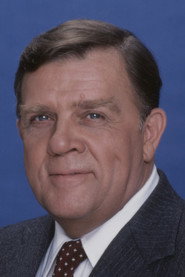 Pat HingleCommissioner Gordon
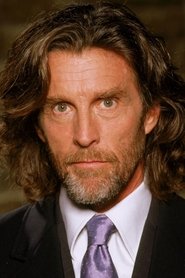 John GloverDr. Jason Woodrue
 Elle MacphersonJulie Madison
 Vivica A. FoxMs. B. Haven
 Vendela KirsebomNora Fries
 Elizabeth SandersGossip Gerty
Directing
- Joel SchumacherDirector
- William M. ElvinFirst Assistant Director
- Andrew BernsteinSecond Assistant Director
- Rich SicklerSecond Second Assistant Director
- Peter MacDonaldSecond Unit Director
Writing
- Bob KaneCharacters
- Akiva GoldsmanWriter
Production
- Ricky CuevasAssistant Accountant
- Randy FlosiAssistant Location Manager
- Mitchell E. DauteriveAssociate Producer
- Mali FinnCasting
- Emily SchweberCasting Associate
- William M. ElvinCo-Producer
- James W. KristoffExecutive In Charge Of Production
- Benjamin MelnikerExecutive Producer
- Michael UslanExecutive Producer
- Vanessa PortilloExtras Casting
- Katie ZaslawFirst Assistant Accountant
- Ellen SomersHead of Production
- Bobbie BlyleKey Set Production Assistant
- Laura Sode-MattesonLocation Manager
- David RomanoPayroll Accountant
- Jeannine JonesPost Production Coordinator
- Peter Macgregor-ScottProducer
- Kimberly JaseProduction Accountant
- Barclay CrenshawProduction Assistant
- Trevor WatersonProduction Coordinator
- Mitchell E. DauteriveProduction Supervisor
- Barry H. WaldmanUnit Production Manager