
Film
Anuranan
Anuranan is a quietly observant portrait of two couples navigating marriage, desire, and compromise in contemporary Kolkata. Director Srijit Mukherji traces how friendships reshape when lives collide—how proximity can clarify what we want, or cloud it entirely. It's tender and unsentimental, interested in the small fractures that widen between people who love each other.
Should you watch it?
Watch it if you like slow, conversational films about marriages and friendships, where the emotional weather shifts in glances and pauses rather than big confrontations, and you don't mind sitting with unanswered feelings.
Skip it if this is a quiet, talky Bengali drama with little plot to hang onto, so if you need momentum or a clear through-line, the restraint may feel like drifting.
What it asks of you: Roughly two hours of attentive, unhurried viewing, where the meaning sits in what characters leave unsaid rather than in what they explain.
Not sure? Find tonight's pick in a minute.
If you liked this
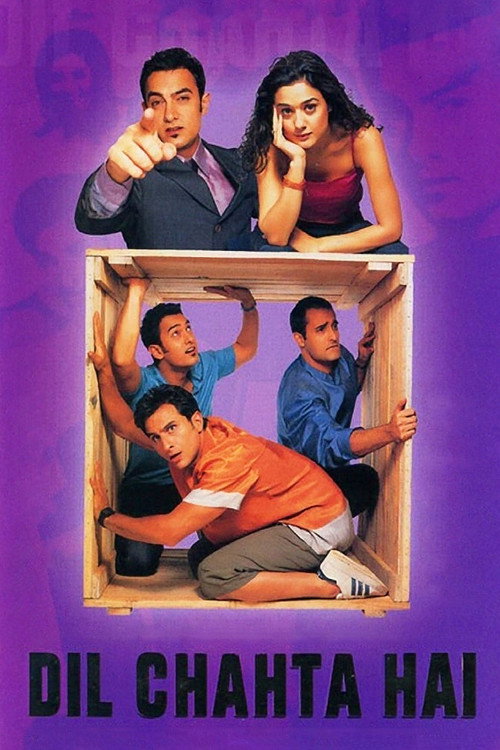
Dil Chahta Hai2001
Farhan Oxymoron's debut established a template for intelligent Indian romantic drama: friendships matter as much as love, conversations matter as much as plot. You'll recognize the DNA here, but Anuranan takes it somewhere darker.
But It's deliberately paced and hinges on emotional nuance rather than incident. If you need a story to *happen*, this will feel slow.
English, August1994
Another Bengali meditation on restlessness and displacement, though in a different key. Both films trust you to feel what's unsaid. Dev Benegal's debut has the same precise, melancholic eye.
But Shot on video in 1994 and it shows. The image quality is deliberately rough, which takes some adjustment.
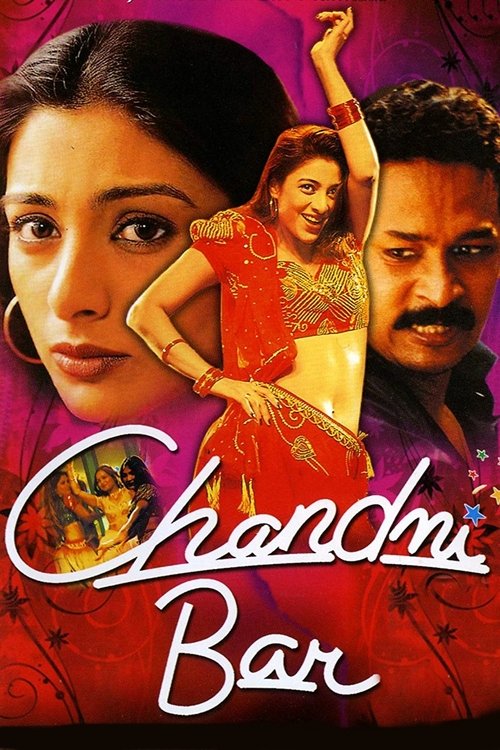
Chandni Bar2001
Madhur Bhandarkar's unflinching look at damage and survival. Like Anuranan, it refuses to sentimentalize its characters' compromises—it just watches what happens when desire and circumstance collide.
But This is brutal in ways Anuranan isn't. If you want gentleness, this will wound you.
Not sure tonight? Get a pick in a minute, starting from Anuranan
The wildcard
Something you would not have found on your own.
Mulholland Drive2001
Both use doubling—two versions of the same relationship, two selves—to explore how love distorts our sense of truth. Both suggest that fidelity and infidelity, happiness and ruin, might be versions of the same story told by different narrators.
David Lynch's dissection of how narrative itself fails us—how we rewrite our own stories to survive them. Different surface entirely, but underneath: the same intuition that desire and self-deception are inseparable, that what we tell ourselves about love is a kind of fiction we need.
But It's avant-garde, fractured, and three hours long. If you want your story told straight, this will frustrate you profoundly. The ending requires you to hold two incompatible realities at once.

More like this (8)
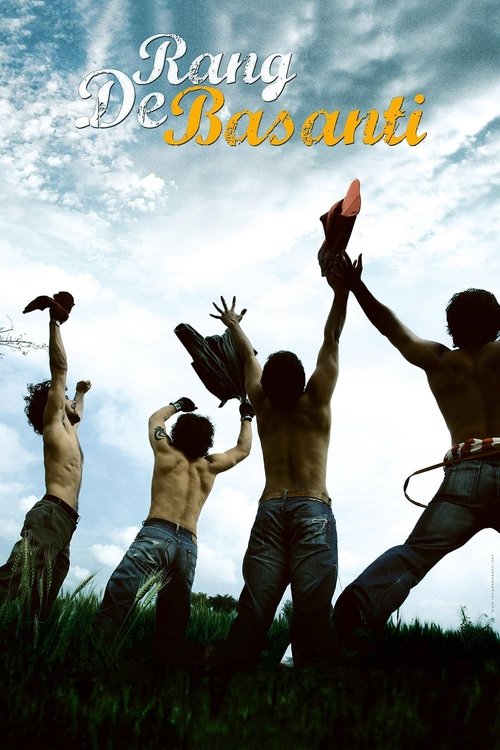
Rang De Basanti2006
Aamir Khan ensemble about friendship, idealism, and what we're willing to change about ourselves. Shares Anuranan's belief that the bonds between friends can reshape who you are.
But Much more overtly political and considerably longer. The tonal shift in the final act divides audiences sharply.
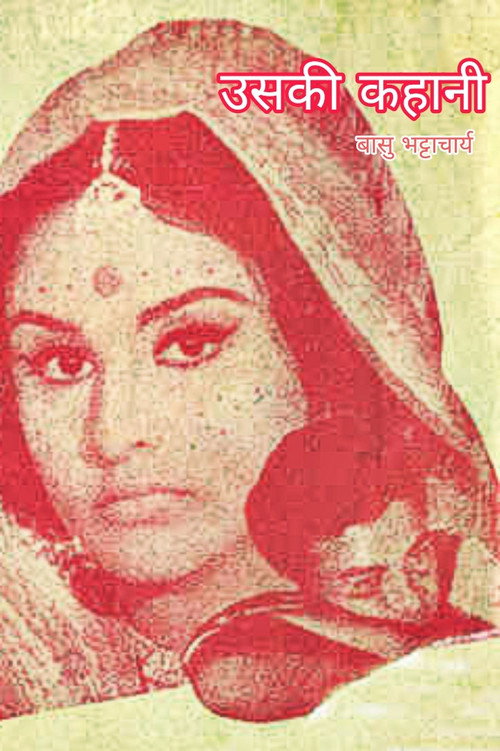
Uski Kahani1966
Srijit Mukherji made this too. It's a thriller, not a romance, but it has the same careful attention to character, the same refusal to let Kolkata be just a backdrop.
But It's genre work, so plot machinery is visible. After Anuranan's subtlety, the mechanics might feel obvious.
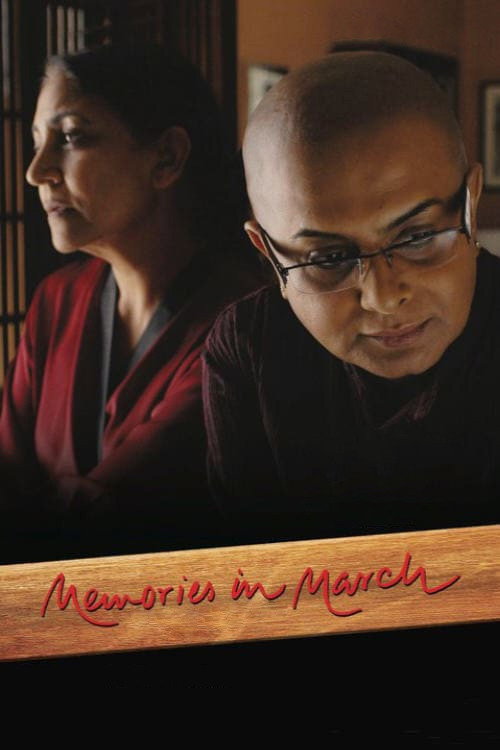
Memories in March2011
Two couples, class anxiety, love that doesn't fit neat categories, and the city watching. Deepti Naval and Naseeruddin Shah doing some of their finest work in a film almost no one saw.
But The pacing is glacial by design. It moves at the speed of grief and compromise, which isn't for everyone.
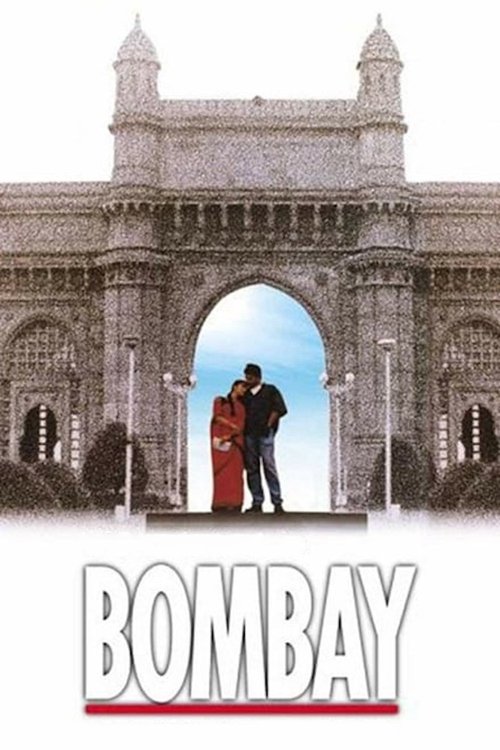
Bombay1995
Mani Ratnam's doomed romance between a Hindu man and Muslim woman. Different register, higher stakes, but the same structural interest in how love becomes a battleground between personal desire and social pressure.
But Much more melodramatic. The climax is operatic in a way Anuranan would never attempt.
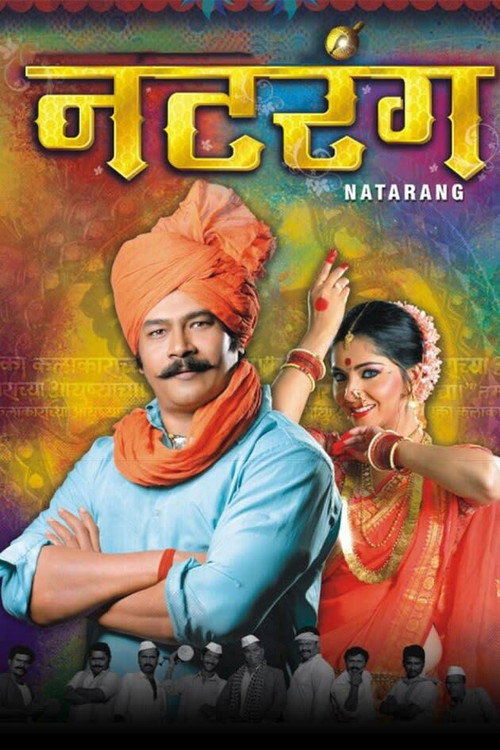
Natrang2010
A Marathi film about a marriage, art, and the person you become when you pursue what you love. Smaller in scope than you'd expect, gorgeously observed, about the quiet devastation of growing apart.
But Marathi language, and not widely distributed. You'll need to search for it, and subtitles require active attention.
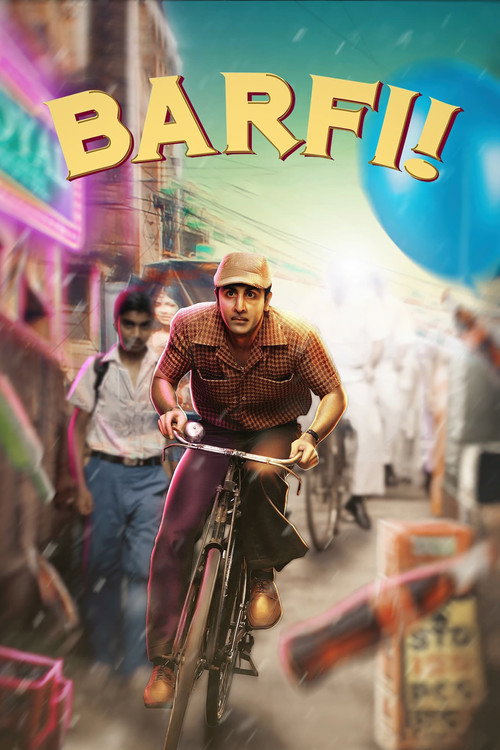
Barfi!2012
Anurag Basu's love story told largely without dialogue. It's playful where Anuranan is restrained, but both films trust image and silence to do what words cannot.
But The whimsy can tip into saccharine. It's constructed around a fantasy of love that Anuranan would never permit itself.
In the Mood for Love2000
Both films locate the real drama in the moment *before* or *after* consummation, not in the act itself. Both suggest that marriage and infidelity are sometimes the same wound seen from different angles. Both understand that what we cannot have often defines us more completely than what we do.
Wong Kar-wai's chamber piece about two people recognizing an attraction that cannot be acted on. Shot in saturated colour and slow motion, it's about yearning as a form of purity. Devastatingly beautiful, and about surfaces concealing depths.
But It's extremely stylized and glacially paced—almost a tone poem masquerading as narrative. The plot is minimal. If you want plot momentum, you will find it mannered and remote.

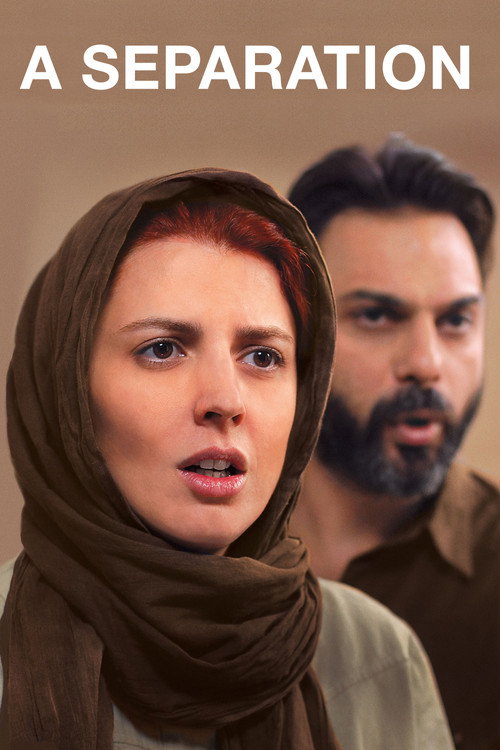
A Separation2011
Both use couples—their intimacy and distance—as a lens through which to examine social obligation, class, complicity, and the gap between who we think we are and who we actually become. Both suggest that the most honest thing love can offer is a mirror you won't want to look into.
Asghar Farhadi's masterpiece about a marriage dissolving and the collateral damage to everyone nearby. Shot in a documentary style, it's clinical where Anuranan is poetic, but equally committed to the proposition that love is something you survive rather than a destination you reach.
But It's relentlessly bleak. There are no soft moments, no redemption, no character who is simply right. It will leave you exhausted rather than moved.
People
Cast
 Rahul BoseRahul Chatterjee
 Rituparna SenguptaNandita Sen
 Raima SenPreeti Banerjee
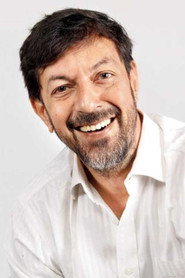 Rajat KapoorAmit Banerjee
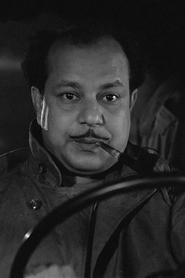 Haradhan BandyopadhyayNandita's father
 Mithu ChakrabartyNandita's sister
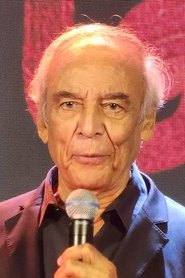 Barun ChandaRahul's boss in Kolkata
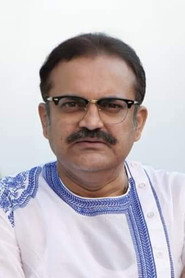 Rohit MukherjeeRahul's colleague
- Dolly BasuPreeti's mother
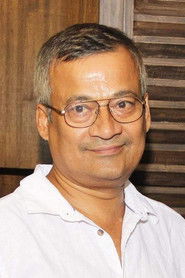 Shantilal MukherjeePoliceman
- Bodhisattva MazumdarNandita's brother-in-law
Directing
- Aniruddha Roy ChowdhuryDirector
Writing
- Aniruddha Roy ChowdhuryWriter
Production
- Aniruddha Roy ChowdhuryProducer